Reviewing Section 14.10: Terrestrial Wildlife and Wildlife Habitat
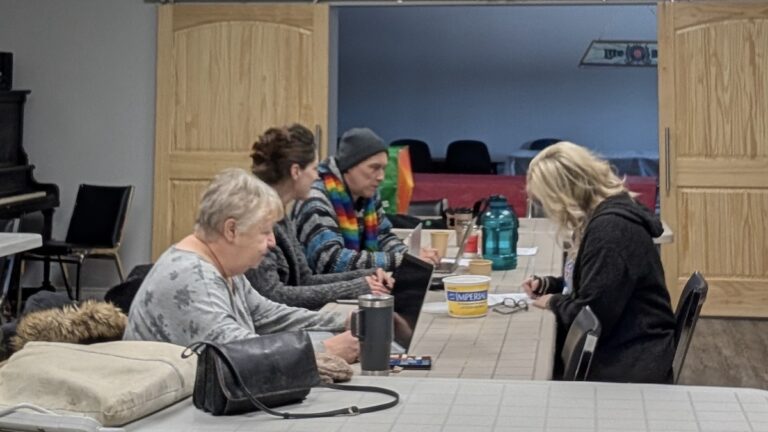
This article is part of a series exploring the views and perspectives of youth, artists and community members working with the Melgund Integrated Nuclear Impact Assessment Project. This initiative is a climate entrepreneurship and arts-based community recreation program, developed through community consultation, engagement participation in the integrated impact assessment process for the NWMO’s proposed Deep Geological Repository for nuclear waste fuel.
What is Proposed
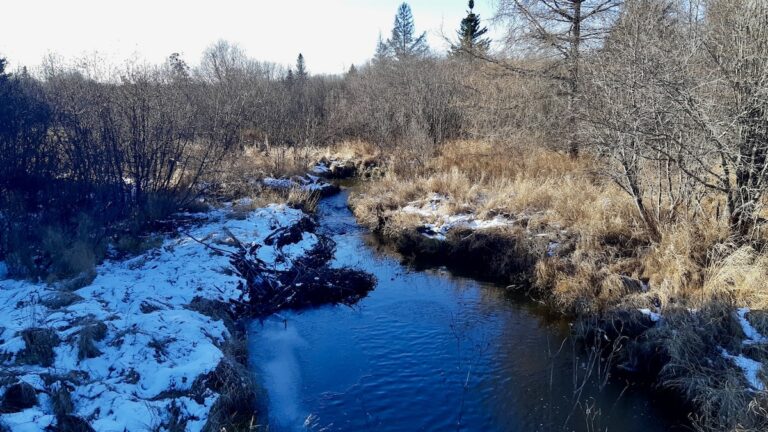
The Nuclear Waste Management Organization (NWMO) is currently undertaking baseline data collection to characterize terrestrial wildlife and habitat within the proposed project area. As detailed in the Initial Project Description, this work utilizes a combination of desktop reviews, environmental DNA (eDNA) analysis, and field surveys. The assessment covers ungulates, carnivores, small mammals, bats, herpetofauna, and invertebrates. While the proponent identifies several Species at Risk (SAR) and Significant Wildlife Habitats (SWH), they note that data collection is ongoing. A key finding presented is the low calf-to-cow ratio in local moose populations. Despite acknowledging gaps in reptile and invertebrate data, the proponent asserts that the current information is sufficient to support a risk-informed assessment of potential impacts.
Underlying Assumptions
Our review of the documentation identified several foundational assumptions influencing the proponent’s approach:
- The assumption that current baseline data, despite acknowledged gaps in reptile and invertebrate surveys, is adequate for an initial risk-informed assessment.
- The assumption that moose are the primary ungulate of "community importance," potentially narrowing the scope of cultural impact assessments.
- The assumption that project activities (such as land clearing and habitat fragmentation) do not have a potential link to tick distribution or abundance, allowing ticks to be treated solely as a background stressor rather than a project-influenced vector.
- The assumption that invertebrate data from the 1980s (GBIF data) provides a relevant historical context for current biodiversity baselines.
Community Assessment
Our community and technical review has highlighted significant concerns regarding the resilience of local wildlife populations. Of primary concern is the identified low calf-to-cow ratio among moose. This demographic data suggests a population that may already be struggling with recruitment; introducing major construction stressors—such as noise, dust, and habitat fragmentation—could further destabilize this culturally vital species. The cause of this low productivity remains unknown, representing a critical blind spot in the assessment.
Furthermore, the technical sufficiency of the baseline data is in question. The reliance on unoptimized eDNA methods for reptiles and 40-year-old data for invertebrates prevents an accurate assessment of current biodiversity. Finally, the dismissal of community concerns regarding ticks is problematic. By categorizing ticks only as a stressor to wildlife, the proponent ignores the potential for project-induced changes in forest edge habitats to increase tick-host interactions, which has direct implications for human health and community safety.
Path Forward
To address these deficiencies, we recommend the following corrective measures:
- Moose Population Health Study: The proponent should prioritize a multi-year study to determine the drivers of the low calf:cow ratio and model how project activities might exacerbate these trends.
- Modernize Data Collection: Immediate optimization of eDNA protocols and new field surveys are required for reptiles and invertebrates to replace outdated 1980s data.
- Tick Pathway Analysis: A formal justification or pathway analysis must be provided to support the claim that project activities will not influence tick abundance, specifically examining the relationship between forest edge creation and host species distribution.
- Cultural Integration: The definition of "community importance" regarding wildlife must be validated through documented consultation with Indigenous Knowledge holders to ensure no culturally significant species are overlooked.
About the Integrated Assessment Process
The federal Impact Assessment Agency of Canada (IAAC) has formally launched the integrated impact assessment process for the proposed Deep Geological Repository (DGR) for Canada’s Used Nuclear Fuel Project, a major national infrastructure initiative led by the Nuclear Waste Management Organization (NWMO).
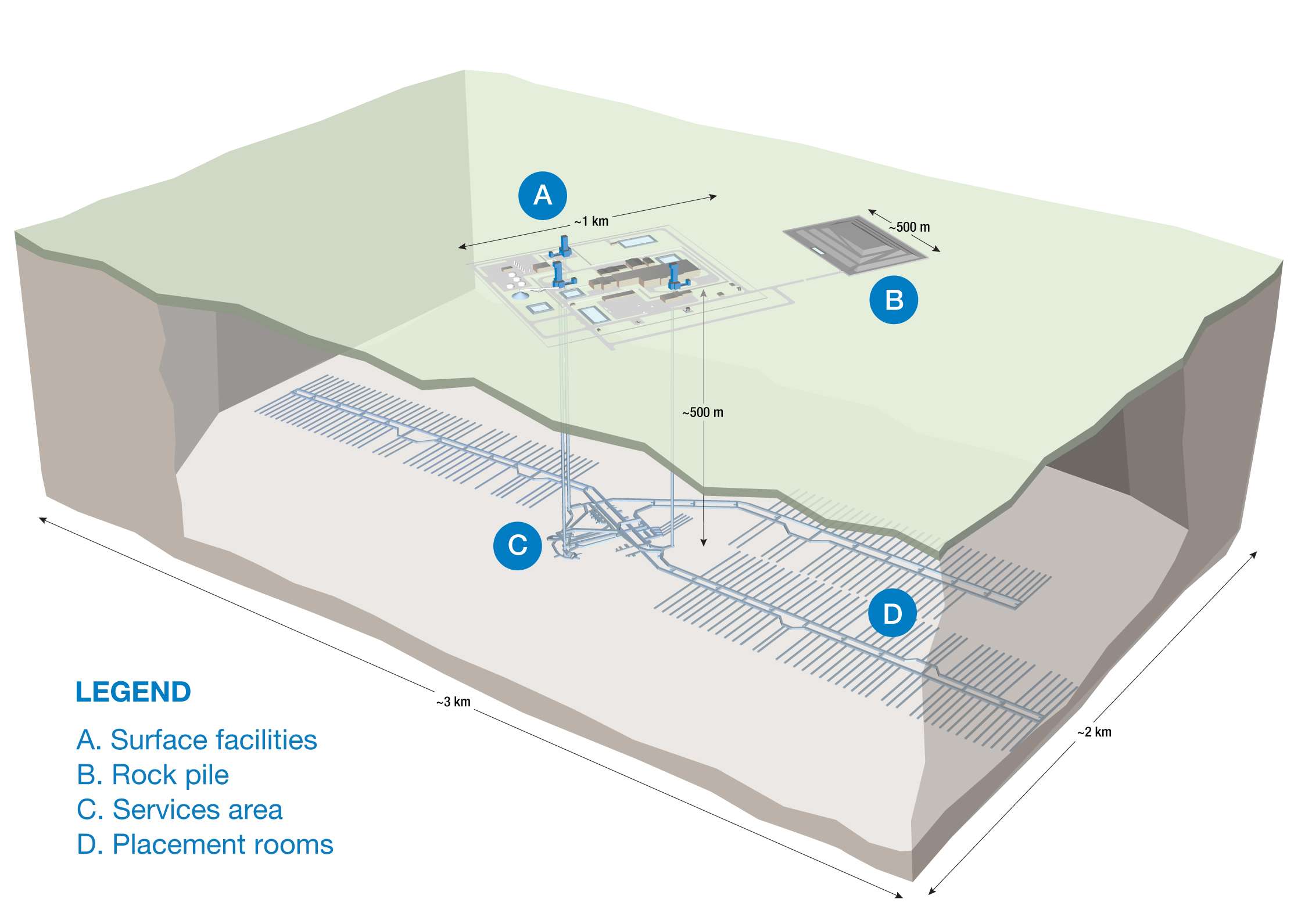
The proposed underground repository is designed to permanently contain and isolate used nuclear fuel in a secure geological formation. Wabigoon Lake Ojibway Nation and the Township of Ignace have been selected as host communities for the project. The site is located approximately 21 kilometres southeast of Wabigoon Lake Ojibway Nation and 43 kilometres northwest of Ignace, Ontario, near Highway 17.
According to project materials, the repository would provide permanent storage for approximately 5.9 million bundles of used nuclear fuel. The full lifecycle of the project is expected to span roughly 160 years, including site preparation, construction, operations, closure, and long-term monitoring.
Integrated Federal Review
Major nuclear projects in Canada are subject to an integrated assessment process jointly led by the Impact Assessment Agency of Canada and the Canadian Nuclear Safety Commission (CNSC). This “one project, one review” approach is intended to streamline regulatory oversight while ensuring rigorous evaluation of environmental, health, social, economic, and Indigenous rights impacts.
Under this framework, IAAC oversees the impact assessment requirements under the Impact Assessment Act, while the CNSC regulates nuclear safety under the Nuclear Safety and Control Act. The CNSC will issue the initial site preparation licence and manage all subsequent nuclear licensing for the project’s duration.
The integrated assessment also includes a focus on potential impacts on Indigenous Peoples, including rights, land use, cultural practices, health, and socio-economic conditions. Where potential adverse effects are identified, the process is intended to identify mitigation measures to reduce or avoid harm.
Public Comment Period Now Open
The first public comment period for the project is currently open and will run until February 4, 2026. During this phase, the public is invited to provide feedback on the Summary of the Initial Project Description submitted by the NWMO. Submissions received during this period will inform IAAC’s summary of issues, which will guide the next stages of the impact assessment. All comments submitted become part of the public project record and are posted to the federal Impact Assessment Registry.
This plain-language summary is provided by ECO-STAR North and Art Borups Corners to support public engagement.
Disclaimer: The views and perspectives expressed in this article are solely those of the independent arts program led by ECO-STAR North and Art Borups Corners. They do not reflect the official positions of the Nuclear Waste Management Organization (NWMO) or the Government of Canada.
About the Author