GCT3 criticizes IAAC for ignoring regulatory gaps and municipal authority in Treaty #3.
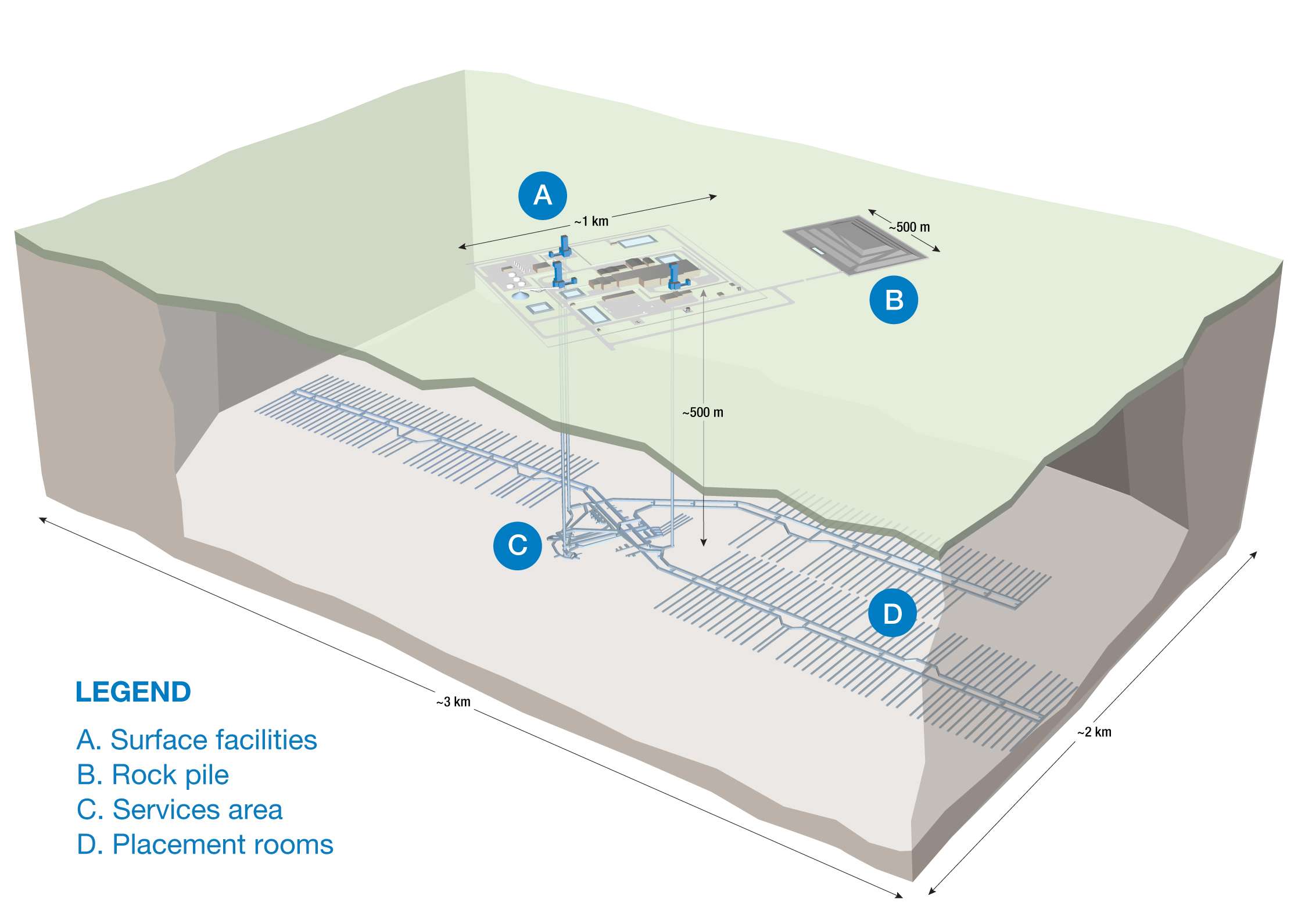
The Grand Council of the Anishinaabe Nation in Treaty #3 (GCT3) has sharply criticized the Impact Assessment Agency of Canada’s (IAAC) recently released “Summary of Issues” (SOI) for the Nuclear Waste Management Organization’s (NWMO) Initial Project Description (IPD). The IPD proposes a facility within Treaty #3 territory to store all of Canada’s existing high-level nuclear fuel for up to one million years.
The Grand Council previously submitted detailed comments on the IPD on February 4, 2026, followed by a corrected submission on February 5. Yet GCT3 says the IAAC’s SOI fails to address their concerns, particularly regarding legal authority, procedural fairness, and regulatory oversight.
Lack of Independent Regulatory Review
A key concern highlighted by GCT3 is that NWMO has conducted a unilateral, self-guided site selection process for the facility. They point out that NWMO could have subjected its site selection to independent federal environmental review as early as 2008 but instead opted for a non-regulatory, internal process. This means the first time any party outside of NWMO can scrutinize the site selection is now, through the Impact Assessment Act (IAA).
According to GCT3, the IPD avoids critical review of serious social and technical challenges, which historically would have been examined under federal environmental assessments. The SOI does not reference these issues, leaving the public, Indigenous governments, and other stakeholders without guidance on how their concerns were considered.
Questioning Ignace’s “Host Community” Status
Another major concern is the designation of the Township of Ignace as the so-called “host municipal community” for the project. GCT3 points out that the IPD and NWMO provide no definition of “host community” and that the project site is located more than 40 km outside the municipal boundaries of Ignace. This means the township has no municipal authority or regulatory power over the project, yet the SOI does not address this issue.
The Grand Council also notes that the IPD ignores the fact that Ignace is not a “jurisdiction” under the IAA, making it unclear how its input or governance role is recognized in this process. These omissions, GCT3 argues, represent a serious lack of transparency and disregard for both regulatory norms and Nation-to-Nation agreements.
Calls for Respect of Nation Laws
At a Special Chiefs Meeting on February 12 in Thunder Bay, Treaty #3 Chiefs reaffirmed GCT3’s mandate to ensure that Manito Aki Inaakonigewin, the Nation’s laws, are respected by NWMO and IAAC. GCT3 stresses that Canada must recognize its constitutional duties to Indigenous nations when reviewing projects of this scale.
Copies of their detailed IPD comments were circulated to Treaty #3 Chiefs, the Territorial Planning Unit, and relevant NWMO and federal officials. They expect a substantive response addressing all issues raised, particularly the procedural and legal gaps identified.