Format: Short Film / Anthology Episode | Est. Length: 10-12 minutes
Imagine a series where the digital world's cruelty meets the uncompromising physics of the natural world, focusing on individuals seeking redemption in the harshest environments.
"The Unfiltered" is an anthology series exploring the intersection of viral infamy and survival. Each episode follows a different "canceled" individual forced into a life-or-death situation where their online reputation matters less than their primal will to survive. The series highlights the contrast between the ephemeral noise of social media and the permanent, brutal reality of the wilderness.
A disgraced mountain guide living in a rusted van watches a live-stream of a teenager about to jump into a canyon just as a deadly monsoon hits.
A canceled mountain guide must race against a flash flood to save a suicidal influencer live-streaming his final moments. In the heart of a desert storm, they must choose between the digital noise that destroyed them and the brutal reality of survival.
The primary theme is the contrast between digital perception and physical reality, highlighting how the "algorithm" of social media dehumanizes both the victim and the observer. It explores the idea that the internet creates a "hall of mirrors" where individuals lose sight of their own humanity in favor of engagement metrics.
Secondary themes include redemption through service and the indifference of nature. Jasmine’s journey suggests that true accountability is found in physical action and the protection of others, rather than in the performative apologies or "accountability threads" demanded by the digital mob.
For Jasmine, the stakes are her last shred of self-worth and the life of a boy she once mentored; if she fails, she confirms the "murderer" label the internet gave her. For Brian, the stakes are literal—his life is being traded for engagement metrics in a final, desperate bid for visibility. The environmental stakes involve the "Finger of God" spire, which is structurally failing under the weight of a once-in-a-decade monsoon.
The external conflict is the "vibe-shift" of the desert monsoon, a literal wall of water and mud that threatens to erase both characters. Internally, Jasmine battles her trauma and the "static" of her public disgrace, while Brian fights the psychological exhaustion of living for an audience that views his death as mere content. The "mob" acts as a secondary, invisible antagonist, fueling Brian's despair through the scrolling chat on his phone.
Jasmine, a mountain guide ruined by a tragic accident and online vitriol, discovers Brian, a young climber, live-streaming his suicide from the "Finger of God" spire in Red Clay Gorge. Despite her injuries and public ban, she races into the canyon as a massive monsoon transforms the dry wash into a lethal torrent of mud and debris. She reaches the spire just as it begins to dissolve, forcing a confrontation with Brian’s digital delusions before the structure collapses.
The two are swept into the flood, surviving a violent journey through the narrows by clinging to each other and the debris. They eventually wash up on a mudbank and find shelter in a shallow alcove as the storm subsides. In the cold silence of the aftermath, Brian confronts the emptiness of his digital life while Jasmine finds a grim sense of peace, having finally successfully guided someone home.
Jasmine: A former elite guide now living in a rusted van, she is haunted by a fatal mistake and the subsequent "cancelation" that stripped her of her career. She begins the story in a state of cynical isolation, fueled by canned beans and resentment, but ends with a renewed, albeit painful, sense of purpose after reclaiming her role as a protector. Her physical scars and injuries serve as a constant reminder of her past, yet they provide the grit necessary to survive the gorge.
Brian: A nineteen-year-old digital native who views his life through the lens of engagement and "aesthetic" value. He starts as a hollow shell seeking a cinematic end to his online misery, performing his suicide for a crowd of indifferent strangers. By the end, he is a traumatized survivor forced to confront the visceral, un-filtered reality of his own mortality, finally seeing the world without the mediation of a screen.
Beat 1 (The Buzz): Jasmine ignores a barrage of hate notifications in her sweltering van until she sees Brian’s "DONE" live-stream alert. She recognizes the location as Red Clay Gorge and realizes the approaching monsoon will turn the spire into a death trap. Without hesitation, she starts the engine and floors it toward the canyon, ignoring her physical pain and legal status.
Beat 2 (The Descent): Jasmine arrives at the trailhead as the first heavy raindrops fall and begins a grueling run down the switchbacks. Her old injuries flare up, and her lungs burn from months of neglect, but the sight of the bruised green sky pushes her forward. She reaches the canyon floor just as the sky opens up, turning the red clay into a slick, treacherous slide.
Beat 3 (The Confrontation): Jasmine free-solos the crumbling "Finger of God" spire, finding Brian holding a gimbal and focused entirely on his scrolling chat. She screams over the roar of the wind, trying to break his trance as the base of the spire begins to vibrate from the rising floodwaters. Brian initially resists, viewing her as an intruder in his "perfect ending," until Jasmine’s harsh truth about his "cringe" self-pity finally pierces his digital fog.
Beat 4 (The Surge): The spire suffers a structural failure and collapses, forcing Jasmine to lunge across the gap to grab Brian as they are swept into the violent torrent. They are tumbled through the narrows at high speed, with Jasmine using her body to shield Brian from boulders and debris while fighting to keep his head above the silt-heavy water. Eventually, the canyon widens, allowing Jasmine to drag a semi-conscious Brian onto a temporary mudbank before the next wave hits.
Beat 5 (The Aftermath): In a shallow limestone alcove, Jasmine and Brian huddle for warmth as the storm passes and the adrenaline fades into raw physical agony. Brian mourns the loss of his phone and his connection to the audience, but Jasmine reminds him that the silence is a gift and that reality doesn't have a filter. As a rescue helicopter appears in the morning light, Jasmine feels a quiet peace, having successfully guided her "team" home despite her broken body and ruined reputation.
The episode begins with a sense of suffocating claustrophobia and resentment, mirroring Jasmine's internal state. It transitions into high-octane terror and physical desperation during the flood, before settling into a cold, sobering clarity in the alcove. The audience experiences the shift from the frantic, shallow "noise" of the internet to the deep, resonant silence of the desert.
If expanded, the season would follow Jasmine as she slowly re-enters the climbing community, not as a celebrity, but as a "ghost guide" for those the world has discarded. Each episode would introduce a new character seeking the wilderness for the wrong reasons—clout, escapism, or self-destruction—with Jasmine acting as a harsh but necessary filter for their delusions.
The overarching narrative would track the legal and social consequences of her "illegal" rescues, as the internet mob begins to debate her "redemption arc." This culminates in a public reckoning where Jasmine must choose between reclaiming her old life of six-figure contracts or staying in the shadows to do the work that actually matters.
The visual style should utilize high-contrast, "dirty" cinematography, moving from the blown-out, harsh desert sun to the sickly green and charcoal hues of the monsoon. Handheld cameras should be used during the canyon descent to emphasize Jasmine's physical struggle, switching to a more stable, wide-angle perspective once the storm clears to show the raw scale of the landscape.
The tone is a blend of "survival thriller" and "social critique," comparable to the visceral realism of The Revenant mixed with the technological anxiety of Black Mirror. The sound design is critical, contrasting the thin, tinny audio of the live-stream with the bone-shaking, bass-heavy roar of the flash flood.
The target audience includes adults and older teens (16-35) who are engaged with outdoor culture and social media, but feel the fatigue of "cancel culture" and digital performativity. It appeals to fans of survival dramas and psychological thrillers that explore contemporary social issues through a grounded, high-stakes lens.
The pacing is "accelerando," starting with a slow, heavy build-up in the van that rapidly picks up speed once Jasmine reaches the trailhead. The midpoint (the climb) is tense and vertical, leading into a chaotic, fast-paced climax (the flood) that suddenly drops into a slow, rhythmic denouement in the cave. The 10-12 minute runtime ensures that the tension remains taut without overstaying the psychological confrontation.
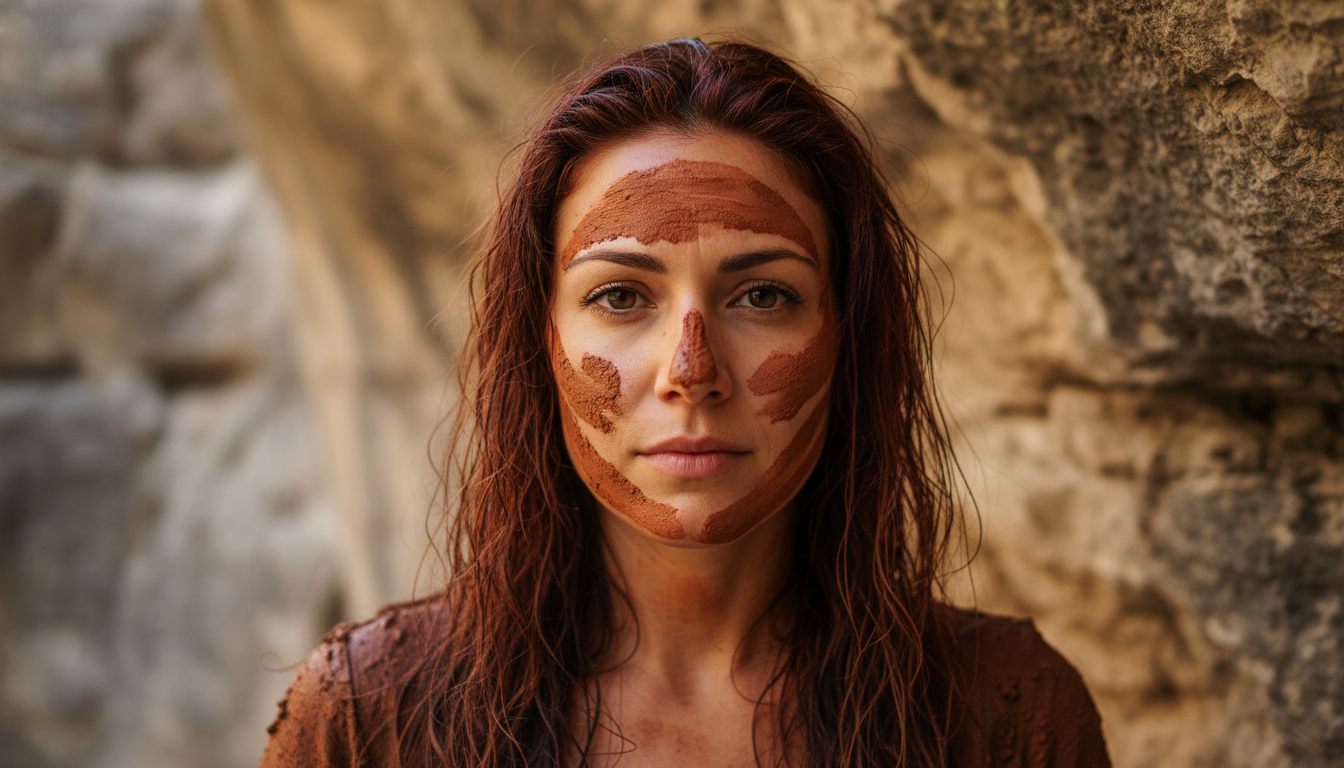
The flood sequence requires a mix of practical water effects and high-end CGI to simulate the "liquid concrete" consistency of a desert flash flood. The production must capture the unique "blood-colored" mud of the red clay gorge, which serves as a vital visual metaphor for the characters' shared trauma and physical connection to the earth.
Safety is paramount for the spire collapse, necessitating a controlled set with green-screen elements for the wider canyon shots. The mudbank scenes should use authentic red clay to maintain the visceral, grounded texture of the story, ensuring the actors appear genuinely battered by the environment.


