Format: Short Film / Anthology Episode | Est. Length: 10-12 minutes
Imagine this story as a standalone entry in a prestige anthology series that explores the quiet, high-stakes lives of urban residents reclaiming their neighborhoods through small acts of defiance. The visual language would treat the act of painting not as a hobby, but as a tactical operation conducted by those the world has deemed invisible.
"The Corners" is an anthology series set in a decaying urban landscape where elderly residents, forgotten by the modern world, engage in quiet acts of aesthetic rebellion. Each episode centers on a different block of Borups Corners, weaving together a tapestry of gentrification, paranoia, and the enduring human spirit. The overarching narrative follows the slow transformation of the neighborhood as these "invisible" citizens reclaim physical space, one brick at a time, against the backdrop of a city that is moving on without them.
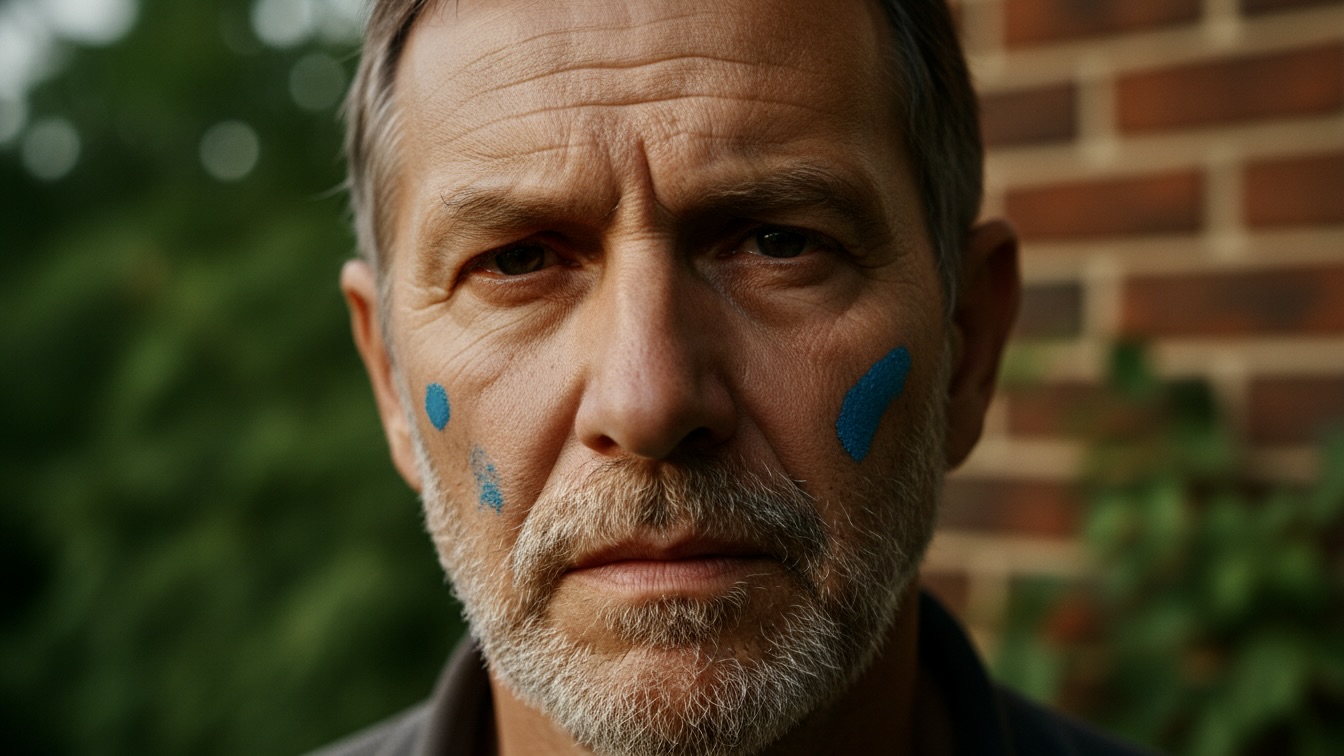
Martin stands alone in the vibrating 7:15 AM heat, staring at a massive, scarred brick wall that feels more like a tombstone than a canvas. The oppressive silence of the empty street is shattered by the metallic clink of his tools, signaling the start of a day where the environment itself feels like a predator waiting to strike.
An aging scenic artist battles rising paranoia and oppressive heat while painting a community mural in a neighborhood that prefers to stay in the dark. As mysterious figures watch from the shadows, he must decide if finishing the sky is worth the potential cost of his safety.
The story explores the tension between visibility and safety in a neglected urban environment, highlighting the fear that "beautification" serves as a harbinger for displacement and unwanted attention. It examines the psychological weight of gentrification, where a fresh coat of paint is viewed not as art, but as a target for both the law and the lawless.
Furthermore, the episode delves into the theme of existential utility, contrasting the physical decay of the elderly protagonists with the permanence of the art they create. For Martin and his peers, the manual labor of the mural is a form of resistance against the digital, "touch-screen" world that has rendered their lifelong skills obsolete.
For Martin, the stakes are both physical and psychological; he risks his fragile health in the extreme heat and his personal safety against perceived neighborhood threats to reclaim a sense of purpose. If the mural project fails or provokes a violent response, the trio loses their final connection to the community and their identity as creators, effectively disappearing into the "quiet of their apartments."
The primary external conflict is the unspoken tension with the neighborhood's "watchers"—the man in the tracksuit, the black SUV, and the figure on the roof—who view the mural as a threat to their anonymity. Internally, Martin struggles with a debilitating paranoia and the physical limitations of his aging body, which threaten to make him abandon the project before the first coat of paint is dry.
Martin, Martha, and Andrew—three retired scenic artists—converge on a sun-scorched corner to begin a mural project that feels increasingly dangerous. As they scrape mortar and apply primer, Martin becomes obsessed with a series of suspicious observers, including a silent black SUV and a figure on a nearby rooftop. His companions, Martha and Andrew, attempt to dismiss his fears as heat-induced delusions, focusing instead on the technical demands of the wall and the memories of their shared past in the theater.
The tension reaches a breaking point when a local deli clerk warns Martin that "nobody likes a spotlight," and the black SUV returns to conduct a silent standoff with the group. Despite the mounting dread and the mockery of local teenagers, the trio chooses to stay. Martin climbs his ladder to paint a vibrant cerulean sky over the white primer, transforming his fear into a defiant act of creation that claims the corner for the community, even as the shadows of the neighborhood close in.
Martin: A 64-year-old former scenic lead whose professional precision has curdled into hyper-vigilance; he starts the day paralyzed by the "blank slate" of the wall and ends it with a defiant, steady hand. His arc is one of overcoming the "ghosts" of his theater career to face the reality of his current environment.
Martha: A 70-year-old optimist who uses "tech-fabric" and breezy confidence as armor against the neighborhood's decay; she maintains her resolve even as her physical strength wanes. She serves as the emotional engine of the group, pushing the project forward through sheer force of will.
Andrew: A 72-year-old former stage manager with a failing hip and a history of heart procedures; he serves as the group's philosophical anchor. He views their presence on the street as a necessary act of war, believing that "being here is the fight."
Beat 1: Martin arrives at Borups Corners in the oppressive early morning heat, his tools sounding like gunshots against the concrete as he begins the grueling task of scraping the wall. He feels exposed and vulnerable, his skin feeling like "old, dry paper" as he faces the sixty-foot expanse of scarred brick.
Beat 2: Martha arrives with iced coffees, breaking Martin’s isolation and dismissing his concerns about an idling delivery truck that he believes is monitoring their movements. She introduces the "Art Borups Corners" mission, framing their work as a service for the kids and seniors of the neighborhood.
Beat 3: The duo begins the physical labor of taping and tarping, their work interrupted by a tinted sedan that crawls past, reflecting Martin’s own fearful image back at him. This moment establishes the "predatory" feel of the neighborhood and Martin's heightened state of alert.
Beat 4: Martin experiences a surge of irrational anger while prying open a paint can, feeling the weight of his forced retirement and the vulnerability of being out in the open. The white primer represents a "blank slate" that he fears will be filled with something "bad."
Beat 5: Andrew arrives late and exhausted, bringing supplies and news of a traffic disaster that Martin interprets as another sign of a world falling apart. Andrew's presence completes the trio, shifting the dynamic from individual fear to collective labor.
Beat 6: The trio falls into a rhythmic "assembly line" of painting, sharing memories of past theatrical failures to distract themselves from the heat and a man in a grey tracksuit watching them. The work becomes a physical meditation, momentarily silencing Martin's internal static.
Beat 7: Martin goes to a local deli for water, where a cynical clerk warns him that the neighborhood "doesn't like a spotlight," heightening his anxiety. This encounter confirms that Martin's paranoia is rooted in a genuine, albeit unspoken, local hostility.
Beat 8 (Midpoint): Returning to the wall, Martin finds his friends being intimidated by a silent, idling black SUV that eventually revs its engine and speeds away in a show of force. The threat is now undeniable, forcing the group to choose between flight and finishing the work.
Beat 9: Despite the threat, Martha and Andrew refuse to leave, and Martin climbs the ladder to apply the first stroke of cerulean blue sky. The act of painting color over the white primer serves as the turning point where the group reclaims the space.
Beat 10: Martin spots a figure watching from a rooftop across the street, but when his friends see nothing, he chooses to stay on the ladder and finish the sky regardless. He accepts the presence of the "watchers" as a permanent fixture of the landscape.
Beat 11 (Climax): A group of teenagers confronts them, mocking the mural as a target for graffiti, but Martin’s firm refusal to back down earns a moment of confused respect. He realizes that "painting it again tomorrow" is the only way to win.
Beat 12: As the sun sets, the trio packs up their gear, leaving the glowing wall behind as Martin faces a final, silent standoff with the man in the black SUV. He drives home in the dark, the smell of acrylic on his skin, waiting for the morning to return to the wall.
The episode begins with a sharp, clinical anxiety characterized by the "vibrating" heat and the ringing in Martin's ears. As the trio works, the mood shifts into a weary, nostalgic camaraderie, only to be spiked by moments of acute dread during the SUV and rooftop encounters. The final act moves toward a somber, defiant peace, leaving the audience with a sense of "quiet resistance" rather than total resolution.
Over the course of the season, the "Art Borups Corners" project would face escalating sabotage, forcing the elderly artists to recruit the local teenagers who initially mocked them. This alliance would bridge the generational gap, turning the mural into a symbol of neighborhood unity against external pressures.
The season would culminate in a neighborhood-wide "night of color," where the murals become a physical barrier against a predatory developer seeking to buy the block. The artists' paranoia is eventually validated as the "watchers" are revealed to be scouts for the development firm, shifting the conflict from street-level tension to a battle for the soul of the community.
The visual style should utilize high-contrast, overexposed lighting to simulate the "white-hot" heat of the morning, with shallow depth of field to emphasize Martin’s claustrophobic focus. The camera work should be handheld and restless during Martin's moments of paranoia, smoothing out into steady, locked-off shots once the painting rhythm is established.
The tone is a blend of "Urban Neo-Noir" and "Social Realism," drawing comparisons to the gritty atmosphere of The Wire mixed with the character-driven intimacy of The Straight Story. The sound design will play a crucial role, emphasizing the "honest sounds" of scraping metal and wet rollers against the backdrop of distant, threatening city noise.
The target audience includes viewers of prestige anthology dramas and indie film enthusiasts who appreciate narratives centered on aging, agency, and urban survival. It appeals to a demographic that values character-driven tension over traditional action, specifically those interested in the intersection of art and social commentary.
The pacing is "slow-burn," mimicking the tedious and meditative nature of the painting process, with sudden bursts of tension during the antagonistic encounters. The 12-minute runtime follows a classic three-act structure: the setup of the wall and the heat (0-4m), the escalation of the external threats and the SUV standoff (4-8m), and the defiant completion of the sky (8-12m).
Practical effects are essential for the painting sequences to ensure the "thirsty" texture of the brick is captured authentically on camera. The production must use real acrylics and professional tools to maintain the "scenic artist" credibility of the characters.
The production must factor in the logistical challenges of filming in high-heat conditions and the need for a specific "scarred" urban location that can be safely modified with temporary mural paint. The black SUV and the rooftop figure require precise blocking to ensure they feel like omnipresent, yet elusive, threats.


