Format: Short Film / Anthology Episode | Est. Length: 10-12 minutes
Nitrogen Liar serves as a grounding entry in an anthology series titled The Quiet Decay, which explores the intersection of aging, technological intrusion, and the stubborn persistence of the human spirit in a near-future world. Set in a 2026 where hyper-efficient smart-tech clashes with the messy, organic reality of human grief, the series examines how individuals navigate the "slow-motion dissolve" of their lives while surrounded by neighbors who represent the relentless, polished pressure to keep moving forward.
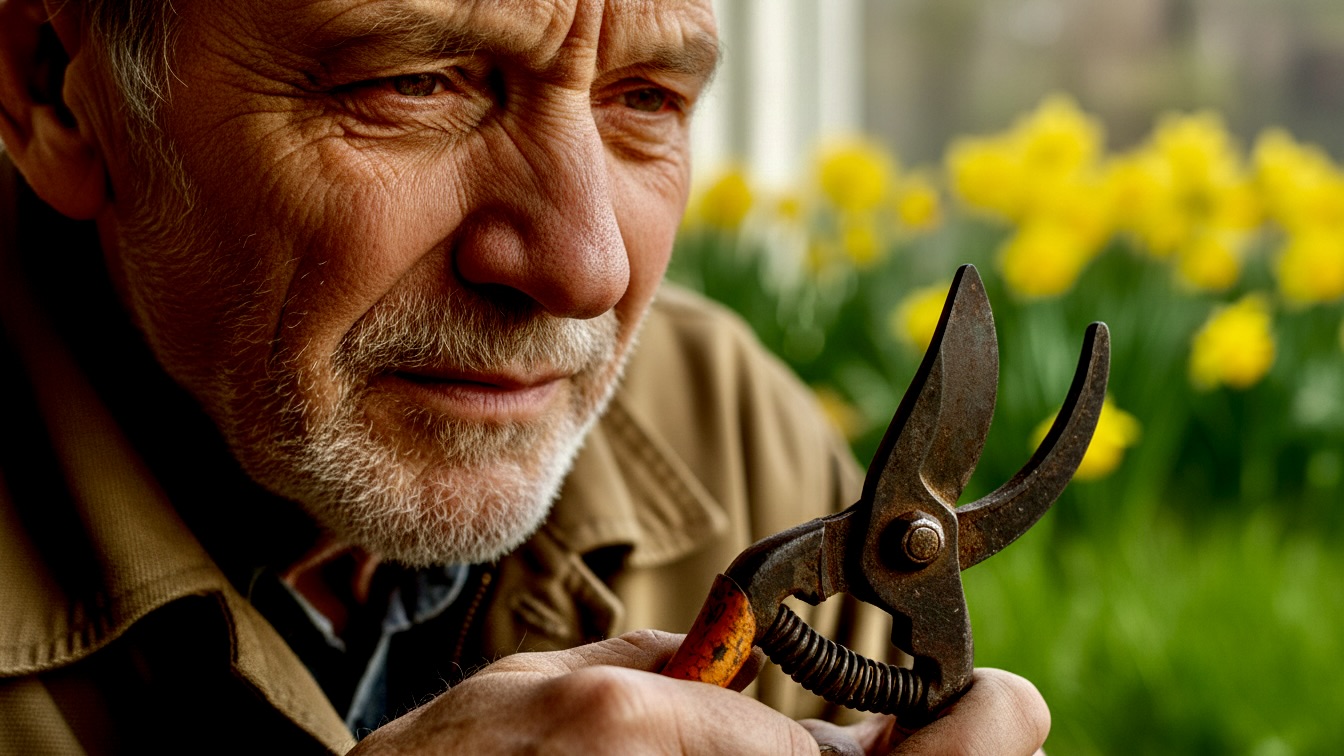
Arthur, a seventy-two-year-old widower, struggles to prune a dead rose bush in his muddy yard while his knee pops and his "SmartSprout" sensor blinks an accusatory red. The silence of his morning is shattered by the arrival of his neighbor, Martha, whose unsolicited advice and neon-clad efficiency serve as a constant reminder of his own perceived obsolescence.
A stubborn widower fighting the decay of his garden and his own body finds himself in a battle of wills with an intrusive neighbor over a rose bush that holds the memory of his late wife. As he attempts to prune away the past, he must confront the reality that survival requires more than just chemistry and cold logic.
The episode explores the theme of "active grief" versus "passive surrender," contrasting the clinical, data-driven world of 2026 with the raw, tactile experience of loss. It delves into the tension between the inevitability of physical decline and the human desire to nurture something—anything—that might bloom again, even when the odds are stacked against it.
The secondary theme is the complexity of neighborly intimacy, where boundaries are blurred by shared history and the unspoken obligation to care for one another. It examines the "nitrogen" of human connection—the essential, invisible nutrients that sustain us, often provided by the very people we find most exhausting.
For Arthur, the stakes are existential; the rose bush represents his last tangible connection to his late wife, Sarah, and its death would signify his final surrender to isolation and irrelevance. For Martha, the stakes involve the preservation of their community fabric and the desperate need to pull Arthur back from the brink of total withdrawal, using the garden as a proxy for his mental well-being.
The primary conflict is the friction between Arthur’s desire to let things fade into the earth and Martha’s aggressive, tech-assisted optimism. Internally, Arthur battles his own cynicism and the physical betrayal of his aging body, while externally, he resists Martha’s unsolicited "help" and the constant, buzzing judgment of his smart-home technology.
Arthur attempts to prune a dead 'Peace' rose bush, a task that becomes an agonizing struggle against his failing joints and the mocking red LED of a smart-garden sensor. Martha intervenes, critiquing his technique and forcing him to confront the fact that his neglect of the plant mirrors his own emotional stagnation since his wife’s death.
After a tense confrontation where Martha reveals the rose’s significance, Arthur is left alone with the shears and a newfound, begrudging determination. He waters the bush, not because the app demands it, but because he chooses to engage with the possibility of life, ultimately deciding to keep the plant alive as a way to honor the memory of his wife and his own continued existence.
Arthur is a seventy-two-year-old widower whose physical decline is matched by a growing cynicism toward the modern world. His arc moves from a state of total resignation and desire to "clear the slate" to a quiet, stubborn acceptance of the effort required to maintain his remaining connections.
Martha is a sixty-nine-year-old neighbor whose high-energy, tech-forward lifestyle hides a deep-seated need to be useful and connected. Her arc reflects a transition from a judgmental, intrusive observer to a patient, albeit bossy, catalyst who forces Arthur to acknowledge that he is still part of a living, breathing world.
Arthur struggles with his pruning shears in the mud, his physical pain becoming a metaphor for his internal decay as he prepares to destroy the rose bush. Martha interrupts the process, using her superior knowledge and the "SmartSprout" sensor to challenge his defeatist attitude, leading to a clash over their differing philosophies on life and loss.
The midpoint occurs when Martha reveals that the rose was Sarah’s, shifting the tone from a petty neighborhood dispute to a shared moment of mourning. This revelation forces Arthur to drop his defenses, creating a fragile, unspoken truce between the two characters.
The climax arrives when Arthur, left alone, makes the conscious decision to water the bush, choosing to nurture the "ghost" rather than dig it up. In the final scene, he sits with his tea, the dirt still under his fingernails, acknowledging that while the world is demanding and exhausting, he is not yet ready to stop participating in it.
The episode begins with a tone of damp, gray, and prickly frustration, mirroring the cold spring morning and Arthur’s internal misery. As the narrative progresses, the mood shifts toward a melancholic, reflective warmth, culminating in a bittersweet resolution that feels like the first, tentative thaw of winter.
If expanded, the season would follow Arthur’s slow reintegration into the neighborhood, with each episode focusing on a different "project" that forces him to interact with the outside world. The rose bush serves as a recurring visual motif, with its progress—or lack thereof—tracking Arthur’s gradual psychological recovery and his evolving, complex friendship with Martha.
The overarching narrative would explore the broader impact of the "SmartSprout" and similar technologies on the community, eventually leading to a collective pushback against the dehumanizing efficiency of their environment. By the season finale, the garden becomes a symbol of the neighborhood’s resistance to the "slow-motion dissolve," with Arthur emerging as an unlikely leader in his small, quiet corner of the world.
The visual style is grounded in a muted, desaturated palette of browns, grays, and muddy greens, emphasizing the physical reality of the garden and the aging process. The cinematography uses tight, claustrophobic framing during Arthur’s moments of struggle, opening up into wider, more hopeful shots as he begins to accept the sun and the presence of others.
The tone is a blend of dry, observational humor and poignant, character-driven drama, reminiscent of films like The Straight Story or the understated, humanistic approach of Alexander Payne. It avoids sentimentality, preferring to find beauty in the grit, the rust, and the stubborn, often annoying, persistence of life.
The target audience includes adults aged 45+, particularly those interested in character-driven dramas that explore the realities of aging, grief, and the changing landscape of modern life. It is suited for viewers who appreciate nuanced, slow-burn storytelling and appreciate themes of resilience and intergenerational or peer-to-peer connection.
The pacing is deliberate and rhythmic, mirroring the slow, methodical movements of an older protagonist, with occasional bursts of sharper, more urgent dialogue during interactions with Martha. The narrative follows a three-act structure: the initial state of decay, the disruptive intervention, and the final, quiet commitment to renewal.
The production requires high-quality practical effects for the garden setting—specifically the 'Peace' rose bush, which should look convincingly skeletal yet capable of life. The "SmartSprout" sensor requires a distinct, irritatingly bright LED light that serves as a recurring visual antagonist throughout the episode.
Special attention should be paid to the sound design, emphasizing the visceral, organic sounds of the garden—the squelch of mud, the groan of pipes, the metallic snap of shears—against the sterile, digital chirps of the smart-tech. These auditory contrasts are essential to grounding the audience in Arthur’s sensory experience of his environment.


