Format: Short Film / Anthology Episode | Est. Length: 10-12 minutes
Imagine this story as the kinetic, high-stakes pilot of an urban adventure anthology series where forgotten local history meets modern corporate espionage. Each episode would feature a different neighborhood, utilizing parkour and urban exploration to uncover secrets hidden in the architecture of a rapidly gentrifying city.
The series, titled Foundations, follows a loose network of "urban archaeologists"—parkour enthusiasts who use their physical skills to reclaim lost history from the path of predatory real estate development. Each episode explores a different city district, revealing that the city’s infrastructure is a literal map of occult or historical secrets that powerful corporations are desperate to suppress.
Sam and Glenn infiltrate a half-demolished community center in the dead of night, racing against a DevCorp drone to locate a century-old deed hidden within the walls. As the drone’s red laser grid sweeps the ruins, Glenn must decide between his own safety and securing the evidence that could save his neighborhood.
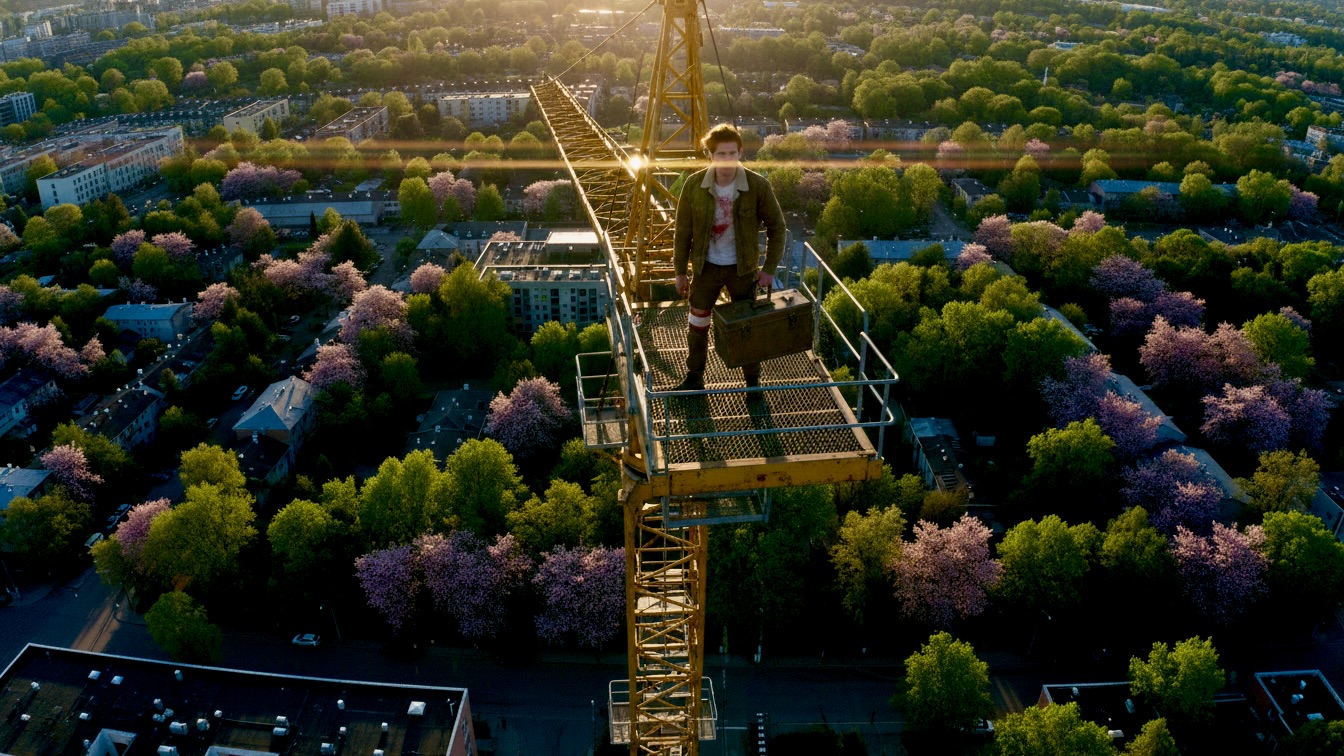
A parkour-loving teenager must outrun corporate drones and scale a massive construction crane to recover an ancient deed that protects his neighborhood from demolition. When he succeeds, he discovers that the deed is merely the first clue in a much larger, state-wide conspiracy.
The episode explores the tension between community heritage and the cold, unyielding nature of corporate gentrification. It highlights the power of the individual to challenge systemic erasure through physical agency and historical preservation.
Beneath the action, it touches on the theme of "hidden legacies," suggesting that the past is never truly gone but buried beneath the surface of our modern lives. It emphasizes that true ownership of a place comes from knowing its history rather than holding a title deed.
If Glenn fails, his community center and the surrounding neighborhood will be razed to make room for luxury high-rises, permanently erasing the history of the families who built it. Personally, Glenn risks physical injury or death while navigating the dangerous, rain-slicked heights of the construction site to outmaneuver security forces.
The primary conflict is the struggle between the grassroots preservationists and the faceless, technologically superior DevCorp, represented by the relentless drones and the weary fixer, Edgewhite. Internally, Glenn battles his own physical limitations—a painful knee injury—and the paralyzing fear of heights as he is pushed to his absolute limit.
Glenn and Sam break into a condemned community center to find a hidden charter that would legally prevent DevCorp from destroying the neighborhood. After a narrow escape from a surveillance drone, they realize the charter points to a cornerstone located at the base of a massive construction crane, forcing Glenn to climb the structure in the middle of a storm.
At the summit, Glenn confronts Edgewhite, a corporate fixer, in a desperate struggle for the document. After saving Edgewhite’s life during their altercation, Glenn secures the charter and returns home to find the neighborhood saved; however, he soon discovers a secret compartment in the brass tube containing a new map and a mysterious iron key.
Glenn is a skilled, impulsive parkour athlete who starts the episode feeling powerless against the city's changes and ends it as a guardian of a larger, hidden history. His arc is one of transformation from a reactive rebel to a purposeful seeker.
Sam serves as the grounded, tech-savvy strategist who provides the necessary intelligence to keep Glenn alive during his runs. She acts as the anchor for Glenn’s recklessness, ensuring their mission remains focused on the long-term goal.
Mr. Edgewhite is a disillusioned corporate cog who begins as a cold antagonist but reveals a shred of humanity when he chooses to let Glenn go after being saved. He represents the "everyman" caught in the gears of a machine he no longer believes in.
The break-in at the community center establishes the atmosphere of decay and the immediate threat of the drones, culminating in the discovery of the brass cylinder. Glenn’s parkour escape across the rooftops serves as the midpoint, showcasing his physical prowess while raising the stakes as he is pursued by multiple drones. The climax occurs on the crane, where a physical struggle for the lockbox leads to a life-or-death rescue, shifting the power dynamic between Glenn and Edgewhite.
The episode begins with a tense, claustrophobic mood, characterized by shadows and the sound of dripping water. As the action moves to the rooftops and the crane, the mood shifts to one of exhilarating, high-altitude vertigo and desperate urgency. The conclusion brings a sense of exhausted triumph, quickly replaced by a lingering, mysterious intrigue as the second quest is revealed.
The season would follow Glenn and Sam as they use the map and key to track down a series of "Vaults" hidden across the state, uncovering a secret history that predates the city’s founding. Each episode would introduce new, more dangerous corporate factions trying to stop them, escalating the mystery from local property disputes to a national conspiracy.
As the series progresses, the duo would evolve from neighborhood activists into a clandestine organization, learning that the "iron roots" of the city are connected to a much larger, potentially supernatural or high-tech secret. Their personal evolution would involve reconciling their civilian lives with their dangerous, secret mission.
The visual style is gritty, urban, and high-contrast, utilizing the "wet-look" of a city in spring to create deep, reflective shadows and sharp neon highlights. The camera work would be fluid and kinetic during parkour sequences, utilizing handheld tracking shots to mirror the athlete's movement, contrasted with static, oppressive wide shots of the massive construction site.
The tone is a blend of Bourne-style espionage and grounded, character-driven adventure, reminiscent of District B13 or Mr. Robot. It avoids overly polished CGI, favoring practical, visceral stunt work that emphasizes the danger of the environment.
The target audience is young adults (16-30) who enjoy urban exploration, high-stakes thrillers, and stories about grassroots rebellion. It is designed for streaming platforms that cater to viewers who appreciate fast-paced, visually dynamic storytelling with a sense of mystery.
The pacing is designed to be relentless, starting with a slow-burn tension that rapidly accelerates into a series of high-intensity action set-pieces. The 10-12 minute runtime requires a tight structure where every scene serves to either advance the physical chase or deepen the mystery, leaving no room for filler.
The production should prioritize practical stunts and on-location filming in industrial or brutalist urban settings to maintain a grounded, authentic aesthetic. The drone sequences should be handled with a mix of real drone footage and subtle, realistic VFX to maintain the sense of a pervasive, inescapable surveillance presence.
The crane sequence, while dangerous, can be achieved through a combination of high-quality set builds for the deck and green-screen work for the extreme heights. Lighting is critical; the use of harsh, cold white spotlights against the dark, rainy city backdrop will be the primary visual device for building tension.


