Format: Short Film / Anthology Episode | Est. Length: 10-12 minutes
This episode serves as a standalone entry in a gritty, dystopian anthology series titled The Grid, which explores the decaying infrastructure of a fractured society governed by algorithmic cruelty. Each episode focuses on a different "cog" in the State machine—from checkpoint guards to data-scrubbers—revealing how small, isolated acts of defiance ripple through a collapsing world. The overarching narrative arc tracks the slow, inevitable erosion of the State’s absolute control as individual citizens begin to recognize the systemic rot behind their daily survival.
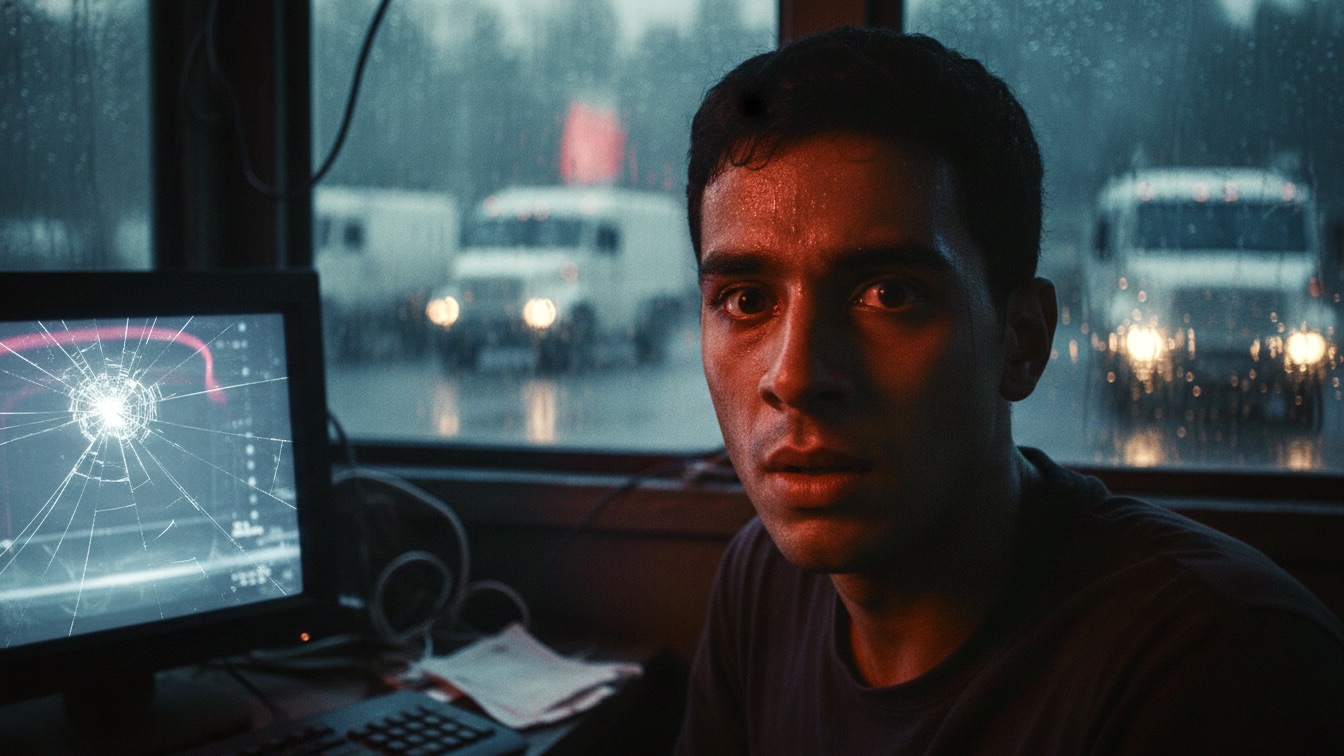
During a graveyard shift at a desolate, rain-slicked checkpoint, a low-level guard named Tariq is confronted by a frantic woman who triggers a "Zero-Out" protocol on his terminal. As the system flashes a lethal crimson warning, Tariq realizes that allowing her passage will result in the immediate erasure of his entire family.
A cynical checkpoint guard must choose between his family’s survival and the potential cure for a state-engineered plague when a high-value fugitive arrives at his gate. He has five minutes to bypass a lethal lockdown before an elite kill squad arrives to execute them both.
The episode explores the crushing weight of bureaucratic morality, where survival is often predicated on the dehumanization of others. It examines the tension between personal preservation and the collective good, questioning whether a single, insignificant life can truly alter the trajectory of an oppressive regime.
Secondary themes include the weaponization of technology and the psychological toll of living under constant surveillance. The story highlights the "Rust" as a metaphor for the slow, systemic decay of the human spirit when faced with an inescapable, manufactured reality.
Tariq’s life and the lives of his mother and brother are at immediate risk; if he aids the fugitive, the State will trigger a "Zero-Out," seizing his assets and cutting off the medical suppressants keeping his brother alive. Conversely, if he turns her away, he condemns thousands to death by the state-controlled plague, forcing him to decide if his family’s safety is worth the cost of his humanity.
The primary conflict is internal, pitting Tariq’s survival instinct against his burgeoning moral awakening. Externally, he faces the relentless, clockwork efficiency of the State Security (Sec-Ops) apparatus, represented by the encroaching armored pursuit units and the cold, unyielding logic of the checkpoint's automated security protocols.
Tariq, a weary guard at Checkpoint Delta, is startled when a woman named Sarah arrives, desperate to cross into the inner zone. When her ID triggers a "Priority One" treason alert, Tariq realizes that helping her will lead to his family’s execution, yet Sarah reveals she carries the source code for "The Rust," a biological weapon used by the State to cull the population.
As Sec-Ops units close in, Tariq is forced to make a split-second decision. He uses his knowledge of the checkpoint's legacy code to spoof a medical emergency, overriding the lockdown and allowing Sarah to escape into the slums with the cure. The episode concludes with Tariq bracing for the arrival of the kill squad, knowing he has committed an act of treason that will likely result in his own erasure.
Tariq: A pragmatic, exhausted survivor who has spent years perfecting the art of being invisible to the State. His arc shifts from a state of fearful compliance to a moment of radical, self-sacrificial defiance as he realizes his survival is a lie.
Sarah: A desperate, high-stakes whistleblower from the Genesis Labs who carries the moral weight of the cure. She is defined by her frantic, raw panic at the start and a hardened, dangerous resolve by the time she confronts Tariq.
The episode opens with the oppressive atmosphere of the graveyard shift, establishing Tariq’s exhaustion and his brother’s illness as the primary drivers of his compliance. The tension spikes when Sarah arrives, forcing a confrontation that moves from verbal sparring to a life-or-death standoff as the red "Zero-Out" warning changes the stakes of the room.
The midpoint occurs when Sarah reveals the truth about the Rust, shifting the conflict from a simple fugitive situation to a moral imperative that forces Tariq to look at his own brother's suffering. The climax follows as Tariq engages in a frantic, high-speed hack of the checkpoint’s legacy systems while the roar of approaching armored trucks signals the literal and metaphorical closing of his window of opportunity.
The final beat sees Tariq successfully overriding the gate and Sarah’s escape, leaving him alone in the booth to face the consequences of his actions. He attempts to reset the system to hide his tracks, but as the Sec-Ops commander arrives, Tariq accepts his fate, finally finding a grim, terrifying peace in his decision.
The episode begins with a mood of stagnant, grey despair, characterized by the hum of machinery and the smell of rot. As the conflict escalates, the mood shifts to high-octane, claustrophobic anxiety, culminating in a final state of cold, sharp clarity. The audience experiences a trajectory from empathy for a trapped protagonist to a sense of harrowing, triumphant tragedy.
If expanded, the series would follow the ripple effects of the "Neutralization Protocol" as it spreads through the underground networks of the slums. Each episode would highlight a different sector of the city, showing how the cure begins to undermine the State’s ability to control the population through fear and biological warfare.
Character-wise, the season would track the emergence of a resistance movement sparked by Tariq’s initial act of sabotage. The overarching narrative would move from isolated, individual acts of rebellion to a coordinated, city-wide uprising that threatens to dismantle the State’s infrastructure from the inside out.
The visual style is defined by a "low-tech, high-pressure" aesthetic, utilizing a palette of cold, sickly greens and harsh, warning-sign oranges. The camera work should be handheld and claustrophobic within the booth, contrasting with the wide, intimidating shots of the armored trucks and the vast, dark expanse of the outer slums.
The tone is reminiscent of Children of Men and Blade Runner, blending gritty realism with a cold, technological dread. The sound design is a crucial element, emphasizing the rhythmic, maddening sounds of the booth—the heater, the hum of the fence, and the heartbeat-like pulse of the terminal—to build relentless tension.
The target audience is adults aged 18-45 who enjoy high-concept, character-driven science fiction with strong social commentary. It is designed for viewers who appreciate slow-burn tension, moral ambiguity, and the "everyman against the system" narrative trope.
The pacing starts deliberately slow to establish the monotony of the graveyard shift, then accelerates rapidly once the "Zero-Out" protocol is triggered. The final five minutes should feel like a frantic, real-time race against the clock, utilizing rapid cuts and overlapping audio to heighten the viewer's sense of urgency.
The primary production challenge is the limited setting; the booth must feel like a character itself, with its cramped, decaying interior reflecting Tariq’s psychological state. Practical lighting is essential, particularly the shifting color temperatures of the terminal screens, which should serve as the primary light source for the protagonist’s face during the climax.
Special effects should be kept minimal and grounded, focusing on the tactile, mechanical nature of the checkpoint—the heavy iron, the rusted levers, and the dated, flickering monitors. The focus should remain on the actor’s performance and the claustrophobic interaction with the interface, ensuring the stakes remain human and immediate rather than purely spectacle-driven.


