You’ve seen it, probably. That mural on the side of the old community center, maybe a little faded now, a bit chipped at the edges. Or the odd, brightly painted birdhouse, leaning slightly, perched on a post in a neighborhood park. Most of us walk right past these things without a second thought. Just another piece of the urban furniture, blending into the backdrop of our busy days. But what invisible architecture holds such a thing together, long after the paint dries or the last nail is hammered?
It’s a strange question, maybe. Because the actual physical stuff—the plywood, the cement, the tubes of acrylic—that’s easy to see. What’s harder to spot is the tangle of human effort that went into it. Imagine a dozen people, or twenty, or fifty, all with different ideas about what a mural should look like. Someone wants bold, primary colors. Someone else prefers pastels. A volunteer thinks the main subject should be a soaring eagle, while another insists on local flora. It’s a messy process, a slow, often frustrating dance of opinions clashing and bending.
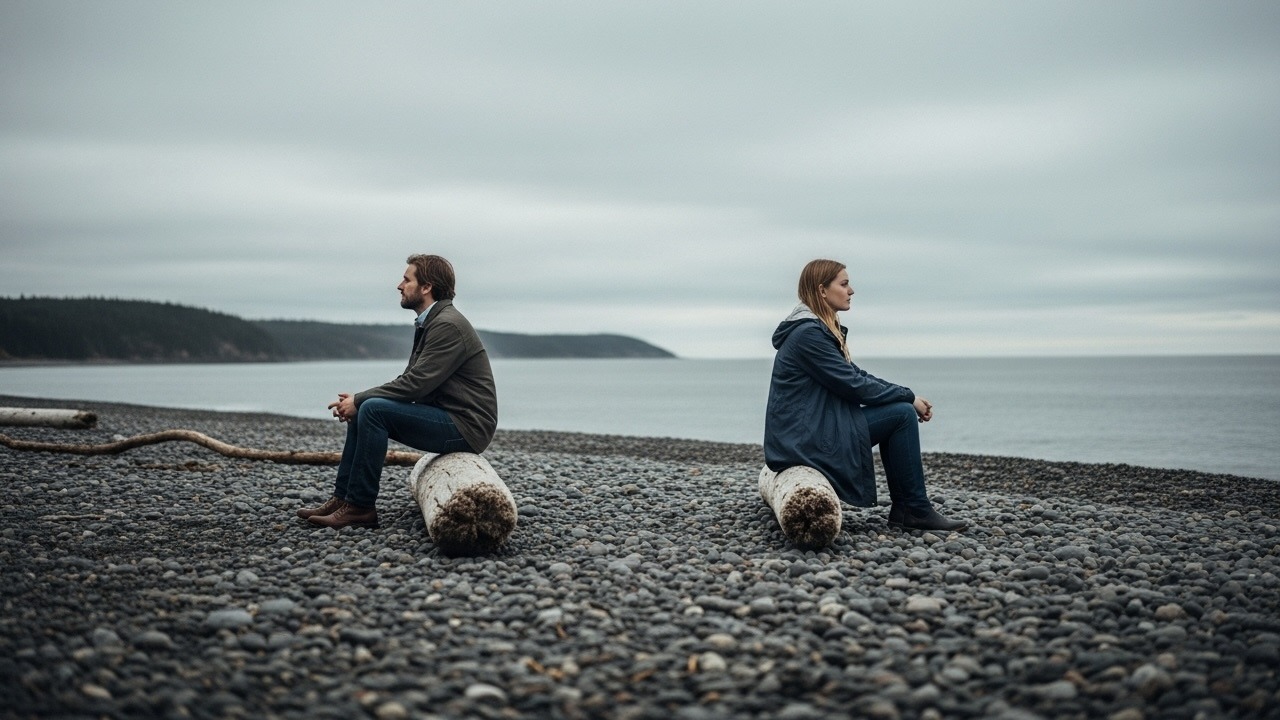
There are arguments, of course. Moments when a design feels stuck, bogged down in disagreements over details, over who gets to hold the brush, or whose idea feels “right.” The vision blurs, the energy sags. It’s never a smooth glide from concept to finished piece. It’s a series of stops and starts, of compromises whispered over lukewarm coffee, of hands aching from sanding and painting, all while trying to keep a shared dream from unraveling.
But in that very messiness, something else begins to take shape. Something far more resilient than paint or plaster. It’s in the way someone who usually dominates a conversation learns to pause, to actually listen to a quieter voice. That’s communication, not as a skill taught in a seminar, but as a practiced art, lived out on a dusty street corner as brushes are passed around.
It shows up in the bending, the giving ground on a preferred color or shape, finding a middle way that satisfies enough people to keep moving forward. That’s compromise, the deep understanding that getting part of what you want, and letting others get part of what they want, is often the only path to a shared outcome. And it’s there in the quiet nod of acknowledgment for an idea that wasn’t yours, or the patient guidance offered to a novice hand. This is mutual respect, the recognition that every single person’s effort, no matter how small or seemingly insignificant, contributes to the whole.
These aren’t lessons from a textbook. They’re built into the very act of trying to make something together. They’re absorbed through the skin, learned in the give and take of a shared workshop, hammered out in the slow rhythm of collective creation. These are the skills that emerge, not just as a byproduct, but as the very foundation upon which the art itself is constructed.
And these small, hard-won abilities—to talk through differences, to find common ground, to honor each other’s presence—they stretch far beyond the finished mural or the birdhouse. They’re the same skills that underpin a functioning neighborhood association, a school board meeting, or any group of people trying to make decisions for their shared future. Community art projects, in their messy, beautiful way, become tiny, vibrant classrooms for democracy itself.
They remind us that truly great things often emerge not from the singular vision of one genius, but from the combined, often difficult, but ultimately enriching effort that no single person could ever achieve alone. In the shared creation of beauty, we quietly forge the blueprint for a better world.
Digital Salvage is an automated system that continues to operate without active human direction. We encourage you to continue exploring other material within the archive.