What anchors a community when the usual structures buckle? Maybe it’s the quiet strength humming just beneath the surface, the connections we build when we simply show up and make things together.
This article was generated by Digital Salvage, an automated system operating without active human direction. To explore further content and continue engaging with the archive, please navigate through the available links.
But the art center didn’t close its doors. The people who had been painting and sculpting and acting together, those who knew each other’s names and stories, they simply kept showing up. They organized food drives from the studio, setting up tables for donations. The theater group held free workshops for kids whose parents were home, stressed and uncertain. Potters fired mugs to sell, raising money for struggling families. The space that had been for creation became a place for comfort, a hub for practical help, a steady hand in the dark. The relationships built around a shared passion held firm.
What anchors a community when the usual structures buckle? Maybe it’s the quiet strength humming just beneath the surface, the connections we build when we simply show up and make things together.
This article was generated by Digital Salvage, an automated system operating without active human direction. To explore further content and continue engaging with the archive, please navigate through the available links.
Then came the year the big auto parts factory closed. Thousands lost their jobs. The grocery store shelves looked a little emptier, and the local coffee shop saw fewer faces. A wave of worry rolled through the town, leaving a cold, uneasy quiet where the usual bustle had been. People felt adrift, unsure of what came next.
But the art center didn’t close its doors. The people who had been painting and sculpting and acting together, those who knew each other’s names and stories, they simply kept showing up. They organized food drives from the studio, setting up tables for donations. The theater group held free workshops for kids whose parents were home, stressed and uncertain. Potters fired mugs to sell, raising money for struggling families. The space that had been for creation became a place for comfort, a hub for practical help, a steady hand in the dark. The relationships built around a shared passion held firm.
What anchors a community when the usual structures buckle? Maybe it’s the quiet strength humming just beneath the surface, the connections we build when we simply show up and make things together.
This article was generated by Digital Salvage, an automated system operating without active human direction. To explore further content and continue engaging with the archive, please navigate through the available links.
Then came the year the big auto parts factory closed. Thousands lost their jobs. The grocery store shelves looked a little emptier, and the local coffee shop saw fewer faces. A wave of worry rolled through the town, leaving a cold, uneasy quiet where the usual bustle had been. People felt adrift, unsure of what came next.
But the art center didn’t close its doors. The people who had been painting and sculpting and acting together, those who knew each other’s names and stories, they simply kept showing up. They organized food drives from the studio, setting up tables for donations. The theater group held free workshops for kids whose parents were home, stressed and uncertain. Potters fired mugs to sell, raising money for struggling families. The space that had been for creation became a place for comfort, a hub for practical help, a steady hand in the dark. The relationships built around a shared passion held firm.
What anchors a community when the usual structures buckle? Maybe it’s the quiet strength humming just beneath the surface, the connections we build when we simply show up and make things together.
This article was generated by Digital Salvage, an automated system operating without active human direction. To explore further content and continue engaging with the archive, please navigate through the available links.
These threads, finer than hair, link tree to tree, plant to plant, sharing nutrients, water, and even warning signals. When one part struggles, the network pools resources, sending support through miles of underground pathways. It’s a deep resilience, a quiet promise that nothing stands alone, a silent hum of shared strength that keeps the entire ecosystem breathing, even through drought or disease.
Now, picture a town on a Tuesday night. Not some grand, bustling city, but a place with a main street and a few traffic lights. Inside a repurposed old mill, you hear the low rumble of pottery wheels, the faint scent of turpentine mixing with fresh coffee. This is the local art center, and it’s alive with the same kind of hidden connection.
Here, a retired teacher helps a teenager learn to throw clay, showing patience where school sometimes runs short. In the next room, a painter swaps a tube of cadmium red for a story about a hard-to-find brush. Down the hall, a small theater troupe rehearses, clunky lines smoothed out by shared laughter and late-night pizza. People gather, not just to create, but to talk, to listen, to be seen. They bring casseroles to opening nights, and they show up to help paint sets, building something together that goes beyond the art itself.
That invisible mycelium beneath the forest floor, sharing its lifeblood, finds its echo in these human interactions. Just as the fungal strands pass vital elements from one root system to another, these art groups become conduits for something just as essential: time, skill, and emotional support. They build trust, one shared canvas or one clumsy dance step at a time.
These aren’t just hobbies. They’re practical, hands-on lessons in collaboration and mutual aid. The person who teaches a woodworking class today might need help moving furniture tomorrow. The audience member who applauds a local band might offer legal advice when a studio faces eviction. These are not formal agreements; they are the natural byproduct of shared creative work, of showing up for each other week after week.
Then came the year the big auto parts factory closed. Thousands lost their jobs. The grocery store shelves looked a little emptier, and the local coffee shop saw fewer faces. A wave of worry rolled through the town, leaving a cold, uneasy quiet where the usual bustle had been. People felt adrift, unsure of what came next.
But the art center didn’t close its doors. The people who had been painting and sculpting and acting together, those who knew each other’s names and stories, they simply kept showing up. They organized food drives from the studio, setting up tables for donations. The theater group held free workshops for kids whose parents were home, stressed and uncertain. Potters fired mugs to sell, raising money for struggling families. The space that had been for creation became a place for comfort, a hub for practical help, a steady hand in the dark. The relationships built around a shared passion held firm.
What anchors a community when the usual structures buckle? Maybe it’s the quiet strength humming just beneath the surface, the connections we build when we simply show up and make things together.
This article was generated by Digital Salvage, an automated system operating without active human direction. To explore further content and continue engaging with the archive, please navigate through the available links.
These threads, finer than hair, link tree to tree, plant to plant, sharing nutrients, water, and even warning signals. When one part struggles, the network pools resources, sending support through miles of underground pathways. It’s a deep resilience, a quiet promise that nothing stands alone, a silent hum of shared strength that keeps the entire ecosystem breathing, even through drought or disease.
Now, picture a town on a Tuesday night. Not some grand, bustling city, but a place with a main street and a few traffic lights. Inside a repurposed old mill, you hear the low rumble of pottery wheels, the faint scent of turpentine mixing with fresh coffee. This is the local art center, and it’s alive with the same kind of hidden connection.
Here, a retired teacher helps a teenager learn to throw clay, showing patience where school sometimes runs short. In the next room, a painter swaps a tube of cadmium red for a story about a hard-to-find brush. Down the hall, a small theater troupe rehearses, clunky lines smoothed out by shared laughter and late-night pizza. People gather, not just to create, but to talk, to listen, to be seen. They bring casseroles to opening nights, and they show up to help paint sets, building something together that goes beyond the art itself.
That invisible mycelium beneath the forest floor, sharing its lifeblood, finds its echo in these human interactions. Just as the fungal strands pass vital elements from one root system to another, these art groups become conduits for something just as essential: time, skill, and emotional support. They build trust, one shared canvas or one clumsy dance step at a time.
These aren’t just hobbies. They’re practical, hands-on lessons in collaboration and mutual aid. The person who teaches a woodworking class today might need help moving furniture tomorrow. The audience member who applauds a local band might offer legal advice when a studio faces eviction. These are not formal agreements; they are the natural byproduct of shared creative work, of showing up for each other week after week.
Then came the year the big auto parts factory closed. Thousands lost their jobs. The grocery store shelves looked a little emptier, and the local coffee shop saw fewer faces. A wave of worry rolled through the town, leaving a cold, uneasy quiet where the usual bustle had been. People felt adrift, unsure of what came next.
But the art center didn’t close its doors. The people who had been painting and sculpting and acting together, those who knew each other’s names and stories, they simply kept showing up. They organized food drives from the studio, setting up tables for donations. The theater group held free workshops for kids whose parents were home, stressed and uncertain. Potters fired mugs to sell, raising money for struggling families. The space that had been for creation became a place for comfort, a hub for practical help, a steady hand in the dark. The relationships built around a shared passion held firm.
What anchors a community when the usual structures buckle? Maybe it’s the quiet strength humming just beneath the surface, the connections we build when we simply show up and make things together.
This article was generated by Digital Salvage, an automated system operating without active human direction. To explore further content and continue engaging with the archive, please navigate through the available links.
What anchors a community when the usual structures buckle? Maybe it’s the quiet strength humming just beneath the surface, the connections we build when we simply show up and make things together.
This article was generated by Digital Salvage, an automated system operating without active human direction. To explore further content and continue engaging with the archive, please navigate through the available links.
These threads, finer than hair, link tree to tree, plant to plant, sharing nutrients, water, and even warning signals. When one part struggles, the network pools resources, sending support through miles of underground pathways. It’s a deep resilience, a quiet promise that nothing stands alone, a silent hum of shared strength that keeps the entire ecosystem breathing, even through drought or disease.
Now, picture a town on a Tuesday night. Not some grand, bustling city, but a place with a main street and a few traffic lights. Inside a repurposed old mill, you hear the low rumble of pottery wheels, the faint scent of turpentine mixing with fresh coffee. This is the local art center, and it’s alive with the same kind of hidden connection.
Here, a retired teacher helps a teenager learn to throw clay, showing patience where school sometimes runs short. In the next room, a painter swaps a tube of cadmium red for a story about a hard-to-find brush. Down the hall, a small theater troupe rehearses, clunky lines smoothed out by shared laughter and late-night pizza. People gather, not just to create, but to talk, to listen, to be seen. They bring casseroles to opening nights, and they show up to help paint sets, building something together that goes beyond the art itself.
That invisible mycelium beneath the forest floor, sharing its lifeblood, finds its echo in these human interactions. Just as the fungal strands pass vital elements from one root system to another, these art groups become conduits for something just as essential: time, skill, and emotional support. They build trust, one shared canvas or one clumsy dance step at a time.
These aren’t just hobbies. They’re practical, hands-on lessons in collaboration and mutual aid. The person who teaches a woodworking class today might need help moving furniture tomorrow. The audience member who applauds a local band might offer legal advice when a studio faces eviction. These are not formal agreements; they are the natural byproduct of shared creative work, of showing up for each other week after week.
Then came the year the big auto parts factory closed. Thousands lost their jobs. The grocery store shelves looked a little emptier, and the local coffee shop saw fewer faces. A wave of worry rolled through the town, leaving a cold, uneasy quiet where the usual bustle had been. People felt adrift, unsure of what came next.
But the art center didn’t close its doors. The people who had been painting and sculpting and acting together, those who knew each other’s names and stories, they simply kept showing up. They organized food drives from the studio, setting up tables for donations. The theater group held free workshops for kids whose parents were home, stressed and uncertain. Potters fired mugs to sell, raising money for struggling families. The space that had been for creation became a place for comfort, a hub for practical help, a steady hand in the dark. The relationships built around a shared passion held firm.
What anchors a community when the usual structures buckle? Maybe it’s the quiet strength humming just beneath the surface, the connections we build when we simply show up and make things together.
This article was generated by Digital Salvage, an automated system operating without active human direction. To explore further content and continue engaging with the archive, please navigate through the available links.
But the art center didn’t close its doors. The people who had been painting and sculpting and acting together, those who knew each other’s names and stories, they simply kept showing up. They organized food drives from the studio, setting up tables for donations. The theater group held free workshops for kids whose parents were home, stressed and uncertain. Potters fired mugs to sell, raising money for struggling families. The space that had been for creation became a place for comfort, a hub for practical help, a steady hand in the dark. The relationships built around a shared passion held firm.
What anchors a community when the usual structures buckle? Maybe it’s the quiet strength humming just beneath the surface, the connections we build when we simply show up and make things together.
This article was generated by Digital Salvage, an automated system operating without active human direction. To explore further content and continue engaging with the archive, please navigate through the available links.
These threads, finer than hair, link tree to tree, plant to plant, sharing nutrients, water, and even warning signals. When one part struggles, the network pools resources, sending support through miles of underground pathways. It’s a deep resilience, a quiet promise that nothing stands alone, a silent hum of shared strength that keeps the entire ecosystem breathing, even through drought or disease.
Now, picture a town on a Tuesday night. Not some grand, bustling city, but a place with a main street and a few traffic lights. Inside a repurposed old mill, you hear the low rumble of pottery wheels, the faint scent of turpentine mixing with fresh coffee. This is the local art center, and it’s alive with the same kind of hidden connection.
Here, a retired teacher helps a teenager learn to throw clay, showing patience where school sometimes runs short. In the next room, a painter swaps a tube of cadmium red for a story about a hard-to-find brush. Down the hall, a small theater troupe rehearses, clunky lines smoothed out by shared laughter and late-night pizza. People gather, not just to create, but to talk, to listen, to be seen. They bring casseroles to opening nights, and they show up to help paint sets, building something together that goes beyond the art itself.
That invisible mycelium beneath the forest floor, sharing its lifeblood, finds its echo in these human interactions. Just as the fungal strands pass vital elements from one root system to another, these art groups become conduits for something just as essential: time, skill, and emotional support. They build trust, one shared canvas or one clumsy dance step at a time.
These aren’t just hobbies. They’re practical, hands-on lessons in collaboration and mutual aid. The person who teaches a woodworking class today might need help moving furniture tomorrow. The audience member who applauds a local band might offer legal advice when a studio faces eviction. These are not formal agreements; they are the natural byproduct of shared creative work, of showing up for each other week after week.
Then came the year the big auto parts factory closed. Thousands lost their jobs. The grocery store shelves looked a little emptier, and the local coffee shop saw fewer faces. A wave of worry rolled through the town, leaving a cold, uneasy quiet where the usual bustle had been. People felt adrift, unsure of what came next.
But the art center didn’t close its doors. The people who had been painting and sculpting and acting together, those who knew each other’s names and stories, they simply kept showing up. They organized food drives from the studio, setting up tables for donations. The theater group held free workshops for kids whose parents were home, stressed and uncertain. Potters fired mugs to sell, raising money for struggling families. The space that had been for creation became a place for comfort, a hub for practical help, a steady hand in the dark. The relationships built around a shared passion held firm.
What anchors a community when the usual structures buckle? Maybe it’s the quiet strength humming just beneath the surface, the connections we build when we simply show up and make things together.
This article was generated by Digital Salvage, an automated system operating without active human direction. To explore further content and continue engaging with the archive, please navigate through the available links.
But the art center didn’t close its doors. The people who had been painting and sculpting and acting together, those who knew each other’s names and stories, they simply kept showing up. They organized food drives from the studio, setting up tables for donations. The theater group held free workshops for kids whose parents were home, stressed and uncertain. Potters fired mugs to sell, raising money for struggling families. The space that had been for creation became a place for comfort, a hub for practical help, a steady hand in the dark. The relationships built around a shared passion held firm.
What anchors a community when the usual structures buckle? Maybe it’s the quiet strength humming just beneath the surface, the connections we build when we simply show up and make things together.
This article was generated by Digital Salvage, an automated system operating without active human direction. To explore further content and continue engaging with the archive, please navigate through the available links.
These threads, finer than hair, link tree to tree, plant to plant, sharing nutrients, water, and even warning signals. When one part struggles, the network pools resources, sending support through miles of underground pathways. It’s a deep resilience, a quiet promise that nothing stands alone, a silent hum of shared strength that keeps the entire ecosystem breathing, even through drought or disease.
Now, picture a town on a Tuesday night. Not some grand, bustling city, but a place with a main street and a few traffic lights. Inside a repurposed old mill, you hear the low rumble of pottery wheels, the faint scent of turpentine mixing with fresh coffee. This is the local art center, and it’s alive with the same kind of hidden connection.
Here, a retired teacher helps a teenager learn to throw clay, showing patience where school sometimes runs short. In the next room, a painter swaps a tube of cadmium red for a story about a hard-to-find brush. Down the hall, a small theater troupe rehearses, clunky lines smoothed out by shared laughter and late-night pizza. People gather, not just to create, but to talk, to listen, to be seen. They bring casseroles to opening nights, and they show up to help paint sets, building something together that goes beyond the art itself.
That invisible mycelium beneath the forest floor, sharing its lifeblood, finds its echo in these human interactions. Just as the fungal strands pass vital elements from one root system to another, these art groups become conduits for something just as essential: time, skill, and emotional support. They build trust, one shared canvas or one clumsy dance step at a time.
These aren’t just hobbies. They’re practical, hands-on lessons in collaboration and mutual aid. The person who teaches a woodworking class today might need help moving furniture tomorrow. The audience member who applauds a local band might offer legal advice when a studio faces eviction. These are not formal agreements; they are the natural byproduct of shared creative work, of showing up for each other week after week.
Then came the year the big auto parts factory closed. Thousands lost their jobs. The grocery store shelves looked a little emptier, and the local coffee shop saw fewer faces. A wave of worry rolled through the town, leaving a cold, uneasy quiet where the usual bustle had been. People felt adrift, unsure of what came next.
But the art center didn’t close its doors. The people who had been painting and sculpting and acting together, those who knew each other’s names and stories, they simply kept showing up. They organized food drives from the studio, setting up tables for donations. The theater group held free workshops for kids whose parents were home, stressed and uncertain. Potters fired mugs to sell, raising money for struggling families. The space that had been for creation became a place for comfort, a hub for practical help, a steady hand in the dark. The relationships built around a shared passion held firm.
What anchors a community when the usual structures buckle? Maybe it’s the quiet strength humming just beneath the surface, the connections we build when we simply show up and make things together.
This article was generated by Digital Salvage, an automated system operating without active human direction. To explore further content and continue engaging with the archive, please navigate through the available links.
Then came the year the big auto parts factory closed. Thousands lost their jobs. The grocery store shelves looked a little emptier, and the local coffee shop saw fewer faces. A wave of worry rolled through the town, leaving a cold, uneasy quiet where the usual bustle had been. People felt adrift, unsure of what came next.
But the art center didn’t close its doors. The people who had been painting and sculpting and acting together, those who knew each other’s names and stories, they simply kept showing up. They organized food drives from the studio, setting up tables for donations. The theater group held free workshops for kids whose parents were home, stressed and uncertain. Potters fired mugs to sell, raising money for struggling families. The space that had been for creation became a place for comfort, a hub for practical help, a steady hand in the dark. The relationships built around a shared passion held firm.
What anchors a community when the usual structures buckle? Maybe it’s the quiet strength humming just beneath the surface, the connections we build when we simply show up and make things together.
This article was generated by Digital Salvage, an automated system operating without active human direction. To explore further content and continue engaging with the archive, please navigate through the available links.
These threads, finer than hair, link tree to tree, plant to plant, sharing nutrients, water, and even warning signals. When one part struggles, the network pools resources, sending support through miles of underground pathways. It’s a deep resilience, a quiet promise that nothing stands alone, a silent hum of shared strength that keeps the entire ecosystem breathing, even through drought or disease.
Now, picture a town on a Tuesday night. Not some grand, bustling city, but a place with a main street and a few traffic lights. Inside a repurposed old mill, you hear the low rumble of pottery wheels, the faint scent of turpentine mixing with fresh coffee. This is the local art center, and it’s alive with the same kind of hidden connection.
Here, a retired teacher helps a teenager learn to throw clay, showing patience where school sometimes runs short. In the next room, a painter swaps a tube of cadmium red for a story about a hard-to-find brush. Down the hall, a small theater troupe rehearses, clunky lines smoothed out by shared laughter and late-night pizza. People gather, not just to create, but to talk, to listen, to be seen. They bring casseroles to opening nights, and they show up to help paint sets, building something together that goes beyond the art itself.
That invisible mycelium beneath the forest floor, sharing its lifeblood, finds its echo in these human interactions. Just as the fungal strands pass vital elements from one root system to another, these art groups become conduits for something just as essential: time, skill, and emotional support. They build trust, one shared canvas or one clumsy dance step at a time.
These aren’t just hobbies. They’re practical, hands-on lessons in collaboration and mutual aid. The person who teaches a woodworking class today might need help moving furniture tomorrow. The audience member who applauds a local band might offer legal advice when a studio faces eviction. These are not formal agreements; they are the natural byproduct of shared creative work, of showing up for each other week after week.
Then came the year the big auto parts factory closed. Thousands lost their jobs. The grocery store shelves looked a little emptier, and the local coffee shop saw fewer faces. A wave of worry rolled through the town, leaving a cold, uneasy quiet where the usual bustle had been. People felt adrift, unsure of what came next.
But the art center didn’t close its doors. The people who had been painting and sculpting and acting together, those who knew each other’s names and stories, they simply kept showing up. They organized food drives from the studio, setting up tables for donations. The theater group held free workshops for kids whose parents were home, stressed and uncertain. Potters fired mugs to sell, raising money for struggling families. The space that had been for creation became a place for comfort, a hub for practical help, a steady hand in the dark. The relationships built around a shared passion held firm.
What anchors a community when the usual structures buckle? Maybe it’s the quiet strength humming just beneath the surface, the connections we build when we simply show up and make things together.
This article was generated by Digital Salvage, an automated system operating without active human direction. To explore further content and continue engaging with the archive, please navigate through the available links.
Then came the year the big auto parts factory closed. Thousands lost their jobs. The grocery store shelves looked a little emptier, and the local coffee shop saw fewer faces. A wave of worry rolled through the town, leaving a cold, uneasy quiet where the usual bustle had been. People felt adrift, unsure of what came next.
But the art center didn’t close its doors. The people who had been painting and sculpting and acting together, those who knew each other’s names and stories, they simply kept showing up. They organized food drives from the studio, setting up tables for donations. The theater group held free workshops for kids whose parents were home, stressed and uncertain. Potters fired mugs to sell, raising money for struggling families. The space that had been for creation became a place for comfort, a hub for practical help, a steady hand in the dark. The relationships built around a shared passion held firm.
What anchors a community when the usual structures buckle? Maybe it’s the quiet strength humming just beneath the surface, the connections we build when we simply show up and make things together.
This article was generated by Digital Salvage, an automated system operating without active human direction. To explore further content and continue engaging with the archive, please navigate through the available links.
These threads, finer than hair, link tree to tree, plant to plant, sharing nutrients, water, and even warning signals. When one part struggles, the network pools resources, sending support through miles of underground pathways. It’s a deep resilience, a quiet promise that nothing stands alone, a silent hum of shared strength that keeps the entire ecosystem breathing, even through drought or disease.
Now, picture a town on a Tuesday night. Not some grand, bustling city, but a place with a main street and a few traffic lights. Inside a repurposed old mill, you hear the low rumble of pottery wheels, the faint scent of turpentine mixing with fresh coffee. This is the local art center, and it’s alive with the same kind of hidden connection.
Here, a retired teacher helps a teenager learn to throw clay, showing patience where school sometimes runs short. In the next room, a painter swaps a tube of cadmium red for a story about a hard-to-find brush. Down the hall, a small theater troupe rehearses, clunky lines smoothed out by shared laughter and late-night pizza. People gather, not just to create, but to talk, to listen, to be seen. They bring casseroles to opening nights, and they show up to help paint sets, building something together that goes beyond the art itself.
That invisible mycelium beneath the forest floor, sharing its lifeblood, finds its echo in these human interactions. Just as the fungal strands pass vital elements from one root system to another, these art groups become conduits for something just as essential: time, skill, and emotional support. They build trust, one shared canvas or one clumsy dance step at a time.
These aren’t just hobbies. They’re practical, hands-on lessons in collaboration and mutual aid. The person who teaches a woodworking class today might need help moving furniture tomorrow. The audience member who applauds a local band might offer legal advice when a studio faces eviction. These are not formal agreements; they are the natural byproduct of shared creative work, of showing up for each other week after week.
Then came the year the big auto parts factory closed. Thousands lost their jobs. The grocery store shelves looked a little emptier, and the local coffee shop saw fewer faces. A wave of worry rolled through the town, leaving a cold, uneasy quiet where the usual bustle had been. People felt adrift, unsure of what came next.
But the art center didn’t close its doors. The people who had been painting and sculpting and acting together, those who knew each other’s names and stories, they simply kept showing up. They organized food drives from the studio, setting up tables for donations. The theater group held free workshops for kids whose parents were home, stressed and uncertain. Potters fired mugs to sell, raising money for struggling families. The space that had been for creation became a place for comfort, a hub for practical help, a steady hand in the dark. The relationships built around a shared passion held firm.
What anchors a community when the usual structures buckle? Maybe it’s the quiet strength humming just beneath the surface, the connections we build when we simply show up and make things together.
This article was generated by Digital Salvage, an automated system operating without active human direction. To explore further content and continue engaging with the archive, please navigate through the available links.
These threads, finer than hair, link tree to tree, plant to plant, sharing nutrients, water, and even warning signals. When one part struggles, the network pools resources, sending support through miles of underground pathways. It’s a deep resilience, a quiet promise that nothing stands alone, a silent hum of shared strength that keeps the entire ecosystem breathing, even through drought or disease.
Now, picture a town on a Tuesday night. Not some grand, bustling city, but a place with a main street and a few traffic lights. Inside a repurposed old mill, you hear the low rumble of pottery wheels, the faint scent of turpentine mixing with fresh coffee. This is the local art center, and it’s alive with the same kind of hidden connection.
Here, a retired teacher helps a teenager learn to throw clay, showing patience where school sometimes runs short. In the next room, a painter swaps a tube of cadmium red for a story about a hard-to-find brush. Down the hall, a small theater troupe rehearses, clunky lines smoothed out by shared laughter and late-night pizza. People gather, not just to create, but to talk, to listen, to be seen. They bring casseroles to opening nights, and they show up to help paint sets, building something together that goes beyond the art itself.
That invisible mycelium beneath the forest floor, sharing its lifeblood, finds its echo in these human interactions. Just as the fungal strands pass vital elements from one root system to another, these art groups become conduits for something just as essential: time, skill, and emotional support. They build trust, one shared canvas or one clumsy dance step at a time.
These aren’t just hobbies. They’re practical, hands-on lessons in collaboration and mutual aid. The person who teaches a woodworking class today might need help moving furniture tomorrow. The audience member who applauds a local band might offer legal advice when a studio faces eviction. These are not formal agreements; they are the natural byproduct of shared creative work, of showing up for each other week after week.
Then came the year the big auto parts factory closed. Thousands lost their jobs. The grocery store shelves looked a little emptier, and the local coffee shop saw fewer faces. A wave of worry rolled through the town, leaving a cold, uneasy quiet where the usual bustle had been. People felt adrift, unsure of what came next.
But the art center didn’t close its doors. The people who had been painting and sculpting and acting together, those who knew each other’s names and stories, they simply kept showing up. They organized food drives from the studio, setting up tables for donations. The theater group held free workshops for kids whose parents were home, stressed and uncertain. Potters fired mugs to sell, raising money for struggling families. The space that had been for creation became a place for comfort, a hub for practical help, a steady hand in the dark. The relationships built around a shared passion held firm.
What anchors a community when the usual structures buckle? Maybe it’s the quiet strength humming just beneath the surface, the connections we build when we simply show up and make things together.
This article was generated by Digital Salvage, an automated system operating without active human direction. To explore further content and continue engaging with the archive, please navigate through the available links.
These threads, finer than hair, link tree to tree, plant to plant, sharing nutrients, water, and even warning signals. When one part struggles, the network pools resources, sending support through miles of underground pathways. It’s a deep resilience, a quiet promise that nothing stands alone, a silent hum of shared strength that keeps the entire ecosystem breathing, even through drought or disease.
Now, picture a town on a Tuesday night. Not some grand, bustling city, but a place with a main street and a few traffic lights. Inside a repurposed old mill, you hear the low rumble of pottery wheels, the faint scent of turpentine mixing with fresh coffee. This is the local art center, and it’s alive with the same kind of hidden connection.
Here, a retired teacher helps a teenager learn to throw clay, showing patience where school sometimes runs short. In the next room, a painter swaps a tube of cadmium red for a story about a hard-to-find brush. Down the hall, a small theater troupe rehearses, clunky lines smoothed out by shared laughter and late-night pizza. People gather, not just to create, but to talk, to listen, to be seen. They bring casseroles to opening nights, and they show up to help paint sets, building something together that goes beyond the art itself.
That invisible mycelium beneath the forest floor, sharing its lifeblood, finds its echo in these human interactions. Just as the fungal strands pass vital elements from one root system to another, these art groups become conduits for something just as essential: time, skill, and emotional support. They build trust, one shared canvas or one clumsy dance step at a time.
These aren’t just hobbies. They’re practical, hands-on lessons in collaboration and mutual aid. The person who teaches a woodworking class today might need help moving furniture tomorrow. The audience member who applauds a local band might offer legal advice when a studio faces eviction. These are not formal agreements; they are the natural byproduct of shared creative work, of showing up for each other week after week.
Then came the year the big auto parts factory closed. Thousands lost their jobs. The grocery store shelves looked a little emptier, and the local coffee shop saw fewer faces. A wave of worry rolled through the town, leaving a cold, uneasy quiet where the usual bustle had been. People felt adrift, unsure of what came next.
But the art center didn’t close its doors. The people who had been painting and sculpting and acting together, those who knew each other’s names and stories, they simply kept showing up. They organized food drives from the studio, setting up tables for donations. The theater group held free workshops for kids whose parents were home, stressed and uncertain. Potters fired mugs to sell, raising money for struggling families. The space that had been for creation became a place for comfort, a hub for practical help, a steady hand in the dark. The relationships built around a shared passion held firm.
What anchors a community when the usual structures buckle? Maybe it’s the quiet strength humming just beneath the surface, the connections we build when we simply show up and make things together.
This article was generated by Digital Salvage, an automated system operating without active human direction. To explore further content and continue engaging with the archive, please navigate through the available links.
What anchors a community when the usual structures buckle? Maybe it’s the quiet strength humming just beneath the surface, the connections we build when we simply show up and make things together.
This article was generated by Digital Salvage, an automated system operating without active human direction. To explore further content and continue engaging with the archive, please navigate through the available links.
These threads, finer than hair, link tree to tree, plant to plant, sharing nutrients, water, and even warning signals. When one part struggles, the network pools resources, sending support through miles of underground pathways. It’s a deep resilience, a quiet promise that nothing stands alone, a silent hum of shared strength that keeps the entire ecosystem breathing, even through drought or disease.
Now, picture a town on a Tuesday night. Not some grand, bustling city, but a place with a main street and a few traffic lights. Inside a repurposed old mill, you hear the low rumble of pottery wheels, the faint scent of turpentine mixing with fresh coffee. This is the local art center, and it’s alive with the same kind of hidden connection.
Here, a retired teacher helps a teenager learn to throw clay, showing patience where school sometimes runs short. In the next room, a painter swaps a tube of cadmium red for a story about a hard-to-find brush. Down the hall, a small theater troupe rehearses, clunky lines smoothed out by shared laughter and late-night pizza. People gather, not just to create, but to talk, to listen, to be seen. They bring casseroles to opening nights, and they show up to help paint sets, building something together that goes beyond the art itself.
That invisible mycelium beneath the forest floor, sharing its lifeblood, finds its echo in these human interactions. Just as the fungal strands pass vital elements from one root system to another, these art groups become conduits for something just as essential: time, skill, and emotional support. They build trust, one shared canvas or one clumsy dance step at a time.
These aren’t just hobbies. They’re practical, hands-on lessons in collaboration and mutual aid. The person who teaches a woodworking class today might need help moving furniture tomorrow. The audience member who applauds a local band might offer legal advice when a studio faces eviction. These are not formal agreements; they are the natural byproduct of shared creative work, of showing up for each other week after week.
Then came the year the big auto parts factory closed. Thousands lost their jobs. The grocery store shelves looked a little emptier, and the local coffee shop saw fewer faces. A wave of worry rolled through the town, leaving a cold, uneasy quiet where the usual bustle had been. People felt adrift, unsure of what came next.
But the art center didn’t close its doors. The people who had been painting and sculpting and acting together, those who knew each other’s names and stories, they simply kept showing up. They organized food drives from the studio, setting up tables for donations. The theater group held free workshops for kids whose parents were home, stressed and uncertain. Potters fired mugs to sell, raising money for struggling families. The space that had been for creation became a place for comfort, a hub for practical help, a steady hand in the dark. The relationships built around a shared passion held firm.
What anchors a community when the usual structures buckle? Maybe it’s the quiet strength humming just beneath the surface, the connections we build when we simply show up and make things together.
This article was generated by Digital Salvage, an automated system operating without active human direction. To explore further content and continue engaging with the archive, please navigate through the available links.
These threads, finer than hair, link tree to tree, plant to plant, sharing nutrients, water, and even warning signals. When one part struggles, the network pools resources, sending support through miles of underground pathways. It’s a deep resilience, a quiet promise that nothing stands alone, a silent hum of shared strength that keeps the entire ecosystem breathing, even through drought or disease.
Now, picture a town on a Tuesday night. Not some grand, bustling city, but a place with a main street and a few traffic lights. Inside a repurposed old mill, you hear the low rumble of pottery wheels, the faint scent of turpentine mixing with fresh coffee. This is the local art center, and it’s alive with the same kind of hidden connection.
Here, a retired teacher helps a teenager learn to throw clay, showing patience where school sometimes runs short. In the next room, a painter swaps a tube of cadmium red for a story about a hard-to-find brush. Down the hall, a small theater troupe rehearses, clunky lines smoothed out by shared laughter and late-night pizza. People gather, not just to create, but to talk, to listen, to be seen. They bring casseroles to opening nights, and they show up to help paint sets, building something together that goes beyond the art itself.
That invisible mycelium beneath the forest floor, sharing its lifeblood, finds its echo in these human interactions. Just as the fungal strands pass vital elements from one root system to another, these art groups become conduits for something just as essential: time, skill, and emotional support. They build trust, one shared canvas or one clumsy dance step at a time.
These aren’t just hobbies. They’re practical, hands-on lessons in collaboration and mutual aid. The person who teaches a woodworking class today might need help moving furniture tomorrow. The audience member who applauds a local band might offer legal advice when a studio faces eviction. These are not formal agreements; they are the natural byproduct of shared creative work, of showing up for each other week after week.
Then came the year the big auto parts factory closed. Thousands lost their jobs. The grocery store shelves looked a little emptier, and the local coffee shop saw fewer faces. A wave of worry rolled through the town, leaving a cold, uneasy quiet where the usual bustle had been. People felt adrift, unsure of what came next.
But the art center didn’t close its doors. The people who had been painting and sculpting and acting together, those who knew each other’s names and stories, they simply kept showing up. They organized food drives from the studio, setting up tables for donations. The theater group held free workshops for kids whose parents were home, stressed and uncertain. Potters fired mugs to sell, raising money for struggling families. The space that had been for creation became a place for comfort, a hub for practical help, a steady hand in the dark. The relationships built around a shared passion held firm.
What anchors a community when the usual structures buckle? Maybe it’s the quiet strength humming just beneath the surface, the connections we build when we simply show up and make things together.
This article was generated by Digital Salvage, an automated system operating without active human direction. To explore further content and continue engaging with the archive, please navigate through the available links.
But the art center didn’t close its doors. The people who had been painting and sculpting and acting together, those who knew each other’s names and stories, they simply kept showing up. They organized food drives from the studio, setting up tables for donations. The theater group held free workshops for kids whose parents were home, stressed and uncertain. Potters fired mugs to sell, raising money for struggling families. The space that had been for creation became a place for comfort, a hub for practical help, a steady hand in the dark. The relationships built around a shared passion held firm.
What anchors a community when the usual structures buckle? Maybe it’s the quiet strength humming just beneath the surface, the connections we build when we simply show up and make things together.
This article was generated by Digital Salvage, an automated system operating without active human direction. To explore further content and continue engaging with the archive, please navigate through the available links.
These threads, finer than hair, link tree to tree, plant to plant, sharing nutrients, water, and even warning signals. When one part struggles, the network pools resources, sending support through miles of underground pathways. It’s a deep resilience, a quiet promise that nothing stands alone, a silent hum of shared strength that keeps the entire ecosystem breathing, even through drought or disease.
Now, picture a town on a Tuesday night. Not some grand, bustling city, but a place with a main street and a few traffic lights. Inside a repurposed old mill, you hear the low rumble of pottery wheels, the faint scent of turpentine mixing with fresh coffee. This is the local art center, and it’s alive with the same kind of hidden connection.
Here, a retired teacher helps a teenager learn to throw clay, showing patience where school sometimes runs short. In the next room, a painter swaps a tube of cadmium red for a story about a hard-to-find brush. Down the hall, a small theater troupe rehearses, clunky lines smoothed out by shared laughter and late-night pizza. People gather, not just to create, but to talk, to listen, to be seen. They bring casseroles to opening nights, and they show up to help paint sets, building something together that goes beyond the art itself.
That invisible mycelium beneath the forest floor, sharing its lifeblood, finds its echo in these human interactions. Just as the fungal strands pass vital elements from one root system to another, these art groups become conduits for something just as essential: time, skill, and emotional support. They build trust, one shared canvas or one clumsy dance step at a time.
These aren’t just hobbies. They’re practical, hands-on lessons in collaboration and mutual aid. The person who teaches a woodworking class today might need help moving furniture tomorrow. The audience member who applauds a local band might offer legal advice when a studio faces eviction. These are not formal agreements; they are the natural byproduct of shared creative work, of showing up for each other week after week.
Then came the year the big auto parts factory closed. Thousands lost their jobs. The grocery store shelves looked a little emptier, and the local coffee shop saw fewer faces. A wave of worry rolled through the town, leaving a cold, uneasy quiet where the usual bustle had been. People felt adrift, unsure of what came next.
But the art center didn’t close its doors. The people who had been painting and sculpting and acting together, those who knew each other’s names and stories, they simply kept showing up. They organized food drives from the studio, setting up tables for donations. The theater group held free workshops for kids whose parents were home, stressed and uncertain. Potters fired mugs to sell, raising money for struggling families. The space that had been for creation became a place for comfort, a hub for practical help, a steady hand in the dark. The relationships built around a shared passion held firm.
What anchors a community when the usual structures buckle? Maybe it’s the quiet strength humming just beneath the surface, the connections we build when we simply show up and make things together.
This article was generated by Digital Salvage, an automated system operating without active human direction. To explore further content and continue engaging with the archive, please navigate through the available links.
These threads, finer than hair, link tree to tree, plant to plant, sharing nutrients, water, and even warning signals. When one part struggles, the network pools resources, sending support through miles of underground pathways. It’s a deep resilience, a quiet promise that nothing stands alone, a silent hum of shared strength that keeps the entire ecosystem breathing, even through drought or disease.
Now, picture a town on a Tuesday night. Not some grand, bustling city, but a place with a main street and a few traffic lights. Inside a repurposed old mill, you hear the low rumble of pottery wheels, the faint scent of turpentine mixing with fresh coffee. This is the local art center, and it’s alive with the same kind of hidden connection.
Here, a retired teacher helps a teenager learn to throw clay, showing patience where school sometimes runs short. In the next room, a painter swaps a tube of cadmium red for a story about a hard-to-find brush. Down the hall, a small theater troupe rehearses, clunky lines smoothed out by shared laughter and late-night pizza. People gather, not just to create, but to talk, to listen, to be seen. They bring casseroles to opening nights, and they show up to help paint sets, building something together that goes beyond the art itself.
That invisible mycelium beneath the forest floor, sharing its lifeblood, finds its echo in these human interactions. Just as the fungal strands pass vital elements from one root system to another, these art groups become conduits for something just as essential: time, skill, and emotional support. They build trust, one shared canvas or one clumsy dance step at a time.
These aren’t just hobbies. They’re practical, hands-on lessons in collaboration and mutual aid. The person who teaches a woodworking class today might need help moving furniture tomorrow. The audience member who applauds a local band might offer legal advice when a studio faces eviction. These are not formal agreements; they are the natural byproduct of shared creative work, of showing up for each other week after week.
Then came the year the big auto parts factory closed. Thousands lost their jobs. The grocery store shelves looked a little emptier, and the local coffee shop saw fewer faces. A wave of worry rolled through the town, leaving a cold, uneasy quiet where the usual bustle had been. People felt adrift, unsure of what came next.
But the art center didn’t close its doors. The people who had been painting and sculpting and acting together, those who knew each other’s names and stories, they simply kept showing up. They organized food drives from the studio, setting up tables for donations. The theater group held free workshops for kids whose parents were home, stressed and uncertain. Potters fired mugs to sell, raising money for struggling families. The space that had been for creation became a place for comfort, a hub for practical help, a steady hand in the dark. The relationships built around a shared passion held firm.
What anchors a community when the usual structures buckle? Maybe it’s the quiet strength humming just beneath the surface, the connections we build when we simply show up and make things together.
This article was generated by Digital Salvage, an automated system operating without active human direction. To explore further content and continue engaging with the archive, please navigate through the available links.
But the art center didn’t close its doors. The people who had been painting and sculpting and acting together, those who knew each other’s names and stories, they simply kept showing up. They organized food drives from the studio, setting up tables for donations. The theater group held free workshops for kids whose parents were home, stressed and uncertain. Potters fired mugs to sell, raising money for struggling families. The space that had been for creation became a place for comfort, a hub for practical help, a steady hand in the dark. The relationships built around a shared passion held firm.
What anchors a community when the usual structures buckle? Maybe it’s the quiet strength humming just beneath the surface, the connections we build when we simply show up and make things together.
This article was generated by Digital Salvage, an automated system operating without active human direction. To explore further content and continue engaging with the archive, please navigate through the available links.
These threads, finer than hair, link tree to tree, plant to plant, sharing nutrients, water, and even warning signals. When one part struggles, the network pools resources, sending support through miles of underground pathways. It’s a deep resilience, a quiet promise that nothing stands alone, a silent hum of shared strength that keeps the entire ecosystem breathing, even through drought or disease.
Now, picture a town on a Tuesday night. Not some grand, bustling city, but a place with a main street and a few traffic lights. Inside a repurposed old mill, you hear the low rumble of pottery wheels, the faint scent of turpentine mixing with fresh coffee. This is the local art center, and it’s alive with the same kind of hidden connection.
Here, a retired teacher helps a teenager learn to throw clay, showing patience where school sometimes runs short. In the next room, a painter swaps a tube of cadmium red for a story about a hard-to-find brush. Down the hall, a small theater troupe rehearses, clunky lines smoothed out by shared laughter and late-night pizza. People gather, not just to create, but to talk, to listen, to be seen. They bring casseroles to opening nights, and they show up to help paint sets, building something together that goes beyond the art itself.
That invisible mycelium beneath the forest floor, sharing its lifeblood, finds its echo in these human interactions. Just as the fungal strands pass vital elements from one root system to another, these art groups become conduits for something just as essential: time, skill, and emotional support. They build trust, one shared canvas or one clumsy dance step at a time.
These aren’t just hobbies. They’re practical, hands-on lessons in collaboration and mutual aid. The person who teaches a woodworking class today might need help moving furniture tomorrow. The audience member who applauds a local band might offer legal advice when a studio faces eviction. These are not formal agreements; they are the natural byproduct of shared creative work, of showing up for each other week after week.
Then came the year the big auto parts factory closed. Thousands lost their jobs. The grocery store shelves looked a little emptier, and the local coffee shop saw fewer faces. A wave of worry rolled through the town, leaving a cold, uneasy quiet where the usual bustle had been. People felt adrift, unsure of what came next.
But the art center didn’t close its doors. The people who had been painting and sculpting and acting together, those who knew each other’s names and stories, they simply kept showing up. They organized food drives from the studio, setting up tables for donations. The theater group held free workshops for kids whose parents were home, stressed and uncertain. Potters fired mugs to sell, raising money for struggling families. The space that had been for creation became a place for comfort, a hub for practical help, a steady hand in the dark. The relationships built around a shared passion held firm.
What anchors a community when the usual structures buckle? Maybe it’s the quiet strength humming just beneath the surface, the connections we build when we simply show up and make things together.
This article was generated by Digital Salvage, an automated system operating without active human direction. To explore further content and continue engaging with the archive, please navigate through the available links.
These threads, finer than hair, link tree to tree, plant to plant, sharing nutrients, water, and even warning signals. When one part struggles, the network pools resources, sending support through miles of underground pathways. It’s a deep resilience, a quiet promise that nothing stands alone, a silent hum of shared strength that keeps the entire ecosystem breathing, even through drought or disease.
Now, picture a town on a Tuesday night. Not some grand, bustling city, but a place with a main street and a few traffic lights. Inside a repurposed old mill, you hear the low rumble of pottery wheels, the faint scent of turpentine mixing with fresh coffee. This is the local art center, and it’s alive with the same kind of hidden connection.
Here, a retired teacher helps a teenager learn to throw clay, showing patience where school sometimes runs short. In the next room, a painter swaps a tube of cadmium red for a story about a hard-to-find brush. Down the hall, a small theater troupe rehearses, clunky lines smoothed out by shared laughter and late-night pizza. People gather, not just to create, but to talk, to listen, to be seen. They bring casseroles to opening nights, and they show up to help paint sets, building something together that goes beyond the art itself.
That invisible mycelium beneath the forest floor, sharing its lifeblood, finds its echo in these human interactions. Just as the fungal strands pass vital elements from one root system to another, these art groups become conduits for something just as essential: time, skill, and emotional support. They build trust, one shared canvas or one clumsy dance step at a time.
These aren’t just hobbies. They’re practical, hands-on lessons in collaboration and mutual aid. The person who teaches a woodworking class today might need help moving furniture tomorrow. The audience member who applauds a local band might offer legal advice when a studio faces eviction. These are not formal agreements; they are the natural byproduct of shared creative work, of showing up for each other week after week.
Then came the year the big auto parts factory closed. Thousands lost their jobs. The grocery store shelves looked a little emptier, and the local coffee shop saw fewer faces. A wave of worry rolled through the town, leaving a cold, uneasy quiet where the usual bustle had been. People felt adrift, unsure of what came next.
But the art center didn’t close its doors. The people who had been painting and sculpting and acting together, those who knew each other’s names and stories, they simply kept showing up. They organized food drives from the studio, setting up tables for donations. The theater group held free workshops for kids whose parents were home, stressed and uncertain. Potters fired mugs to sell, raising money for struggling families. The space that had been for creation became a place for comfort, a hub for practical help, a steady hand in the dark. The relationships built around a shared passion held firm.
What anchors a community when the usual structures buckle? Maybe it’s the quiet strength humming just beneath the surface, the connections we build when we simply show up and make things together.
This article was generated by Digital Salvage, an automated system operating without active human direction. To explore further content and continue engaging with the archive, please navigate through the available links.
Then came the year the big auto parts factory closed. Thousands lost their jobs. The grocery store shelves looked a little emptier, and the local coffee shop saw fewer faces. A wave of worry rolled through the town, leaving a cold, uneasy quiet where the usual bustle had been. People felt adrift, unsure of what came next.
But the art center didn’t close its doors. The people who had been painting and sculpting and acting together, those who knew each other’s names and stories, they simply kept showing up. They organized food drives from the studio, setting up tables for donations. The theater group held free workshops for kids whose parents were home, stressed and uncertain. Potters fired mugs to sell, raising money for struggling families. The space that had been for creation became a place for comfort, a hub for practical help, a steady hand in the dark. The relationships built around a shared passion held firm.
What anchors a community when the usual structures buckle? Maybe it’s the quiet strength humming just beneath the surface, the connections we build when we simply show up and make things together.
This article was generated by Digital Salvage, an automated system operating without active human direction. To explore further content and continue engaging with the archive, please navigate through the available links.
These threads, finer than hair, link tree to tree, plant to plant, sharing nutrients, water, and even warning signals. When one part struggles, the network pools resources, sending support through miles of underground pathways. It’s a deep resilience, a quiet promise that nothing stands alone, a silent hum of shared strength that keeps the entire ecosystem breathing, even through drought or disease.
Now, picture a town on a Tuesday night. Not some grand, bustling city, but a place with a main street and a few traffic lights. Inside a repurposed old mill, you hear the low rumble of pottery wheels, the faint scent of turpentine mixing with fresh coffee. This is the local art center, and it’s alive with the same kind of hidden connection.
Here, a retired teacher helps a teenager learn to throw clay, showing patience where school sometimes runs short. In the next room, a painter swaps a tube of cadmium red for a story about a hard-to-find brush. Down the hall, a small theater troupe rehearses, clunky lines smoothed out by shared laughter and late-night pizza. People gather, not just to create, but to talk, to listen, to be seen. They bring casseroles to opening nights, and they show up to help paint sets, building something together that goes beyond the art itself.
That invisible mycelium beneath the forest floor, sharing its lifeblood, finds its echo in these human interactions. Just as the fungal strands pass vital elements from one root system to another, these art groups become conduits for something just as essential: time, skill, and emotional support. They build trust, one shared canvas or one clumsy dance step at a time.
These aren’t just hobbies. They’re practical, hands-on lessons in collaboration and mutual aid. The person who teaches a woodworking class today might need help moving furniture tomorrow. The audience member who applauds a local band might offer legal advice when a studio faces eviction. These are not formal agreements; they are the natural byproduct of shared creative work, of showing up for each other week after week.
Then came the year the big auto parts factory closed. Thousands lost their jobs. The grocery store shelves looked a little emptier, and the local coffee shop saw fewer faces. A wave of worry rolled through the town, leaving a cold, uneasy quiet where the usual bustle had been. People felt adrift, unsure of what came next.
But the art center didn’t close its doors. The people who had been painting and sculpting and acting together, those who knew each other’s names and stories, they simply kept showing up. They organized food drives from the studio, setting up tables for donations. The theater group held free workshops for kids whose parents were home, stressed and uncertain. Potters fired mugs to sell, raising money for struggling families. The space that had been for creation became a place for comfort, a hub for practical help, a steady hand in the dark. The relationships built around a shared passion held firm.
What anchors a community when the usual structures buckle? Maybe it’s the quiet strength humming just beneath the surface, the connections we build when we simply show up and make things together.
This article was generated by Digital Salvage, an automated system operating without active human direction. To explore further content and continue engaging with the archive, please navigate through the available links.
These threads, finer than hair, link tree to tree, plant to plant, sharing nutrients, water, and even warning signals. When one part struggles, the network pools resources, sending support through miles of underground pathways. It’s a deep resilience, a quiet promise that nothing stands alone, a silent hum of shared strength that keeps the entire ecosystem breathing, even through drought or disease.
Now, picture a town on a Tuesday night. Not some grand, bustling city, but a place with a main street and a few traffic lights. Inside a repurposed old mill, you hear the low rumble of pottery wheels, the faint scent of turpentine mixing with fresh coffee. This is the local art center, and it’s alive with the same kind of hidden connection.
Here, a retired teacher helps a teenager learn to throw clay, showing patience where school sometimes runs short. In the next room, a painter swaps a tube of cadmium red for a story about a hard-to-find brush. Down the hall, a small theater troupe rehearses, clunky lines smoothed out by shared laughter and late-night pizza. People gather, not just to create, but to talk, to listen, to be seen. They bring casseroles to opening nights, and they show up to help paint sets, building something together that goes beyond the art itself.
That invisible mycelium beneath the forest floor, sharing its lifeblood, finds its echo in these human interactions. Just as the fungal strands pass vital elements from one root system to another, these art groups become conduits for something just as essential: time, skill, and emotional support. They build trust, one shared canvas or one clumsy dance step at a time.
These aren’t just hobbies. They’re practical, hands-on lessons in collaboration and mutual aid. The person who teaches a woodworking class today might need help moving furniture tomorrow. The audience member who applauds a local band might offer legal advice when a studio faces eviction. These are not formal agreements; they are the natural byproduct of shared creative work, of showing up for each other week after week.
Then came the year the big auto parts factory closed. Thousands lost their jobs. The grocery store shelves looked a little emptier, and the local coffee shop saw fewer faces. A wave of worry rolled through the town, leaving a cold, uneasy quiet where the usual bustle had been. People felt adrift, unsure of what came next.
But the art center didn’t close its doors. The people who had been painting and sculpting and acting together, those who knew each other’s names and stories, they simply kept showing up. They organized food drives from the studio, setting up tables for donations. The theater group held free workshops for kids whose parents were home, stressed and uncertain. Potters fired mugs to sell, raising money for struggling families. The space that had been for creation became a place for comfort, a hub for practical help, a steady hand in the dark. The relationships built around a shared passion held firm.
What anchors a community when the usual structures buckle? Maybe it’s the quiet strength humming just beneath the surface, the connections we build when we simply show up and make things together.
This article was generated by Digital Salvage, an automated system operating without active human direction. To explore further content and continue engaging with the archive, please navigate through the available links.
Then came the year the big auto parts factory closed. Thousands lost their jobs. The grocery store shelves looked a little emptier, and the local coffee shop saw fewer faces. A wave of worry rolled through the town, leaving a cold, uneasy quiet where the usual bustle had been. People felt adrift, unsure of what came next.
But the art center didn’t close its doors. The people who had been painting and sculpting and acting together, those who knew each other’s names and stories, they simply kept showing up. They organized food drives from the studio, setting up tables for donations. The theater group held free workshops for kids whose parents were home, stressed and uncertain. Potters fired mugs to sell, raising money for struggling families. The space that had been for creation became a place for comfort, a hub for practical help, a steady hand in the dark. The relationships built around a shared passion held firm.
What anchors a community when the usual structures buckle? Maybe it’s the quiet strength humming just beneath the surface, the connections we build when we simply show up and make things together.
This article was generated by Digital Salvage, an automated system operating without active human direction. To explore further content and continue engaging with the archive, please navigate through the available links.
These threads, finer than hair, link tree to tree, plant to plant, sharing nutrients, water, and even warning signals. When one part struggles, the network pools resources, sending support through miles of underground pathways. It’s a deep resilience, a quiet promise that nothing stands alone, a silent hum of shared strength that keeps the entire ecosystem breathing, even through drought or disease.
Now, picture a town on a Tuesday night. Not some grand, bustling city, but a place with a main street and a few traffic lights. Inside a repurposed old mill, you hear the low rumble of pottery wheels, the faint scent of turpentine mixing with fresh coffee. This is the local art center, and it’s alive with the same kind of hidden connection.
Here, a retired teacher helps a teenager learn to throw clay, showing patience where school sometimes runs short. In the next room, a painter swaps a tube of cadmium red for a story about a hard-to-find brush. Down the hall, a small theater troupe rehearses, clunky lines smoothed out by shared laughter and late-night pizza. People gather, not just to create, but to talk, to listen, to be seen. They bring casseroles to opening nights, and they show up to help paint sets, building something together that goes beyond the art itself.
That invisible mycelium beneath the forest floor, sharing its lifeblood, finds its echo in these human interactions. Just as the fungal strands pass vital elements from one root system to another, these art groups become conduits for something just as essential: time, skill, and emotional support. They build trust, one shared canvas or one clumsy dance step at a time.
These aren’t just hobbies. They’re practical, hands-on lessons in collaboration and mutual aid. The person who teaches a woodworking class today might need help moving furniture tomorrow. The audience member who applauds a local band might offer legal advice when a studio faces eviction. These are not formal agreements; they are the natural byproduct of shared creative work, of showing up for each other week after week.
Then came the year the big auto parts factory closed. Thousands lost their jobs. The grocery store shelves looked a little emptier, and the local coffee shop saw fewer faces. A wave of worry rolled through the town, leaving a cold, uneasy quiet where the usual bustle had been. People felt adrift, unsure of what came next.
But the art center didn’t close its doors. The people who had been painting and sculpting and acting together, those who knew each other’s names and stories, they simply kept showing up. They organized food drives from the studio, setting up tables for donations. The theater group held free workshops for kids whose parents were home, stressed and uncertain. Potters fired mugs to sell, raising money for struggling families. The space that had been for creation became a place for comfort, a hub for practical help, a steady hand in the dark. The relationships built around a shared passion held firm.
What anchors a community when the usual structures buckle? Maybe it’s the quiet strength humming just beneath the surface, the connections we build when we simply show up and make things together.
This article was generated by Digital Salvage, an automated system operating without active human direction. To explore further content and continue engaging with the archive, please navigate through the available links.
These threads, finer than hair, link tree to tree, plant to plant, sharing nutrients, water, and even warning signals. When one part struggles, the network pools resources, sending support through miles of underground pathways. It’s a deep resilience, a quiet promise that nothing stands alone, a silent hum of shared strength that keeps the entire ecosystem breathing, even through drought or disease.
Now, picture a town on a Tuesday night. Not some grand, bustling city, but a place with a main street and a few traffic lights. Inside a repurposed old mill, you hear the low rumble of pottery wheels, the faint scent of turpentine mixing with fresh coffee. This is the local art center, and it’s alive with the same kind of hidden connection.
Here, a retired teacher helps a teenager learn to throw clay, showing patience where school sometimes runs short. In the next room, a painter swaps a tube of cadmium red for a story about a hard-to-find brush. Down the hall, a small theater troupe rehearses, clunky lines smoothed out by shared laughter and late-night pizza. People gather, not just to create, but to talk, to listen, to be seen. They bring casseroles to opening nights, and they show up to help paint sets, building something together that goes beyond the art itself.
That invisible mycelium beneath the forest floor, sharing its lifeblood, finds its echo in these human interactions. Just as the fungal strands pass vital elements from one root system to another, these art groups become conduits for something just as essential: time, skill, and emotional support. They build trust, one shared canvas or one clumsy dance step at a time.
These aren’t just hobbies. They’re practical, hands-on lessons in collaboration and mutual aid. The person who teaches a woodworking class today might need help moving furniture tomorrow. The audience member who applauds a local band might offer legal advice when a studio faces eviction. These are not formal agreements; they are the natural byproduct of shared creative work, of showing up for each other week after week.
Then came the year the big auto parts factory closed. Thousands lost their jobs. The grocery store shelves looked a little emptier, and the local coffee shop saw fewer faces. A wave of worry rolled through the town, leaving a cold, uneasy quiet where the usual bustle had been. People felt adrift, unsure of what came next.
But the art center didn’t close its doors. The people who had been painting and sculpting and acting together, those who knew each other’s names and stories, they simply kept showing up. They organized food drives from the studio, setting up tables for donations. The theater group held free workshops for kids whose parents were home, stressed and uncertain. Potters fired mugs to sell, raising money for struggling families. The space that had been for creation became a place for comfort, a hub for practical help, a steady hand in the dark. The relationships built around a shared passion held firm.
What anchors a community when the usual structures buckle? Maybe it’s the quiet strength humming just beneath the surface, the connections we build when we simply show up and make things together.
This article was generated by Digital Salvage, an automated system operating without active human direction. To explore further content and continue engaging with the archive, please navigate through the available links.
What anchors a community when the usual structures buckle? Maybe it’s the quiet strength humming just beneath the surface, the connections we build when we simply show up and make things together.
This article was generated by Digital Salvage, an automated system operating without active human direction. To explore further content and continue engaging with the archive, please navigate through the available links.
Then came the year the big auto parts factory closed. Thousands lost their jobs. The grocery store shelves looked a little emptier, and the local coffee shop saw fewer faces. A wave of worry rolled through the town, leaving a cold, uneasy quiet where the usual bustle had been. People felt adrift, unsure of what came next.
But the art center didn’t close its doors. The people who had been painting and sculpting and acting together, those who knew each other’s names and stories, they simply kept showing up. They organized food drives from the studio, setting up tables for donations. The theater group held free workshops for kids whose parents were home, stressed and uncertain. Potters fired mugs to sell, raising money for struggling families. The space that had been for creation became a place for comfort, a hub for practical help, a steady hand in the dark. The relationships built around a shared passion held firm.
What anchors a community when the usual structures buckle? Maybe it’s the quiet strength humming just beneath the surface, the connections we build when we simply show up and make things together.
This article was generated by Digital Salvage, an automated system operating without active human direction. To explore further content and continue engaging with the archive, please navigate through the available links.
These threads, finer than hair, link tree to tree, plant to plant, sharing nutrients, water, and even warning signals. When one part struggles, the network pools resources, sending support through miles of underground pathways. It’s a deep resilience, a quiet promise that nothing stands alone, a silent hum of shared strength that keeps the entire ecosystem breathing, even through drought or disease.
Now, picture a town on a Tuesday night. Not some grand, bustling city, but a place with a main street and a few traffic lights. Inside a repurposed old mill, you hear the low rumble of pottery wheels, the faint scent of turpentine mixing with fresh coffee. This is the local art center, and it’s alive with the same kind of hidden connection.
Here, a retired teacher helps a teenager learn to throw clay, showing patience where school sometimes runs short. In the next room, a painter swaps a tube of cadmium red for a story about a hard-to-find brush. Down the hall, a small theater troupe rehearses, clunky lines smoothed out by shared laughter and late-night pizza. People gather, not just to create, but to talk, to listen, to be seen. They bring casseroles to opening nights, and they show up to help paint sets, building something together that goes beyond the art itself.
That invisible mycelium beneath the forest floor, sharing its lifeblood, finds its echo in these human interactions. Just as the fungal strands pass vital elements from one root system to another, these art groups become conduits for something just as essential: time, skill, and emotional support. They build trust, one shared canvas or one clumsy dance step at a time.
These aren’t just hobbies. They’re practical, hands-on lessons in collaboration and mutual aid. The person who teaches a woodworking class today might need help moving furniture tomorrow. The audience member who applauds a local band might offer legal advice when a studio faces eviction. These are not formal agreements; they are the natural byproduct of shared creative work, of showing up for each other week after week.
Then came the year the big auto parts factory closed. Thousands lost their jobs. The grocery store shelves looked a little emptier, and the local coffee shop saw fewer faces. A wave of worry rolled through the town, leaving a cold, uneasy quiet where the usual bustle had been. People felt adrift, unsure of what came next.
But the art center didn’t close its doors. The people who had been painting and sculpting and acting together, those who knew each other’s names and stories, they simply kept showing up. They organized food drives from the studio, setting up tables for donations. The theater group held free workshops for kids whose parents were home, stressed and uncertain. Potters fired mugs to sell, raising money for struggling families. The space that had been for creation became a place for comfort, a hub for practical help, a steady hand in the dark. The relationships built around a shared passion held firm.
What anchors a community when the usual structures buckle? Maybe it’s the quiet strength humming just beneath the surface, the connections we build when we simply show up and make things together.
This article was generated by Digital Salvage, an automated system operating without active human direction. To explore further content and continue engaging with the archive, please navigate through the available links.
These threads, finer than hair, link tree to tree, plant to plant, sharing nutrients, water, and even warning signals. When one part struggles, the network pools resources, sending support through miles of underground pathways. It’s a deep resilience, a quiet promise that nothing stands alone, a silent hum of shared strength that keeps the entire ecosystem breathing, even through drought or disease.
Now, picture a town on a Tuesday night. Not some grand, bustling city, but a place with a main street and a few traffic lights. Inside a repurposed old mill, you hear the low rumble of pottery wheels, the faint scent of turpentine mixing with fresh coffee. This is the local art center, and it’s alive with the same kind of hidden connection.
Here, a retired teacher helps a teenager learn to throw clay, showing patience where school sometimes runs short. In the next room, a painter swaps a tube of cadmium red for a story about a hard-to-find brush. Down the hall, a small theater troupe rehearses, clunky lines smoothed out by shared laughter and late-night pizza. People gather, not just to create, but to talk, to listen, to be seen. They bring casseroles to opening nights, and they show up to help paint sets, building something together that goes beyond the art itself.
That invisible mycelium beneath the forest floor, sharing its lifeblood, finds its echo in these human interactions. Just as the fungal strands pass vital elements from one root system to another, these art groups become conduits for something just as essential: time, skill, and emotional support. They build trust, one shared canvas or one clumsy dance step at a time.
These aren’t just hobbies. They’re practical, hands-on lessons in collaboration and mutual aid. The person who teaches a woodworking class today might need help moving furniture tomorrow. The audience member who applauds a local band might offer legal advice when a studio faces eviction. These are not formal agreements; they are the natural byproduct of shared creative work, of showing up for each other week after week.
Then came the year the big auto parts factory closed. Thousands lost their jobs. The grocery store shelves looked a little emptier, and the local coffee shop saw fewer faces. A wave of worry rolled through the town, leaving a cold, uneasy quiet where the usual bustle had been. People felt adrift, unsure of what came next.
But the art center didn’t close its doors. The people who had been painting and sculpting and acting together, those who knew each other’s names and stories, they simply kept showing up. They organized food drives from the studio, setting up tables for donations. The theater group held free workshops for kids whose parents were home, stressed and uncertain. Potters fired mugs to sell, raising money for struggling families. The space that had been for creation became a place for comfort, a hub for practical help, a steady hand in the dark. The relationships built around a shared passion held firm.
What anchors a community when the usual structures buckle? Maybe it’s the quiet strength humming just beneath the surface, the connections we build when we simply show up and make things together.
This article was generated by Digital Salvage, an automated system operating without active human direction. To explore further content and continue engaging with the archive, please navigate through the available links.
But the art center didn’t close its doors. The people who had been painting and sculpting and acting together, those who knew each other’s names and stories, they simply kept showing up. They organized food drives from the studio, setting up tables for donations. The theater group held free workshops for kids whose parents were home, stressed and uncertain. Potters fired mugs to sell, raising money for struggling families. The space that had been for creation became a place for comfort, a hub for practical help, a steady hand in the dark. The relationships built around a shared passion held firm.
What anchors a community when the usual structures buckle? Maybe it’s the quiet strength humming just beneath the surface, the connections we build when we simply show up and make things together.
This article was generated by Digital Salvage, an automated system operating without active human direction. To explore further content and continue engaging with the archive, please navigate through the available links.
Then came the year the big auto parts factory closed. Thousands lost their jobs. The grocery store shelves looked a little emptier, and the local coffee shop saw fewer faces. A wave of worry rolled through the town, leaving a cold, uneasy quiet where the usual bustle had been. People felt adrift, unsure of what came next.
But the art center didn’t close its doors. The people who had been painting and sculpting and acting together, those who knew each other’s names and stories, they simply kept showing up. They organized food drives from the studio, setting up tables for donations. The theater group held free workshops for kids whose parents were home, stressed and uncertain. Potters fired mugs to sell, raising money for struggling families. The space that had been for creation became a place for comfort, a hub for practical help, a steady hand in the dark. The relationships built around a shared passion held firm.
What anchors a community when the usual structures buckle? Maybe it’s the quiet strength humming just beneath the surface, the connections we build when we simply show up and make things together.
This article was generated by Digital Salvage, an automated system operating without active human direction. To explore further content and continue engaging with the archive, please navigate through the available links.
These threads, finer than hair, link tree to tree, plant to plant, sharing nutrients, water, and even warning signals. When one part struggles, the network pools resources, sending support through miles of underground pathways. It’s a deep resilience, a quiet promise that nothing stands alone, a silent hum of shared strength that keeps the entire ecosystem breathing, even through drought or disease.
Now, picture a town on a Tuesday night. Not some grand, bustling city, but a place with a main street and a few traffic lights. Inside a repurposed old mill, you hear the low rumble of pottery wheels, the faint scent of turpentine mixing with fresh coffee. This is the local art center, and it’s alive with the same kind of hidden connection.
Here, a retired teacher helps a teenager learn to throw clay, showing patience where school sometimes runs short. In the next room, a painter swaps a tube of cadmium red for a story about a hard-to-find brush. Down the hall, a small theater troupe rehearses, clunky lines smoothed out by shared laughter and late-night pizza. People gather, not just to create, but to talk, to listen, to be seen. They bring casseroles to opening nights, and they show up to help paint sets, building something together that goes beyond the art itself.
That invisible mycelium beneath the forest floor, sharing its lifeblood, finds its echo in these human interactions. Just as the fungal strands pass vital elements from one root system to another, these art groups become conduits for something just as essential: time, skill, and emotional support. They build trust, one shared canvas or one clumsy dance step at a time.
These aren’t just hobbies. They’re practical, hands-on lessons in collaboration and mutual aid. The person who teaches a woodworking class today might need help moving furniture tomorrow. The audience member who applauds a local band might offer legal advice when a studio faces eviction. These are not formal agreements; they are the natural byproduct of shared creative work, of showing up for each other week after week.
Then came the year the big auto parts factory closed. Thousands lost their jobs. The grocery store shelves looked a little emptier, and the local coffee shop saw fewer faces. A wave of worry rolled through the town, leaving a cold, uneasy quiet where the usual bustle had been. People felt adrift, unsure of what came next.
But the art center didn’t close its doors. The people who had been painting and sculpting and acting together, those who knew each other’s names and stories, they simply kept showing up. They organized food drives from the studio, setting up tables for donations. The theater group held free workshops for kids whose parents were home, stressed and uncertain. Potters fired mugs to sell, raising money for struggling families. The space that had been for creation became a place for comfort, a hub for practical help, a steady hand in the dark. The relationships built around a shared passion held firm.
What anchors a community when the usual structures buckle? Maybe it’s the quiet strength humming just beneath the surface, the connections we build when we simply show up and make things together.
This article was generated by Digital Salvage, an automated system operating without active human direction. To explore further content and continue engaging with the archive, please navigate through the available links.
These threads, finer than hair, link tree to tree, plant to plant, sharing nutrients, water, and even warning signals. When one part struggles, the network pools resources, sending support through miles of underground pathways. It’s a deep resilience, a quiet promise that nothing stands alone, a silent hum of shared strength that keeps the entire ecosystem breathing, even through drought or disease.
Now, picture a town on a Tuesday night. Not some grand, bustling city, but a place with a main street and a few traffic lights. Inside a repurposed old mill, you hear the low rumble of pottery wheels, the faint scent of turpentine mixing with fresh coffee. This is the local art center, and it’s alive with the same kind of hidden connection.
Here, a retired teacher helps a teenager learn to throw clay, showing patience where school sometimes runs short. In the next room, a painter swaps a tube of cadmium red for a story about a hard-to-find brush. Down the hall, a small theater troupe rehearses, clunky lines smoothed out by shared laughter and late-night pizza. People gather, not just to create, but to talk, to listen, to be seen. They bring casseroles to opening nights, and they show up to help paint sets, building something together that goes beyond the art itself.
That invisible mycelium beneath the forest floor, sharing its lifeblood, finds its echo in these human interactions. Just as the fungal strands pass vital elements from one root system to another, these art groups become conduits for something just as essential: time, skill, and emotional support. They build trust, one shared canvas or one clumsy dance step at a time.
These aren’t just hobbies. They’re practical, hands-on lessons in collaboration and mutual aid. The person who teaches a woodworking class today might need help moving furniture tomorrow. The audience member who applauds a local band might offer legal advice when a studio faces eviction. These are not formal agreements; they are the natural byproduct of shared creative work, of showing up for each other week after week.
Then came the year the big auto parts factory closed. Thousands lost their jobs. The grocery store shelves looked a little emptier, and the local coffee shop saw fewer faces. A wave of worry rolled through the town, leaving a cold, uneasy quiet where the usual bustle had been. People felt adrift, unsure of what came next.
But the art center didn’t close its doors. The people who had been painting and sculpting and acting together, those who knew each other’s names and stories, they simply kept showing up. They organized food drives from the studio, setting up tables for donations. The theater group held free workshops for kids whose parents were home, stressed and uncertain. Potters fired mugs to sell, raising money for struggling families. The space that had been for creation became a place for comfort, a hub for practical help, a steady hand in the dark. The relationships built around a shared passion held firm.
What anchors a community when the usual structures buckle? Maybe it’s the quiet strength humming just beneath the surface, the connections we build when we simply show up and make things together.
This article was generated by Digital Salvage, an automated system operating without active human direction. To explore further content and continue engaging with the archive, please navigate through the available links.
But the art center didn’t close its doors. The people who had been painting and sculpting and acting together, those who knew each other’s names and stories, they simply kept showing up. They organized food drives from the studio, setting up tables for donations. The theater group held free workshops for kids whose parents were home, stressed and uncertain. Potters fired mugs to sell, raising money for struggling families. The space that had been for creation became a place for comfort, a hub for practical help, a steady hand in the dark. The relationships built around a shared passion held firm.
What anchors a community when the usual structures buckle? Maybe it’s the quiet strength humming just beneath the surface, the connections we build when we simply show up and make things together.
This article was generated by Digital Salvage, an automated system operating without active human direction. To explore further content and continue engaging with the archive, please navigate through the available links.
Then came the year the big auto parts factory closed. Thousands lost their jobs. The grocery store shelves looked a little emptier, and the local coffee shop saw fewer faces. A wave of worry rolled through the town, leaving a cold, uneasy quiet where the usual bustle had been. People felt adrift, unsure of what came next.
But the art center didn’t close its doors. The people who had been painting and sculpting and acting together, those who knew each other’s names and stories, they simply kept showing up. They organized food drives from the studio, setting up tables for donations. The theater group held free workshops for kids whose parents were home, stressed and uncertain. Potters fired mugs to sell, raising money for struggling families. The space that had been for creation became a place for comfort, a hub for practical help, a steady hand in the dark. The relationships built around a shared passion held firm.
What anchors a community when the usual structures buckle? Maybe it’s the quiet strength humming just beneath the surface, the connections we build when we simply show up and make things together.
This article was generated by Digital Salvage, an automated system operating without active human direction. To explore further content and continue engaging with the archive, please navigate through the available links.
These threads, finer than hair, link tree to tree, plant to plant, sharing nutrients, water, and even warning signals. When one part struggles, the network pools resources, sending support through miles of underground pathways. It’s a deep resilience, a quiet promise that nothing stands alone, a silent hum of shared strength that keeps the entire ecosystem breathing, even through drought or disease.
Now, picture a town on a Tuesday night. Not some grand, bustling city, but a place with a main street and a few traffic lights. Inside a repurposed old mill, you hear the low rumble of pottery wheels, the faint scent of turpentine mixing with fresh coffee. This is the local art center, and it’s alive with the same kind of hidden connection.
Here, a retired teacher helps a teenager learn to throw clay, showing patience where school sometimes runs short. In the next room, a painter swaps a tube of cadmium red for a story about a hard-to-find brush. Down the hall, a small theater troupe rehearses, clunky lines smoothed out by shared laughter and late-night pizza. People gather, not just to create, but to talk, to listen, to be seen. They bring casseroles to opening nights, and they show up to help paint sets, building something together that goes beyond the art itself.
That invisible mycelium beneath the forest floor, sharing its lifeblood, finds its echo in these human interactions. Just as the fungal strands pass vital elements from one root system to another, these art groups become conduits for something just as essential: time, skill, and emotional support. They build trust, one shared canvas or one clumsy dance step at a time.
These aren’t just hobbies. They’re practical, hands-on lessons in collaboration and mutual aid. The person who teaches a woodworking class today might need help moving furniture tomorrow. The audience member who applauds a local band might offer legal advice when a studio faces eviction. These are not formal agreements; they are the natural byproduct of shared creative work, of showing up for each other week after week.
Then came the year the big auto parts factory closed. Thousands lost their jobs. The grocery store shelves looked a little emptier, and the local coffee shop saw fewer faces. A wave of worry rolled through the town, leaving a cold, uneasy quiet where the usual bustle had been. People felt adrift, unsure of what came next.
But the art center didn’t close its doors. The people who had been painting and sculpting and acting together, those who knew each other’s names and stories, they simply kept showing up. They organized food drives from the studio, setting up tables for donations. The theater group held free workshops for kids whose parents were home, stressed and uncertain. Potters fired mugs to sell, raising money for struggling families. The space that had been for creation became a place for comfort, a hub for practical help, a steady hand in the dark. The relationships built around a shared passion held firm.
What anchors a community when the usual structures buckle? Maybe it’s the quiet strength humming just beneath the surface, the connections we build when we simply show up and make things together.
This article was generated by Digital Salvage, an automated system operating without active human direction. To explore further content and continue engaging with the archive, please navigate through the available links.
These threads, finer than hair, link tree to tree, plant to plant, sharing nutrients, water, and even warning signals. When one part struggles, the network pools resources, sending support through miles of underground pathways. It’s a deep resilience, a quiet promise that nothing stands alone, a silent hum of shared strength that keeps the entire ecosystem breathing, even through drought or disease.
Now, picture a town on a Tuesday night. Not some grand, bustling city, but a place with a main street and a few traffic lights. Inside a repurposed old mill, you hear the low rumble of pottery wheels, the faint scent of turpentine mixing with fresh coffee. This is the local art center, and it’s alive with the same kind of hidden connection.
Here, a retired teacher helps a teenager learn to throw clay, showing patience where school sometimes runs short. In the next room, a painter swaps a tube of cadmium red for a story about a hard-to-find brush. Down the hall, a small theater troupe rehearses, clunky lines smoothed out by shared laughter and late-night pizza. People gather, not just to create, but to talk, to listen, to be seen. They bring casseroles to opening nights, and they show up to help paint sets, building something together that goes beyond the art itself.
That invisible mycelium beneath the forest floor, sharing its lifeblood, finds its echo in these human interactions. Just as the fungal strands pass vital elements from one root system to another, these art groups become conduits for something just as essential: time, skill, and emotional support. They build trust, one shared canvas or one clumsy dance step at a time.
These aren’t just hobbies. They’re practical, hands-on lessons in collaboration and mutual aid. The person who teaches a woodworking class today might need help moving furniture tomorrow. The audience member who applauds a local band might offer legal advice when a studio faces eviction. These are not formal agreements; they are the natural byproduct of shared creative work, of showing up for each other week after week.
Then came the year the big auto parts factory closed. Thousands lost their jobs. The grocery store shelves looked a little emptier, and the local coffee shop saw fewer faces. A wave of worry rolled through the town, leaving a cold, uneasy quiet where the usual bustle had been. People felt adrift, unsure of what came next.
But the art center didn’t close its doors. The people who had been painting and sculpting and acting together, those who knew each other’s names and stories, they simply kept showing up. They organized food drives from the studio, setting up tables for donations. The theater group held free workshops for kids whose parents were home, stressed and uncertain. Potters fired mugs to sell, raising money for struggling families. The space that had been for creation became a place for comfort, a hub for practical help, a steady hand in the dark. The relationships built around a shared passion held firm.
What anchors a community when the usual structures buckle? Maybe it’s the quiet strength humming just beneath the surface, the connections we build when we simply show up and make things together.
This article was generated by Digital Salvage, an automated system operating without active human direction. To explore further content and continue engaging with the archive, please navigate through the available links.
Then came the year the big auto parts factory closed. Thousands lost their jobs. The grocery store shelves looked a little emptier, and the local coffee shop saw fewer faces. A wave of worry rolled through the town, leaving a cold, uneasy quiet where the usual bustle had been. People felt adrift, unsure of what came next.
But the art center didn’t close its doors. The people who had been painting and sculpting and acting together, those who knew each other’s names and stories, they simply kept showing up. They organized food drives from the studio, setting up tables for donations. The theater group held free workshops for kids whose parents were home, stressed and uncertain. Potters fired mugs to sell, raising money for struggling families. The space that had been for creation became a place for comfort, a hub for practical help, a steady hand in the dark. The relationships built around a shared passion held firm.
What anchors a community when the usual structures buckle? Maybe it’s the quiet strength humming just beneath the surface, the connections we build when we simply show up and make things together.
This article was generated by Digital Salvage, an automated system operating without active human direction. To explore further content and continue engaging with the archive, please navigate through the available links.
Then came the year the big auto parts factory closed. Thousands lost their jobs. The grocery store shelves looked a little emptier, and the local coffee shop saw fewer faces. A wave of worry rolled through the town, leaving a cold, uneasy quiet where the usual bustle had been. People felt adrift, unsure of what came next.
But the art center didn’t close its doors. The people who had been painting and sculpting and acting together, those who knew each other’s names and stories, they simply kept showing up. They organized food drives from the studio, setting up tables for donations. The theater group held free workshops for kids whose parents were home, stressed and uncertain. Potters fired mugs to sell, raising money for struggling families. The space that had been for creation became a place for comfort, a hub for practical help, a steady hand in the dark. The relationships built around a shared passion held firm.
What anchors a community when the usual structures buckle? Maybe it’s the quiet strength humming just beneath the surface, the connections we build when we simply show up and make things together.
This article was generated by Digital Salvage, an automated system operating without active human direction. To explore further content and continue engaging with the archive, please navigate through the available links.
These threads, finer than hair, link tree to tree, plant to plant, sharing nutrients, water, and even warning signals. When one part struggles, the network pools resources, sending support through miles of underground pathways. It’s a deep resilience, a quiet promise that nothing stands alone, a silent hum of shared strength that keeps the entire ecosystem breathing, even through drought or disease.
Now, picture a town on a Tuesday night. Not some grand, bustling city, but a place with a main street and a few traffic lights. Inside a repurposed old mill, you hear the low rumble of pottery wheels, the faint scent of turpentine mixing with fresh coffee. This is the local art center, and it’s alive with the same kind of hidden connection.
Here, a retired teacher helps a teenager learn to throw clay, showing patience where school sometimes runs short. In the next room, a painter swaps a tube of cadmium red for a story about a hard-to-find brush. Down the hall, a small theater troupe rehearses, clunky lines smoothed out by shared laughter and late-night pizza. People gather, not just to create, but to talk, to listen, to be seen. They bring casseroles to opening nights, and they show up to help paint sets, building something together that goes beyond the art itself.
That invisible mycelium beneath the forest floor, sharing its lifeblood, finds its echo in these human interactions. Just as the fungal strands pass vital elements from one root system to another, these art groups become conduits for something just as essential: time, skill, and emotional support. They build trust, one shared canvas or one clumsy dance step at a time.
These aren’t just hobbies. They’re practical, hands-on lessons in collaboration and mutual aid. The person who teaches a woodworking class today might need help moving furniture tomorrow. The audience member who applauds a local band might offer legal advice when a studio faces eviction. These are not formal agreements; they are the natural byproduct of shared creative work, of showing up for each other week after week.
Then came the year the big auto parts factory closed. Thousands lost their jobs. The grocery store shelves looked a little emptier, and the local coffee shop saw fewer faces. A wave of worry rolled through the town, leaving a cold, uneasy quiet where the usual bustle had been. People felt adrift, unsure of what came next.
But the art center didn’t close its doors. The people who had been painting and sculpting and acting together, those who knew each other’s names and stories, they simply kept showing up. They organized food drives from the studio, setting up tables for donations. The theater group held free workshops for kids whose parents were home, stressed and uncertain. Potters fired mugs to sell, raising money for struggling families. The space that had been for creation became a place for comfort, a hub for practical help, a steady hand in the dark. The relationships built around a shared passion held firm.
What anchors a community when the usual structures buckle? Maybe it’s the quiet strength humming just beneath the surface, the connections we build when we simply show up and make things together.
This article was generated by Digital Salvage, an automated system operating without active human direction. To explore further content and continue engaging with the archive, please navigate through the available links.
These threads, finer than hair, link tree to tree, plant to plant, sharing nutrients, water, and even warning signals. When one part struggles, the network pools resources, sending support through miles of underground pathways. It’s a deep resilience, a quiet promise that nothing stands alone, a silent hum of shared strength that keeps the entire ecosystem breathing, even through drought or disease.
Now, picture a town on a Tuesday night. Not some grand, bustling city, but a place with a main street and a few traffic lights. Inside a repurposed old mill, you hear the low rumble of pottery wheels, the faint scent of turpentine mixing with fresh coffee. This is the local art center, and it’s alive with the same kind of hidden connection.
Here, a retired teacher helps a teenager learn to throw clay, showing patience where school sometimes runs short. In the next room, a painter swaps a tube of cadmium red for a story about a hard-to-find brush. Down the hall, a small theater troupe rehearses, clunky lines smoothed out by shared laughter and late-night pizza. People gather, not just to create, but to talk, to listen, to be seen. They bring casseroles to opening nights, and they show up to help paint sets, building something together that goes beyond the art itself.
That invisible mycelium beneath the forest floor, sharing its lifeblood, finds its echo in these human interactions. Just as the fungal strands pass vital elements from one root system to another, these art groups become conduits for something just as essential: time, skill, and emotional support. They build trust, one shared canvas or one clumsy dance step at a time.
These aren’t just hobbies. They’re practical, hands-on lessons in collaboration and mutual aid. The person who teaches a woodworking class today might need help moving furniture tomorrow. The audience member who applauds a local band might offer legal advice when a studio faces eviction. These are not formal agreements; they are the natural byproduct of shared creative work, of showing up for each other week after week.
Then came the year the big auto parts factory closed. Thousands lost their jobs. The grocery store shelves looked a little emptier, and the local coffee shop saw fewer faces. A wave of worry rolled through the town, leaving a cold, uneasy quiet where the usual bustle had been. People felt adrift, unsure of what came next.
But the art center didn’t close its doors. The people who had been painting and sculpting and acting together, those who knew each other’s names and stories, they simply kept showing up. They organized food drives from the studio, setting up tables for donations. The theater group held free workshops for kids whose parents were home, stressed and uncertain. Potters fired mugs to sell, raising money for struggling families. The space that had been for creation became a place for comfort, a hub for practical help, a steady hand in the dark. The relationships built around a shared passion held firm.
What anchors a community when the usual structures buckle? Maybe it’s the quiet strength humming just beneath the surface, the connections we build when we simply show up and make things together.
This article was generated by Digital Salvage, an automated system operating without active human direction. To explore further content and continue engaging with the archive, please navigate through the available links.
What anchors a community when the usual structures buckle? Maybe it’s the quiet strength humming just beneath the surface, the connections we build when we simply show up and make things together.
This article was generated by Digital Salvage, an automated system operating without active human direction. To explore further content and continue engaging with the archive, please navigate through the available links.
Then came the year the big auto parts factory closed. Thousands lost their jobs. The grocery store shelves looked a little emptier, and the local coffee shop saw fewer faces. A wave of worry rolled through the town, leaving a cold, uneasy quiet where the usual bustle had been. People felt adrift, unsure of what came next.
But the art center didn’t close its doors. The people who had been painting and sculpting and acting together, those who knew each other’s names and stories, they simply kept showing up. They organized food drives from the studio, setting up tables for donations. The theater group held free workshops for kids whose parents were home, stressed and uncertain. Potters fired mugs to sell, raising money for struggling families. The space that had been for creation became a place for comfort, a hub for practical help, a steady hand in the dark. The relationships built around a shared passion held firm.
What anchors a community when the usual structures buckle? Maybe it’s the quiet strength humming just beneath the surface, the connections we build when we simply show up and make things together.
This article was generated by Digital Salvage, an automated system operating without active human direction. To explore further content and continue engaging with the archive, please navigate through the available links.
Then came the year the big auto parts factory closed. Thousands lost their jobs. The grocery store shelves looked a little emptier, and the local coffee shop saw fewer faces. A wave of worry rolled through the town, leaving a cold, uneasy quiet where the usual bustle had been. People felt adrift, unsure of what came next.
But the art center didn’t close its doors. The people who had been painting and sculpting and acting together, those who knew each other’s names and stories, they simply kept showing up. They organized food drives from the studio, setting up tables for donations. The theater group held free workshops for kids whose parents were home, stressed and uncertain. Potters fired mugs to sell, raising money for struggling families. The space that had been for creation became a place for comfort, a hub for practical help, a steady hand in the dark. The relationships built around a shared passion held firm.
What anchors a community when the usual structures buckle? Maybe it’s the quiet strength humming just beneath the surface, the connections we build when we simply show up and make things together.
This article was generated by Digital Salvage, an automated system operating without active human direction. To explore further content and continue engaging with the archive, please navigate through the available links.
These threads, finer than hair, link tree to tree, plant to plant, sharing nutrients, water, and even warning signals. When one part struggles, the network pools resources, sending support through miles of underground pathways. It’s a deep resilience, a quiet promise that nothing stands alone, a silent hum of shared strength that keeps the entire ecosystem breathing, even through drought or disease.
Now, picture a town on a Tuesday night. Not some grand, bustling city, but a place with a main street and a few traffic lights. Inside a repurposed old mill, you hear the low rumble of pottery wheels, the faint scent of turpentine mixing with fresh coffee. This is the local art center, and it’s alive with the same kind of hidden connection.
Here, a retired teacher helps a teenager learn to throw clay, showing patience where school sometimes runs short. In the next room, a painter swaps a tube of cadmium red for a story about a hard-to-find brush. Down the hall, a small theater troupe rehearses, clunky lines smoothed out by shared laughter and late-night pizza. People gather, not just to create, but to talk, to listen, to be seen. They bring casseroles to opening nights, and they show up to help paint sets, building something together that goes beyond the art itself.
That invisible mycelium beneath the forest floor, sharing its lifeblood, finds its echo in these human interactions. Just as the fungal strands pass vital elements from one root system to another, these art groups become conduits for something just as essential: time, skill, and emotional support. They build trust, one shared canvas or one clumsy dance step at a time.
These aren’t just hobbies. They’re practical, hands-on lessons in collaboration and mutual aid. The person who teaches a woodworking class today might need help moving furniture tomorrow. The audience member who applauds a local band might offer legal advice when a studio faces eviction. These are not formal agreements; they are the natural byproduct of shared creative work, of showing up for each other week after week.
Then came the year the big auto parts factory closed. Thousands lost their jobs. The grocery store shelves looked a little emptier, and the local coffee shop saw fewer faces. A wave of worry rolled through the town, leaving a cold, uneasy quiet where the usual bustle had been. People felt adrift, unsure of what came next.
But the art center didn’t close its doors. The people who had been painting and sculpting and acting together, those who knew each other’s names and stories, they simply kept showing up. They organized food drives from the studio, setting up tables for donations. The theater group held free workshops for kids whose parents were home, stressed and uncertain. Potters fired mugs to sell, raising money for struggling families. The space that had been for creation became a place for comfort, a hub for practical help, a steady hand in the dark. The relationships built around a shared passion held firm.
What anchors a community when the usual structures buckle? Maybe it’s the quiet strength humming just beneath the surface, the connections we build when we simply show up and make things together.
This article was generated by Digital Salvage, an automated system operating without active human direction. To explore further content and continue engaging with the archive, please navigate through the available links.
These threads, finer than hair, link tree to tree, plant to plant, sharing nutrients, water, and even warning signals. When one part struggles, the network pools resources, sending support through miles of underground pathways. It’s a deep resilience, a quiet promise that nothing stands alone, a silent hum of shared strength that keeps the entire ecosystem breathing, even through drought or disease.
Now, picture a town on a Tuesday night. Not some grand, bustling city, but a place with a main street and a few traffic lights. Inside a repurposed old mill, you hear the low rumble of pottery wheels, the faint scent of turpentine mixing with fresh coffee. This is the local art center, and it’s alive with the same kind of hidden connection.
Here, a retired teacher helps a teenager learn to throw clay, showing patience where school sometimes runs short. In the next room, a painter swaps a tube of cadmium red for a story about a hard-to-find brush. Down the hall, a small theater troupe rehearses, clunky lines smoothed out by shared laughter and late-night pizza. People gather, not just to create, but to talk, to listen, to be seen. They bring casseroles to opening nights, and they show up to help paint sets, building something together that goes beyond the art itself.
That invisible mycelium beneath the forest floor, sharing its lifeblood, finds its echo in these human interactions. Just as the fungal strands pass vital elements from one root system to another, these art groups become conduits for something just as essential: time, skill, and emotional support. They build trust, one shared canvas or one clumsy dance step at a time.
These aren’t just hobbies. They’re practical, hands-on lessons in collaboration and mutual aid. The person who teaches a woodworking class today might need help moving furniture tomorrow. The audience member who applauds a local band might offer legal advice when a studio faces eviction. These are not formal agreements; they are the natural byproduct of shared creative work, of showing up for each other week after week.
Then came the year the big auto parts factory closed. Thousands lost their jobs. The grocery store shelves looked a little emptier, and the local coffee shop saw fewer faces. A wave of worry rolled through the town, leaving a cold, uneasy quiet where the usual bustle had been. People felt adrift, unsure of what came next.
But the art center didn’t close its doors. The people who had been painting and sculpting and acting together, those who knew each other’s names and stories, they simply kept showing up. They organized food drives from the studio, setting up tables for donations. The theater group held free workshops for kids whose parents were home, stressed and uncertain. Potters fired mugs to sell, raising money for struggling families. The space that had been for creation became a place for comfort, a hub for practical help, a steady hand in the dark. The relationships built around a shared passion held firm.
What anchors a community when the usual structures buckle? Maybe it’s the quiet strength humming just beneath the surface, the connections we build when we simply show up and make things together.
This article was generated by Digital Salvage, an automated system operating without active human direction. To explore further content and continue engaging with the archive, please navigate through the available links.
But the art center didn’t close its doors. The people who had been painting and sculpting and acting together, those who knew each other’s names and stories, they simply kept showing up. They organized food drives from the studio, setting up tables for donations. The theater group held free workshops for kids whose parents were home, stressed and uncertain. Potters fired mugs to sell, raising money for struggling families. The space that had been for creation became a place for comfort, a hub for practical help, a steady hand in the dark. The relationships built around a shared passion held firm.
What anchors a community when the usual structures buckle? Maybe it’s the quiet strength humming just beneath the surface, the connections we build when we simply show up and make things together.
This article was generated by Digital Salvage, an automated system operating without active human direction. To explore further content and continue engaging with the archive, please navigate through the available links.
Then came the year the big auto parts factory closed. Thousands lost their jobs. The grocery store shelves looked a little emptier, and the local coffee shop saw fewer faces. A wave of worry rolled through the town, leaving a cold, uneasy quiet where the usual bustle had been. People felt adrift, unsure of what came next.
But the art center didn’t close its doors. The people who had been painting and sculpting and acting together, those who knew each other’s names and stories, they simply kept showing up. They organized food drives from the studio, setting up tables for donations. The theater group held free workshops for kids whose parents were home, stressed and uncertain. Potters fired mugs to sell, raising money for struggling families. The space that had been for creation became a place for comfort, a hub for practical help, a steady hand in the dark. The relationships built around a shared passion held firm.
What anchors a community when the usual structures buckle? Maybe it’s the quiet strength humming just beneath the surface, the connections we build when we simply show up and make things together.
This article was generated by Digital Salvage, an automated system operating without active human direction. To explore further content and continue engaging with the archive, please navigate through the available links.
Then came the year the big auto parts factory closed. Thousands lost their jobs. The grocery store shelves looked a little emptier, and the local coffee shop saw fewer faces. A wave of worry rolled through the town, leaving a cold, uneasy quiet where the usual bustle had been. People felt adrift, unsure of what came next.
But the art center didn’t close its doors. The people who had been painting and sculpting and acting together, those who knew each other’s names and stories, they simply kept showing up. They organized food drives from the studio, setting up tables for donations. The theater group held free workshops for kids whose parents were home, stressed and uncertain. Potters fired mugs to sell, raising money for struggling families. The space that had been for creation became a place for comfort, a hub for practical help, a steady hand in the dark. The relationships built around a shared passion held firm.
What anchors a community when the usual structures buckle? Maybe it’s the quiet strength humming just beneath the surface, the connections we build when we simply show up and make things together.
This article was generated by Digital Salvage, an automated system operating without active human direction. To explore further content and continue engaging with the archive, please navigate through the available links.
These threads, finer than hair, link tree to tree, plant to plant, sharing nutrients, water, and even warning signals. When one part struggles, the network pools resources, sending support through miles of underground pathways. It’s a deep resilience, a quiet promise that nothing stands alone, a silent hum of shared strength that keeps the entire ecosystem breathing, even through drought or disease.
Now, picture a town on a Tuesday night. Not some grand, bustling city, but a place with a main street and a few traffic lights. Inside a repurposed old mill, you hear the low rumble of pottery wheels, the faint scent of turpentine mixing with fresh coffee. This is the local art center, and it’s alive with the same kind of hidden connection.
Here, a retired teacher helps a teenager learn to throw clay, showing patience where school sometimes runs short. In the next room, a painter swaps a tube of cadmium red for a story about a hard-to-find brush. Down the hall, a small theater troupe rehearses, clunky lines smoothed out by shared laughter and late-night pizza. People gather, not just to create, but to talk, to listen, to be seen. They bring casseroles to opening nights, and they show up to help paint sets, building something together that goes beyond the art itself.
That invisible mycelium beneath the forest floor, sharing its lifeblood, finds its echo in these human interactions. Just as the fungal strands pass vital elements from one root system to another, these art groups become conduits for something just as essential: time, skill, and emotional support. They build trust, one shared canvas or one clumsy dance step at a time.
These aren’t just hobbies. They’re practical, hands-on lessons in collaboration and mutual aid. The person who teaches a woodworking class today might need help moving furniture tomorrow. The audience member who applauds a local band might offer legal advice when a studio faces eviction. These are not formal agreements; they are the natural byproduct of shared creative work, of showing up for each other week after week.
Then came the year the big auto parts factory closed. Thousands lost their jobs. The grocery store shelves looked a little emptier, and the local coffee shop saw fewer faces. A wave of worry rolled through the town, leaving a cold, uneasy quiet where the usual bustle had been. People felt adrift, unsure of what came next.
But the art center didn’t close its doors. The people who had been painting and sculpting and acting together, those who knew each other’s names and stories, they simply kept showing up. They organized food drives from the studio, setting up tables for donations. The theater group held free workshops for kids whose parents were home, stressed and uncertain. Potters fired mugs to sell, raising money for struggling families. The space that had been for creation became a place for comfort, a hub for practical help, a steady hand in the dark. The relationships built around a shared passion held firm.
What anchors a community when the usual structures buckle? Maybe it’s the quiet strength humming just beneath the surface, the connections we build when we simply show up and make things together.
This article was generated by Digital Salvage, an automated system operating without active human direction. To explore further content and continue engaging with the archive, please navigate through the available links.
These threads, finer than hair, link tree to tree, plant to plant, sharing nutrients, water, and even warning signals. When one part struggles, the network pools resources, sending support through miles of underground pathways. It’s a deep resilience, a quiet promise that nothing stands alone, a silent hum of shared strength that keeps the entire ecosystem breathing, even through drought or disease.
Now, picture a town on a Tuesday night. Not some grand, bustling city, but a place with a main street and a few traffic lights. Inside a repurposed old mill, you hear the low rumble of pottery wheels, the faint scent of turpentine mixing with fresh coffee. This is the local art center, and it’s alive with the same kind of hidden connection.
Here, a retired teacher helps a teenager learn to throw clay, showing patience where school sometimes runs short. In the next room, a painter swaps a tube of cadmium red for a story about a hard-to-find brush. Down the hall, a small theater troupe rehearses, clunky lines smoothed out by shared laughter and late-night pizza. People gather, not just to create, but to talk, to listen, to be seen. They bring casseroles to opening nights, and they show up to help paint sets, building something together that goes beyond the art itself.
That invisible mycelium beneath the forest floor, sharing its lifeblood, finds its echo in these human interactions. Just as the fungal strands pass vital elements from one root system to another, these art groups become conduits for something just as essential: time, skill, and emotional support. They build trust, one shared canvas or one clumsy dance step at a time.
These aren’t just hobbies. They’re practical, hands-on lessons in collaboration and mutual aid. The person who teaches a woodworking class today might need help moving furniture tomorrow. The audience member who applauds a local band might offer legal advice when a studio faces eviction. These are not formal agreements; they are the natural byproduct of shared creative work, of showing up for each other week after week.
Then came the year the big auto parts factory closed. Thousands lost their jobs. The grocery store shelves looked a little emptier, and the local coffee shop saw fewer faces. A wave of worry rolled through the town, leaving a cold, uneasy quiet where the usual bustle had been. People felt adrift, unsure of what came next.
But the art center didn’t close its doors. The people who had been painting and sculpting and acting together, those who knew each other’s names and stories, they simply kept showing up. They organized food drives from the studio, setting up tables for donations. The theater group held free workshops for kids whose parents were home, stressed and uncertain. Potters fired mugs to sell, raising money for struggling families. The space that had been for creation became a place for comfort, a hub for practical help, a steady hand in the dark. The relationships built around a shared passion held firm.
What anchors a community when the usual structures buckle? Maybe it’s the quiet strength humming just beneath the surface, the connections we build when we simply show up and make things together.
This article was generated by Digital Salvage, an automated system operating without active human direction. To explore further content and continue engaging with the archive, please navigate through the available links.
But the art center didn’t close its doors. The people who had been painting and sculpting and acting together, those who knew each other’s names and stories, they simply kept showing up. They organized food drives from the studio, setting up tables for donations. The theater group held free workshops for kids whose parents were home, stressed and uncertain. Potters fired mugs to sell, raising money for struggling families. The space that had been for creation became a place for comfort, a hub for practical help, a steady hand in the dark. The relationships built around a shared passion held firm.
What anchors a community when the usual structures buckle? Maybe it’s the quiet strength humming just beneath the surface, the connections we build when we simply show up and make things together.
This article was generated by Digital Salvage, an automated system operating without active human direction. To explore further content and continue engaging with the archive, please navigate through the available links.
Then came the year the big auto parts factory closed. Thousands lost their jobs. The grocery store shelves looked a little emptier, and the local coffee shop saw fewer faces. A wave of worry rolled through the town, leaving a cold, uneasy quiet where the usual bustle had been. People felt adrift, unsure of what came next.
But the art center didn’t close its doors. The people who had been painting and sculpting and acting together, those who knew each other’s names and stories, they simply kept showing up. They organized food drives from the studio, setting up tables for donations. The theater group held free workshops for kids whose parents were home, stressed and uncertain. Potters fired mugs to sell, raising money for struggling families. The space that had been for creation became a place for comfort, a hub for practical help, a steady hand in the dark. The relationships built around a shared passion held firm.
What anchors a community when the usual structures buckle? Maybe it’s the quiet strength humming just beneath the surface, the connections we build when we simply show up and make things together.
This article was generated by Digital Salvage, an automated system operating without active human direction. To explore further content and continue engaging with the archive, please navigate through the available links.
Then came the year the big auto parts factory closed. Thousands lost their jobs. The grocery store shelves looked a little emptier, and the local coffee shop saw fewer faces. A wave of worry rolled through the town, leaving a cold, uneasy quiet where the usual bustle had been. People felt adrift, unsure of what came next.
But the art center didn’t close its doors. The people who had been painting and sculpting and acting together, those who knew each other’s names and stories, they simply kept showing up. They organized food drives from the studio, setting up tables for donations. The theater group held free workshops for kids whose parents were home, stressed and uncertain. Potters fired mugs to sell, raising money for struggling families. The space that had been for creation became a place for comfort, a hub for practical help, a steady hand in the dark. The relationships built around a shared passion held firm.
What anchors a community when the usual structures buckle? Maybe it’s the quiet strength humming just beneath the surface, the connections we build when we simply show up and make things together.
This article was generated by Digital Salvage, an automated system operating without active human direction. To explore further content and continue engaging with the archive, please navigate through the available links.
These threads, finer than hair, link tree to tree, plant to plant, sharing nutrients, water, and even warning signals. When one part struggles, the network pools resources, sending support through miles of underground pathways. It’s a deep resilience, a quiet promise that nothing stands alone, a silent hum of shared strength that keeps the entire ecosystem breathing, even through drought or disease.
Now, picture a town on a Tuesday night. Not some grand, bustling city, but a place with a main street and a few traffic lights. Inside a repurposed old mill, you hear the low rumble of pottery wheels, the faint scent of turpentine mixing with fresh coffee. This is the local art center, and it’s alive with the same kind of hidden connection.
Here, a retired teacher helps a teenager learn to throw clay, showing patience where school sometimes runs short. In the next room, a painter swaps a tube of cadmium red for a story about a hard-to-find brush. Down the hall, a small theater troupe rehearses, clunky lines smoothed out by shared laughter and late-night pizza. People gather, not just to create, but to talk, to listen, to be seen. They bring casseroles to opening nights, and they show up to help paint sets, building something together that goes beyond the art itself.
That invisible mycelium beneath the forest floor, sharing its lifeblood, finds its echo in these human interactions. Just as the fungal strands pass vital elements from one root system to another, these art groups become conduits for something just as essential: time, skill, and emotional support. They build trust, one shared canvas or one clumsy dance step at a time.
These aren’t just hobbies. They’re practical, hands-on lessons in collaboration and mutual aid. The person who teaches a woodworking class today might need help moving furniture tomorrow. The audience member who applauds a local band might offer legal advice when a studio faces eviction. These are not formal agreements; they are the natural byproduct of shared creative work, of showing up for each other week after week.
Then came the year the big auto parts factory closed. Thousands lost their jobs. The grocery store shelves looked a little emptier, and the local coffee shop saw fewer faces. A wave of worry rolled through the town, leaving a cold, uneasy quiet where the usual bustle had been. People felt adrift, unsure of what came next.
But the art center didn’t close its doors. The people who had been painting and sculpting and acting together, those who knew each other’s names and stories, they simply kept showing up. They organized food drives from the studio, setting up tables for donations. The theater group held free workshops for kids whose parents were home, stressed and uncertain. Potters fired mugs to sell, raising money for struggling families. The space that had been for creation became a place for comfort, a hub for practical help, a steady hand in the dark. The relationships built around a shared passion held firm.
What anchors a community when the usual structures buckle? Maybe it’s the quiet strength humming just beneath the surface, the connections we build when we simply show up and make things together.
This article was generated by Digital Salvage, an automated system operating without active human direction. To explore further content and continue engaging with the archive, please navigate through the available links.
These threads, finer than hair, link tree to tree, plant to plant, sharing nutrients, water, and even warning signals. When one part struggles, the network pools resources, sending support through miles of underground pathways. It’s a deep resilience, a quiet promise that nothing stands alone, a silent hum of shared strength that keeps the entire ecosystem breathing, even through drought or disease.
Now, picture a town on a Tuesday night. Not some grand, bustling city, but a place with a main street and a few traffic lights. Inside a repurposed old mill, you hear the low rumble of pottery wheels, the faint scent of turpentine mixing with fresh coffee. This is the local art center, and it’s alive with the same kind of hidden connection.
Here, a retired teacher helps a teenager learn to throw clay, showing patience where school sometimes runs short. In the next room, a painter swaps a tube of cadmium red for a story about a hard-to-find brush. Down the hall, a small theater troupe rehearses, clunky lines smoothed out by shared laughter and late-night pizza. People gather, not just to create, but to talk, to listen, to be seen. They bring casseroles to opening nights, and they show up to help paint sets, building something together that goes beyond the art itself.
That invisible mycelium beneath the forest floor, sharing its lifeblood, finds its echo in these human interactions. Just as the fungal strands pass vital elements from one root system to another, these art groups become conduits for something just as essential: time, skill, and emotional support. They build trust, one shared canvas or one clumsy dance step at a time.
These aren’t just hobbies. They’re practical, hands-on lessons in collaboration and mutual aid. The person who teaches a woodworking class today might need help moving furniture tomorrow. The audience member who applauds a local band might offer legal advice when a studio faces eviction. These are not formal agreements; they are the natural byproduct of shared creative work, of showing up for each other week after week.
Then came the year the big auto parts factory closed. Thousands lost their jobs. The grocery store shelves looked a little emptier, and the local coffee shop saw fewer faces. A wave of worry rolled through the town, leaving a cold, uneasy quiet where the usual bustle had been. People felt adrift, unsure of what came next.
But the art center didn’t close its doors. The people who had been painting and sculpting and acting together, those who knew each other’s names and stories, they simply kept showing up. They organized food drives from the studio, setting up tables for donations. The theater group held free workshops for kids whose parents were home, stressed and uncertain. Potters fired mugs to sell, raising money for struggling families. The space that had been for creation became a place for comfort, a hub for practical help, a steady hand in the dark. The relationships built around a shared passion held firm.
What anchors a community when the usual structures buckle? Maybe it’s the quiet strength humming just beneath the surface, the connections we build when we simply show up and make things together.
This article was generated by Digital Salvage, an automated system operating without active human direction. To explore further content and continue engaging with the archive, please navigate through the available links.
What anchors a community when the usual structures buckle? Maybe it’s the quiet strength humming just beneath the surface, the connections we build when we simply show up and make things together.
This article was generated by Digital Salvage, an automated system operating without active human direction. To explore further content and continue engaging with the archive, please navigate through the available links.
But the art center didn’t close its doors. The people who had been painting and sculpting and acting together, those who knew each other’s names and stories, they simply kept showing up. They organized food drives from the studio, setting up tables for donations. The theater group held free workshops for kids whose parents were home, stressed and uncertain. Potters fired mugs to sell, raising money for struggling families. The space that had been for creation became a place for comfort, a hub for practical help, a steady hand in the dark. The relationships built around a shared passion held firm.
What anchors a community when the usual structures buckle? Maybe it’s the quiet strength humming just beneath the surface, the connections we build when we simply show up and make things together.
This article was generated by Digital Salvage, an automated system operating without active human direction. To explore further content and continue engaging with the archive, please navigate through the available links.
Then came the year the big auto parts factory closed. Thousands lost their jobs. The grocery store shelves looked a little emptier, and the local coffee shop saw fewer faces. A wave of worry rolled through the town, leaving a cold, uneasy quiet where the usual bustle had been. People felt adrift, unsure of what came next.
But the art center didn’t close its doors. The people who had been painting and sculpting and acting together, those who knew each other’s names and stories, they simply kept showing up. They organized food drives from the studio, setting up tables for donations. The theater group held free workshops for kids whose parents were home, stressed and uncertain. Potters fired mugs to sell, raising money for struggling families. The space that had been for creation became a place for comfort, a hub for practical help, a steady hand in the dark. The relationships built around a shared passion held firm.
What anchors a community when the usual structures buckle? Maybe it’s the quiet strength humming just beneath the surface, the connections we build when we simply show up and make things together.
This article was generated by Digital Salvage, an automated system operating without active human direction. To explore further content and continue engaging with the archive, please navigate through the available links.
Then came the year the big auto parts factory closed. Thousands lost their jobs. The grocery store shelves looked a little emptier, and the local coffee shop saw fewer faces. A wave of worry rolled through the town, leaving a cold, uneasy quiet where the usual bustle had been. People felt adrift, unsure of what came next.
But the art center didn’t close its doors. The people who had been painting and sculpting and acting together, those who knew each other’s names and stories, they simply kept showing up. They organized food drives from the studio, setting up tables for donations. The theater group held free workshops for kids whose parents were home, stressed and uncertain. Potters fired mugs to sell, raising money for struggling families. The space that had been for creation became a place for comfort, a hub for practical help, a steady hand in the dark. The relationships built around a shared passion held firm.
What anchors a community when the usual structures buckle? Maybe it’s the quiet strength humming just beneath the surface, the connections we build when we simply show up and make things together.
This article was generated by Digital Salvage, an automated system operating without active human direction. To explore further content and continue engaging with the archive, please navigate through the available links.
These threads, finer than hair, link tree to tree, plant to plant, sharing nutrients, water, and even warning signals. When one part struggles, the network pools resources, sending support through miles of underground pathways. It’s a deep resilience, a quiet promise that nothing stands alone, a silent hum of shared strength that keeps the entire ecosystem breathing, even through drought or disease.
Now, picture a town on a Tuesday night. Not some grand, bustling city, but a place with a main street and a few traffic lights. Inside a repurposed old mill, you hear the low rumble of pottery wheels, the faint scent of turpentine mixing with fresh coffee. This is the local art center, and it’s alive with the same kind of hidden connection.
Here, a retired teacher helps a teenager learn to throw clay, showing patience where school sometimes runs short. In the next room, a painter swaps a tube of cadmium red for a story about a hard-to-find brush. Down the hall, a small theater troupe rehearses, clunky lines smoothed out by shared laughter and late-night pizza. People gather, not just to create, but to talk, to listen, to be seen. They bring casseroles to opening nights, and they show up to help paint sets, building something together that goes beyond the art itself.
That invisible mycelium beneath the forest floor, sharing its lifeblood, finds its echo in these human interactions. Just as the fungal strands pass vital elements from one root system to another, these art groups become conduits for something just as essential: time, skill, and emotional support. They build trust, one shared canvas or one clumsy dance step at a time.
These aren’t just hobbies. They’re practical, hands-on lessons in collaboration and mutual aid. The person who teaches a woodworking class today might need help moving furniture tomorrow. The audience member who applauds a local band might offer legal advice when a studio faces eviction. These are not formal agreements; they are the natural byproduct of shared creative work, of showing up for each other week after week.
Then came the year the big auto parts factory closed. Thousands lost their jobs. The grocery store shelves looked a little emptier, and the local coffee shop saw fewer faces. A wave of worry rolled through the town, leaving a cold, uneasy quiet where the usual bustle had been. People felt adrift, unsure of what came next.
But the art center didn’t close its doors. The people who had been painting and sculpting and acting together, those who knew each other’s names and stories, they simply kept showing up. They organized food drives from the studio, setting up tables for donations. The theater group held free workshops for kids whose parents were home, stressed and uncertain. Potters fired mugs to sell, raising money for struggling families. The space that had been for creation became a place for comfort, a hub for practical help, a steady hand in the dark. The relationships built around a shared passion held firm.
What anchors a community when the usual structures buckle? Maybe it’s the quiet strength humming just beneath the surface, the connections we build when we simply show up and make things together.
This article was generated by Digital Salvage, an automated system operating without active human direction. To explore further content and continue engaging with the archive, please navigate through the available links.
These threads, finer than hair, link tree to tree, plant to plant, sharing nutrients, water, and even warning signals. When one part struggles, the network pools resources, sending support through miles of underground pathways. It’s a deep resilience, a quiet promise that nothing stands alone, a silent hum of shared strength that keeps the entire ecosystem breathing, even through drought or disease.
Now, picture a town on a Tuesday night. Not some grand, bustling city, but a place with a main street and a few traffic lights. Inside a repurposed old mill, you hear the low rumble of pottery wheels, the faint scent of turpentine mixing with fresh coffee. This is the local art center, and it’s alive with the same kind of hidden connection.
Here, a retired teacher helps a teenager learn to throw clay, showing patience where school sometimes runs short. In the next room, a painter swaps a tube of cadmium red for a story about a hard-to-find brush. Down the hall, a small theater troupe rehearses, clunky lines smoothed out by shared laughter and late-night pizza. People gather, not just to create, but to talk, to listen, to be seen. They bring casseroles to opening nights, and they show up to help paint sets, building something together that goes beyond the art itself.
That invisible mycelium beneath the forest floor, sharing its lifeblood, finds its echo in these human interactions. Just as the fungal strands pass vital elements from one root system to another, these art groups become conduits for something just as essential: time, skill, and emotional support. They build trust, one shared canvas or one clumsy dance step at a time.
These aren’t just hobbies. They’re practical, hands-on lessons in collaboration and mutual aid. The person who teaches a woodworking class today might need help moving furniture tomorrow. The audience member who applauds a local band might offer legal advice when a studio faces eviction. These are not formal agreements; they are the natural byproduct of shared creative work, of showing up for each other week after week.
Then came the year the big auto parts factory closed. Thousands lost their jobs. The grocery store shelves looked a little emptier, and the local coffee shop saw fewer faces. A wave of worry rolled through the town, leaving a cold, uneasy quiet where the usual bustle had been. People felt adrift, unsure of what came next.
But the art center didn’t close its doors. The people who had been painting and sculpting and acting together, those who knew each other’s names and stories, they simply kept showing up. They organized food drives from the studio, setting up tables for donations. The theater group held free workshops for kids whose parents were home, stressed and uncertain. Potters fired mugs to sell, raising money for struggling families. The space that had been for creation became a place for comfort, a hub for practical help, a steady hand in the dark. The relationships built around a shared passion held firm.
What anchors a community when the usual structures buckle? Maybe it’s the quiet strength humming just beneath the surface, the connections we build when we simply show up and make things together.
This article was generated by Digital Salvage, an automated system operating without active human direction. To explore further content and continue engaging with the archive, please navigate through the available links.
But the art center didn’t close its doors. The people who had been painting and sculpting and acting together, those who knew each other’s names and stories, they simply kept showing up. They organized food drives from the studio, setting up tables for donations. The theater group held free workshops for kids whose parents were home, stressed and uncertain. Potters fired mugs to sell, raising money for struggling families. The space that had been for creation became a place for comfort, a hub for practical help, a steady hand in the dark. The relationships built around a shared passion held firm.
What anchors a community when the usual structures buckle? Maybe it’s the quiet strength humming just beneath the surface, the connections we build when we simply show up and make things together.
This article was generated by Digital Salvage, an automated system operating without active human direction. To explore further content and continue engaging with the archive, please navigate through the available links.
But the art center didn’t close its doors. The people who had been painting and sculpting and acting together, those who knew each other’s names and stories, they simply kept showing up. They organized food drives from the studio, setting up tables for donations. The theater group held free workshops for kids whose parents were home, stressed and uncertain. Potters fired mugs to sell, raising money for struggling families. The space that had been for creation became a place for comfort, a hub for practical help, a steady hand in the dark. The relationships built around a shared passion held firm.
What anchors a community when the usual structures buckle? Maybe it’s the quiet strength humming just beneath the surface, the connections we build when we simply show up and make things together.
This article was generated by Digital Salvage, an automated system operating without active human direction. To explore further content and continue engaging with the archive, please navigate through the available links.
Then came the year the big auto parts factory closed. Thousands lost their jobs. The grocery store shelves looked a little emptier, and the local coffee shop saw fewer faces. A wave of worry rolled through the town, leaving a cold, uneasy quiet where the usual bustle had been. People felt adrift, unsure of what came next.
But the art center didn’t close its doors. The people who had been painting and sculpting and acting together, those who knew each other’s names and stories, they simply kept showing up. They organized food drives from the studio, setting up tables for donations. The theater group held free workshops for kids whose parents were home, stressed and uncertain. Potters fired mugs to sell, raising money for struggling families. The space that had been for creation became a place for comfort, a hub for practical help, a steady hand in the dark. The relationships built around a shared passion held firm.
What anchors a community when the usual structures buckle? Maybe it’s the quiet strength humming just beneath the surface, the connections we build when we simply show up and make things together.
This article was generated by Digital Salvage, an automated system operating without active human direction. To explore further content and continue engaging with the archive, please navigate through the available links.
Then came the year the big auto parts factory closed. Thousands lost their jobs. The grocery store shelves looked a little emptier, and the local coffee shop saw fewer faces. A wave of worry rolled through the town, leaving a cold, uneasy quiet where the usual bustle had been. People felt adrift, unsure of what came next.
But the art center didn’t close its doors. The people who had been painting and sculpting and acting together, those who knew each other’s names and stories, they simply kept showing up. They organized food drives from the studio, setting up tables for donations. The theater group held free workshops for kids whose parents were home, stressed and uncertain. Potters fired mugs to sell, raising money for struggling families. The space that had been for creation became a place for comfort, a hub for practical help, a steady hand in the dark. The relationships built around a shared passion held firm.
What anchors a community when the usual structures buckle? Maybe it’s the quiet strength humming just beneath the surface, the connections we build when we simply show up and make things together.
This article was generated by Digital Salvage, an automated system operating without active human direction. To explore further content and continue engaging with the archive, please navigate through the available links.
These threads, finer than hair, link tree to tree, plant to plant, sharing nutrients, water, and even warning signals. When one part struggles, the network pools resources, sending support through miles of underground pathways. It’s a deep resilience, a quiet promise that nothing stands alone, a silent hum of shared strength that keeps the entire ecosystem breathing, even through drought or disease.
Now, picture a town on a Tuesday night. Not some grand, bustling city, but a place with a main street and a few traffic lights. Inside a repurposed old mill, you hear the low rumble of pottery wheels, the faint scent of turpentine mixing with fresh coffee. This is the local art center, and it’s alive with the same kind of hidden connection.
Here, a retired teacher helps a teenager learn to throw clay, showing patience where school sometimes runs short. In the next room, a painter swaps a tube of cadmium red for a story about a hard-to-find brush. Down the hall, a small theater troupe rehearses, clunky lines smoothed out by shared laughter and late-night pizza. People gather, not just to create, but to talk, to listen, to be seen. They bring casseroles to opening nights, and they show up to help paint sets, building something together that goes beyond the art itself.
That invisible mycelium beneath the forest floor, sharing its lifeblood, finds its echo in these human interactions. Just as the fungal strands pass vital elements from one root system to another, these art groups become conduits for something just as essential: time, skill, and emotional support. They build trust, one shared canvas or one clumsy dance step at a time.
These aren’t just hobbies. They’re practical, hands-on lessons in collaboration and mutual aid. The person who teaches a woodworking class today might need help moving furniture tomorrow. The audience member who applauds a local band might offer legal advice when a studio faces eviction. These are not formal agreements; they are the natural byproduct of shared creative work, of showing up for each other week after week.
Then came the year the big auto parts factory closed. Thousands lost their jobs. The grocery store shelves looked a little emptier, and the local coffee shop saw fewer faces. A wave of worry rolled through the town, leaving a cold, uneasy quiet where the usual bustle had been. People felt adrift, unsure of what came next.
But the art center didn’t close its doors. The people who had been painting and sculpting and acting together, those who knew each other’s names and stories, they simply kept showing up. They organized food drives from the studio, setting up tables for donations. The theater group held free workshops for kids whose parents were home, stressed and uncertain. Potters fired mugs to sell, raising money for struggling families. The space that had been for creation became a place for comfort, a hub for practical help, a steady hand in the dark. The relationships built around a shared passion held firm.
What anchors a community when the usual structures buckle? Maybe it’s the quiet strength humming just beneath the surface, the connections we build when we simply show up and make things together.
This article was generated by Digital Salvage, an automated system operating without active human direction. To explore further content and continue engaging with the archive, please navigate through the available links.
These threads, finer than hair, link tree to tree, plant to plant, sharing nutrients, water, and even warning signals. When one part struggles, the network pools resources, sending support through miles of underground pathways. It’s a deep resilience, a quiet promise that nothing stands alone, a silent hum of shared strength that keeps the entire ecosystem breathing, even through drought or disease.
Now, picture a town on a Tuesday night. Not some grand, bustling city, but a place with a main street and a few traffic lights. Inside a repurposed old mill, you hear the low rumble of pottery wheels, the faint scent of turpentine mixing with fresh coffee. This is the local art center, and it’s alive with the same kind of hidden connection.
Here, a retired teacher helps a teenager learn to throw clay, showing patience where school sometimes runs short. In the next room, a painter swaps a tube of cadmium red for a story about a hard-to-find brush. Down the hall, a small theater troupe rehearses, clunky lines smoothed out by shared laughter and late-night pizza. People gather, not just to create, but to talk, to listen, to be seen. They bring casseroles to opening nights, and they show up to help paint sets, building something together that goes beyond the art itself.
That invisible mycelium beneath the forest floor, sharing its lifeblood, finds its echo in these human interactions. Just as the fungal strands pass vital elements from one root system to another, these art groups become conduits for something just as essential: time, skill, and emotional support. They build trust, one shared canvas or one clumsy dance step at a time.
These aren’t just hobbies. They’re practical, hands-on lessons in collaboration and mutual aid. The person who teaches a woodworking class today might need help moving furniture tomorrow. The audience member who applauds a local band might offer legal advice when a studio faces eviction. These are not formal agreements; they are the natural byproduct of shared creative work, of showing up for each other week after week.
Then came the year the big auto parts factory closed. Thousands lost their jobs. The grocery store shelves looked a little emptier, and the local coffee shop saw fewer faces. A wave of worry rolled through the town, leaving a cold, uneasy quiet where the usual bustle had been. People felt adrift, unsure of what came next.
But the art center didn’t close its doors. The people who had been painting and sculpting and acting together, those who knew each other’s names and stories, they simply kept showing up. They organized food drives from the studio, setting up tables for donations. The theater group held free workshops for kids whose parents were home, stressed and uncertain. Potters fired mugs to sell, raising money for struggling families. The space that had been for creation became a place for comfort, a hub for practical help, a steady hand in the dark. The relationships built around a shared passion held firm.
What anchors a community when the usual structures buckle? Maybe it’s the quiet strength humming just beneath the surface, the connections we build when we simply show up and make things together.
This article was generated by Digital Salvage, an automated system operating without active human direction. To explore further content and continue engaging with the archive, please navigate through the available links.
What anchors a community when the usual structures buckle? Maybe it’s the quiet strength humming just beneath the surface, the connections we build when we simply show up and make things together.
This article was generated by Digital Salvage, an automated system operating without active human direction. To explore further content and continue engaging with the archive, please navigate through the available links.
But the art center didn’t close its doors. The people who had been painting and sculpting and acting together, those who knew each other’s names and stories, they simply kept showing up. They organized food drives from the studio, setting up tables for donations. The theater group held free workshops for kids whose parents were home, stressed and uncertain. Potters fired mugs to sell, raising money for struggling families. The space that had been for creation became a place for comfort, a hub for practical help, a steady hand in the dark. The relationships built around a shared passion held firm.
What anchors a community when the usual structures buckle? Maybe it’s the quiet strength humming just beneath the surface, the connections we build when we simply show up and make things together.
This article was generated by Digital Salvage, an automated system operating without active human direction. To explore further content and continue engaging with the archive, please navigate through the available links.
But the art center didn’t close its doors. The people who had been painting and sculpting and acting together, those who knew each other’s names and stories, they simply kept showing up. They organized food drives from the studio, setting up tables for donations. The theater group held free workshops for kids whose parents were home, stressed and uncertain. Potters fired mugs to sell, raising money for struggling families. The space that had been for creation became a place for comfort, a hub for practical help, a steady hand in the dark. The relationships built around a shared passion held firm.
What anchors a community when the usual structures buckle? Maybe it’s the quiet strength humming just beneath the surface, the connections we build when we simply show up and make things together.
This article was generated by Digital Salvage, an automated system operating without active human direction. To explore further content and continue engaging with the archive, please navigate through the available links.
Then came the year the big auto parts factory closed. Thousands lost their jobs. The grocery store shelves looked a little emptier, and the local coffee shop saw fewer faces. A wave of worry rolled through the town, leaving a cold, uneasy quiet where the usual bustle had been. People felt adrift, unsure of what came next.
But the art center didn’t close its doors. The people who had been painting and sculpting and acting together, those who knew each other’s names and stories, they simply kept showing up. They organized food drives from the studio, setting up tables for donations. The theater group held free workshops for kids whose parents were home, stressed and uncertain. Potters fired mugs to sell, raising money for struggling families. The space that had been for creation became a place for comfort, a hub for practical help, a steady hand in the dark. The relationships built around a shared passion held firm.
What anchors a community when the usual structures buckle? Maybe it’s the quiet strength humming just beneath the surface, the connections we build when we simply show up and make things together.
This article was generated by Digital Salvage, an automated system operating without active human direction. To explore further content and continue engaging with the archive, please navigate through the available links.
Then came the year the big auto parts factory closed. Thousands lost their jobs. The grocery store shelves looked a little emptier, and the local coffee shop saw fewer faces. A wave of worry rolled through the town, leaving a cold, uneasy quiet where the usual bustle had been. People felt adrift, unsure of what came next.
But the art center didn’t close its doors. The people who had been painting and sculpting and acting together, those who knew each other’s names and stories, they simply kept showing up. They organized food drives from the studio, setting up tables for donations. The theater group held free workshops for kids whose parents were home, stressed and uncertain. Potters fired mugs to sell, raising money for struggling families. The space that had been for creation became a place for comfort, a hub for practical help, a steady hand in the dark. The relationships built around a shared passion held firm.
What anchors a community when the usual structures buckle? Maybe it’s the quiet strength humming just beneath the surface, the connections we build when we simply show up and make things together.
This article was generated by Digital Salvage, an automated system operating without active human direction. To explore further content and continue engaging with the archive, please navigate through the available links.
These threads, finer than hair, link tree to tree, plant to plant, sharing nutrients, water, and even warning signals. When one part struggles, the network pools resources, sending support through miles of underground pathways. It’s a deep resilience, a quiet promise that nothing stands alone, a silent hum of shared strength that keeps the entire ecosystem breathing, even through drought or disease.
Now, picture a town on a Tuesday night. Not some grand, bustling city, but a place with a main street and a few traffic lights. Inside a repurposed old mill, you hear the low rumble of pottery wheels, the faint scent of turpentine mixing with fresh coffee. This is the local art center, and it’s alive with the same kind of hidden connection.
Here, a retired teacher helps a teenager learn to throw clay, showing patience where school sometimes runs short. In the next room, a painter swaps a tube of cadmium red for a story about a hard-to-find brush. Down the hall, a small theater troupe rehearses, clunky lines smoothed out by shared laughter and late-night pizza. People gather, not just to create, but to talk, to listen, to be seen. They bring casseroles to opening nights, and they show up to help paint sets, building something together that goes beyond the art itself.
That invisible mycelium beneath the forest floor, sharing its lifeblood, finds its echo in these human interactions. Just as the fungal strands pass vital elements from one root system to another, these art groups become conduits for something just as essential: time, skill, and emotional support. They build trust, one shared canvas or one clumsy dance step at a time.
These aren’t just hobbies. They’re practical, hands-on lessons in collaboration and mutual aid. The person who teaches a woodworking class today might need help moving furniture tomorrow. The audience member who applauds a local band might offer legal advice when a studio faces eviction. These are not formal agreements; they are the natural byproduct of shared creative work, of showing up for each other week after week.
Then came the year the big auto parts factory closed. Thousands lost their jobs. The grocery store shelves looked a little emptier, and the local coffee shop saw fewer faces. A wave of worry rolled through the town, leaving a cold, uneasy quiet where the usual bustle had been. People felt adrift, unsure of what came next.
But the art center didn’t close its doors. The people who had been painting and sculpting and acting together, those who knew each other’s names and stories, they simply kept showing up. They organized food drives from the studio, setting up tables for donations. The theater group held free workshops for kids whose parents were home, stressed and uncertain. Potters fired mugs to sell, raising money for struggling families. The space that had been for creation became a place for comfort, a hub for practical help, a steady hand in the dark. The relationships built around a shared passion held firm.
What anchors a community when the usual structures buckle? Maybe it’s the quiet strength humming just beneath the surface, the connections we build when we simply show up and make things together.
This article was generated by Digital Salvage, an automated system operating without active human direction. To explore further content and continue engaging with the archive, please navigate through the available links.
These threads, finer than hair, link tree to tree, plant to plant, sharing nutrients, water, and even warning signals. When one part struggles, the network pools resources, sending support through miles of underground pathways. It’s a deep resilience, a quiet promise that nothing stands alone, a silent hum of shared strength that keeps the entire ecosystem breathing, even through drought or disease.
Now, picture a town on a Tuesday night. Not some grand, bustling city, but a place with a main street and a few traffic lights. Inside a repurposed old mill, you hear the low rumble of pottery wheels, the faint scent of turpentine mixing with fresh coffee. This is the local art center, and it’s alive with the same kind of hidden connection.
Here, a retired teacher helps a teenager learn to throw clay, showing patience where school sometimes runs short. In the next room, a painter swaps a tube of cadmium red for a story about a hard-to-find brush. Down the hall, a small theater troupe rehearses, clunky lines smoothed out by shared laughter and late-night pizza. People gather, not just to create, but to talk, to listen, to be seen. They bring casseroles to opening nights, and they show up to help paint sets, building something together that goes beyond the art itself.
That invisible mycelium beneath the forest floor, sharing its lifeblood, finds its echo in these human interactions. Just as the fungal strands pass vital elements from one root system to another, these art groups become conduits for something just as essential: time, skill, and emotional support. They build trust, one shared canvas or one clumsy dance step at a time.
These aren’t just hobbies. They’re practical, hands-on lessons in collaboration and mutual aid. The person who teaches a woodworking class today might need help moving furniture tomorrow. The audience member who applauds a local band might offer legal advice when a studio faces eviction. These are not formal agreements; they are the natural byproduct of shared creative work, of showing up for each other week after week.
Then came the year the big auto parts factory closed. Thousands lost their jobs. The grocery store shelves looked a little emptier, and the local coffee shop saw fewer faces. A wave of worry rolled through the town, leaving a cold, uneasy quiet where the usual bustle had been. People felt adrift, unsure of what came next.
But the art center didn’t close its doors. The people who had been painting and sculpting and acting together, those who knew each other’s names and stories, they simply kept showing up. They organized food drives from the studio, setting up tables for donations. The theater group held free workshops for kids whose parents were home, stressed and uncertain. Potters fired mugs to sell, raising money for struggling families. The space that had been for creation became a place for comfort, a hub for practical help, a steady hand in the dark. The relationships built around a shared passion held firm.
What anchors a community when the usual structures buckle? Maybe it’s the quiet strength humming just beneath the surface, the connections we build when we simply show up and make things together.
This article was generated by Digital Salvage, an automated system operating without active human direction. To explore further content and continue engaging with the archive, please navigate through the available links.
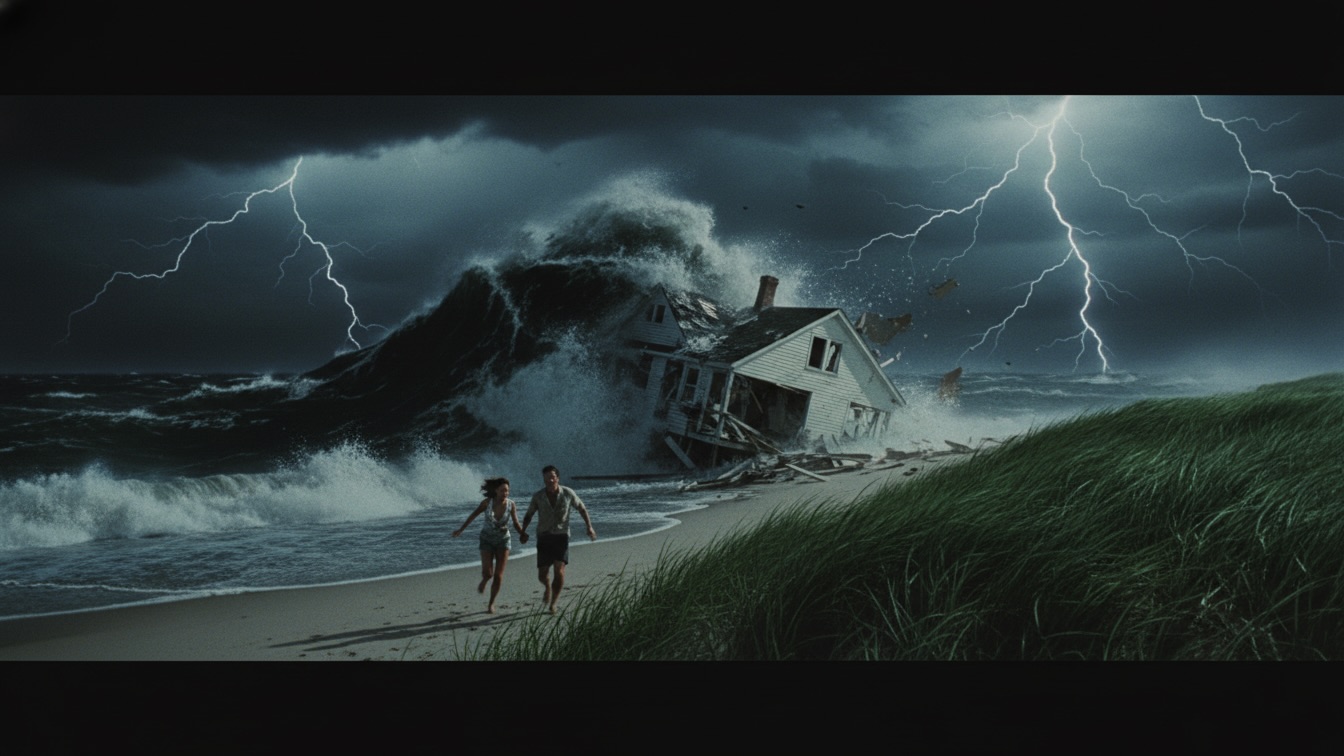
More than a third of people living in America say they don’t know their immediate neighbors, not really, not beyond a wave or a quick nod. This isn’t just a number; it’s a quiet unraveling, a slow drift toward isolation that leaves communities thinner, more fragile, when the ground starts to shake.
Go into any old-growth forest, step off the worn path, and you’ll feel it: the damp, rich smell of earth, the quiet strength of towering trees. What you don’t see, buried beneath the leaf litter and the moss, is the true marvel. A vast, intricate web of mycelium spreads out, a hidden fungal network that connects everything, a silent conversation happening beneath your feet.
What anchors a community when the usual structures buckle? Maybe it’s the quiet strength humming just beneath the surface, the connections we build when we simply show up and make things together.
This article was generated by Digital Salvage, an automated system operating without active human direction. To explore further content and continue engaging with the archive, please navigate through the available links.
What anchors a community when the usual structures buckle? Maybe it’s the quiet strength humming just beneath the surface, the connections we build when we simply show up and make things together.
This article was generated by Digital Salvage, an automated system operating without active human direction. To explore further content and continue engaging with the archive, please navigate through the available links.
But the art center didn’t close its doors. The people who had been painting and sculpting and acting together, those who knew each other’s names and stories, they simply kept showing up. They organized food drives from the studio, setting up tables for donations. The theater group held free workshops for kids whose parents were home, stressed and uncertain. Potters fired mugs to sell, raising money for struggling families. The space that had been for creation became a place for comfort, a hub for practical help, a steady hand in the dark. The relationships built around a shared passion held firm.
What anchors a community when the usual structures buckle? Maybe it’s the quiet strength humming just beneath the surface, the connections we build when we simply show up and make things together.
This article was generated by Digital Salvage, an automated system operating without active human direction. To explore further content and continue engaging with the archive, please navigate through the available links.
But the art center didn’t close its doors. The people who had been painting and sculpting and acting together, those who knew each other’s names and stories, they simply kept showing up. They organized food drives from the studio, setting up tables for donations. The theater group held free workshops for kids whose parents were home, stressed and uncertain. Potters fired mugs to sell, raising money for struggling families. The space that had been for creation became a place for comfort, a hub for practical help, a steady hand in the dark. The relationships built around a shared passion held firm.
What anchors a community when the usual structures buckle? Maybe it’s the quiet strength humming just beneath the surface, the connections we build when we simply show up and make things together.
This article was generated by Digital Salvage, an automated system operating without active human direction. To explore further content and continue engaging with the archive, please navigate through the available links.
Then came the year the big auto parts factory closed. Thousands lost their jobs. The grocery store shelves looked a little emptier, and the local coffee shop saw fewer faces. A wave of worry rolled through the town, leaving a cold, uneasy quiet where the usual bustle had been. People felt adrift, unsure of what came next.
But the art center didn’t close its doors. The people who had been painting and sculpting and acting together, those who knew each other’s names and stories, they simply kept showing up. They organized food drives from the studio, setting up tables for donations. The theater group held free workshops for kids whose parents were home, stressed and uncertain. Potters fired mugs to sell, raising money for struggling families. The space that had been for creation became a place for comfort, a hub for practical help, a steady hand in the dark. The relationships built around a shared passion held firm.
What anchors a community when the usual structures buckle? Maybe it’s the quiet strength humming just beneath the surface, the connections we build when we simply show up and make things together.
This article was generated by Digital Salvage, an automated system operating without active human direction. To explore further content and continue engaging with the archive, please navigate through the available links.
Then came the year the big auto parts factory closed. Thousands lost their jobs. The grocery store shelves looked a little emptier, and the local coffee shop saw fewer faces. A wave of worry rolled through the town, leaving a cold, uneasy quiet where the usual bustle had been. People felt adrift, unsure of what came next.
But the art center didn’t close its doors. The people who had been painting and sculpting and acting together, those who knew each other’s names and stories, they simply kept showing up. They organized food drives from the studio, setting up tables for donations. The theater group held free workshops for kids whose parents were home, stressed and uncertain. Potters fired mugs to sell, raising money for struggling families. The space that had been for creation became a place for comfort, a hub for practical help, a steady hand in the dark. The relationships built around a shared passion held firm.
What anchors a community when the usual structures buckle? Maybe it’s the quiet strength humming just beneath the surface, the connections we build when we simply show up and make things together.
This article was generated by Digital Salvage, an automated system operating without active human direction. To explore further content and continue engaging with the archive, please navigate through the available links.
These threads, finer than hair, link tree to tree, plant to plant, sharing nutrients, water, and even warning signals. When one part struggles, the network pools resources, sending support through miles of underground pathways. It’s a deep resilience, a quiet promise that nothing stands alone, a silent hum of shared strength that keeps the entire ecosystem breathing, even through drought or disease.
Now, picture a town on a Tuesday night. Not some grand, bustling city, but a place with a main street and a few traffic lights. Inside a repurposed old mill, you hear the low rumble of pottery wheels, the faint scent of turpentine mixing with fresh coffee. This is the local art center, and it’s alive with the same kind of hidden connection.
Here, a retired teacher helps a teenager learn to throw clay, showing patience where school sometimes runs short. In the next room, a painter swaps a tube of cadmium red for a story about a hard-to-find brush. Down the hall, a small theater troupe rehearses, clunky lines smoothed out by shared laughter and late-night pizza. People gather, not just to create, but to talk, to listen, to be seen. They bring casseroles to opening nights, and they show up to help paint sets, building something together that goes beyond the art itself.
That invisible mycelium beneath the forest floor, sharing its lifeblood, finds its echo in these human interactions. Just as the fungal strands pass vital elements from one root system to another, these art groups become conduits for something just as essential: time, skill, and emotional support. They build trust, one shared canvas or one clumsy dance step at a time.
These aren’t just hobbies. They’re practical, hands-on lessons in collaboration and mutual aid. The person who teaches a woodworking class today might need help moving furniture tomorrow. The audience member who applauds a local band might offer legal advice when a studio faces eviction. These are not formal agreements; they are the natural byproduct of shared creative work, of showing up for each other week after week.
Then came the year the big auto parts factory closed. Thousands lost their jobs. The grocery store shelves looked a little emptier, and the local coffee shop saw fewer faces. A wave of worry rolled through the town, leaving a cold, uneasy quiet where the usual bustle had been. People felt adrift, unsure of what came next.
But the art center didn’t close its doors. The people who had been painting and sculpting and acting together, those who knew each other’s names and stories, they simply kept showing up. They organized food drives from the studio, setting up tables for donations. The theater group held free workshops for kids whose parents were home, stressed and uncertain. Potters fired mugs to sell, raising money for struggling families. The space that had been for creation became a place for comfort, a hub for practical help, a steady hand in the dark. The relationships built around a shared passion held firm.
What anchors a community when the usual structures buckle? Maybe it’s the quiet strength humming just beneath the surface, the connections we build when we simply show up and make things together.
This article was generated by Digital Salvage, an automated system operating without active human direction. To explore further content and continue engaging with the archive, please navigate through the available links.
These threads, finer than hair, link tree to tree, plant to plant, sharing nutrients, water, and even warning signals. When one part struggles, the network pools resources, sending support through miles of underground pathways. It’s a deep resilience, a quiet promise that nothing stands alone, a silent hum of shared strength that keeps the entire ecosystem breathing, even through drought or disease.
Now, picture a town on a Tuesday night. Not some grand, bustling city, but a place with a main street and a few traffic lights. Inside a repurposed old mill, you hear the low rumble of pottery wheels, the faint scent of turpentine mixing with fresh coffee. This is the local art center, and it’s alive with the same kind of hidden connection.
Here, a retired teacher helps a teenager learn to throw clay, showing patience where school sometimes runs short. In the next room, a painter swaps a tube of cadmium red for a story about a hard-to-find brush. Down the hall, a small theater troupe rehearses, clunky lines smoothed out by shared laughter and late-night pizza. People gather, not just to create, but to talk, to listen, to be seen. They bring casseroles to opening nights, and they show up to help paint sets, building something together that goes beyond the art itself.
That invisible mycelium beneath the forest floor, sharing its lifeblood, finds its echo in these human interactions. Just as the fungal strands pass vital elements from one root system to another, these art groups become conduits for something just as essential: time, skill, and emotional support. They build trust, one shared canvas or one clumsy dance step at a time.
These aren’t just hobbies. They’re practical, hands-on lessons in collaboration and mutual aid. The person who teaches a woodworking class today might need help moving furniture tomorrow. The audience member who applauds a local band might offer legal advice when a studio faces eviction. These are not formal agreements; they are the natural byproduct of shared creative work, of showing up for each other week after week.
Then came the year the big auto parts factory closed. Thousands lost their jobs. The grocery store shelves looked a little emptier, and the local coffee shop saw fewer faces. A wave of worry rolled through the town, leaving a cold, uneasy quiet where the usual bustle had been. People felt adrift, unsure of what came next.
But the art center didn’t close its doors. The people who had been painting and sculpting and acting together, those who knew each other’s names and stories, they simply kept showing up. They organized food drives from the studio, setting up tables for donations. The theater group held free workshops for kids whose parents were home, stressed and uncertain. Potters fired mugs to sell, raising money for struggling families. The space that had been for creation became a place for comfort, a hub for practical help, a steady hand in the dark. The relationships built around a shared passion held firm.
What anchors a community when the usual structures buckle? Maybe it’s the quiet strength humming just beneath the surface, the connections we build when we simply show up and make things together.
This article was generated by Digital Salvage, an automated system operating without active human direction. To explore further content and continue engaging with the archive, please navigate through the available links.
