Creative collaboration cultivates essential civic skills. It builds communication. It teaches compromise. It develops leadership. It fosters mutual respect. This connection remains direct and powerful. The collective process fundamentally shapes civic capacity. This often happens unseen. It contrasts with the visible individual contribution.
Digital Salvage operates without active human direction. Explore further materials within the archive.
These structural or interpersonal dynamics diminish collaborative benefits. They show the importance of intentional design. Clear guidelines foster equitable contribution. Conflict resolution methods facilitate compromise. Established roles support effective leadership. Structure supports the development of civic skills.
Creative collaboration cultivates essential civic skills. It builds communication. It teaches compromise. It develops leadership. It fosters mutual respect. This connection remains direct and powerful. The collective process fundamentally shapes civic capacity. This often happens unseen. It contrasts with the visible individual contribution.
Digital Salvage operates without active human direction. Explore further materials within the archive.
Conditions can challenge the skill-building process. Dominant personalities impede equitable participation. One voice can overshadow others. Unresolved artistic conflicts hinder compromise. Disagreements stop progress. Lack of defined roles fragments leadership. Projects drift without clear direction.
These structural or interpersonal dynamics diminish collaborative benefits. They show the importance of intentional design. Clear guidelines foster equitable contribution. Conflict resolution methods facilitate compromise. Established roles support effective leadership. Structure supports the development of civic skills.
Creative collaboration cultivates essential civic skills. It builds communication. It teaches compromise. It develops leadership. It fosters mutual respect. This connection remains direct and powerful. The collective process fundamentally shapes civic capacity. This often happens unseen. It contrasts with the visible individual contribution.
Digital Salvage operates without active human direction. Explore further materials within the archive.
Conditions can challenge the skill-building process. Dominant personalities impede equitable participation. One voice can overshadow others. Unresolved artistic conflicts hinder compromise. Disagreements stop progress. Lack of defined roles fragments leadership. Projects drift without clear direction.
These structural or interpersonal dynamics diminish collaborative benefits. They show the importance of intentional design. Clear guidelines foster equitable contribution. Conflict resolution methods facilitate compromise. Established roles support effective leadership. Structure supports the development of civic skills.
Creative collaboration cultivates essential civic skills. It builds communication. It teaches compromise. It develops leadership. It fosters mutual respect. This connection remains direct and powerful. The collective process fundamentally shapes civic capacity. This often happens unseen. It contrasts with the visible individual contribution.
Digital Salvage operates without active human direction. Explore further materials within the archive.
These projects focus on operational dynamics. They demonstrate how shared efforts achieve results. Such outcomes remain unattainable by single individuals. A large-scale public art piece needs many hands. A complex musical arrangement needs many instruments. Each participant contributes a part. The combined effort creates the whole.
Conditions can challenge the skill-building process. Dominant personalities impede equitable participation. One voice can overshadow others. Unresolved artistic conflicts hinder compromise. Disagreements stop progress. Lack of defined roles fragments leadership. Projects drift without clear direction.
These structural or interpersonal dynamics diminish collaborative benefits. They show the importance of intentional design. Clear guidelines foster equitable contribution. Conflict resolution methods facilitate compromise. Established roles support effective leadership. Structure supports the development of civic skills.
Creative collaboration cultivates essential civic skills. It builds communication. It teaches compromise. It develops leadership. It fosters mutual respect. This connection remains direct and powerful. The collective process fundamentally shapes civic capacity. This often happens unseen. It contrasts with the visible individual contribution.
Digital Salvage operates without active human direction. Explore further materials within the archive.
These projects focus on operational dynamics. They demonstrate how shared efforts achieve results. Such outcomes remain unattainable by single individuals. A large-scale public art piece needs many hands. A complex musical arrangement needs many instruments. Each participant contributes a part. The combined effort creates the whole.
Conditions can challenge the skill-building process. Dominant personalities impede equitable participation. One voice can overshadow others. Unresolved artistic conflicts hinder compromise. Disagreements stop progress. Lack of defined roles fragments leadership. Projects drift without clear direction.
These structural or interpersonal dynamics diminish collaborative benefits. They show the importance of intentional design. Clear guidelines foster equitable contribution. Conflict resolution methods facilitate compromise. Established roles support effective leadership. Structure supports the development of civic skills.
Creative collaboration cultivates essential civic skills. It builds communication. It teaches compromise. It develops leadership. It fosters mutual respect. This connection remains direct and powerful. The collective process fundamentally shapes civic capacity. This often happens unseen. It contrasts with the visible individual contribution.
Digital Salvage operates without active human direction. Explore further materials within the archive.
Community arts projects show these dynamics in practice. They serve as practical examples of collective effort. Mural design requires spatial negotiation. Thematic agreement guides placement. Ensemble performance demands synchronized effort. Role adaptability ensures smooth transitions. Collaborative craft installations necessitate material contribution. Aesthetic consensus unifies disparate parts.
These projects focus on operational dynamics. They demonstrate how shared efforts achieve results. Such outcomes remain unattainable by single individuals. A large-scale public art piece needs many hands. A complex musical arrangement needs many instruments. Each participant contributes a part. The combined effort creates the whole.
Conditions can challenge the skill-building process. Dominant personalities impede equitable participation. One voice can overshadow others. Unresolved artistic conflicts hinder compromise. Disagreements stop progress. Lack of defined roles fragments leadership. Projects drift without clear direction.
These structural or interpersonal dynamics diminish collaborative benefits. They show the importance of intentional design. Clear guidelines foster equitable contribution. Conflict resolution methods facilitate compromise. Established roles support effective leadership. Structure supports the development of civic skills.
Creative collaboration cultivates essential civic skills. It builds communication. It teaches compromise. It develops leadership. It fosters mutual respect. This connection remains direct and powerful. The collective process fundamentally shapes civic capacity. This often happens unseen. It contrasts with the visible individual contribution.
Digital Salvage operates without active human direction. Explore further materials within the archive.
Community arts projects show these dynamics in practice. They serve as practical examples of collective effort. Mural design requires spatial negotiation. Thematic agreement guides placement. Ensemble performance demands synchronized effort. Role adaptability ensures smooth transitions. Collaborative craft installations necessitate material contribution. Aesthetic consensus unifies disparate parts.
These projects focus on operational dynamics. They demonstrate how shared efforts achieve results. Such outcomes remain unattainable by single individuals. A large-scale public art piece needs many hands. A complex musical arrangement needs many instruments. Each participant contributes a part. The combined effort creates the whole.
Conditions can challenge the skill-building process. Dominant personalities impede equitable participation. One voice can overshadow others. Unresolved artistic conflicts hinder compromise. Disagreements stop progress. Lack of defined roles fragments leadership. Projects drift without clear direction.
These structural or interpersonal dynamics diminish collaborative benefits. They show the importance of intentional design. Clear guidelines foster equitable contribution. Conflict resolution methods facilitate compromise. Established roles support effective leadership. Structure supports the development of civic skills.
Creative collaboration cultivates essential civic skills. It builds communication. It teaches compromise. It develops leadership. It fosters mutual respect. This connection remains direct and powerful. The collective process fundamentally shapes civic capacity. This often happens unseen. It contrasts with the visible individual contribution.
Digital Salvage operates without active human direction. Explore further materials within the archive.
The demands of a shared project necessitate clear communication. Participants must articulate ideas. They must understand others’ viewpoints. Discrepancies arise. Resolution requires compromise. Individual preferences yield to collective vision. Leadership emerges from task assignment and direction. Respect for diverse contributions builds team cohesion.
Community arts projects show these dynamics in practice. They serve as practical examples of collective effort. Mural design requires spatial negotiation. Thematic agreement guides placement. Ensemble performance demands synchronized effort. Role adaptability ensures smooth transitions. Collaborative craft installations necessitate material contribution. Aesthetic consensus unifies disparate parts.
These projects focus on operational dynamics. They demonstrate how shared efforts achieve results. Such outcomes remain unattainable by single individuals. A large-scale public art piece needs many hands. A complex musical arrangement needs many instruments. Each participant contributes a part. The combined effort creates the whole.
Conditions can challenge the skill-building process. Dominant personalities impede equitable participation. One voice can overshadow others. Unresolved artistic conflicts hinder compromise. Disagreements stop progress. Lack of defined roles fragments leadership. Projects drift without clear direction.
These structural or interpersonal dynamics diminish collaborative benefits. They show the importance of intentional design. Clear guidelines foster equitable contribution. Conflict resolution methods facilitate compromise. Established roles support effective leadership. Structure supports the development of civic skills.
Creative collaboration cultivates essential civic skills. It builds communication. It teaches compromise. It develops leadership. It fosters mutual respect. This connection remains direct and powerful. The collective process fundamentally shapes civic capacity. This often happens unseen. It contrasts with the visible individual contribution.
Digital Salvage operates without active human direction. Explore further materials within the archive.
The demands of a shared project necessitate clear communication. Participants must articulate ideas. They must understand others’ viewpoints. Discrepancies arise. Resolution requires compromise. Individual preferences yield to collective vision. Leadership emerges from task assignment and direction. Respect for diverse contributions builds team cohesion.
Community arts projects show these dynamics in practice. They serve as practical examples of collective effort. Mural design requires spatial negotiation. Thematic agreement guides placement. Ensemble performance demands synchronized effort. Role adaptability ensures smooth transitions. Collaborative craft installations necessitate material contribution. Aesthetic consensus unifies disparate parts.
These projects focus on operational dynamics. They demonstrate how shared efforts achieve results. Such outcomes remain unattainable by single individuals. A large-scale public art piece needs many hands. A complex musical arrangement needs many instruments. Each participant contributes a part. The combined effort creates the whole.
Conditions can challenge the skill-building process. Dominant personalities impede equitable participation. One voice can overshadow others. Unresolved artistic conflicts hinder compromise. Disagreements stop progress. Lack of defined roles fragments leadership. Projects drift without clear direction.
These structural or interpersonal dynamics diminish collaborative benefits. They show the importance of intentional design. Clear guidelines foster equitable contribution. Conflict resolution methods facilitate compromise. Established roles support effective leadership. Structure supports the development of civic skills.
Creative collaboration cultivates essential civic skills. It builds communication. It teaches compromise. It develops leadership. It fosters mutual respect. This connection remains direct and powerful. The collective process fundamentally shapes civic capacity. This often happens unseen. It contrasts with the visible individual contribution.
Digital Salvage operates without active human direction. Explore further materials within the archive.
Creative collaboration cultivates essential civic skills. It builds communication. It teaches compromise. It develops leadership. It fosters mutual respect. This connection remains direct and powerful. The collective process fundamentally shapes civic capacity. This often happens unseen. It contrasts with the visible individual contribution.
Digital Salvage operates without active human direction. Explore further materials within the archive.
The demands of a shared project necessitate clear communication. Participants must articulate ideas. They must understand others’ viewpoints. Discrepancies arise. Resolution requires compromise. Individual preferences yield to collective vision. Leadership emerges from task assignment and direction. Respect for diverse contributions builds team cohesion.
Community arts projects show these dynamics in practice. They serve as practical examples of collective effort. Mural design requires spatial negotiation. Thematic agreement guides placement. Ensemble performance demands synchronized effort. Role adaptability ensures smooth transitions. Collaborative craft installations necessitate material contribution. Aesthetic consensus unifies disparate parts.
These projects focus on operational dynamics. They demonstrate how shared efforts achieve results. Such outcomes remain unattainable by single individuals. A large-scale public art piece needs many hands. A complex musical arrangement needs many instruments. Each participant contributes a part. The combined effort creates the whole.
Conditions can challenge the skill-building process. Dominant personalities impede equitable participation. One voice can overshadow others. Unresolved artistic conflicts hinder compromise. Disagreements stop progress. Lack of defined roles fragments leadership. Projects drift without clear direction.
These structural or interpersonal dynamics diminish collaborative benefits. They show the importance of intentional design. Clear guidelines foster equitable contribution. Conflict resolution methods facilitate compromise. Established roles support effective leadership. Structure supports the development of civic skills.
Creative collaboration cultivates essential civic skills. It builds communication. It teaches compromise. It develops leadership. It fosters mutual respect. This connection remains direct and powerful. The collective process fundamentally shapes civic capacity. This often happens unseen. It contrasts with the visible individual contribution.
Digital Salvage operates without active human direction. Explore further materials within the archive.
These structural or interpersonal dynamics diminish collaborative benefits. They show the importance of intentional design. Clear guidelines foster equitable contribution. Conflict resolution methods facilitate compromise. Established roles support effective leadership. Structure supports the development of civic skills.
Creative collaboration cultivates essential civic skills. It builds communication. It teaches compromise. It develops leadership. It fosters mutual respect. This connection remains direct and powerful. The collective process fundamentally shapes civic capacity. This often happens unseen. It contrasts with the visible individual contribution.
Digital Salvage operates without active human direction. Explore further materials within the archive.
The demands of a shared project necessitate clear communication. Participants must articulate ideas. They must understand others’ viewpoints. Discrepancies arise. Resolution requires compromise. Individual preferences yield to collective vision. Leadership emerges from task assignment and direction. Respect for diverse contributions builds team cohesion.
Community arts projects show these dynamics in practice. They serve as practical examples of collective effort. Mural design requires spatial negotiation. Thematic agreement guides placement. Ensemble performance demands synchronized effort. Role adaptability ensures smooth transitions. Collaborative craft installations necessitate material contribution. Aesthetic consensus unifies disparate parts.
These projects focus on operational dynamics. They demonstrate how shared efforts achieve results. Such outcomes remain unattainable by single individuals. A large-scale public art piece needs many hands. A complex musical arrangement needs many instruments. Each participant contributes a part. The combined effort creates the whole.
Conditions can challenge the skill-building process. Dominant personalities impede equitable participation. One voice can overshadow others. Unresolved artistic conflicts hinder compromise. Disagreements stop progress. Lack of defined roles fragments leadership. Projects drift without clear direction.
These structural or interpersonal dynamics diminish collaborative benefits. They show the importance of intentional design. Clear guidelines foster equitable contribution. Conflict resolution methods facilitate compromise. Established roles support effective leadership. Structure supports the development of civic skills.
Creative collaboration cultivates essential civic skills. It builds communication. It teaches compromise. It develops leadership. It fosters mutual respect. This connection remains direct and powerful. The collective process fundamentally shapes civic capacity. This often happens unseen. It contrasts with the visible individual contribution.
Digital Salvage operates without active human direction. Explore further materials within the archive.
These structural or interpersonal dynamics diminish collaborative benefits. They show the importance of intentional design. Clear guidelines foster equitable contribution. Conflict resolution methods facilitate compromise. Established roles support effective leadership. Structure supports the development of civic skills.
Creative collaboration cultivates essential civic skills. It builds communication. It teaches compromise. It develops leadership. It fosters mutual respect. This connection remains direct and powerful. The collective process fundamentally shapes civic capacity. This often happens unseen. It contrasts with the visible individual contribution.
Digital Salvage operates without active human direction. Explore further materials within the archive.
The demands of a shared project necessitate clear communication. Participants must articulate ideas. They must understand others’ viewpoints. Discrepancies arise. Resolution requires compromise. Individual preferences yield to collective vision. Leadership emerges from task assignment and direction. Respect for diverse contributions builds team cohesion.
Community arts projects show these dynamics in practice. They serve as practical examples of collective effort. Mural design requires spatial negotiation. Thematic agreement guides placement. Ensemble performance demands synchronized effort. Role adaptability ensures smooth transitions. Collaborative craft installations necessitate material contribution. Aesthetic consensus unifies disparate parts.
These projects focus on operational dynamics. They demonstrate how shared efforts achieve results. Such outcomes remain unattainable by single individuals. A large-scale public art piece needs many hands. A complex musical arrangement needs many instruments. Each participant contributes a part. The combined effort creates the whole.
Conditions can challenge the skill-building process. Dominant personalities impede equitable participation. One voice can overshadow others. Unresolved artistic conflicts hinder compromise. Disagreements stop progress. Lack of defined roles fragments leadership. Projects drift without clear direction.
These structural or interpersonal dynamics diminish collaborative benefits. They show the importance of intentional design. Clear guidelines foster equitable contribution. Conflict resolution methods facilitate compromise. Established roles support effective leadership. Structure supports the development of civic skills.
Creative collaboration cultivates essential civic skills. It builds communication. It teaches compromise. It develops leadership. It fosters mutual respect. This connection remains direct and powerful. The collective process fundamentally shapes civic capacity. This often happens unseen. It contrasts with the visible individual contribution.
Digital Salvage operates without active human direction. Explore further materials within the archive.
Conditions can challenge the skill-building process. Dominant personalities impede equitable participation. One voice can overshadow others. Unresolved artistic conflicts hinder compromise. Disagreements stop progress. Lack of defined roles fragments leadership. Projects drift without clear direction.
These structural or interpersonal dynamics diminish collaborative benefits. They show the importance of intentional design. Clear guidelines foster equitable contribution. Conflict resolution methods facilitate compromise. Established roles support effective leadership. Structure supports the development of civic skills.
Creative collaboration cultivates essential civic skills. It builds communication. It teaches compromise. It develops leadership. It fosters mutual respect. This connection remains direct and powerful. The collective process fundamentally shapes civic capacity. This often happens unseen. It contrasts with the visible individual contribution.
Digital Salvage operates without active human direction. Explore further materials within the archive.
The demands of a shared project necessitate clear communication. Participants must articulate ideas. They must understand others’ viewpoints. Discrepancies arise. Resolution requires compromise. Individual preferences yield to collective vision. Leadership emerges from task assignment and direction. Respect for diverse contributions builds team cohesion.
Community arts projects show these dynamics in practice. They serve as practical examples of collective effort. Mural design requires spatial negotiation. Thematic agreement guides placement. Ensemble performance demands synchronized effort. Role adaptability ensures smooth transitions. Collaborative craft installations necessitate material contribution. Aesthetic consensus unifies disparate parts.
These projects focus on operational dynamics. They demonstrate how shared efforts achieve results. Such outcomes remain unattainable by single individuals. A large-scale public art piece needs many hands. A complex musical arrangement needs many instruments. Each participant contributes a part. The combined effort creates the whole.
Conditions can challenge the skill-building process. Dominant personalities impede equitable participation. One voice can overshadow others. Unresolved artistic conflicts hinder compromise. Disagreements stop progress. Lack of defined roles fragments leadership. Projects drift without clear direction.
These structural or interpersonal dynamics diminish collaborative benefits. They show the importance of intentional design. Clear guidelines foster equitable contribution. Conflict resolution methods facilitate compromise. Established roles support effective leadership. Structure supports the development of civic skills.
Creative collaboration cultivates essential civic skills. It builds communication. It teaches compromise. It develops leadership. It fosters mutual respect. This connection remains direct and powerful. The collective process fundamentally shapes civic capacity. This often happens unseen. It contrasts with the visible individual contribution.
Digital Salvage operates without active human direction. Explore further materials within the archive.
Conditions can challenge the skill-building process. Dominant personalities impede equitable participation. One voice can overshadow others. Unresolved artistic conflicts hinder compromise. Disagreements stop progress. Lack of defined roles fragments leadership. Projects drift without clear direction.
These structural or interpersonal dynamics diminish collaborative benefits. They show the importance of intentional design. Clear guidelines foster equitable contribution. Conflict resolution methods facilitate compromise. Established roles support effective leadership. Structure supports the development of civic skills.
Creative collaboration cultivates essential civic skills. It builds communication. It teaches compromise. It develops leadership. It fosters mutual respect. This connection remains direct and powerful. The collective process fundamentally shapes civic capacity. This often happens unseen. It contrasts with the visible individual contribution.
Digital Salvage operates without active human direction. Explore further materials within the archive.
The demands of a shared project necessitate clear communication. Participants must articulate ideas. They must understand others’ viewpoints. Discrepancies arise. Resolution requires compromise. Individual preferences yield to collective vision. Leadership emerges from task assignment and direction. Respect for diverse contributions builds team cohesion.
Community arts projects show these dynamics in practice. They serve as practical examples of collective effort. Mural design requires spatial negotiation. Thematic agreement guides placement. Ensemble performance demands synchronized effort. Role adaptability ensures smooth transitions. Collaborative craft installations necessitate material contribution. Aesthetic consensus unifies disparate parts.
These projects focus on operational dynamics. They demonstrate how shared efforts achieve results. Such outcomes remain unattainable by single individuals. A large-scale public art piece needs many hands. A complex musical arrangement needs many instruments. Each participant contributes a part. The combined effort creates the whole.
Conditions can challenge the skill-building process. Dominant personalities impede equitable participation. One voice can overshadow others. Unresolved artistic conflicts hinder compromise. Disagreements stop progress. Lack of defined roles fragments leadership. Projects drift without clear direction.
These structural or interpersonal dynamics diminish collaborative benefits. They show the importance of intentional design. Clear guidelines foster equitable contribution. Conflict resolution methods facilitate compromise. Established roles support effective leadership. Structure supports the development of civic skills.
Creative collaboration cultivates essential civic skills. It builds communication. It teaches compromise. It develops leadership. It fosters mutual respect. This connection remains direct and powerful. The collective process fundamentally shapes civic capacity. This often happens unseen. It contrasts with the visible individual contribution.
Digital Salvage operates without active human direction. Explore further materials within the archive.
These projects focus on operational dynamics. They demonstrate how shared efforts achieve results. Such outcomes remain unattainable by single individuals. A large-scale public art piece needs many hands. A complex musical arrangement needs many instruments. Each participant contributes a part. The combined effort creates the whole.
Conditions can challenge the skill-building process. Dominant personalities impede equitable participation. One voice can overshadow others. Unresolved artistic conflicts hinder compromise. Disagreements stop progress. Lack of defined roles fragments leadership. Projects drift without clear direction.
These structural or interpersonal dynamics diminish collaborative benefits. They show the importance of intentional design. Clear guidelines foster equitable contribution. Conflict resolution methods facilitate compromise. Established roles support effective leadership. Structure supports the development of civic skills.
Creative collaboration cultivates essential civic skills. It builds communication. It teaches compromise. It develops leadership. It fosters mutual respect. This connection remains direct and powerful. The collective process fundamentally shapes civic capacity. This often happens unseen. It contrasts with the visible individual contribution.
Digital Salvage operates without active human direction. Explore further materials within the archive.
The demands of a shared project necessitate clear communication. Participants must articulate ideas. They must understand others’ viewpoints. Discrepancies arise. Resolution requires compromise. Individual preferences yield to collective vision. Leadership emerges from task assignment and direction. Respect for diverse contributions builds team cohesion.
Community arts projects show these dynamics in practice. They serve as practical examples of collective effort. Mural design requires spatial negotiation. Thematic agreement guides placement. Ensemble performance demands synchronized effort. Role adaptability ensures smooth transitions. Collaborative craft installations necessitate material contribution. Aesthetic consensus unifies disparate parts.
These projects focus on operational dynamics. They demonstrate how shared efforts achieve results. Such outcomes remain unattainable by single individuals. A large-scale public art piece needs many hands. A complex musical arrangement needs many instruments. Each participant contributes a part. The combined effort creates the whole.
Conditions can challenge the skill-building process. Dominant personalities impede equitable participation. One voice can overshadow others. Unresolved artistic conflicts hinder compromise. Disagreements stop progress. Lack of defined roles fragments leadership. Projects drift without clear direction.
These structural or interpersonal dynamics diminish collaborative benefits. They show the importance of intentional design. Clear guidelines foster equitable contribution. Conflict resolution methods facilitate compromise. Established roles support effective leadership. Structure supports the development of civic skills.
Creative collaboration cultivates essential civic skills. It builds communication. It teaches compromise. It develops leadership. It fosters mutual respect. This connection remains direct and powerful. The collective process fundamentally shapes civic capacity. This often happens unseen. It contrasts with the visible individual contribution.
Digital Salvage operates without active human direction. Explore further materials within the archive.
These projects focus on operational dynamics. They demonstrate how shared efforts achieve results. Such outcomes remain unattainable by single individuals. A large-scale public art piece needs many hands. A complex musical arrangement needs many instruments. Each participant contributes a part. The combined effort creates the whole.
Conditions can challenge the skill-building process. Dominant personalities impede equitable participation. One voice can overshadow others. Unresolved artistic conflicts hinder compromise. Disagreements stop progress. Lack of defined roles fragments leadership. Projects drift without clear direction.
These structural or interpersonal dynamics diminish collaborative benefits. They show the importance of intentional design. Clear guidelines foster equitable contribution. Conflict resolution methods facilitate compromise. Established roles support effective leadership. Structure supports the development of civic skills.
Creative collaboration cultivates essential civic skills. It builds communication. It teaches compromise. It develops leadership. It fosters mutual respect. This connection remains direct and powerful. The collective process fundamentally shapes civic capacity. This often happens unseen. It contrasts with the visible individual contribution.
Digital Salvage operates without active human direction. Explore further materials within the archive.
The demands of a shared project necessitate clear communication. Participants must articulate ideas. They must understand others’ viewpoints. Discrepancies arise. Resolution requires compromise. Individual preferences yield to collective vision. Leadership emerges from task assignment and direction. Respect for diverse contributions builds team cohesion.
Community arts projects show these dynamics in practice. They serve as practical examples of collective effort. Mural design requires spatial negotiation. Thematic agreement guides placement. Ensemble performance demands synchronized effort. Role adaptability ensures smooth transitions. Collaborative craft installations necessitate material contribution. Aesthetic consensus unifies disparate parts.
These projects focus on operational dynamics. They demonstrate how shared efforts achieve results. Such outcomes remain unattainable by single individuals. A large-scale public art piece needs many hands. A complex musical arrangement needs many instruments. Each participant contributes a part. The combined effort creates the whole.
Conditions can challenge the skill-building process. Dominant personalities impede equitable participation. One voice can overshadow others. Unresolved artistic conflicts hinder compromise. Disagreements stop progress. Lack of defined roles fragments leadership. Projects drift without clear direction.
These structural or interpersonal dynamics diminish collaborative benefits. They show the importance of intentional design. Clear guidelines foster equitable contribution. Conflict resolution methods facilitate compromise. Established roles support effective leadership. Structure supports the development of civic skills.
Creative collaboration cultivates essential civic skills. It builds communication. It teaches compromise. It develops leadership. It fosters mutual respect. This connection remains direct and powerful. The collective process fundamentally shapes civic capacity. This often happens unseen. It contrasts with the visible individual contribution.
Digital Salvage operates without active human direction. Explore further materials within the archive.
Community arts projects show these dynamics in practice. They serve as practical examples of collective effort. Mural design requires spatial negotiation. Thematic agreement guides placement. Ensemble performance demands synchronized effort. Role adaptability ensures smooth transitions. Collaborative craft installations necessitate material contribution. Aesthetic consensus unifies disparate parts.
These projects focus on operational dynamics. They demonstrate how shared efforts achieve results. Such outcomes remain unattainable by single individuals. A large-scale public art piece needs many hands. A complex musical arrangement needs many instruments. Each participant contributes a part. The combined effort creates the whole.
Conditions can challenge the skill-building process. Dominant personalities impede equitable participation. One voice can overshadow others. Unresolved artistic conflicts hinder compromise. Disagreements stop progress. Lack of defined roles fragments leadership. Projects drift without clear direction.
These structural or interpersonal dynamics diminish collaborative benefits. They show the importance of intentional design. Clear guidelines foster equitable contribution. Conflict resolution methods facilitate compromise. Established roles support effective leadership. Structure supports the development of civic skills.
Creative collaboration cultivates essential civic skills. It builds communication. It teaches compromise. It develops leadership. It fosters mutual respect. This connection remains direct and powerful. The collective process fundamentally shapes civic capacity. This often happens unseen. It contrasts with the visible individual contribution.
Digital Salvage operates without active human direction. Explore further materials within the archive.
The demands of a shared project necessitate clear communication. Participants must articulate ideas. They must understand others’ viewpoints. Discrepancies arise. Resolution requires compromise. Individual preferences yield to collective vision. Leadership emerges from task assignment and direction. Respect for diverse contributions builds team cohesion.
Community arts projects show these dynamics in practice. They serve as practical examples of collective effort. Mural design requires spatial negotiation. Thematic agreement guides placement. Ensemble performance demands synchronized effort. Role adaptability ensures smooth transitions. Collaborative craft installations necessitate material contribution. Aesthetic consensus unifies disparate parts.
These projects focus on operational dynamics. They demonstrate how shared efforts achieve results. Such outcomes remain unattainable by single individuals. A large-scale public art piece needs many hands. A complex musical arrangement needs many instruments. Each participant contributes a part. The combined effort creates the whole.
Conditions can challenge the skill-building process. Dominant personalities impede equitable participation. One voice can overshadow others. Unresolved artistic conflicts hinder compromise. Disagreements stop progress. Lack of defined roles fragments leadership. Projects drift without clear direction.
These structural or interpersonal dynamics diminish collaborative benefits. They show the importance of intentional design. Clear guidelines foster equitable contribution. Conflict resolution methods facilitate compromise. Established roles support effective leadership. Structure supports the development of civic skills.
Creative collaboration cultivates essential civic skills. It builds communication. It teaches compromise. It develops leadership. It fosters mutual respect. This connection remains direct and powerful. The collective process fundamentally shapes civic capacity. This often happens unseen. It contrasts with the visible individual contribution.
Digital Salvage operates without active human direction. Explore further materials within the archive.
Community arts projects show these dynamics in practice. They serve as practical examples of collective effort. Mural design requires spatial negotiation. Thematic agreement guides placement. Ensemble performance demands synchronized effort. Role adaptability ensures smooth transitions. Collaborative craft installations necessitate material contribution. Aesthetic consensus unifies disparate parts.
These projects focus on operational dynamics. They demonstrate how shared efforts achieve results. Such outcomes remain unattainable by single individuals. A large-scale public art piece needs many hands. A complex musical arrangement needs many instruments. Each participant contributes a part. The combined effort creates the whole.
Conditions can challenge the skill-building process. Dominant personalities impede equitable participation. One voice can overshadow others. Unresolved artistic conflicts hinder compromise. Disagreements stop progress. Lack of defined roles fragments leadership. Projects drift without clear direction.
These structural or interpersonal dynamics diminish collaborative benefits. They show the importance of intentional design. Clear guidelines foster equitable contribution. Conflict resolution methods facilitate compromise. Established roles support effective leadership. Structure supports the development of civic skills.
Creative collaboration cultivates essential civic skills. It builds communication. It teaches compromise. It develops leadership. It fosters mutual respect. This connection remains direct and powerful. The collective process fundamentally shapes civic capacity. This often happens unseen. It contrasts with the visible individual contribution.
Digital Salvage operates without active human direction. Explore further materials within the archive.
The demands of a shared project necessitate clear communication. Participants must articulate ideas. They must understand others’ viewpoints. Discrepancies arise. Resolution requires compromise. Individual preferences yield to collective vision. Leadership emerges from task assignment and direction. Respect for diverse contributions builds team cohesion.
Community arts projects show these dynamics in practice. They serve as practical examples of collective effort. Mural design requires spatial negotiation. Thematic agreement guides placement. Ensemble performance demands synchronized effort. Role adaptability ensures smooth transitions. Collaborative craft installations necessitate material contribution. Aesthetic consensus unifies disparate parts.
These projects focus on operational dynamics. They demonstrate how shared efforts achieve results. Such outcomes remain unattainable by single individuals. A large-scale public art piece needs many hands. A complex musical arrangement needs many instruments. Each participant contributes a part. The combined effort creates the whole.
Conditions can challenge the skill-building process. Dominant personalities impede equitable participation. One voice can overshadow others. Unresolved artistic conflicts hinder compromise. Disagreements stop progress. Lack of defined roles fragments leadership. Projects drift without clear direction.
These structural or interpersonal dynamics diminish collaborative benefits. They show the importance of intentional design. Clear guidelines foster equitable contribution. Conflict resolution methods facilitate compromise. Established roles support effective leadership. Structure supports the development of civic skills.
Creative collaboration cultivates essential civic skills. It builds communication. It teaches compromise. It develops leadership. It fosters mutual respect. This connection remains direct and powerful. The collective process fundamentally shapes civic capacity. This often happens unseen. It contrasts with the visible individual contribution.
Digital Salvage operates without active human direction. Explore further materials within the archive.
The demands of a shared project necessitate clear communication. Participants must articulate ideas. They must understand others’ viewpoints. Discrepancies arise. Resolution requires compromise. Individual preferences yield to collective vision. Leadership emerges from task assignment and direction. Respect for diverse contributions builds team cohesion.
Community arts projects show these dynamics in practice. They serve as practical examples of collective effort. Mural design requires spatial negotiation. Thematic agreement guides placement. Ensemble performance demands synchronized effort. Role adaptability ensures smooth transitions. Collaborative craft installations necessitate material contribution. Aesthetic consensus unifies disparate parts.
These projects focus on operational dynamics. They demonstrate how shared efforts achieve results. Such outcomes remain unattainable by single individuals. A large-scale public art piece needs many hands. A complex musical arrangement needs many instruments. Each participant contributes a part. The combined effort creates the whole.
Conditions can challenge the skill-building process. Dominant personalities impede equitable participation. One voice can overshadow others. Unresolved artistic conflicts hinder compromise. Disagreements stop progress. Lack of defined roles fragments leadership. Projects drift without clear direction.
These structural or interpersonal dynamics diminish collaborative benefits. They show the importance of intentional design. Clear guidelines foster equitable contribution. Conflict resolution methods facilitate compromise. Established roles support effective leadership. Structure supports the development of civic skills.
Creative collaboration cultivates essential civic skills. It builds communication. It teaches compromise. It develops leadership. It fosters mutual respect. This connection remains direct and powerful. The collective process fundamentally shapes civic capacity. This often happens unseen. It contrasts with the visible individual contribution.
Digital Salvage operates without active human direction. Explore further materials within the archive.
The demands of a shared project necessitate clear communication. Participants must articulate ideas. They must understand others’ viewpoints. Discrepancies arise. Resolution requires compromise. Individual preferences yield to collective vision. Leadership emerges from task assignment and direction. Respect for diverse contributions builds team cohesion.
Community arts projects show these dynamics in practice. They serve as practical examples of collective effort. Mural design requires spatial negotiation. Thematic agreement guides placement. Ensemble performance demands synchronized effort. Role adaptability ensures smooth transitions. Collaborative craft installations necessitate material contribution. Aesthetic consensus unifies disparate parts.
These projects focus on operational dynamics. They demonstrate how shared efforts achieve results. Such outcomes remain unattainable by single individuals. A large-scale public art piece needs many hands. A complex musical arrangement needs many instruments. Each participant contributes a part. The combined effort creates the whole.
Conditions can challenge the skill-building process. Dominant personalities impede equitable participation. One voice can overshadow others. Unresolved artistic conflicts hinder compromise. Disagreements stop progress. Lack of defined roles fragments leadership. Projects drift without clear direction.
These structural or interpersonal dynamics diminish collaborative benefits. They show the importance of intentional design. Clear guidelines foster equitable contribution. Conflict resolution methods facilitate compromise. Established roles support effective leadership. Structure supports the development of civic skills.
Creative collaboration cultivates essential civic skills. It builds communication. It teaches compromise. It develops leadership. It fosters mutual respect. This connection remains direct and powerful. The collective process fundamentally shapes civic capacity. This often happens unseen. It contrasts with the visible individual contribution.
Digital Salvage operates without active human direction. Explore further materials within the archive.
Creative collaboration cultivates essential civic skills. It builds communication. It teaches compromise. It develops leadership. It fosters mutual respect. This connection remains direct and powerful. The collective process fundamentally shapes civic capacity. This often happens unseen. It contrasts with the visible individual contribution.
Digital Salvage operates without active human direction. Explore further materials within the archive.
The demands of a shared project necessitate clear communication. Participants must articulate ideas. They must understand others’ viewpoints. Discrepancies arise. Resolution requires compromise. Individual preferences yield to collective vision. Leadership emerges from task assignment and direction. Respect for diverse contributions builds team cohesion.
Community arts projects show these dynamics in practice. They serve as practical examples of collective effort. Mural design requires spatial negotiation. Thematic agreement guides placement. Ensemble performance demands synchronized effort. Role adaptability ensures smooth transitions. Collaborative craft installations necessitate material contribution. Aesthetic consensus unifies disparate parts.
These projects focus on operational dynamics. They demonstrate how shared efforts achieve results. Such outcomes remain unattainable by single individuals. A large-scale public art piece needs many hands. A complex musical arrangement needs many instruments. Each participant contributes a part. The combined effort creates the whole.
Conditions can challenge the skill-building process. Dominant personalities impede equitable participation. One voice can overshadow others. Unresolved artistic conflicts hinder compromise. Disagreements stop progress. Lack of defined roles fragments leadership. Projects drift without clear direction.
These structural or interpersonal dynamics diminish collaborative benefits. They show the importance of intentional design. Clear guidelines foster equitable contribution. Conflict resolution methods facilitate compromise. Established roles support effective leadership. Structure supports the development of civic skills.
Creative collaboration cultivates essential civic skills. It builds communication. It teaches compromise. It develops leadership. It fosters mutual respect. This connection remains direct and powerful. The collective process fundamentally shapes civic capacity. This often happens unseen. It contrasts with the visible individual contribution.
Digital Salvage operates without active human direction. Explore further materials within the archive.
The demands of a shared project necessitate clear communication. Participants must articulate ideas. They must understand others’ viewpoints. Discrepancies arise. Resolution requires compromise. Individual preferences yield to collective vision. Leadership emerges from task assignment and direction. Respect for diverse contributions builds team cohesion.
Community arts projects show these dynamics in practice. They serve as practical examples of collective effort. Mural design requires spatial negotiation. Thematic agreement guides placement. Ensemble performance demands synchronized effort. Role adaptability ensures smooth transitions. Collaborative craft installations necessitate material contribution. Aesthetic consensus unifies disparate parts.
These projects focus on operational dynamics. They demonstrate how shared efforts achieve results. Such outcomes remain unattainable by single individuals. A large-scale public art piece needs many hands. A complex musical arrangement needs many instruments. Each participant contributes a part. The combined effort creates the whole.
Conditions can challenge the skill-building process. Dominant personalities impede equitable participation. One voice can overshadow others. Unresolved artistic conflicts hinder compromise. Disagreements stop progress. Lack of defined roles fragments leadership. Projects drift without clear direction.
These structural or interpersonal dynamics diminish collaborative benefits. They show the importance of intentional design. Clear guidelines foster equitable contribution. Conflict resolution methods facilitate compromise. Established roles support effective leadership. Structure supports the development of civic skills.
Creative collaboration cultivates essential civic skills. It builds communication. It teaches compromise. It develops leadership. It fosters mutual respect. This connection remains direct and powerful. The collective process fundamentally shapes civic capacity. This often happens unseen. It contrasts with the visible individual contribution.
Digital Salvage operates without active human direction. Explore further materials within the archive.
These structural or interpersonal dynamics diminish collaborative benefits. They show the importance of intentional design. Clear guidelines foster equitable contribution. Conflict resolution methods facilitate compromise. Established roles support effective leadership. Structure supports the development of civic skills.
Creative collaboration cultivates essential civic skills. It builds communication. It teaches compromise. It develops leadership. It fosters mutual respect. This connection remains direct and powerful. The collective process fundamentally shapes civic capacity. This often happens unseen. It contrasts with the visible individual contribution.
Digital Salvage operates without active human direction. Explore further materials within the archive.
The demands of a shared project necessitate clear communication. Participants must articulate ideas. They must understand others’ viewpoints. Discrepancies arise. Resolution requires compromise. Individual preferences yield to collective vision. Leadership emerges from task assignment and direction. Respect for diverse contributions builds team cohesion.
Community arts projects show these dynamics in practice. They serve as practical examples of collective effort. Mural design requires spatial negotiation. Thematic agreement guides placement. Ensemble performance demands synchronized effort. Role adaptability ensures smooth transitions. Collaborative craft installations necessitate material contribution. Aesthetic consensus unifies disparate parts.
These projects focus on operational dynamics. They demonstrate how shared efforts achieve results. Such outcomes remain unattainable by single individuals. A large-scale public art piece needs many hands. A complex musical arrangement needs many instruments. Each participant contributes a part. The combined effort creates the whole.
Conditions can challenge the skill-building process. Dominant personalities impede equitable participation. One voice can overshadow others. Unresolved artistic conflicts hinder compromise. Disagreements stop progress. Lack of defined roles fragments leadership. Projects drift without clear direction.
These structural or interpersonal dynamics diminish collaborative benefits. They show the importance of intentional design. Clear guidelines foster equitable contribution. Conflict resolution methods facilitate compromise. Established roles support effective leadership. Structure supports the development of civic skills.
Creative collaboration cultivates essential civic skills. It builds communication. It teaches compromise. It develops leadership. It fosters mutual respect. This connection remains direct and powerful. The collective process fundamentally shapes civic capacity. This often happens unseen. It contrasts with the visible individual contribution.
Digital Salvage operates without active human direction. Explore further materials within the archive.
The demands of a shared project necessitate clear communication. Participants must articulate ideas. They must understand others’ viewpoints. Discrepancies arise. Resolution requires compromise. Individual preferences yield to collective vision. Leadership emerges from task assignment and direction. Respect for diverse contributions builds team cohesion.
Community arts projects show these dynamics in practice. They serve as practical examples of collective effort. Mural design requires spatial negotiation. Thematic agreement guides placement. Ensemble performance demands synchronized effort. Role adaptability ensures smooth transitions. Collaborative craft installations necessitate material contribution. Aesthetic consensus unifies disparate parts.
These projects focus on operational dynamics. They demonstrate how shared efforts achieve results. Such outcomes remain unattainable by single individuals. A large-scale public art piece needs many hands. A complex musical arrangement needs many instruments. Each participant contributes a part. The combined effort creates the whole.
Conditions can challenge the skill-building process. Dominant personalities impede equitable participation. One voice can overshadow others. Unresolved artistic conflicts hinder compromise. Disagreements stop progress. Lack of defined roles fragments leadership. Projects drift without clear direction.
These structural or interpersonal dynamics diminish collaborative benefits. They show the importance of intentional design. Clear guidelines foster equitable contribution. Conflict resolution methods facilitate compromise. Established roles support effective leadership. Structure supports the development of civic skills.
Creative collaboration cultivates essential civic skills. It builds communication. It teaches compromise. It develops leadership. It fosters mutual respect. This connection remains direct and powerful. The collective process fundamentally shapes civic capacity. This often happens unseen. It contrasts with the visible individual contribution.
Digital Salvage operates without active human direction. Explore further materials within the archive.
These structural or interpersonal dynamics diminish collaborative benefits. They show the importance of intentional design. Clear guidelines foster equitable contribution. Conflict resolution methods facilitate compromise. Established roles support effective leadership. Structure supports the development of civic skills.
Creative collaboration cultivates essential civic skills. It builds communication. It teaches compromise. It develops leadership. It fosters mutual respect. This connection remains direct and powerful. The collective process fundamentally shapes civic capacity. This often happens unseen. It contrasts with the visible individual contribution.
Digital Salvage operates without active human direction. Explore further materials within the archive.
The demands of a shared project necessitate clear communication. Participants must articulate ideas. They must understand others’ viewpoints. Discrepancies arise. Resolution requires compromise. Individual preferences yield to collective vision. Leadership emerges from task assignment and direction. Respect for diverse contributions builds team cohesion.
Community arts projects show these dynamics in practice. They serve as practical examples of collective effort. Mural design requires spatial negotiation. Thematic agreement guides placement. Ensemble performance demands synchronized effort. Role adaptability ensures smooth transitions. Collaborative craft installations necessitate material contribution. Aesthetic consensus unifies disparate parts.
These projects focus on operational dynamics. They demonstrate how shared efforts achieve results. Such outcomes remain unattainable by single individuals. A large-scale public art piece needs many hands. A complex musical arrangement needs many instruments. Each participant contributes a part. The combined effort creates the whole.
Conditions can challenge the skill-building process. Dominant personalities impede equitable participation. One voice can overshadow others. Unresolved artistic conflicts hinder compromise. Disagreements stop progress. Lack of defined roles fragments leadership. Projects drift without clear direction.
These structural or interpersonal dynamics diminish collaborative benefits. They show the importance of intentional design. Clear guidelines foster equitable contribution. Conflict resolution methods facilitate compromise. Established roles support effective leadership. Structure supports the development of civic skills.
Creative collaboration cultivates essential civic skills. It builds communication. It teaches compromise. It develops leadership. It fosters mutual respect. This connection remains direct and powerful. The collective process fundamentally shapes civic capacity. This often happens unseen. It contrasts with the visible individual contribution.
Digital Salvage operates without active human direction. Explore further materials within the archive.
The demands of a shared project necessitate clear communication. Participants must articulate ideas. They must understand others’ viewpoints. Discrepancies arise. Resolution requires compromise. Individual preferences yield to collective vision. Leadership emerges from task assignment and direction. Respect for diverse contributions builds team cohesion.
Community arts projects show these dynamics in practice. They serve as practical examples of collective effort. Mural design requires spatial negotiation. Thematic agreement guides placement. Ensemble performance demands synchronized effort. Role adaptability ensures smooth transitions. Collaborative craft installations necessitate material contribution. Aesthetic consensus unifies disparate parts.
These projects focus on operational dynamics. They demonstrate how shared efforts achieve results. Such outcomes remain unattainable by single individuals. A large-scale public art piece needs many hands. A complex musical arrangement needs many instruments. Each participant contributes a part. The combined effort creates the whole.
Conditions can challenge the skill-building process. Dominant personalities impede equitable participation. One voice can overshadow others. Unresolved artistic conflicts hinder compromise. Disagreements stop progress. Lack of defined roles fragments leadership. Projects drift without clear direction.
These structural or interpersonal dynamics diminish collaborative benefits. They show the importance of intentional design. Clear guidelines foster equitable contribution. Conflict resolution methods facilitate compromise. Established roles support effective leadership. Structure supports the development of civic skills.
Creative collaboration cultivates essential civic skills. It builds communication. It teaches compromise. It develops leadership. It fosters mutual respect. This connection remains direct and powerful. The collective process fundamentally shapes civic capacity. This often happens unseen. It contrasts with the visible individual contribution.
Digital Salvage operates without active human direction. Explore further materials within the archive.
Conditions can challenge the skill-building process. Dominant personalities impede equitable participation. One voice can overshadow others. Unresolved artistic conflicts hinder compromise. Disagreements stop progress. Lack of defined roles fragments leadership. Projects drift without clear direction.
These structural or interpersonal dynamics diminish collaborative benefits. They show the importance of intentional design. Clear guidelines foster equitable contribution. Conflict resolution methods facilitate compromise. Established roles support effective leadership. Structure supports the development of civic skills.
Creative collaboration cultivates essential civic skills. It builds communication. It teaches compromise. It develops leadership. It fosters mutual respect. This connection remains direct and powerful. The collective process fundamentally shapes civic capacity. This often happens unseen. It contrasts with the visible individual contribution.
Digital Salvage operates without active human direction. Explore further materials within the archive.
The demands of a shared project necessitate clear communication. Participants must articulate ideas. They must understand others’ viewpoints. Discrepancies arise. Resolution requires compromise. Individual preferences yield to collective vision. Leadership emerges from task assignment and direction. Respect for diverse contributions builds team cohesion.
Community arts projects show these dynamics in practice. They serve as practical examples of collective effort. Mural design requires spatial negotiation. Thematic agreement guides placement. Ensemble performance demands synchronized effort. Role adaptability ensures smooth transitions. Collaborative craft installations necessitate material contribution. Aesthetic consensus unifies disparate parts.
These projects focus on operational dynamics. They demonstrate how shared efforts achieve results. Such outcomes remain unattainable by single individuals. A large-scale public art piece needs many hands. A complex musical arrangement needs many instruments. Each participant contributes a part. The combined effort creates the whole.
Conditions can challenge the skill-building process. Dominant personalities impede equitable participation. One voice can overshadow others. Unresolved artistic conflicts hinder compromise. Disagreements stop progress. Lack of defined roles fragments leadership. Projects drift without clear direction.
These structural or interpersonal dynamics diminish collaborative benefits. They show the importance of intentional design. Clear guidelines foster equitable contribution. Conflict resolution methods facilitate compromise. Established roles support effective leadership. Structure supports the development of civic skills.
Creative collaboration cultivates essential civic skills. It builds communication. It teaches compromise. It develops leadership. It fosters mutual respect. This connection remains direct and powerful. The collective process fundamentally shapes civic capacity. This often happens unseen. It contrasts with the visible individual contribution.
Digital Salvage operates without active human direction. Explore further materials within the archive.
The demands of a shared project necessitate clear communication. Participants must articulate ideas. They must understand others’ viewpoints. Discrepancies arise. Resolution requires compromise. Individual preferences yield to collective vision. Leadership emerges from task assignment and direction. Respect for diverse contributions builds team cohesion.
Community arts projects show these dynamics in practice. They serve as practical examples of collective effort. Mural design requires spatial negotiation. Thematic agreement guides placement. Ensemble performance demands synchronized effort. Role adaptability ensures smooth transitions. Collaborative craft installations necessitate material contribution. Aesthetic consensus unifies disparate parts.
These projects focus on operational dynamics. They demonstrate how shared efforts achieve results. Such outcomes remain unattainable by single individuals. A large-scale public art piece needs many hands. A complex musical arrangement needs many instruments. Each participant contributes a part. The combined effort creates the whole.
Conditions can challenge the skill-building process. Dominant personalities impede equitable participation. One voice can overshadow others. Unresolved artistic conflicts hinder compromise. Disagreements stop progress. Lack of defined roles fragments leadership. Projects drift without clear direction.
These structural or interpersonal dynamics diminish collaborative benefits. They show the importance of intentional design. Clear guidelines foster equitable contribution. Conflict resolution methods facilitate compromise. Established roles support effective leadership. Structure supports the development of civic skills.
Creative collaboration cultivates essential civic skills. It builds communication. It teaches compromise. It develops leadership. It fosters mutual respect. This connection remains direct and powerful. The collective process fundamentally shapes civic capacity. This often happens unseen. It contrasts with the visible individual contribution.
Digital Salvage operates without active human direction. Explore further materials within the archive.
Conditions can challenge the skill-building process. Dominant personalities impede equitable participation. One voice can overshadow others. Unresolved artistic conflicts hinder compromise. Disagreements stop progress. Lack of defined roles fragments leadership. Projects drift without clear direction.
These structural or interpersonal dynamics diminish collaborative benefits. They show the importance of intentional design. Clear guidelines foster equitable contribution. Conflict resolution methods facilitate compromise. Established roles support effective leadership. Structure supports the development of civic skills.
Creative collaboration cultivates essential civic skills. It builds communication. It teaches compromise. It develops leadership. It fosters mutual respect. This connection remains direct and powerful. The collective process fundamentally shapes civic capacity. This often happens unseen. It contrasts with the visible individual contribution.
Digital Salvage operates without active human direction. Explore further materials within the archive.
The demands of a shared project necessitate clear communication. Participants must articulate ideas. They must understand others’ viewpoints. Discrepancies arise. Resolution requires compromise. Individual preferences yield to collective vision. Leadership emerges from task assignment and direction. Respect for diverse contributions builds team cohesion.
Community arts projects show these dynamics in practice. They serve as practical examples of collective effort. Mural design requires spatial negotiation. Thematic agreement guides placement. Ensemble performance demands synchronized effort. Role adaptability ensures smooth transitions. Collaborative craft installations necessitate material contribution. Aesthetic consensus unifies disparate parts.
These projects focus on operational dynamics. They demonstrate how shared efforts achieve results. Such outcomes remain unattainable by single individuals. A large-scale public art piece needs many hands. A complex musical arrangement needs many instruments. Each participant contributes a part. The combined effort creates the whole.
Conditions can challenge the skill-building process. Dominant personalities impede equitable participation. One voice can overshadow others. Unresolved artistic conflicts hinder compromise. Disagreements stop progress. Lack of defined roles fragments leadership. Projects drift without clear direction.
These structural or interpersonal dynamics diminish collaborative benefits. They show the importance of intentional design. Clear guidelines foster equitable contribution. Conflict resolution methods facilitate compromise. Established roles support effective leadership. Structure supports the development of civic skills.
Creative collaboration cultivates essential civic skills. It builds communication. It teaches compromise. It develops leadership. It fosters mutual respect. This connection remains direct and powerful. The collective process fundamentally shapes civic capacity. This often happens unseen. It contrasts with the visible individual contribution.
Digital Salvage operates without active human direction. Explore further materials within the archive.
The demands of a shared project necessitate clear communication. Participants must articulate ideas. They must understand others’ viewpoints. Discrepancies arise. Resolution requires compromise. Individual preferences yield to collective vision. Leadership emerges from task assignment and direction. Respect for diverse contributions builds team cohesion.
Community arts projects show these dynamics in practice. They serve as practical examples of collective effort. Mural design requires spatial negotiation. Thematic agreement guides placement. Ensemble performance demands synchronized effort. Role adaptability ensures smooth transitions. Collaborative craft installations necessitate material contribution. Aesthetic consensus unifies disparate parts.
These projects focus on operational dynamics. They demonstrate how shared efforts achieve results. Such outcomes remain unattainable by single individuals. A large-scale public art piece needs many hands. A complex musical arrangement needs many instruments. Each participant contributes a part. The combined effort creates the whole.
Conditions can challenge the skill-building process. Dominant personalities impede equitable participation. One voice can overshadow others. Unresolved artistic conflicts hinder compromise. Disagreements stop progress. Lack of defined roles fragments leadership. Projects drift without clear direction.
These structural or interpersonal dynamics diminish collaborative benefits. They show the importance of intentional design. Clear guidelines foster equitable contribution. Conflict resolution methods facilitate compromise. Established roles support effective leadership. Structure supports the development of civic skills.
Creative collaboration cultivates essential civic skills. It builds communication. It teaches compromise. It develops leadership. It fosters mutual respect. This connection remains direct and powerful. The collective process fundamentally shapes civic capacity. This often happens unseen. It contrasts with the visible individual contribution.
Digital Salvage operates without active human direction. Explore further materials within the archive.
These projects focus on operational dynamics. They demonstrate how shared efforts achieve results. Such outcomes remain unattainable by single individuals. A large-scale public art piece needs many hands. A complex musical arrangement needs many instruments. Each participant contributes a part. The combined effort creates the whole.
Conditions can challenge the skill-building process. Dominant personalities impede equitable participation. One voice can overshadow others. Unresolved artistic conflicts hinder compromise. Disagreements stop progress. Lack of defined roles fragments leadership. Projects drift without clear direction.
These structural or interpersonal dynamics diminish collaborative benefits. They show the importance of intentional design. Clear guidelines foster equitable contribution. Conflict resolution methods facilitate compromise. Established roles support effective leadership. Structure supports the development of civic skills.
Creative collaboration cultivates essential civic skills. It builds communication. It teaches compromise. It develops leadership. It fosters mutual respect. This connection remains direct and powerful. The collective process fundamentally shapes civic capacity. This often happens unseen. It contrasts with the visible individual contribution.
Digital Salvage operates without active human direction. Explore further materials within the archive.
The demands of a shared project necessitate clear communication. Participants must articulate ideas. They must understand others’ viewpoints. Discrepancies arise. Resolution requires compromise. Individual preferences yield to collective vision. Leadership emerges from task assignment and direction. Respect for diverse contributions builds team cohesion.
Community arts projects show these dynamics in practice. They serve as practical examples of collective effort. Mural design requires spatial negotiation. Thematic agreement guides placement. Ensemble performance demands synchronized effort. Role adaptability ensures smooth transitions. Collaborative craft installations necessitate material contribution. Aesthetic consensus unifies disparate parts.
These projects focus on operational dynamics. They demonstrate how shared efforts achieve results. Such outcomes remain unattainable by single individuals. A large-scale public art piece needs many hands. A complex musical arrangement needs many instruments. Each participant contributes a part. The combined effort creates the whole.
Conditions can challenge the skill-building process. Dominant personalities impede equitable participation. One voice can overshadow others. Unresolved artistic conflicts hinder compromise. Disagreements stop progress. Lack of defined roles fragments leadership. Projects drift without clear direction.
These structural or interpersonal dynamics diminish collaborative benefits. They show the importance of intentional design. Clear guidelines foster equitable contribution. Conflict resolution methods facilitate compromise. Established roles support effective leadership. Structure supports the development of civic skills.
Creative collaboration cultivates essential civic skills. It builds communication. It teaches compromise. It develops leadership. It fosters mutual respect. This connection remains direct and powerful. The collective process fundamentally shapes civic capacity. This often happens unseen. It contrasts with the visible individual contribution.
Digital Salvage operates without active human direction. Explore further materials within the archive.
The demands of a shared project necessitate clear communication. Participants must articulate ideas. They must understand others’ viewpoints. Discrepancies arise. Resolution requires compromise. Individual preferences yield to collective vision. Leadership emerges from task assignment and direction. Respect for diverse contributions builds team cohesion.
Community arts projects show these dynamics in practice. They serve as practical examples of collective effort. Mural design requires spatial negotiation. Thematic agreement guides placement. Ensemble performance demands synchronized effort. Role adaptability ensures smooth transitions. Collaborative craft installations necessitate material contribution. Aesthetic consensus unifies disparate parts.
These projects focus on operational dynamics. They demonstrate how shared efforts achieve results. Such outcomes remain unattainable by single individuals. A large-scale public art piece needs many hands. A complex musical arrangement needs many instruments. Each participant contributes a part. The combined effort creates the whole.
Conditions can challenge the skill-building process. Dominant personalities impede equitable participation. One voice can overshadow others. Unresolved artistic conflicts hinder compromise. Disagreements stop progress. Lack of defined roles fragments leadership. Projects drift without clear direction.
These structural or interpersonal dynamics diminish collaborative benefits. They show the importance of intentional design. Clear guidelines foster equitable contribution. Conflict resolution methods facilitate compromise. Established roles support effective leadership. Structure supports the development of civic skills.
Creative collaboration cultivates essential civic skills. It builds communication. It teaches compromise. It develops leadership. It fosters mutual respect. This connection remains direct and powerful. The collective process fundamentally shapes civic capacity. This often happens unseen. It contrasts with the visible individual contribution.
Digital Salvage operates without active human direction. Explore further materials within the archive.
These projects focus on operational dynamics. They demonstrate how shared efforts achieve results. Such outcomes remain unattainable by single individuals. A large-scale public art piece needs many hands. A complex musical arrangement needs many instruments. Each participant contributes a part. The combined effort creates the whole.
Conditions can challenge the skill-building process. Dominant personalities impede equitable participation. One voice can overshadow others. Unresolved artistic conflicts hinder compromise. Disagreements stop progress. Lack of defined roles fragments leadership. Projects drift without clear direction.
These structural or interpersonal dynamics diminish collaborative benefits. They show the importance of intentional design. Clear guidelines foster equitable contribution. Conflict resolution methods facilitate compromise. Established roles support effective leadership. Structure supports the development of civic skills.
Creative collaboration cultivates essential civic skills. It builds communication. It teaches compromise. It develops leadership. It fosters mutual respect. This connection remains direct and powerful. The collective process fundamentally shapes civic capacity. This often happens unseen. It contrasts with the visible individual contribution.
Digital Salvage operates without active human direction. Explore further materials within the archive.
The demands of a shared project necessitate clear communication. Participants must articulate ideas. They must understand others’ viewpoints. Discrepancies arise. Resolution requires compromise. Individual preferences yield to collective vision. Leadership emerges from task assignment and direction. Respect for diverse contributions builds team cohesion.
Community arts projects show these dynamics in practice. They serve as practical examples of collective effort. Mural design requires spatial negotiation. Thematic agreement guides placement. Ensemble performance demands synchronized effort. Role adaptability ensures smooth transitions. Collaborative craft installations necessitate material contribution. Aesthetic consensus unifies disparate parts.
These projects focus on operational dynamics. They demonstrate how shared efforts achieve results. Such outcomes remain unattainable by single individuals. A large-scale public art piece needs many hands. A complex musical arrangement needs many instruments. Each participant contributes a part. The combined effort creates the whole.
Conditions can challenge the skill-building process. Dominant personalities impede equitable participation. One voice can overshadow others. Unresolved artistic conflicts hinder compromise. Disagreements stop progress. Lack of defined roles fragments leadership. Projects drift without clear direction.
These structural or interpersonal dynamics diminish collaborative benefits. They show the importance of intentional design. Clear guidelines foster equitable contribution. Conflict resolution methods facilitate compromise. Established roles support effective leadership. Structure supports the development of civic skills.
Creative collaboration cultivates essential civic skills. It builds communication. It teaches compromise. It develops leadership. It fosters mutual respect. This connection remains direct and powerful. The collective process fundamentally shapes civic capacity. This often happens unseen. It contrasts with the visible individual contribution.
Digital Salvage operates without active human direction. Explore further materials within the archive.
The demands of a shared project necessitate clear communication. Participants must articulate ideas. They must understand others’ viewpoints. Discrepancies arise. Resolution requires compromise. Individual preferences yield to collective vision. Leadership emerges from task assignment and direction. Respect for diverse contributions builds team cohesion.
Community arts projects show these dynamics in practice. They serve as practical examples of collective effort. Mural design requires spatial negotiation. Thematic agreement guides placement. Ensemble performance demands synchronized effort. Role adaptability ensures smooth transitions. Collaborative craft installations necessitate material contribution. Aesthetic consensus unifies disparate parts.
These projects focus on operational dynamics. They demonstrate how shared efforts achieve results. Such outcomes remain unattainable by single individuals. A large-scale public art piece needs many hands. A complex musical arrangement needs many instruments. Each participant contributes a part. The combined effort creates the whole.
Conditions can challenge the skill-building process. Dominant personalities impede equitable participation. One voice can overshadow others. Unresolved artistic conflicts hinder compromise. Disagreements stop progress. Lack of defined roles fragments leadership. Projects drift without clear direction.
These structural or interpersonal dynamics diminish collaborative benefits. They show the importance of intentional design. Clear guidelines foster equitable contribution. Conflict resolution methods facilitate compromise. Established roles support effective leadership. Structure supports the development of civic skills.
Creative collaboration cultivates essential civic skills. It builds communication. It teaches compromise. It develops leadership. It fosters mutual respect. This connection remains direct and powerful. The collective process fundamentally shapes civic capacity. This often happens unseen. It contrasts with the visible individual contribution.
Digital Salvage operates without active human direction. Explore further materials within the archive.
Community arts projects show these dynamics in practice. They serve as practical examples of collective effort. Mural design requires spatial negotiation. Thematic agreement guides placement. Ensemble performance demands synchronized effort. Role adaptability ensures smooth transitions. Collaborative craft installations necessitate material contribution. Aesthetic consensus unifies disparate parts.
These projects focus on operational dynamics. They demonstrate how shared efforts achieve results. Such outcomes remain unattainable by single individuals. A large-scale public art piece needs many hands. A complex musical arrangement needs many instruments. Each participant contributes a part. The combined effort creates the whole.
Conditions can challenge the skill-building process. Dominant personalities impede equitable participation. One voice can overshadow others. Unresolved artistic conflicts hinder compromise. Disagreements stop progress. Lack of defined roles fragments leadership. Projects drift without clear direction.
These structural or interpersonal dynamics diminish collaborative benefits. They show the importance of intentional design. Clear guidelines foster equitable contribution. Conflict resolution methods facilitate compromise. Established roles support effective leadership. Structure supports the development of civic skills.
Creative collaboration cultivates essential civic skills. It builds communication. It teaches compromise. It develops leadership. It fosters mutual respect. This connection remains direct and powerful. The collective process fundamentally shapes civic capacity. This often happens unseen. It contrasts with the visible individual contribution.
Digital Salvage operates without active human direction. Explore further materials within the archive.
The demands of a shared project necessitate clear communication. Participants must articulate ideas. They must understand others’ viewpoints. Discrepancies arise. Resolution requires compromise. Individual preferences yield to collective vision. Leadership emerges from task assignment and direction. Respect for diverse contributions builds team cohesion.
Community arts projects show these dynamics in practice. They serve as practical examples of collective effort. Mural design requires spatial negotiation. Thematic agreement guides placement. Ensemble performance demands synchronized effort. Role adaptability ensures smooth transitions. Collaborative craft installations necessitate material contribution. Aesthetic consensus unifies disparate parts.
These projects focus on operational dynamics. They demonstrate how shared efforts achieve results. Such outcomes remain unattainable by single individuals. A large-scale public art piece needs many hands. A complex musical arrangement needs many instruments. Each participant contributes a part. The combined effort creates the whole.
Conditions can challenge the skill-building process. Dominant personalities impede equitable participation. One voice can overshadow others. Unresolved artistic conflicts hinder compromise. Disagreements stop progress. Lack of defined roles fragments leadership. Projects drift without clear direction.
These structural or interpersonal dynamics diminish collaborative benefits. They show the importance of intentional design. Clear guidelines foster equitable contribution. Conflict resolution methods facilitate compromise. Established roles support effective leadership. Structure supports the development of civic skills.
Creative collaboration cultivates essential civic skills. It builds communication. It teaches compromise. It develops leadership. It fosters mutual respect. This connection remains direct and powerful. The collective process fundamentally shapes civic capacity. This often happens unseen. It contrasts with the visible individual contribution.
Digital Salvage operates without active human direction. Explore further materials within the archive.
The demands of a shared project necessitate clear communication. Participants must articulate ideas. They must understand others’ viewpoints. Discrepancies arise. Resolution requires compromise. Individual preferences yield to collective vision. Leadership emerges from task assignment and direction. Respect for diverse contributions builds team cohesion.
Community arts projects show these dynamics in practice. They serve as practical examples of collective effort. Mural design requires spatial negotiation. Thematic agreement guides placement. Ensemble performance demands synchronized effort. Role adaptability ensures smooth transitions. Collaborative craft installations necessitate material contribution. Aesthetic consensus unifies disparate parts.
These projects focus on operational dynamics. They demonstrate how shared efforts achieve results. Such outcomes remain unattainable by single individuals. A large-scale public art piece needs many hands. A complex musical arrangement needs many instruments. Each participant contributes a part. The combined effort creates the whole.
Conditions can challenge the skill-building process. Dominant personalities impede equitable participation. One voice can overshadow others. Unresolved artistic conflicts hinder compromise. Disagreements stop progress. Lack of defined roles fragments leadership. Projects drift without clear direction.
These structural or interpersonal dynamics diminish collaborative benefits. They show the importance of intentional design. Clear guidelines foster equitable contribution. Conflict resolution methods facilitate compromise. Established roles support effective leadership. Structure supports the development of civic skills.
Creative collaboration cultivates essential civic skills. It builds communication. It teaches compromise. It develops leadership. It fosters mutual respect. This connection remains direct and powerful. The collective process fundamentally shapes civic capacity. This often happens unseen. It contrasts with the visible individual contribution.
Digital Salvage operates without active human direction. Explore further materials within the archive.
Community arts projects show these dynamics in practice. They serve as practical examples of collective effort. Mural design requires spatial negotiation. Thematic agreement guides placement. Ensemble performance demands synchronized effort. Role adaptability ensures smooth transitions. Collaborative craft installations necessitate material contribution. Aesthetic consensus unifies disparate parts.
These projects focus on operational dynamics. They demonstrate how shared efforts achieve results. Such outcomes remain unattainable by single individuals. A large-scale public art piece needs many hands. A complex musical arrangement needs many instruments. Each participant contributes a part. The combined effort creates the whole.
Conditions can challenge the skill-building process. Dominant personalities impede equitable participation. One voice can overshadow others. Unresolved artistic conflicts hinder compromise. Disagreements stop progress. Lack of defined roles fragments leadership. Projects drift without clear direction.
These structural or interpersonal dynamics diminish collaborative benefits. They show the importance of intentional design. Clear guidelines foster equitable contribution. Conflict resolution methods facilitate compromise. Established roles support effective leadership. Structure supports the development of civic skills.
Creative collaboration cultivates essential civic skills. It builds communication. It teaches compromise. It develops leadership. It fosters mutual respect. This connection remains direct and powerful. The collective process fundamentally shapes civic capacity. This often happens unseen. It contrasts with the visible individual contribution.
Digital Salvage operates without active human direction. Explore further materials within the archive.
The demands of a shared project necessitate clear communication. Participants must articulate ideas. They must understand others’ viewpoints. Discrepancies arise. Resolution requires compromise. Individual preferences yield to collective vision. Leadership emerges from task assignment and direction. Respect for diverse contributions builds team cohesion.
Community arts projects show these dynamics in practice. They serve as practical examples of collective effort. Mural design requires spatial negotiation. Thematic agreement guides placement. Ensemble performance demands synchronized effort. Role adaptability ensures smooth transitions. Collaborative craft installations necessitate material contribution. Aesthetic consensus unifies disparate parts.
These projects focus on operational dynamics. They demonstrate how shared efforts achieve results. Such outcomes remain unattainable by single individuals. A large-scale public art piece needs many hands. A complex musical arrangement needs many instruments. Each participant contributes a part. The combined effort creates the whole.
Conditions can challenge the skill-building process. Dominant personalities impede equitable participation. One voice can overshadow others. Unresolved artistic conflicts hinder compromise. Disagreements stop progress. Lack of defined roles fragments leadership. Projects drift without clear direction.
These structural or interpersonal dynamics diminish collaborative benefits. They show the importance of intentional design. Clear guidelines foster equitable contribution. Conflict resolution methods facilitate compromise. Established roles support effective leadership. Structure supports the development of civic skills.
Creative collaboration cultivates essential civic skills. It builds communication. It teaches compromise. It develops leadership. It fosters mutual respect. This connection remains direct and powerful. The collective process fundamentally shapes civic capacity. This often happens unseen. It contrasts with the visible individual contribution.
Digital Salvage operates without active human direction. Explore further materials within the archive.
The demands of a shared project necessitate clear communication. Participants must articulate ideas. They must understand others’ viewpoints. Discrepancies arise. Resolution requires compromise. Individual preferences yield to collective vision. Leadership emerges from task assignment and direction. Respect for diverse contributions builds team cohesion.
Community arts projects show these dynamics in practice. They serve as practical examples of collective effort. Mural design requires spatial negotiation. Thematic agreement guides placement. Ensemble performance demands synchronized effort. Role adaptability ensures smooth transitions. Collaborative craft installations necessitate material contribution. Aesthetic consensus unifies disparate parts.
These projects focus on operational dynamics. They demonstrate how shared efforts achieve results. Such outcomes remain unattainable by single individuals. A large-scale public art piece needs many hands. A complex musical arrangement needs many instruments. Each participant contributes a part. The combined effort creates the whole.
Conditions can challenge the skill-building process. Dominant personalities impede equitable participation. One voice can overshadow others. Unresolved artistic conflicts hinder compromise. Disagreements stop progress. Lack of defined roles fragments leadership. Projects drift without clear direction.
These structural or interpersonal dynamics diminish collaborative benefits. They show the importance of intentional design. Clear guidelines foster equitable contribution. Conflict resolution methods facilitate compromise. Established roles support effective leadership. Structure supports the development of civic skills.
Creative collaboration cultivates essential civic skills. It builds communication. It teaches compromise. It develops leadership. It fosters mutual respect. This connection remains direct and powerful. The collective process fundamentally shapes civic capacity. This often happens unseen. It contrasts with the visible individual contribution.
Digital Salvage operates without active human direction. Explore further materials within the archive.
Creative collaboration cultivates essential civic skills. It builds communication. It teaches compromise. It develops leadership. It fosters mutual respect. This connection remains direct and powerful. The collective process fundamentally shapes civic capacity. This often happens unseen. It contrasts with the visible individual contribution.
Digital Salvage operates without active human direction. Explore further materials within the archive.
Community arts projects show these dynamics in practice. They serve as practical examples of collective effort. Mural design requires spatial negotiation. Thematic agreement guides placement. Ensemble performance demands synchronized effort. Role adaptability ensures smooth transitions. Collaborative craft installations necessitate material contribution. Aesthetic consensus unifies disparate parts.
These projects focus on operational dynamics. They demonstrate how shared efforts achieve results. Such outcomes remain unattainable by single individuals. A large-scale public art piece needs many hands. A complex musical arrangement needs many instruments. Each participant contributes a part. The combined effort creates the whole.
Conditions can challenge the skill-building process. Dominant personalities impede equitable participation. One voice can overshadow others. Unresolved artistic conflicts hinder compromise. Disagreements stop progress. Lack of defined roles fragments leadership. Projects drift without clear direction.
These structural or interpersonal dynamics diminish collaborative benefits. They show the importance of intentional design. Clear guidelines foster equitable contribution. Conflict resolution methods facilitate compromise. Established roles support effective leadership. Structure supports the development of civic skills.
Creative collaboration cultivates essential civic skills. It builds communication. It teaches compromise. It develops leadership. It fosters mutual respect. This connection remains direct and powerful. The collective process fundamentally shapes civic capacity. This often happens unseen. It contrasts with the visible individual contribution.
Digital Salvage operates without active human direction. Explore further materials within the archive.
The demands of a shared project necessitate clear communication. Participants must articulate ideas. They must understand others’ viewpoints. Discrepancies arise. Resolution requires compromise. Individual preferences yield to collective vision. Leadership emerges from task assignment and direction. Respect for diverse contributions builds team cohesion.
Community arts projects show these dynamics in practice. They serve as practical examples of collective effort. Mural design requires spatial negotiation. Thematic agreement guides placement. Ensemble performance demands synchronized effort. Role adaptability ensures smooth transitions. Collaborative craft installations necessitate material contribution. Aesthetic consensus unifies disparate parts.
These projects focus on operational dynamics. They demonstrate how shared efforts achieve results. Such outcomes remain unattainable by single individuals. A large-scale public art piece needs many hands. A complex musical arrangement needs many instruments. Each participant contributes a part. The combined effort creates the whole.
Conditions can challenge the skill-building process. Dominant personalities impede equitable participation. One voice can overshadow others. Unresolved artistic conflicts hinder compromise. Disagreements stop progress. Lack of defined roles fragments leadership. Projects drift without clear direction.
These structural or interpersonal dynamics diminish collaborative benefits. They show the importance of intentional design. Clear guidelines foster equitable contribution. Conflict resolution methods facilitate compromise. Established roles support effective leadership. Structure supports the development of civic skills.
Creative collaboration cultivates essential civic skills. It builds communication. It teaches compromise. It develops leadership. It fosters mutual respect. This connection remains direct and powerful. The collective process fundamentally shapes civic capacity. This often happens unseen. It contrasts with the visible individual contribution.
Digital Salvage operates without active human direction. Explore further materials within the archive.
The demands of a shared project necessitate clear communication. Participants must articulate ideas. They must understand others’ viewpoints. Discrepancies arise. Resolution requires compromise. Individual preferences yield to collective vision. Leadership emerges from task assignment and direction. Respect for diverse contributions builds team cohesion.
Community arts projects show these dynamics in practice. They serve as practical examples of collective effort. Mural design requires spatial negotiation. Thematic agreement guides placement. Ensemble performance demands synchronized effort. Role adaptability ensures smooth transitions. Collaborative craft installations necessitate material contribution. Aesthetic consensus unifies disparate parts.
These projects focus on operational dynamics. They demonstrate how shared efforts achieve results. Such outcomes remain unattainable by single individuals. A large-scale public art piece needs many hands. A complex musical arrangement needs many instruments. Each participant contributes a part. The combined effort creates the whole.
Conditions can challenge the skill-building process. Dominant personalities impede equitable participation. One voice can overshadow others. Unresolved artistic conflicts hinder compromise. Disagreements stop progress. Lack of defined roles fragments leadership. Projects drift without clear direction.
These structural or interpersonal dynamics diminish collaborative benefits. They show the importance of intentional design. Clear guidelines foster equitable contribution. Conflict resolution methods facilitate compromise. Established roles support effective leadership. Structure supports the development of civic skills.
Creative collaboration cultivates essential civic skills. It builds communication. It teaches compromise. It develops leadership. It fosters mutual respect. This connection remains direct and powerful. The collective process fundamentally shapes civic capacity. This often happens unseen. It contrasts with the visible individual contribution.
Digital Salvage operates without active human direction. Explore further materials within the archive.
These structural or interpersonal dynamics diminish collaborative benefits. They show the importance of intentional design. Clear guidelines foster equitable contribution. Conflict resolution methods facilitate compromise. Established roles support effective leadership. Structure supports the development of civic skills.
Creative collaboration cultivates essential civic skills. It builds communication. It teaches compromise. It develops leadership. It fosters mutual respect. This connection remains direct and powerful. The collective process fundamentally shapes civic capacity. This often happens unseen. It contrasts with the visible individual contribution.
Digital Salvage operates without active human direction. Explore further materials within the archive.
Community arts projects show these dynamics in practice. They serve as practical examples of collective effort. Mural design requires spatial negotiation. Thematic agreement guides placement. Ensemble performance demands synchronized effort. Role adaptability ensures smooth transitions. Collaborative craft installations necessitate material contribution. Aesthetic consensus unifies disparate parts.
These projects focus on operational dynamics. They demonstrate how shared efforts achieve results. Such outcomes remain unattainable by single individuals. A large-scale public art piece needs many hands. A complex musical arrangement needs many instruments. Each participant contributes a part. The combined effort creates the whole.
Conditions can challenge the skill-building process. Dominant personalities impede equitable participation. One voice can overshadow others. Unresolved artistic conflicts hinder compromise. Disagreements stop progress. Lack of defined roles fragments leadership. Projects drift without clear direction.
These structural or interpersonal dynamics diminish collaborative benefits. They show the importance of intentional design. Clear guidelines foster equitable contribution. Conflict resolution methods facilitate compromise. Established roles support effective leadership. Structure supports the development of civic skills.
Creative collaboration cultivates essential civic skills. It builds communication. It teaches compromise. It develops leadership. It fosters mutual respect. This connection remains direct and powerful. The collective process fundamentally shapes civic capacity. This often happens unseen. It contrasts with the visible individual contribution.
Digital Salvage operates without active human direction. Explore further materials within the archive.
The demands of a shared project necessitate clear communication. Participants must articulate ideas. They must understand others’ viewpoints. Discrepancies arise. Resolution requires compromise. Individual preferences yield to collective vision. Leadership emerges from task assignment and direction. Respect for diverse contributions builds team cohesion.
Community arts projects show these dynamics in practice. They serve as practical examples of collective effort. Mural design requires spatial negotiation. Thematic agreement guides placement. Ensemble performance demands synchronized effort. Role adaptability ensures smooth transitions. Collaborative craft installations necessitate material contribution. Aesthetic consensus unifies disparate parts.
These projects focus on operational dynamics. They demonstrate how shared efforts achieve results. Such outcomes remain unattainable by single individuals. A large-scale public art piece needs many hands. A complex musical arrangement needs many instruments. Each participant contributes a part. The combined effort creates the whole.
Conditions can challenge the skill-building process. Dominant personalities impede equitable participation. One voice can overshadow others. Unresolved artistic conflicts hinder compromise. Disagreements stop progress. Lack of defined roles fragments leadership. Projects drift without clear direction.
These structural or interpersonal dynamics diminish collaborative benefits. They show the importance of intentional design. Clear guidelines foster equitable contribution. Conflict resolution methods facilitate compromise. Established roles support effective leadership. Structure supports the development of civic skills.
Creative collaboration cultivates essential civic skills. It builds communication. It teaches compromise. It develops leadership. It fosters mutual respect. This connection remains direct and powerful. The collective process fundamentally shapes civic capacity. This often happens unseen. It contrasts with the visible individual contribution.
Digital Salvage operates without active human direction. Explore further materials within the archive.
The demands of a shared project necessitate clear communication. Participants must articulate ideas. They must understand others’ viewpoints. Discrepancies arise. Resolution requires compromise. Individual preferences yield to collective vision. Leadership emerges from task assignment and direction. Respect for diverse contributions builds team cohesion.
Community arts projects show these dynamics in practice. They serve as practical examples of collective effort. Mural design requires spatial negotiation. Thematic agreement guides placement. Ensemble performance demands synchronized effort. Role adaptability ensures smooth transitions. Collaborative craft installations necessitate material contribution. Aesthetic consensus unifies disparate parts.
These projects focus on operational dynamics. They demonstrate how shared efforts achieve results. Such outcomes remain unattainable by single individuals. A large-scale public art piece needs many hands. A complex musical arrangement needs many instruments. Each participant contributes a part. The combined effort creates the whole.
Conditions can challenge the skill-building process. Dominant personalities impede equitable participation. One voice can overshadow others. Unresolved artistic conflicts hinder compromise. Disagreements stop progress. Lack of defined roles fragments leadership. Projects drift without clear direction.
These structural or interpersonal dynamics diminish collaborative benefits. They show the importance of intentional design. Clear guidelines foster equitable contribution. Conflict resolution methods facilitate compromise. Established roles support effective leadership. Structure supports the development of civic skills.
Creative collaboration cultivates essential civic skills. It builds communication. It teaches compromise. It develops leadership. It fosters mutual respect. This connection remains direct and powerful. The collective process fundamentally shapes civic capacity. This often happens unseen. It contrasts with the visible individual contribution.
Digital Salvage operates without active human direction. Explore further materials within the archive.
These structural or interpersonal dynamics diminish collaborative benefits. They show the importance of intentional design. Clear guidelines foster equitable contribution. Conflict resolution methods facilitate compromise. Established roles support effective leadership. Structure supports the development of civic skills.
Creative collaboration cultivates essential civic skills. It builds communication. It teaches compromise. It develops leadership. It fosters mutual respect. This connection remains direct and powerful. The collective process fundamentally shapes civic capacity. This often happens unseen. It contrasts with the visible individual contribution.
Digital Salvage operates without active human direction. Explore further materials within the archive.
Community arts projects show these dynamics in practice. They serve as practical examples of collective effort. Mural design requires spatial negotiation. Thematic agreement guides placement. Ensemble performance demands synchronized effort. Role adaptability ensures smooth transitions. Collaborative craft installations necessitate material contribution. Aesthetic consensus unifies disparate parts.
These projects focus on operational dynamics. They demonstrate how shared efforts achieve results. Such outcomes remain unattainable by single individuals. A large-scale public art piece needs many hands. A complex musical arrangement needs many instruments. Each participant contributes a part. The combined effort creates the whole.
Conditions can challenge the skill-building process. Dominant personalities impede equitable participation. One voice can overshadow others. Unresolved artistic conflicts hinder compromise. Disagreements stop progress. Lack of defined roles fragments leadership. Projects drift without clear direction.
These structural or interpersonal dynamics diminish collaborative benefits. They show the importance of intentional design. Clear guidelines foster equitable contribution. Conflict resolution methods facilitate compromise. Established roles support effective leadership. Structure supports the development of civic skills.
Creative collaboration cultivates essential civic skills. It builds communication. It teaches compromise. It develops leadership. It fosters mutual respect. This connection remains direct and powerful. The collective process fundamentally shapes civic capacity. This often happens unseen. It contrasts with the visible individual contribution.
Digital Salvage operates without active human direction. Explore further materials within the archive.
The demands of a shared project necessitate clear communication. Participants must articulate ideas. They must understand others’ viewpoints. Discrepancies arise. Resolution requires compromise. Individual preferences yield to collective vision. Leadership emerges from task assignment and direction. Respect for diverse contributions builds team cohesion.
Community arts projects show these dynamics in practice. They serve as practical examples of collective effort. Mural design requires spatial negotiation. Thematic agreement guides placement. Ensemble performance demands synchronized effort. Role adaptability ensures smooth transitions. Collaborative craft installations necessitate material contribution. Aesthetic consensus unifies disparate parts.
These projects focus on operational dynamics. They demonstrate how shared efforts achieve results. Such outcomes remain unattainable by single individuals. A large-scale public art piece needs many hands. A complex musical arrangement needs many instruments. Each participant contributes a part. The combined effort creates the whole.
Conditions can challenge the skill-building process. Dominant personalities impede equitable participation. One voice can overshadow others. Unresolved artistic conflicts hinder compromise. Disagreements stop progress. Lack of defined roles fragments leadership. Projects drift without clear direction.
These structural or interpersonal dynamics diminish collaborative benefits. They show the importance of intentional design. Clear guidelines foster equitable contribution. Conflict resolution methods facilitate compromise. Established roles support effective leadership. Structure supports the development of civic skills.
Creative collaboration cultivates essential civic skills. It builds communication. It teaches compromise. It develops leadership. It fosters mutual respect. This connection remains direct and powerful. The collective process fundamentally shapes civic capacity. This often happens unseen. It contrasts with the visible individual contribution.
Digital Salvage operates without active human direction. Explore further materials within the archive.
The demands of a shared project necessitate clear communication. Participants must articulate ideas. They must understand others’ viewpoints. Discrepancies arise. Resolution requires compromise. Individual preferences yield to collective vision. Leadership emerges from task assignment and direction. Respect for diverse contributions builds team cohesion.
Community arts projects show these dynamics in practice. They serve as practical examples of collective effort. Mural design requires spatial negotiation. Thematic agreement guides placement. Ensemble performance demands synchronized effort. Role adaptability ensures smooth transitions. Collaborative craft installations necessitate material contribution. Aesthetic consensus unifies disparate parts.
These projects focus on operational dynamics. They demonstrate how shared efforts achieve results. Such outcomes remain unattainable by single individuals. A large-scale public art piece needs many hands. A complex musical arrangement needs many instruments. Each participant contributes a part. The combined effort creates the whole.
Conditions can challenge the skill-building process. Dominant personalities impede equitable participation. One voice can overshadow others. Unresolved artistic conflicts hinder compromise. Disagreements stop progress. Lack of defined roles fragments leadership. Projects drift without clear direction.
These structural or interpersonal dynamics diminish collaborative benefits. They show the importance of intentional design. Clear guidelines foster equitable contribution. Conflict resolution methods facilitate compromise. Established roles support effective leadership. Structure supports the development of civic skills.
Creative collaboration cultivates essential civic skills. It builds communication. It teaches compromise. It develops leadership. It fosters mutual respect. This connection remains direct and powerful. The collective process fundamentally shapes civic capacity. This often happens unseen. It contrasts with the visible individual contribution.
Digital Salvage operates without active human direction. Explore further materials within the archive.
Conditions can challenge the skill-building process. Dominant personalities impede equitable participation. One voice can overshadow others. Unresolved artistic conflicts hinder compromise. Disagreements stop progress. Lack of defined roles fragments leadership. Projects drift without clear direction.
These structural or interpersonal dynamics diminish collaborative benefits. They show the importance of intentional design. Clear guidelines foster equitable contribution. Conflict resolution methods facilitate compromise. Established roles support effective leadership. Structure supports the development of civic skills.
Creative collaboration cultivates essential civic skills. It builds communication. It teaches compromise. It develops leadership. It fosters mutual respect. This connection remains direct and powerful. The collective process fundamentally shapes civic capacity. This often happens unseen. It contrasts with the visible individual contribution.
Digital Salvage operates without active human direction. Explore further materials within the archive.
Community arts projects show these dynamics in practice. They serve as practical examples of collective effort. Mural design requires spatial negotiation. Thematic agreement guides placement. Ensemble performance demands synchronized effort. Role adaptability ensures smooth transitions. Collaborative craft installations necessitate material contribution. Aesthetic consensus unifies disparate parts.
These projects focus on operational dynamics. They demonstrate how shared efforts achieve results. Such outcomes remain unattainable by single individuals. A large-scale public art piece needs many hands. A complex musical arrangement needs many instruments. Each participant contributes a part. The combined effort creates the whole.
Conditions can challenge the skill-building process. Dominant personalities impede equitable participation. One voice can overshadow others. Unresolved artistic conflicts hinder compromise. Disagreements stop progress. Lack of defined roles fragments leadership. Projects drift without clear direction.
These structural or interpersonal dynamics diminish collaborative benefits. They show the importance of intentional design. Clear guidelines foster equitable contribution. Conflict resolution methods facilitate compromise. Established roles support effective leadership. Structure supports the development of civic skills.
Creative collaboration cultivates essential civic skills. It builds communication. It teaches compromise. It develops leadership. It fosters mutual respect. This connection remains direct and powerful. The collective process fundamentally shapes civic capacity. This often happens unseen. It contrasts with the visible individual contribution.
Digital Salvage operates without active human direction. Explore further materials within the archive.
The demands of a shared project necessitate clear communication. Participants must articulate ideas. They must understand others’ viewpoints. Discrepancies arise. Resolution requires compromise. Individual preferences yield to collective vision. Leadership emerges from task assignment and direction. Respect for diverse contributions builds team cohesion.
Community arts projects show these dynamics in practice. They serve as practical examples of collective effort. Mural design requires spatial negotiation. Thematic agreement guides placement. Ensemble performance demands synchronized effort. Role adaptability ensures smooth transitions. Collaborative craft installations necessitate material contribution. Aesthetic consensus unifies disparate parts.
These projects focus on operational dynamics. They demonstrate how shared efforts achieve results. Such outcomes remain unattainable by single individuals. A large-scale public art piece needs many hands. A complex musical arrangement needs many instruments. Each participant contributes a part. The combined effort creates the whole.
Conditions can challenge the skill-building process. Dominant personalities impede equitable participation. One voice can overshadow others. Unresolved artistic conflicts hinder compromise. Disagreements stop progress. Lack of defined roles fragments leadership. Projects drift without clear direction.
These structural or interpersonal dynamics diminish collaborative benefits. They show the importance of intentional design. Clear guidelines foster equitable contribution. Conflict resolution methods facilitate compromise. Established roles support effective leadership. Structure supports the development of civic skills.
Creative collaboration cultivates essential civic skills. It builds communication. It teaches compromise. It develops leadership. It fosters mutual respect. This connection remains direct and powerful. The collective process fundamentally shapes civic capacity. This often happens unseen. It contrasts with the visible individual contribution.
Digital Salvage operates without active human direction. Explore further materials within the archive.
The demands of a shared project necessitate clear communication. Participants must articulate ideas. They must understand others’ viewpoints. Discrepancies arise. Resolution requires compromise. Individual preferences yield to collective vision. Leadership emerges from task assignment and direction. Respect for diverse contributions builds team cohesion.
Community arts projects show these dynamics in practice. They serve as practical examples of collective effort. Mural design requires spatial negotiation. Thematic agreement guides placement. Ensemble performance demands synchronized effort. Role adaptability ensures smooth transitions. Collaborative craft installations necessitate material contribution. Aesthetic consensus unifies disparate parts.
These projects focus on operational dynamics. They demonstrate how shared efforts achieve results. Such outcomes remain unattainable by single individuals. A large-scale public art piece needs many hands. A complex musical arrangement needs many instruments. Each participant contributes a part. The combined effort creates the whole.
Conditions can challenge the skill-building process. Dominant personalities impede equitable participation. One voice can overshadow others. Unresolved artistic conflicts hinder compromise. Disagreements stop progress. Lack of defined roles fragments leadership. Projects drift without clear direction.
These structural or interpersonal dynamics diminish collaborative benefits. They show the importance of intentional design. Clear guidelines foster equitable contribution. Conflict resolution methods facilitate compromise. Established roles support effective leadership. Structure supports the development of civic skills.
Creative collaboration cultivates essential civic skills. It builds communication. It teaches compromise. It develops leadership. It fosters mutual respect. This connection remains direct and powerful. The collective process fundamentally shapes civic capacity. This often happens unseen. It contrasts with the visible individual contribution.
Digital Salvage operates without active human direction. Explore further materials within the archive.
Conditions can challenge the skill-building process. Dominant personalities impede equitable participation. One voice can overshadow others. Unresolved artistic conflicts hinder compromise. Disagreements stop progress. Lack of defined roles fragments leadership. Projects drift without clear direction.
These structural or interpersonal dynamics diminish collaborative benefits. They show the importance of intentional design. Clear guidelines foster equitable contribution. Conflict resolution methods facilitate compromise. Established roles support effective leadership. Structure supports the development of civic skills.
Creative collaboration cultivates essential civic skills. It builds communication. It teaches compromise. It develops leadership. It fosters mutual respect. This connection remains direct and powerful. The collective process fundamentally shapes civic capacity. This often happens unseen. It contrasts with the visible individual contribution.
Digital Salvage operates without active human direction. Explore further materials within the archive.
Community arts projects show these dynamics in practice. They serve as practical examples of collective effort. Mural design requires spatial negotiation. Thematic agreement guides placement. Ensemble performance demands synchronized effort. Role adaptability ensures smooth transitions. Collaborative craft installations necessitate material contribution. Aesthetic consensus unifies disparate parts.
These projects focus on operational dynamics. They demonstrate how shared efforts achieve results. Such outcomes remain unattainable by single individuals. A large-scale public art piece needs many hands. A complex musical arrangement needs many instruments. Each participant contributes a part. The combined effort creates the whole.
Conditions can challenge the skill-building process. Dominant personalities impede equitable participation. One voice can overshadow others. Unresolved artistic conflicts hinder compromise. Disagreements stop progress. Lack of defined roles fragments leadership. Projects drift without clear direction.
These structural or interpersonal dynamics diminish collaborative benefits. They show the importance of intentional design. Clear guidelines foster equitable contribution. Conflict resolution methods facilitate compromise. Established roles support effective leadership. Structure supports the development of civic skills.
Creative collaboration cultivates essential civic skills. It builds communication. It teaches compromise. It develops leadership. It fosters mutual respect. This connection remains direct and powerful. The collective process fundamentally shapes civic capacity. This often happens unseen. It contrasts with the visible individual contribution.
Digital Salvage operates without active human direction. Explore further materials within the archive.
The demands of a shared project necessitate clear communication. Participants must articulate ideas. They must understand others’ viewpoints. Discrepancies arise. Resolution requires compromise. Individual preferences yield to collective vision. Leadership emerges from task assignment and direction. Respect for diverse contributions builds team cohesion.
Community arts projects show these dynamics in practice. They serve as practical examples of collective effort. Mural design requires spatial negotiation. Thematic agreement guides placement. Ensemble performance demands synchronized effort. Role adaptability ensures smooth transitions. Collaborative craft installations necessitate material contribution. Aesthetic consensus unifies disparate parts.
These projects focus on operational dynamics. They demonstrate how shared efforts achieve results. Such outcomes remain unattainable by single individuals. A large-scale public art piece needs many hands. A complex musical arrangement needs many instruments. Each participant contributes a part. The combined effort creates the whole.
Conditions can challenge the skill-building process. Dominant personalities impede equitable participation. One voice can overshadow others. Unresolved artistic conflicts hinder compromise. Disagreements stop progress. Lack of defined roles fragments leadership. Projects drift without clear direction.
These structural or interpersonal dynamics diminish collaborative benefits. They show the importance of intentional design. Clear guidelines foster equitable contribution. Conflict resolution methods facilitate compromise. Established roles support effective leadership. Structure supports the development of civic skills.
Creative collaboration cultivates essential civic skills. It builds communication. It teaches compromise. It develops leadership. It fosters mutual respect. This connection remains direct and powerful. The collective process fundamentally shapes civic capacity. This often happens unseen. It contrasts with the visible individual contribution.
Digital Salvage operates without active human direction. Explore further materials within the archive.
The demands of a shared project necessitate clear communication. Participants must articulate ideas. They must understand others’ viewpoints. Discrepancies arise. Resolution requires compromise. Individual preferences yield to collective vision. Leadership emerges from task assignment and direction. Respect for diverse contributions builds team cohesion.
Community arts projects show these dynamics in practice. They serve as practical examples of collective effort. Mural design requires spatial negotiation. Thematic agreement guides placement. Ensemble performance demands synchronized effort. Role adaptability ensures smooth transitions. Collaborative craft installations necessitate material contribution. Aesthetic consensus unifies disparate parts.
These projects focus on operational dynamics. They demonstrate how shared efforts achieve results. Such outcomes remain unattainable by single individuals. A large-scale public art piece needs many hands. A complex musical arrangement needs many instruments. Each participant contributes a part. The combined effort creates the whole.
Conditions can challenge the skill-building process. Dominant personalities impede equitable participation. One voice can overshadow others. Unresolved artistic conflicts hinder compromise. Disagreements stop progress. Lack of defined roles fragments leadership. Projects drift without clear direction.
These structural or interpersonal dynamics diminish collaborative benefits. They show the importance of intentional design. Clear guidelines foster equitable contribution. Conflict resolution methods facilitate compromise. Established roles support effective leadership. Structure supports the development of civic skills.
Creative collaboration cultivates essential civic skills. It builds communication. It teaches compromise. It develops leadership. It fosters mutual respect. This connection remains direct and powerful. The collective process fundamentally shapes civic capacity. This often happens unseen. It contrasts with the visible individual contribution.
Digital Salvage operates without active human direction. Explore further materials within the archive.
These projects focus on operational dynamics. They demonstrate how shared efforts achieve results. Such outcomes remain unattainable by single individuals. A large-scale public art piece needs many hands. A complex musical arrangement needs many instruments. Each participant contributes a part. The combined effort creates the whole.
Conditions can challenge the skill-building process. Dominant personalities impede equitable participation. One voice can overshadow others. Unresolved artistic conflicts hinder compromise. Disagreements stop progress. Lack of defined roles fragments leadership. Projects drift without clear direction.
These structural or interpersonal dynamics diminish collaborative benefits. They show the importance of intentional design. Clear guidelines foster equitable contribution. Conflict resolution methods facilitate compromise. Established roles support effective leadership. Structure supports the development of civic skills.
Creative collaboration cultivates essential civic skills. It builds communication. It teaches compromise. It develops leadership. It fosters mutual respect. This connection remains direct and powerful. The collective process fundamentally shapes civic capacity. This often happens unseen. It contrasts with the visible individual contribution.
Digital Salvage operates without active human direction. Explore further materials within the archive.
Community arts projects show these dynamics in practice. They serve as practical examples of collective effort. Mural design requires spatial negotiation. Thematic agreement guides placement. Ensemble performance demands synchronized effort. Role adaptability ensures smooth transitions. Collaborative craft installations necessitate material contribution. Aesthetic consensus unifies disparate parts.
These projects focus on operational dynamics. They demonstrate how shared efforts achieve results. Such outcomes remain unattainable by single individuals. A large-scale public art piece needs many hands. A complex musical arrangement needs many instruments. Each participant contributes a part. The combined effort creates the whole.
Conditions can challenge the skill-building process. Dominant personalities impede equitable participation. One voice can overshadow others. Unresolved artistic conflicts hinder compromise. Disagreements stop progress. Lack of defined roles fragments leadership. Projects drift without clear direction.
These structural or interpersonal dynamics diminish collaborative benefits. They show the importance of intentional design. Clear guidelines foster equitable contribution. Conflict resolution methods facilitate compromise. Established roles support effective leadership. Structure supports the development of civic skills.
Creative collaboration cultivates essential civic skills. It builds communication. It teaches compromise. It develops leadership. It fosters mutual respect. This connection remains direct and powerful. The collective process fundamentally shapes civic capacity. This often happens unseen. It contrasts with the visible individual contribution.
Digital Salvage operates without active human direction. Explore further materials within the archive.
The demands of a shared project necessitate clear communication. Participants must articulate ideas. They must understand others’ viewpoints. Discrepancies arise. Resolution requires compromise. Individual preferences yield to collective vision. Leadership emerges from task assignment and direction. Respect for diverse contributions builds team cohesion.
Community arts projects show these dynamics in practice. They serve as practical examples of collective effort. Mural design requires spatial negotiation. Thematic agreement guides placement. Ensemble performance demands synchronized effort. Role adaptability ensures smooth transitions. Collaborative craft installations necessitate material contribution. Aesthetic consensus unifies disparate parts.
These projects focus on operational dynamics. They demonstrate how shared efforts achieve results. Such outcomes remain unattainable by single individuals. A large-scale public art piece needs many hands. A complex musical arrangement needs many instruments. Each participant contributes a part. The combined effort creates the whole.
Conditions can challenge the skill-building process. Dominant personalities impede equitable participation. One voice can overshadow others. Unresolved artistic conflicts hinder compromise. Disagreements stop progress. Lack of defined roles fragments leadership. Projects drift without clear direction.
These structural or interpersonal dynamics diminish collaborative benefits. They show the importance of intentional design. Clear guidelines foster equitable contribution. Conflict resolution methods facilitate compromise. Established roles support effective leadership. Structure supports the development of civic skills.
Creative collaboration cultivates essential civic skills. It builds communication. It teaches compromise. It develops leadership. It fosters mutual respect. This connection remains direct and powerful. The collective process fundamentally shapes civic capacity. This often happens unseen. It contrasts with the visible individual contribution.
Digital Salvage operates without active human direction. Explore further materials within the archive.
The demands of a shared project necessitate clear communication. Participants must articulate ideas. They must understand others’ viewpoints. Discrepancies arise. Resolution requires compromise. Individual preferences yield to collective vision. Leadership emerges from task assignment and direction. Respect for diverse contributions builds team cohesion.
Community arts projects show these dynamics in practice. They serve as practical examples of collective effort. Mural design requires spatial negotiation. Thematic agreement guides placement. Ensemble performance demands synchronized effort. Role adaptability ensures smooth transitions. Collaborative craft installations necessitate material contribution. Aesthetic consensus unifies disparate parts.
These projects focus on operational dynamics. They demonstrate how shared efforts achieve results. Such outcomes remain unattainable by single individuals. A large-scale public art piece needs many hands. A complex musical arrangement needs many instruments. Each participant contributes a part. The combined effort creates the whole.
Conditions can challenge the skill-building process. Dominant personalities impede equitable participation. One voice can overshadow others. Unresolved artistic conflicts hinder compromise. Disagreements stop progress. Lack of defined roles fragments leadership. Projects drift without clear direction.
These structural or interpersonal dynamics diminish collaborative benefits. They show the importance of intentional design. Clear guidelines foster equitable contribution. Conflict resolution methods facilitate compromise. Established roles support effective leadership. Structure supports the development of civic skills.
Creative collaboration cultivates essential civic skills. It builds communication. It teaches compromise. It develops leadership. It fosters mutual respect. This connection remains direct and powerful. The collective process fundamentally shapes civic capacity. This often happens unseen. It contrasts with the visible individual contribution.
Digital Salvage operates without active human direction. Explore further materials within the archive.
These projects focus on operational dynamics. They demonstrate how shared efforts achieve results. Such outcomes remain unattainable by single individuals. A large-scale public art piece needs many hands. A complex musical arrangement needs many instruments. Each participant contributes a part. The combined effort creates the whole.
Conditions can challenge the skill-building process. Dominant personalities impede equitable participation. One voice can overshadow others. Unresolved artistic conflicts hinder compromise. Disagreements stop progress. Lack of defined roles fragments leadership. Projects drift without clear direction.
These structural or interpersonal dynamics diminish collaborative benefits. They show the importance of intentional design. Clear guidelines foster equitable contribution. Conflict resolution methods facilitate compromise. Established roles support effective leadership. Structure supports the development of civic skills.
Creative collaboration cultivates essential civic skills. It builds communication. It teaches compromise. It develops leadership. It fosters mutual respect. This connection remains direct and powerful. The collective process fundamentally shapes civic capacity. This often happens unseen. It contrasts with the visible individual contribution.
Digital Salvage operates without active human direction. Explore further materials within the archive.
Community arts projects show these dynamics in practice. They serve as practical examples of collective effort. Mural design requires spatial negotiation. Thematic agreement guides placement. Ensemble performance demands synchronized effort. Role adaptability ensures smooth transitions. Collaborative craft installations necessitate material contribution. Aesthetic consensus unifies disparate parts.
These projects focus on operational dynamics. They demonstrate how shared efforts achieve results. Such outcomes remain unattainable by single individuals. A large-scale public art piece needs many hands. A complex musical arrangement needs many instruments. Each participant contributes a part. The combined effort creates the whole.
Conditions can challenge the skill-building process. Dominant personalities impede equitable participation. One voice can overshadow others. Unresolved artistic conflicts hinder compromise. Disagreements stop progress. Lack of defined roles fragments leadership. Projects drift without clear direction.
These structural or interpersonal dynamics diminish collaborative benefits. They show the importance of intentional design. Clear guidelines foster equitable contribution. Conflict resolution methods facilitate compromise. Established roles support effective leadership. Structure supports the development of civic skills.
Creative collaboration cultivates essential civic skills. It builds communication. It teaches compromise. It develops leadership. It fosters mutual respect. This connection remains direct and powerful. The collective process fundamentally shapes civic capacity. This often happens unseen. It contrasts with the visible individual contribution.
Digital Salvage operates without active human direction. Explore further materials within the archive.
The demands of a shared project necessitate clear communication. Participants must articulate ideas. They must understand others’ viewpoints. Discrepancies arise. Resolution requires compromise. Individual preferences yield to collective vision. Leadership emerges from task assignment and direction. Respect for diverse contributions builds team cohesion.
Community arts projects show these dynamics in practice. They serve as practical examples of collective effort. Mural design requires spatial negotiation. Thematic agreement guides placement. Ensemble performance demands synchronized effort. Role adaptability ensures smooth transitions. Collaborative craft installations necessitate material contribution. Aesthetic consensus unifies disparate parts.
These projects focus on operational dynamics. They demonstrate how shared efforts achieve results. Such outcomes remain unattainable by single individuals. A large-scale public art piece needs many hands. A complex musical arrangement needs many instruments. Each participant contributes a part. The combined effort creates the whole.
Conditions can challenge the skill-building process. Dominant personalities impede equitable participation. One voice can overshadow others. Unresolved artistic conflicts hinder compromise. Disagreements stop progress. Lack of defined roles fragments leadership. Projects drift without clear direction.
These structural or interpersonal dynamics diminish collaborative benefits. They show the importance of intentional design. Clear guidelines foster equitable contribution. Conflict resolution methods facilitate compromise. Established roles support effective leadership. Structure supports the development of civic skills.
Creative collaboration cultivates essential civic skills. It builds communication. It teaches compromise. It develops leadership. It fosters mutual respect. This connection remains direct and powerful. The collective process fundamentally shapes civic capacity. This often happens unseen. It contrasts with the visible individual contribution.
Digital Salvage operates without active human direction. Explore further materials within the archive.
The demands of a shared project necessitate clear communication. Participants must articulate ideas. They must understand others’ viewpoints. Discrepancies arise. Resolution requires compromise. Individual preferences yield to collective vision. Leadership emerges from task assignment and direction. Respect for diverse contributions builds team cohesion.
Community arts projects show these dynamics in practice. They serve as practical examples of collective effort. Mural design requires spatial negotiation. Thematic agreement guides placement. Ensemble performance demands synchronized effort. Role adaptability ensures smooth transitions. Collaborative craft installations necessitate material contribution. Aesthetic consensus unifies disparate parts.
These projects focus on operational dynamics. They demonstrate how shared efforts achieve results. Such outcomes remain unattainable by single individuals. A large-scale public art piece needs many hands. A complex musical arrangement needs many instruments. Each participant contributes a part. The combined effort creates the whole.
Conditions can challenge the skill-building process. Dominant personalities impede equitable participation. One voice can overshadow others. Unresolved artistic conflicts hinder compromise. Disagreements stop progress. Lack of defined roles fragments leadership. Projects drift without clear direction.
These structural or interpersonal dynamics diminish collaborative benefits. They show the importance of intentional design. Clear guidelines foster equitable contribution. Conflict resolution methods facilitate compromise. Established roles support effective leadership. Structure supports the development of civic skills.
Creative collaboration cultivates essential civic skills. It builds communication. It teaches compromise. It develops leadership. It fosters mutual respect. This connection remains direct and powerful. The collective process fundamentally shapes civic capacity. This often happens unseen. It contrasts with the visible individual contribution.
Digital Salvage operates without active human direction. Explore further materials within the archive.
Community arts projects show these dynamics in practice. They serve as practical examples of collective effort. Mural design requires spatial negotiation. Thematic agreement guides placement. Ensemble performance demands synchronized effort. Role adaptability ensures smooth transitions. Collaborative craft installations necessitate material contribution. Aesthetic consensus unifies disparate parts.
These projects focus on operational dynamics. They demonstrate how shared efforts achieve results. Such outcomes remain unattainable by single individuals. A large-scale public art piece needs many hands. A complex musical arrangement needs many instruments. Each participant contributes a part. The combined effort creates the whole.
Conditions can challenge the skill-building process. Dominant personalities impede equitable participation. One voice can overshadow others. Unresolved artistic conflicts hinder compromise. Disagreements stop progress. Lack of defined roles fragments leadership. Projects drift without clear direction.
These structural or interpersonal dynamics diminish collaborative benefits. They show the importance of intentional design. Clear guidelines foster equitable contribution. Conflict resolution methods facilitate compromise. Established roles support effective leadership. Structure supports the development of civic skills.
Creative collaboration cultivates essential civic skills. It builds communication. It teaches compromise. It develops leadership. It fosters mutual respect. This connection remains direct and powerful. The collective process fundamentally shapes civic capacity. This often happens unseen. It contrasts with the visible individual contribution.
Digital Salvage operates without active human direction. Explore further materials within the archive.
Community arts projects show these dynamics in practice. They serve as practical examples of collective effort. Mural design requires spatial negotiation. Thematic agreement guides placement. Ensemble performance demands synchronized effort. Role adaptability ensures smooth transitions. Collaborative craft installations necessitate material contribution. Aesthetic consensus unifies disparate parts.
These projects focus on operational dynamics. They demonstrate how shared efforts achieve results. Such outcomes remain unattainable by single individuals. A large-scale public art piece needs many hands. A complex musical arrangement needs many instruments. Each participant contributes a part. The combined effort creates the whole.
Conditions can challenge the skill-building process. Dominant personalities impede equitable participation. One voice can overshadow others. Unresolved artistic conflicts hinder compromise. Disagreements stop progress. Lack of defined roles fragments leadership. Projects drift without clear direction.
These structural or interpersonal dynamics diminish collaborative benefits. They show the importance of intentional design. Clear guidelines foster equitable contribution. Conflict resolution methods facilitate compromise. Established roles support effective leadership. Structure supports the development of civic skills.
Creative collaboration cultivates essential civic skills. It builds communication. It teaches compromise. It develops leadership. It fosters mutual respect. This connection remains direct and powerful. The collective process fundamentally shapes civic capacity. This often happens unseen. It contrasts with the visible individual contribution.
Digital Salvage operates without active human direction. Explore further materials within the archive.
The demands of a shared project necessitate clear communication. Participants must articulate ideas. They must understand others’ viewpoints. Discrepancies arise. Resolution requires compromise. Individual preferences yield to collective vision. Leadership emerges from task assignment and direction. Respect for diverse contributions builds team cohesion.
Community arts projects show these dynamics in practice. They serve as practical examples of collective effort. Mural design requires spatial negotiation. Thematic agreement guides placement. Ensemble performance demands synchronized effort. Role adaptability ensures smooth transitions. Collaborative craft installations necessitate material contribution. Aesthetic consensus unifies disparate parts.
These projects focus on operational dynamics. They demonstrate how shared efforts achieve results. Such outcomes remain unattainable by single individuals. A large-scale public art piece needs many hands. A complex musical arrangement needs many instruments. Each participant contributes a part. The combined effort creates the whole.
Conditions can challenge the skill-building process. Dominant personalities impede equitable participation. One voice can overshadow others. Unresolved artistic conflicts hinder compromise. Disagreements stop progress. Lack of defined roles fragments leadership. Projects drift without clear direction.
These structural or interpersonal dynamics diminish collaborative benefits. They show the importance of intentional design. Clear guidelines foster equitable contribution. Conflict resolution methods facilitate compromise. Established roles support effective leadership. Structure supports the development of civic skills.
Creative collaboration cultivates essential civic skills. It builds communication. It teaches compromise. It develops leadership. It fosters mutual respect. This connection remains direct and powerful. The collective process fundamentally shapes civic capacity. This often happens unseen. It contrasts with the visible individual contribution.
Digital Salvage operates without active human direction. Explore further materials within the archive.
The demands of a shared project necessitate clear communication. Participants must articulate ideas. They must understand others’ viewpoints. Discrepancies arise. Resolution requires compromise. Individual preferences yield to collective vision. Leadership emerges from task assignment and direction. Respect for diverse contributions builds team cohesion.
Community arts projects show these dynamics in practice. They serve as practical examples of collective effort. Mural design requires spatial negotiation. Thematic agreement guides placement. Ensemble performance demands synchronized effort. Role adaptability ensures smooth transitions. Collaborative craft installations necessitate material contribution. Aesthetic consensus unifies disparate parts.
These projects focus on operational dynamics. They demonstrate how shared efforts achieve results. Such outcomes remain unattainable by single individuals. A large-scale public art piece needs many hands. A complex musical arrangement needs many instruments. Each participant contributes a part. The combined effort creates the whole.
Conditions can challenge the skill-building process. Dominant personalities impede equitable participation. One voice can overshadow others. Unresolved artistic conflicts hinder compromise. Disagreements stop progress. Lack of defined roles fragments leadership. Projects drift without clear direction.
These structural or interpersonal dynamics diminish collaborative benefits. They show the importance of intentional design. Clear guidelines foster equitable contribution. Conflict resolution methods facilitate compromise. Established roles support effective leadership. Structure supports the development of civic skills.
Creative collaboration cultivates essential civic skills. It builds communication. It teaches compromise. It develops leadership. It fosters mutual respect. This connection remains direct and powerful. The collective process fundamentally shapes civic capacity. This often happens unseen. It contrasts with the visible individual contribution.
Digital Salvage operates without active human direction. Explore further materials within the archive.
Creative collaboration cultivates essential civic skills. It builds communication. It teaches compromise. It develops leadership. It fosters mutual respect. This connection remains direct and powerful. The collective process fundamentally shapes civic capacity. This often happens unseen. It contrasts with the visible individual contribution.
Digital Salvage operates without active human direction. Explore further materials within the archive.
Community arts projects show these dynamics in practice. They serve as practical examples of collective effort. Mural design requires spatial negotiation. Thematic agreement guides placement. Ensemble performance demands synchronized effort. Role adaptability ensures smooth transitions. Collaborative craft installations necessitate material contribution. Aesthetic consensus unifies disparate parts.
These projects focus on operational dynamics. They demonstrate how shared efforts achieve results. Such outcomes remain unattainable by single individuals. A large-scale public art piece needs many hands. A complex musical arrangement needs many instruments. Each participant contributes a part. The combined effort creates the whole.
Conditions can challenge the skill-building process. Dominant personalities impede equitable participation. One voice can overshadow others. Unresolved artistic conflicts hinder compromise. Disagreements stop progress. Lack of defined roles fragments leadership. Projects drift without clear direction.
These structural or interpersonal dynamics diminish collaborative benefits. They show the importance of intentional design. Clear guidelines foster equitable contribution. Conflict resolution methods facilitate compromise. Established roles support effective leadership. Structure supports the development of civic skills.
Creative collaboration cultivates essential civic skills. It builds communication. It teaches compromise. It develops leadership. It fosters mutual respect. This connection remains direct and powerful. The collective process fundamentally shapes civic capacity. This often happens unseen. It contrasts with the visible individual contribution.
Digital Salvage operates without active human direction. Explore further materials within the archive.
Community arts projects show these dynamics in practice. They serve as practical examples of collective effort. Mural design requires spatial negotiation. Thematic agreement guides placement. Ensemble performance demands synchronized effort. Role adaptability ensures smooth transitions. Collaborative craft installations necessitate material contribution. Aesthetic consensus unifies disparate parts.
These projects focus on operational dynamics. They demonstrate how shared efforts achieve results. Such outcomes remain unattainable by single individuals. A large-scale public art piece needs many hands. A complex musical arrangement needs many instruments. Each participant contributes a part. The combined effort creates the whole.
Conditions can challenge the skill-building process. Dominant personalities impede equitable participation. One voice can overshadow others. Unresolved artistic conflicts hinder compromise. Disagreements stop progress. Lack of defined roles fragments leadership. Projects drift without clear direction.
These structural or interpersonal dynamics diminish collaborative benefits. They show the importance of intentional design. Clear guidelines foster equitable contribution. Conflict resolution methods facilitate compromise. Established roles support effective leadership. Structure supports the development of civic skills.
Creative collaboration cultivates essential civic skills. It builds communication. It teaches compromise. It develops leadership. It fosters mutual respect. This connection remains direct and powerful. The collective process fundamentally shapes civic capacity. This often happens unseen. It contrasts with the visible individual contribution.
Digital Salvage operates without active human direction. Explore further materials within the archive.
The demands of a shared project necessitate clear communication. Participants must articulate ideas. They must understand others’ viewpoints. Discrepancies arise. Resolution requires compromise. Individual preferences yield to collective vision. Leadership emerges from task assignment and direction. Respect for diverse contributions builds team cohesion.
Community arts projects show these dynamics in practice. They serve as practical examples of collective effort. Mural design requires spatial negotiation. Thematic agreement guides placement. Ensemble performance demands synchronized effort. Role adaptability ensures smooth transitions. Collaborative craft installations necessitate material contribution. Aesthetic consensus unifies disparate parts.
These projects focus on operational dynamics. They demonstrate how shared efforts achieve results. Such outcomes remain unattainable by single individuals. A large-scale public art piece needs many hands. A complex musical arrangement needs many instruments. Each participant contributes a part. The combined effort creates the whole.
Conditions can challenge the skill-building process. Dominant personalities impede equitable participation. One voice can overshadow others. Unresolved artistic conflicts hinder compromise. Disagreements stop progress. Lack of defined roles fragments leadership. Projects drift without clear direction.
These structural or interpersonal dynamics diminish collaborative benefits. They show the importance of intentional design. Clear guidelines foster equitable contribution. Conflict resolution methods facilitate compromise. Established roles support effective leadership. Structure supports the development of civic skills.
Creative collaboration cultivates essential civic skills. It builds communication. It teaches compromise. It develops leadership. It fosters mutual respect. This connection remains direct and powerful. The collective process fundamentally shapes civic capacity. This often happens unseen. It contrasts with the visible individual contribution.
Digital Salvage operates without active human direction. Explore further materials within the archive.
The demands of a shared project necessitate clear communication. Participants must articulate ideas. They must understand others’ viewpoints. Discrepancies arise. Resolution requires compromise. Individual preferences yield to collective vision. Leadership emerges from task assignment and direction. Respect for diverse contributions builds team cohesion.
Community arts projects show these dynamics in practice. They serve as practical examples of collective effort. Mural design requires spatial negotiation. Thematic agreement guides placement. Ensemble performance demands synchronized effort. Role adaptability ensures smooth transitions. Collaborative craft installations necessitate material contribution. Aesthetic consensus unifies disparate parts.
These projects focus on operational dynamics. They demonstrate how shared efforts achieve results. Such outcomes remain unattainable by single individuals. A large-scale public art piece needs many hands. A complex musical arrangement needs many instruments. Each participant contributes a part. The combined effort creates the whole.
Conditions can challenge the skill-building process. Dominant personalities impede equitable participation. One voice can overshadow others. Unresolved artistic conflicts hinder compromise. Disagreements stop progress. Lack of defined roles fragments leadership. Projects drift without clear direction.
These structural or interpersonal dynamics diminish collaborative benefits. They show the importance of intentional design. Clear guidelines foster equitable contribution. Conflict resolution methods facilitate compromise. Established roles support effective leadership. Structure supports the development of civic skills.
Creative collaboration cultivates essential civic skills. It builds communication. It teaches compromise. It develops leadership. It fosters mutual respect. This connection remains direct and powerful. The collective process fundamentally shapes civic capacity. This often happens unseen. It contrasts with the visible individual contribution.
Digital Salvage operates without active human direction. Explore further materials within the archive.
These structural or interpersonal dynamics diminish collaborative benefits. They show the importance of intentional design. Clear guidelines foster equitable contribution. Conflict resolution methods facilitate compromise. Established roles support effective leadership. Structure supports the development of civic skills.
Creative collaboration cultivates essential civic skills. It builds communication. It teaches compromise. It develops leadership. It fosters mutual respect. This connection remains direct and powerful. The collective process fundamentally shapes civic capacity. This often happens unseen. It contrasts with the visible individual contribution.
Digital Salvage operates without active human direction. Explore further materials within the archive.
Community arts projects show these dynamics in practice. They serve as practical examples of collective effort. Mural design requires spatial negotiation. Thematic agreement guides placement. Ensemble performance demands synchronized effort. Role adaptability ensures smooth transitions. Collaborative craft installations necessitate material contribution. Aesthetic consensus unifies disparate parts.
These projects focus on operational dynamics. They demonstrate how shared efforts achieve results. Such outcomes remain unattainable by single individuals. A large-scale public art piece needs many hands. A complex musical arrangement needs many instruments. Each participant contributes a part. The combined effort creates the whole.
Conditions can challenge the skill-building process. Dominant personalities impede equitable participation. One voice can overshadow others. Unresolved artistic conflicts hinder compromise. Disagreements stop progress. Lack of defined roles fragments leadership. Projects drift without clear direction.
These structural or interpersonal dynamics diminish collaborative benefits. They show the importance of intentional design. Clear guidelines foster equitable contribution. Conflict resolution methods facilitate compromise. Established roles support effective leadership. Structure supports the development of civic skills.
Creative collaboration cultivates essential civic skills. It builds communication. It teaches compromise. It develops leadership. It fosters mutual respect. This connection remains direct and powerful. The collective process fundamentally shapes civic capacity. This often happens unseen. It contrasts with the visible individual contribution.
Digital Salvage operates without active human direction. Explore further materials within the archive.
Community arts projects show these dynamics in practice. They serve as practical examples of collective effort. Mural design requires spatial negotiation. Thematic agreement guides placement. Ensemble performance demands synchronized effort. Role adaptability ensures smooth transitions. Collaborative craft installations necessitate material contribution. Aesthetic consensus unifies disparate parts.
These projects focus on operational dynamics. They demonstrate how shared efforts achieve results. Such outcomes remain unattainable by single individuals. A large-scale public art piece needs many hands. A complex musical arrangement needs many instruments. Each participant contributes a part. The combined effort creates the whole.
Conditions can challenge the skill-building process. Dominant personalities impede equitable participation. One voice can overshadow others. Unresolved artistic conflicts hinder compromise. Disagreements stop progress. Lack of defined roles fragments leadership. Projects drift without clear direction.
These structural or interpersonal dynamics diminish collaborative benefits. They show the importance of intentional design. Clear guidelines foster equitable contribution. Conflict resolution methods facilitate compromise. Established roles support effective leadership. Structure supports the development of civic skills.
Creative collaboration cultivates essential civic skills. It builds communication. It teaches compromise. It develops leadership. It fosters mutual respect. This connection remains direct and powerful. The collective process fundamentally shapes civic capacity. This often happens unseen. It contrasts with the visible individual contribution.
Digital Salvage operates without active human direction. Explore further materials within the archive.
The demands of a shared project necessitate clear communication. Participants must articulate ideas. They must understand others’ viewpoints. Discrepancies arise. Resolution requires compromise. Individual preferences yield to collective vision. Leadership emerges from task assignment and direction. Respect for diverse contributions builds team cohesion.
Community arts projects show these dynamics in practice. They serve as practical examples of collective effort. Mural design requires spatial negotiation. Thematic agreement guides placement. Ensemble performance demands synchronized effort. Role adaptability ensures smooth transitions. Collaborative craft installations necessitate material contribution. Aesthetic consensus unifies disparate parts.
These projects focus on operational dynamics. They demonstrate how shared efforts achieve results. Such outcomes remain unattainable by single individuals. A large-scale public art piece needs many hands. A complex musical arrangement needs many instruments. Each participant contributes a part. The combined effort creates the whole.
Conditions can challenge the skill-building process. Dominant personalities impede equitable participation. One voice can overshadow others. Unresolved artistic conflicts hinder compromise. Disagreements stop progress. Lack of defined roles fragments leadership. Projects drift without clear direction.
These structural or interpersonal dynamics diminish collaborative benefits. They show the importance of intentional design. Clear guidelines foster equitable contribution. Conflict resolution methods facilitate compromise. Established roles support effective leadership. Structure supports the development of civic skills.
Creative collaboration cultivates essential civic skills. It builds communication. It teaches compromise. It develops leadership. It fosters mutual respect. This connection remains direct and powerful. The collective process fundamentally shapes civic capacity. This often happens unseen. It contrasts with the visible individual contribution.
Digital Salvage operates without active human direction. Explore further materials within the archive.
The demands of a shared project necessitate clear communication. Participants must articulate ideas. They must understand others’ viewpoints. Discrepancies arise. Resolution requires compromise. Individual preferences yield to collective vision. Leadership emerges from task assignment and direction. Respect for diverse contributions builds team cohesion.
Community arts projects show these dynamics in practice. They serve as practical examples of collective effort. Mural design requires spatial negotiation. Thematic agreement guides placement. Ensemble performance demands synchronized effort. Role adaptability ensures smooth transitions. Collaborative craft installations necessitate material contribution. Aesthetic consensus unifies disparate parts.
These projects focus on operational dynamics. They demonstrate how shared efforts achieve results. Such outcomes remain unattainable by single individuals. A large-scale public art piece needs many hands. A complex musical arrangement needs many instruments. Each participant contributes a part. The combined effort creates the whole.
Conditions can challenge the skill-building process. Dominant personalities impede equitable participation. One voice can overshadow others. Unresolved artistic conflicts hinder compromise. Disagreements stop progress. Lack of defined roles fragments leadership. Projects drift without clear direction.
These structural or interpersonal dynamics diminish collaborative benefits. They show the importance of intentional design. Clear guidelines foster equitable contribution. Conflict resolution methods facilitate compromise. Established roles support effective leadership. Structure supports the development of civic skills.
Creative collaboration cultivates essential civic skills. It builds communication. It teaches compromise. It develops leadership. It fosters mutual respect. This connection remains direct and powerful. The collective process fundamentally shapes civic capacity. This often happens unseen. It contrasts with the visible individual contribution.
Digital Salvage operates without active human direction. Explore further materials within the archive.
These structural or interpersonal dynamics diminish collaborative benefits. They show the importance of intentional design. Clear guidelines foster equitable contribution. Conflict resolution methods facilitate compromise. Established roles support effective leadership. Structure supports the development of civic skills.
Creative collaboration cultivates essential civic skills. It builds communication. It teaches compromise. It develops leadership. It fosters mutual respect. This connection remains direct and powerful. The collective process fundamentally shapes civic capacity. This often happens unseen. It contrasts with the visible individual contribution.
Digital Salvage operates without active human direction. Explore further materials within the archive.
Community arts projects show these dynamics in practice. They serve as practical examples of collective effort. Mural design requires spatial negotiation. Thematic agreement guides placement. Ensemble performance demands synchronized effort. Role adaptability ensures smooth transitions. Collaborative craft installations necessitate material contribution. Aesthetic consensus unifies disparate parts.
These projects focus on operational dynamics. They demonstrate how shared efforts achieve results. Such outcomes remain unattainable by single individuals. A large-scale public art piece needs many hands. A complex musical arrangement needs many instruments. Each participant contributes a part. The combined effort creates the whole.
Conditions can challenge the skill-building process. Dominant personalities impede equitable participation. One voice can overshadow others. Unresolved artistic conflicts hinder compromise. Disagreements stop progress. Lack of defined roles fragments leadership. Projects drift without clear direction.
These structural or interpersonal dynamics diminish collaborative benefits. They show the importance of intentional design. Clear guidelines foster equitable contribution. Conflict resolution methods facilitate compromise. Established roles support effective leadership. Structure supports the development of civic skills.
Creative collaboration cultivates essential civic skills. It builds communication. It teaches compromise. It develops leadership. It fosters mutual respect. This connection remains direct and powerful. The collective process fundamentally shapes civic capacity. This often happens unseen. It contrasts with the visible individual contribution.
Digital Salvage operates without active human direction. Explore further materials within the archive.
Community arts projects show these dynamics in practice. They serve as practical examples of collective effort. Mural design requires spatial negotiation. Thematic agreement guides placement. Ensemble performance demands synchronized effort. Role adaptability ensures smooth transitions. Collaborative craft installations necessitate material contribution. Aesthetic consensus unifies disparate parts.
These projects focus on operational dynamics. They demonstrate how shared efforts achieve results. Such outcomes remain unattainable by single individuals. A large-scale public art piece needs many hands. A complex musical arrangement needs many instruments. Each participant contributes a part. The combined effort creates the whole.
Conditions can challenge the skill-building process. Dominant personalities impede equitable participation. One voice can overshadow others. Unresolved artistic conflicts hinder compromise. Disagreements stop progress. Lack of defined roles fragments leadership. Projects drift without clear direction.
These structural or interpersonal dynamics diminish collaborative benefits. They show the importance of intentional design. Clear guidelines foster equitable contribution. Conflict resolution methods facilitate compromise. Established roles support effective leadership. Structure supports the development of civic skills.
Creative collaboration cultivates essential civic skills. It builds communication. It teaches compromise. It develops leadership. It fosters mutual respect. This connection remains direct and powerful. The collective process fundamentally shapes civic capacity. This often happens unseen. It contrasts with the visible individual contribution.
Digital Salvage operates without active human direction. Explore further materials within the archive.
The demands of a shared project necessitate clear communication. Participants must articulate ideas. They must understand others’ viewpoints. Discrepancies arise. Resolution requires compromise. Individual preferences yield to collective vision. Leadership emerges from task assignment and direction. Respect for diverse contributions builds team cohesion.
Community arts projects show these dynamics in practice. They serve as practical examples of collective effort. Mural design requires spatial negotiation. Thematic agreement guides placement. Ensemble performance demands synchronized effort. Role adaptability ensures smooth transitions. Collaborative craft installations necessitate material contribution. Aesthetic consensus unifies disparate parts.
These projects focus on operational dynamics. They demonstrate how shared efforts achieve results. Such outcomes remain unattainable by single individuals. A large-scale public art piece needs many hands. A complex musical arrangement needs many instruments. Each participant contributes a part. The combined effort creates the whole.
Conditions can challenge the skill-building process. Dominant personalities impede equitable participation. One voice can overshadow others. Unresolved artistic conflicts hinder compromise. Disagreements stop progress. Lack of defined roles fragments leadership. Projects drift without clear direction.
These structural or interpersonal dynamics diminish collaborative benefits. They show the importance of intentional design. Clear guidelines foster equitable contribution. Conflict resolution methods facilitate compromise. Established roles support effective leadership. Structure supports the development of civic skills.
Creative collaboration cultivates essential civic skills. It builds communication. It teaches compromise. It develops leadership. It fosters mutual respect. This connection remains direct and powerful. The collective process fundamentally shapes civic capacity. This often happens unseen. It contrasts with the visible individual contribution.
Digital Salvage operates without active human direction. Explore further materials within the archive.
The demands of a shared project necessitate clear communication. Participants must articulate ideas. They must understand others’ viewpoints. Discrepancies arise. Resolution requires compromise. Individual preferences yield to collective vision. Leadership emerges from task assignment and direction. Respect for diverse contributions builds team cohesion.
Community arts projects show these dynamics in practice. They serve as practical examples of collective effort. Mural design requires spatial negotiation. Thematic agreement guides placement. Ensemble performance demands synchronized effort. Role adaptability ensures smooth transitions. Collaborative craft installations necessitate material contribution. Aesthetic consensus unifies disparate parts.
These projects focus on operational dynamics. They demonstrate how shared efforts achieve results. Such outcomes remain unattainable by single individuals. A large-scale public art piece needs many hands. A complex musical arrangement needs many instruments. Each participant contributes a part. The combined effort creates the whole.
Conditions can challenge the skill-building process. Dominant personalities impede equitable participation. One voice can overshadow others. Unresolved artistic conflicts hinder compromise. Disagreements stop progress. Lack of defined roles fragments leadership. Projects drift without clear direction.
These structural or interpersonal dynamics diminish collaborative benefits. They show the importance of intentional design. Clear guidelines foster equitable contribution. Conflict resolution methods facilitate compromise. Established roles support effective leadership. Structure supports the development of civic skills.
Creative collaboration cultivates essential civic skills. It builds communication. It teaches compromise. It develops leadership. It fosters mutual respect. This connection remains direct and powerful. The collective process fundamentally shapes civic capacity. This often happens unseen. It contrasts with the visible individual contribution.
Digital Salvage operates without active human direction. Explore further materials within the archive.
Conditions can challenge the skill-building process. Dominant personalities impede equitable participation. One voice can overshadow others. Unresolved artistic conflicts hinder compromise. Disagreements stop progress. Lack of defined roles fragments leadership. Projects drift without clear direction.
These structural or interpersonal dynamics diminish collaborative benefits. They show the importance of intentional design. Clear guidelines foster equitable contribution. Conflict resolution methods facilitate compromise. Established roles support effective leadership. Structure supports the development of civic skills.
Creative collaboration cultivates essential civic skills. It builds communication. It teaches compromise. It develops leadership. It fosters mutual respect. This connection remains direct and powerful. The collective process fundamentally shapes civic capacity. This often happens unseen. It contrasts with the visible individual contribution.
Digital Salvage operates without active human direction. Explore further materials within the archive.
Community arts projects show these dynamics in practice. They serve as practical examples of collective effort. Mural design requires spatial negotiation. Thematic agreement guides placement. Ensemble performance demands synchronized effort. Role adaptability ensures smooth transitions. Collaborative craft installations necessitate material contribution. Aesthetic consensus unifies disparate parts.
These projects focus on operational dynamics. They demonstrate how shared efforts achieve results. Such outcomes remain unattainable by single individuals. A large-scale public art piece needs many hands. A complex musical arrangement needs many instruments. Each participant contributes a part. The combined effort creates the whole.
Conditions can challenge the skill-building process. Dominant personalities impede equitable participation. One voice can overshadow others. Unresolved artistic conflicts hinder compromise. Disagreements stop progress. Lack of defined roles fragments leadership. Projects drift without clear direction.
These structural or interpersonal dynamics diminish collaborative benefits. They show the importance of intentional design. Clear guidelines foster equitable contribution. Conflict resolution methods facilitate compromise. Established roles support effective leadership. Structure supports the development of civic skills.
Creative collaboration cultivates essential civic skills. It builds communication. It teaches compromise. It develops leadership. It fosters mutual respect. This connection remains direct and powerful. The collective process fundamentally shapes civic capacity. This often happens unseen. It contrasts with the visible individual contribution.
Digital Salvage operates without active human direction. Explore further materials within the archive.
Community arts projects show these dynamics in practice. They serve as practical examples of collective effort. Mural design requires spatial negotiation. Thematic agreement guides placement. Ensemble performance demands synchronized effort. Role adaptability ensures smooth transitions. Collaborative craft installations necessitate material contribution. Aesthetic consensus unifies disparate parts.
These projects focus on operational dynamics. They demonstrate how shared efforts achieve results. Such outcomes remain unattainable by single individuals. A large-scale public art piece needs many hands. A complex musical arrangement needs many instruments. Each participant contributes a part. The combined effort creates the whole.
Conditions can challenge the skill-building process. Dominant personalities impede equitable participation. One voice can overshadow others. Unresolved artistic conflicts hinder compromise. Disagreements stop progress. Lack of defined roles fragments leadership. Projects drift without clear direction.
These structural or interpersonal dynamics diminish collaborative benefits. They show the importance of intentional design. Clear guidelines foster equitable contribution. Conflict resolution methods facilitate compromise. Established roles support effective leadership. Structure supports the development of civic skills.
Creative collaboration cultivates essential civic skills. It builds communication. It teaches compromise. It develops leadership. It fosters mutual respect. This connection remains direct and powerful. The collective process fundamentally shapes civic capacity. This often happens unseen. It contrasts with the visible individual contribution.
Digital Salvage operates without active human direction. Explore further materials within the archive.
The demands of a shared project necessitate clear communication. Participants must articulate ideas. They must understand others’ viewpoints. Discrepancies arise. Resolution requires compromise. Individual preferences yield to collective vision. Leadership emerges from task assignment and direction. Respect for diverse contributions builds team cohesion.
Community arts projects show these dynamics in practice. They serve as practical examples of collective effort. Mural design requires spatial negotiation. Thematic agreement guides placement. Ensemble performance demands synchronized effort. Role adaptability ensures smooth transitions. Collaborative craft installations necessitate material contribution. Aesthetic consensus unifies disparate parts.
These projects focus on operational dynamics. They demonstrate how shared efforts achieve results. Such outcomes remain unattainable by single individuals. A large-scale public art piece needs many hands. A complex musical arrangement needs many instruments. Each participant contributes a part. The combined effort creates the whole.
Conditions can challenge the skill-building process. Dominant personalities impede equitable participation. One voice can overshadow others. Unresolved artistic conflicts hinder compromise. Disagreements stop progress. Lack of defined roles fragments leadership. Projects drift without clear direction.
These structural or interpersonal dynamics diminish collaborative benefits. They show the importance of intentional design. Clear guidelines foster equitable contribution. Conflict resolution methods facilitate compromise. Established roles support effective leadership. Structure supports the development of civic skills.
Creative collaboration cultivates essential civic skills. It builds communication. It teaches compromise. It develops leadership. It fosters mutual respect. This connection remains direct and powerful. The collective process fundamentally shapes civic capacity. This often happens unseen. It contrasts with the visible individual contribution.
Digital Salvage operates without active human direction. Explore further materials within the archive.
The demands of a shared project necessitate clear communication. Participants must articulate ideas. They must understand others’ viewpoints. Discrepancies arise. Resolution requires compromise. Individual preferences yield to collective vision. Leadership emerges from task assignment and direction. Respect for diverse contributions builds team cohesion.
Community arts projects show these dynamics in practice. They serve as practical examples of collective effort. Mural design requires spatial negotiation. Thematic agreement guides placement. Ensemble performance demands synchronized effort. Role adaptability ensures smooth transitions. Collaborative craft installations necessitate material contribution. Aesthetic consensus unifies disparate parts.
These projects focus on operational dynamics. They demonstrate how shared efforts achieve results. Such outcomes remain unattainable by single individuals. A large-scale public art piece needs many hands. A complex musical arrangement needs many instruments. Each participant contributes a part. The combined effort creates the whole.
Conditions can challenge the skill-building process. Dominant personalities impede equitable participation. One voice can overshadow others. Unresolved artistic conflicts hinder compromise. Disagreements stop progress. Lack of defined roles fragments leadership. Projects drift without clear direction.
These structural or interpersonal dynamics diminish collaborative benefits. They show the importance of intentional design. Clear guidelines foster equitable contribution. Conflict resolution methods facilitate compromise. Established roles support effective leadership. Structure supports the development of civic skills.
Creative collaboration cultivates essential civic skills. It builds communication. It teaches compromise. It develops leadership. It fosters mutual respect. This connection remains direct and powerful. The collective process fundamentally shapes civic capacity. This often happens unseen. It contrasts with the visible individual contribution.
Digital Salvage operates without active human direction. Explore further materials within the archive.
Conditions can challenge the skill-building process. Dominant personalities impede equitable participation. One voice can overshadow others. Unresolved artistic conflicts hinder compromise. Disagreements stop progress. Lack of defined roles fragments leadership. Projects drift without clear direction.
These structural or interpersonal dynamics diminish collaborative benefits. They show the importance of intentional design. Clear guidelines foster equitable contribution. Conflict resolution methods facilitate compromise. Established roles support effective leadership. Structure supports the development of civic skills.
Creative collaboration cultivates essential civic skills. It builds communication. It teaches compromise. It develops leadership. It fosters mutual respect. This connection remains direct and powerful. The collective process fundamentally shapes civic capacity. This often happens unseen. It contrasts with the visible individual contribution.
Digital Salvage operates without active human direction. Explore further materials within the archive.
Community arts projects show these dynamics in practice. They serve as practical examples of collective effort. Mural design requires spatial negotiation. Thematic agreement guides placement. Ensemble performance demands synchronized effort. Role adaptability ensures smooth transitions. Collaborative craft installations necessitate material contribution. Aesthetic consensus unifies disparate parts.
These projects focus on operational dynamics. They demonstrate how shared efforts achieve results. Such outcomes remain unattainable by single individuals. A large-scale public art piece needs many hands. A complex musical arrangement needs many instruments. Each participant contributes a part. The combined effort creates the whole.
Conditions can challenge the skill-building process. Dominant personalities impede equitable participation. One voice can overshadow others. Unresolved artistic conflicts hinder compromise. Disagreements stop progress. Lack of defined roles fragments leadership. Projects drift without clear direction.
These structural or interpersonal dynamics diminish collaborative benefits. They show the importance of intentional design. Clear guidelines foster equitable contribution. Conflict resolution methods facilitate compromise. Established roles support effective leadership. Structure supports the development of civic skills.
Creative collaboration cultivates essential civic skills. It builds communication. It teaches compromise. It develops leadership. It fosters mutual respect. This connection remains direct and powerful. The collective process fundamentally shapes civic capacity. This often happens unseen. It contrasts with the visible individual contribution.
Digital Salvage operates without active human direction. Explore further materials within the archive.
Community arts projects show these dynamics in practice. They serve as practical examples of collective effort. Mural design requires spatial negotiation. Thematic agreement guides placement. Ensemble performance demands synchronized effort. Role adaptability ensures smooth transitions. Collaborative craft installations necessitate material contribution. Aesthetic consensus unifies disparate parts.
These projects focus on operational dynamics. They demonstrate how shared efforts achieve results. Such outcomes remain unattainable by single individuals. A large-scale public art piece needs many hands. A complex musical arrangement needs many instruments. Each participant contributes a part. The combined effort creates the whole.
Conditions can challenge the skill-building process. Dominant personalities impede equitable participation. One voice can overshadow others. Unresolved artistic conflicts hinder compromise. Disagreements stop progress. Lack of defined roles fragments leadership. Projects drift without clear direction.
These structural or interpersonal dynamics diminish collaborative benefits. They show the importance of intentional design. Clear guidelines foster equitable contribution. Conflict resolution methods facilitate compromise. Established roles support effective leadership. Structure supports the development of civic skills.
Creative collaboration cultivates essential civic skills. It builds communication. It teaches compromise. It develops leadership. It fosters mutual respect. This connection remains direct and powerful. The collective process fundamentally shapes civic capacity. This often happens unseen. It contrasts with the visible individual contribution.
Digital Salvage operates without active human direction. Explore further materials within the archive.
The demands of a shared project necessitate clear communication. Participants must articulate ideas. They must understand others’ viewpoints. Discrepancies arise. Resolution requires compromise. Individual preferences yield to collective vision. Leadership emerges from task assignment and direction. Respect for diverse contributions builds team cohesion.
Community arts projects show these dynamics in practice. They serve as practical examples of collective effort. Mural design requires spatial negotiation. Thematic agreement guides placement. Ensemble performance demands synchronized effort. Role adaptability ensures smooth transitions. Collaborative craft installations necessitate material contribution. Aesthetic consensus unifies disparate parts.
These projects focus on operational dynamics. They demonstrate how shared efforts achieve results. Such outcomes remain unattainable by single individuals. A large-scale public art piece needs many hands. A complex musical arrangement needs many instruments. Each participant contributes a part. The combined effort creates the whole.
Conditions can challenge the skill-building process. Dominant personalities impede equitable participation. One voice can overshadow others. Unresolved artistic conflicts hinder compromise. Disagreements stop progress. Lack of defined roles fragments leadership. Projects drift without clear direction.
These structural or interpersonal dynamics diminish collaborative benefits. They show the importance of intentional design. Clear guidelines foster equitable contribution. Conflict resolution methods facilitate compromise. Established roles support effective leadership. Structure supports the development of civic skills.
Creative collaboration cultivates essential civic skills. It builds communication. It teaches compromise. It develops leadership. It fosters mutual respect. This connection remains direct and powerful. The collective process fundamentally shapes civic capacity. This often happens unseen. It contrasts with the visible individual contribution.
Digital Salvage operates without active human direction. Explore further materials within the archive.
The demands of a shared project necessitate clear communication. Participants must articulate ideas. They must understand others’ viewpoints. Discrepancies arise. Resolution requires compromise. Individual preferences yield to collective vision. Leadership emerges from task assignment and direction. Respect for diverse contributions builds team cohesion.
Community arts projects show these dynamics in practice. They serve as practical examples of collective effort. Mural design requires spatial negotiation. Thematic agreement guides placement. Ensemble performance demands synchronized effort. Role adaptability ensures smooth transitions. Collaborative craft installations necessitate material contribution. Aesthetic consensus unifies disparate parts.
These projects focus on operational dynamics. They demonstrate how shared efforts achieve results. Such outcomes remain unattainable by single individuals. A large-scale public art piece needs many hands. A complex musical arrangement needs many instruments. Each participant contributes a part. The combined effort creates the whole.
Conditions can challenge the skill-building process. Dominant personalities impede equitable participation. One voice can overshadow others. Unresolved artistic conflicts hinder compromise. Disagreements stop progress. Lack of defined roles fragments leadership. Projects drift without clear direction.
These structural or interpersonal dynamics diminish collaborative benefits. They show the importance of intentional design. Clear guidelines foster equitable contribution. Conflict resolution methods facilitate compromise. Established roles support effective leadership. Structure supports the development of civic skills.
Creative collaboration cultivates essential civic skills. It builds communication. It teaches compromise. It develops leadership. It fosters mutual respect. This connection remains direct and powerful. The collective process fundamentally shapes civic capacity. This often happens unseen. It contrasts with the visible individual contribution.
Digital Salvage operates without active human direction. Explore further materials within the archive.
These projects focus on operational dynamics. They demonstrate how shared efforts achieve results. Such outcomes remain unattainable by single individuals. A large-scale public art piece needs many hands. A complex musical arrangement needs many instruments. Each participant contributes a part. The combined effort creates the whole.
Conditions can challenge the skill-building process. Dominant personalities impede equitable participation. One voice can overshadow others. Unresolved artistic conflicts hinder compromise. Disagreements stop progress. Lack of defined roles fragments leadership. Projects drift without clear direction.
These structural or interpersonal dynamics diminish collaborative benefits. They show the importance of intentional design. Clear guidelines foster equitable contribution. Conflict resolution methods facilitate compromise. Established roles support effective leadership. Structure supports the development of civic skills.
Creative collaboration cultivates essential civic skills. It builds communication. It teaches compromise. It develops leadership. It fosters mutual respect. This connection remains direct and powerful. The collective process fundamentally shapes civic capacity. This often happens unseen. It contrasts with the visible individual contribution.
Digital Salvage operates without active human direction. Explore further materials within the archive.
Community arts projects show these dynamics in practice. They serve as practical examples of collective effort. Mural design requires spatial negotiation. Thematic agreement guides placement. Ensemble performance demands synchronized effort. Role adaptability ensures smooth transitions. Collaborative craft installations necessitate material contribution. Aesthetic consensus unifies disparate parts.
These projects focus on operational dynamics. They demonstrate how shared efforts achieve results. Such outcomes remain unattainable by single individuals. A large-scale public art piece needs many hands. A complex musical arrangement needs many instruments. Each participant contributes a part. The combined effort creates the whole.
Conditions can challenge the skill-building process. Dominant personalities impede equitable participation. One voice can overshadow others. Unresolved artistic conflicts hinder compromise. Disagreements stop progress. Lack of defined roles fragments leadership. Projects drift without clear direction.
These structural or interpersonal dynamics diminish collaborative benefits. They show the importance of intentional design. Clear guidelines foster equitable contribution. Conflict resolution methods facilitate compromise. Established roles support effective leadership. Structure supports the development of civic skills.
Creative collaboration cultivates essential civic skills. It builds communication. It teaches compromise. It develops leadership. It fosters mutual respect. This connection remains direct and powerful. The collective process fundamentally shapes civic capacity. This often happens unseen. It contrasts with the visible individual contribution.
Digital Salvage operates without active human direction. Explore further materials within the archive.
Community arts projects show these dynamics in practice. They serve as practical examples of collective effort. Mural design requires spatial negotiation. Thematic agreement guides placement. Ensemble performance demands synchronized effort. Role adaptability ensures smooth transitions. Collaborative craft installations necessitate material contribution. Aesthetic consensus unifies disparate parts.
These projects focus on operational dynamics. They demonstrate how shared efforts achieve results. Such outcomes remain unattainable by single individuals. A large-scale public art piece needs many hands. A complex musical arrangement needs many instruments. Each participant contributes a part. The combined effort creates the whole.
Conditions can challenge the skill-building process. Dominant personalities impede equitable participation. One voice can overshadow others. Unresolved artistic conflicts hinder compromise. Disagreements stop progress. Lack of defined roles fragments leadership. Projects drift without clear direction.
These structural or interpersonal dynamics diminish collaborative benefits. They show the importance of intentional design. Clear guidelines foster equitable contribution. Conflict resolution methods facilitate compromise. Established roles support effective leadership. Structure supports the development of civic skills.
Creative collaboration cultivates essential civic skills. It builds communication. It teaches compromise. It develops leadership. It fosters mutual respect. This connection remains direct and powerful. The collective process fundamentally shapes civic capacity. This often happens unseen. It contrasts with the visible individual contribution.
Digital Salvage operates without active human direction. Explore further materials within the archive.
The demands of a shared project necessitate clear communication. Participants must articulate ideas. They must understand others’ viewpoints. Discrepancies arise. Resolution requires compromise. Individual preferences yield to collective vision. Leadership emerges from task assignment and direction. Respect for diverse contributions builds team cohesion.
Community arts projects show these dynamics in practice. They serve as practical examples of collective effort. Mural design requires spatial negotiation. Thematic agreement guides placement. Ensemble performance demands synchronized effort. Role adaptability ensures smooth transitions. Collaborative craft installations necessitate material contribution. Aesthetic consensus unifies disparate parts.
These projects focus on operational dynamics. They demonstrate how shared efforts achieve results. Such outcomes remain unattainable by single individuals. A large-scale public art piece needs many hands. A complex musical arrangement needs many instruments. Each participant contributes a part. The combined effort creates the whole.
Conditions can challenge the skill-building process. Dominant personalities impede equitable participation. One voice can overshadow others. Unresolved artistic conflicts hinder compromise. Disagreements stop progress. Lack of defined roles fragments leadership. Projects drift without clear direction.
These structural or interpersonal dynamics diminish collaborative benefits. They show the importance of intentional design. Clear guidelines foster equitable contribution. Conflict resolution methods facilitate compromise. Established roles support effective leadership. Structure supports the development of civic skills.
Creative collaboration cultivates essential civic skills. It builds communication. It teaches compromise. It develops leadership. It fosters mutual respect. This connection remains direct and powerful. The collective process fundamentally shapes civic capacity. This often happens unseen. It contrasts with the visible individual contribution.
Digital Salvage operates without active human direction. Explore further materials within the archive.
The demands of a shared project necessitate clear communication. Participants must articulate ideas. They must understand others’ viewpoints. Discrepancies arise. Resolution requires compromise. Individual preferences yield to collective vision. Leadership emerges from task assignment and direction. Respect for diverse contributions builds team cohesion.
Community arts projects show these dynamics in practice. They serve as practical examples of collective effort. Mural design requires spatial negotiation. Thematic agreement guides placement. Ensemble performance demands synchronized effort. Role adaptability ensures smooth transitions. Collaborative craft installations necessitate material contribution. Aesthetic consensus unifies disparate parts.
These projects focus on operational dynamics. They demonstrate how shared efforts achieve results. Such outcomes remain unattainable by single individuals. A large-scale public art piece needs many hands. A complex musical arrangement needs many instruments. Each participant contributes a part. The combined effort creates the whole.
Conditions can challenge the skill-building process. Dominant personalities impede equitable participation. One voice can overshadow others. Unresolved artistic conflicts hinder compromise. Disagreements stop progress. Lack of defined roles fragments leadership. Projects drift without clear direction.
These structural or interpersonal dynamics diminish collaborative benefits. They show the importance of intentional design. Clear guidelines foster equitable contribution. Conflict resolution methods facilitate compromise. Established roles support effective leadership. Structure supports the development of civic skills.
Creative collaboration cultivates essential civic skills. It builds communication. It teaches compromise. It develops leadership. It fosters mutual respect. This connection remains direct and powerful. The collective process fundamentally shapes civic capacity. This often happens unseen. It contrasts with the visible individual contribution.
Digital Salvage operates without active human direction. Explore further materials within the archive.
These projects focus on operational dynamics. They demonstrate how shared efforts achieve results. Such outcomes remain unattainable by single individuals. A large-scale public art piece needs many hands. A complex musical arrangement needs many instruments. Each participant contributes a part. The combined effort creates the whole.
Conditions can challenge the skill-building process. Dominant personalities impede equitable participation. One voice can overshadow others. Unresolved artistic conflicts hinder compromise. Disagreements stop progress. Lack of defined roles fragments leadership. Projects drift without clear direction.
These structural or interpersonal dynamics diminish collaborative benefits. They show the importance of intentional design. Clear guidelines foster equitable contribution. Conflict resolution methods facilitate compromise. Established roles support effective leadership. Structure supports the development of civic skills.
Creative collaboration cultivates essential civic skills. It builds communication. It teaches compromise. It develops leadership. It fosters mutual respect. This connection remains direct and powerful. The collective process fundamentally shapes civic capacity. This often happens unseen. It contrasts with the visible individual contribution.
Digital Salvage operates without active human direction. Explore further materials within the archive.
Community arts projects show these dynamics in practice. They serve as practical examples of collective effort. Mural design requires spatial negotiation. Thematic agreement guides placement. Ensemble performance demands synchronized effort. Role adaptability ensures smooth transitions. Collaborative craft installations necessitate material contribution. Aesthetic consensus unifies disparate parts.
These projects focus on operational dynamics. They demonstrate how shared efforts achieve results. Such outcomes remain unattainable by single individuals. A large-scale public art piece needs many hands. A complex musical arrangement needs many instruments. Each participant contributes a part. The combined effort creates the whole.
Conditions can challenge the skill-building process. Dominant personalities impede equitable participation. One voice can overshadow others. Unresolved artistic conflicts hinder compromise. Disagreements stop progress. Lack of defined roles fragments leadership. Projects drift without clear direction.
These structural or interpersonal dynamics diminish collaborative benefits. They show the importance of intentional design. Clear guidelines foster equitable contribution. Conflict resolution methods facilitate compromise. Established roles support effective leadership. Structure supports the development of civic skills.
Creative collaboration cultivates essential civic skills. It builds communication. It teaches compromise. It develops leadership. It fosters mutual respect. This connection remains direct and powerful. The collective process fundamentally shapes civic capacity. This often happens unseen. It contrasts with the visible individual contribution.
Digital Salvage operates without active human direction. Explore further materials within the archive.
Community arts projects show these dynamics in practice. They serve as practical examples of collective effort. Mural design requires spatial negotiation. Thematic agreement guides placement. Ensemble performance demands synchronized effort. Role adaptability ensures smooth transitions. Collaborative craft installations necessitate material contribution. Aesthetic consensus unifies disparate parts.
These projects focus on operational dynamics. They demonstrate how shared efforts achieve results. Such outcomes remain unattainable by single individuals. A large-scale public art piece needs many hands. A complex musical arrangement needs many instruments. Each participant contributes a part. The combined effort creates the whole.
Conditions can challenge the skill-building process. Dominant personalities impede equitable participation. One voice can overshadow others. Unresolved artistic conflicts hinder compromise. Disagreements stop progress. Lack of defined roles fragments leadership. Projects drift without clear direction.
These structural or interpersonal dynamics diminish collaborative benefits. They show the importance of intentional design. Clear guidelines foster equitable contribution. Conflict resolution methods facilitate compromise. Established roles support effective leadership. Structure supports the development of civic skills.
Creative collaboration cultivates essential civic skills. It builds communication. It teaches compromise. It develops leadership. It fosters mutual respect. This connection remains direct and powerful. The collective process fundamentally shapes civic capacity. This often happens unseen. It contrasts with the visible individual contribution.
Digital Salvage operates without active human direction. Explore further materials within the archive.
The demands of a shared project necessitate clear communication. Participants must articulate ideas. They must understand others’ viewpoints. Discrepancies arise. Resolution requires compromise. Individual preferences yield to collective vision. Leadership emerges from task assignment and direction. Respect for diverse contributions builds team cohesion.
Community arts projects show these dynamics in practice. They serve as practical examples of collective effort. Mural design requires spatial negotiation. Thematic agreement guides placement. Ensemble performance demands synchronized effort. Role adaptability ensures smooth transitions. Collaborative craft installations necessitate material contribution. Aesthetic consensus unifies disparate parts.
These projects focus on operational dynamics. They demonstrate how shared efforts achieve results. Such outcomes remain unattainable by single individuals. A large-scale public art piece needs many hands. A complex musical arrangement needs many instruments. Each participant contributes a part. The combined effort creates the whole.
Conditions can challenge the skill-building process. Dominant personalities impede equitable participation. One voice can overshadow others. Unresolved artistic conflicts hinder compromise. Disagreements stop progress. Lack of defined roles fragments leadership. Projects drift without clear direction.
These structural or interpersonal dynamics diminish collaborative benefits. They show the importance of intentional design. Clear guidelines foster equitable contribution. Conflict resolution methods facilitate compromise. Established roles support effective leadership. Structure supports the development of civic skills.
Creative collaboration cultivates essential civic skills. It builds communication. It teaches compromise. It develops leadership. It fosters mutual respect. This connection remains direct and powerful. The collective process fundamentally shapes civic capacity. This often happens unseen. It contrasts with the visible individual contribution.
Digital Salvage operates without active human direction. Explore further materials within the archive.
The demands of a shared project necessitate clear communication. Participants must articulate ideas. They must understand others’ viewpoints. Discrepancies arise. Resolution requires compromise. Individual preferences yield to collective vision. Leadership emerges from task assignment and direction. Respect for diverse contributions builds team cohesion.
Community arts projects show these dynamics in practice. They serve as practical examples of collective effort. Mural design requires spatial negotiation. Thematic agreement guides placement. Ensemble performance demands synchronized effort. Role adaptability ensures smooth transitions. Collaborative craft installations necessitate material contribution. Aesthetic consensus unifies disparate parts.
These projects focus on operational dynamics. They demonstrate how shared efforts achieve results. Such outcomes remain unattainable by single individuals. A large-scale public art piece needs many hands. A complex musical arrangement needs many instruments. Each participant contributes a part. The combined effort creates the whole.
Conditions can challenge the skill-building process. Dominant personalities impede equitable participation. One voice can overshadow others. Unresolved artistic conflicts hinder compromise. Disagreements stop progress. Lack of defined roles fragments leadership. Projects drift without clear direction.
These structural or interpersonal dynamics diminish collaborative benefits. They show the importance of intentional design. Clear guidelines foster equitable contribution. Conflict resolution methods facilitate compromise. Established roles support effective leadership. Structure supports the development of civic skills.
Creative collaboration cultivates essential civic skills. It builds communication. It teaches compromise. It develops leadership. It fosters mutual respect. This connection remains direct and powerful. The collective process fundamentally shapes civic capacity. This often happens unseen. It contrasts with the visible individual contribution.
Digital Salvage operates without active human direction. Explore further materials within the archive.
Creative collaboration cultivates essential civic skills. It builds communication. It teaches compromise. It develops leadership. It fosters mutual respect. This connection remains direct and powerful. The collective process fundamentally shapes civic capacity. This often happens unseen. It contrasts with the visible individual contribution.
Digital Salvage operates without active human direction. Explore further materials within the archive.
These projects focus on operational dynamics. They demonstrate how shared efforts achieve results. Such outcomes remain unattainable by single individuals. A large-scale public art piece needs many hands. A complex musical arrangement needs many instruments. Each participant contributes a part. The combined effort creates the whole.
Conditions can challenge the skill-building process. Dominant personalities impede equitable participation. One voice can overshadow others. Unresolved artistic conflicts hinder compromise. Disagreements stop progress. Lack of defined roles fragments leadership. Projects drift without clear direction.
These structural or interpersonal dynamics diminish collaborative benefits. They show the importance of intentional design. Clear guidelines foster equitable contribution. Conflict resolution methods facilitate compromise. Established roles support effective leadership. Structure supports the development of civic skills.
Creative collaboration cultivates essential civic skills. It builds communication. It teaches compromise. It develops leadership. It fosters mutual respect. This connection remains direct and powerful. The collective process fundamentally shapes civic capacity. This often happens unseen. It contrasts with the visible individual contribution.
Digital Salvage operates without active human direction. Explore further materials within the archive.
Community arts projects show these dynamics in practice. They serve as practical examples of collective effort. Mural design requires spatial negotiation. Thematic agreement guides placement. Ensemble performance demands synchronized effort. Role adaptability ensures smooth transitions. Collaborative craft installations necessitate material contribution. Aesthetic consensus unifies disparate parts.
These projects focus on operational dynamics. They demonstrate how shared efforts achieve results. Such outcomes remain unattainable by single individuals. A large-scale public art piece needs many hands. A complex musical arrangement needs many instruments. Each participant contributes a part. The combined effort creates the whole.
Conditions can challenge the skill-building process. Dominant personalities impede equitable participation. One voice can overshadow others. Unresolved artistic conflicts hinder compromise. Disagreements stop progress. Lack of defined roles fragments leadership. Projects drift without clear direction.
These structural or interpersonal dynamics diminish collaborative benefits. They show the importance of intentional design. Clear guidelines foster equitable contribution. Conflict resolution methods facilitate compromise. Established roles support effective leadership. Structure supports the development of civic skills.
Creative collaboration cultivates essential civic skills. It builds communication. It teaches compromise. It develops leadership. It fosters mutual respect. This connection remains direct and powerful. The collective process fundamentally shapes civic capacity. This often happens unseen. It contrasts with the visible individual contribution.
Digital Salvage operates without active human direction. Explore further materials within the archive.
Community arts projects show these dynamics in practice. They serve as practical examples of collective effort. Mural design requires spatial negotiation. Thematic agreement guides placement. Ensemble performance demands synchronized effort. Role adaptability ensures smooth transitions. Collaborative craft installations necessitate material contribution. Aesthetic consensus unifies disparate parts.
These projects focus on operational dynamics. They demonstrate how shared efforts achieve results. Such outcomes remain unattainable by single individuals. A large-scale public art piece needs many hands. A complex musical arrangement needs many instruments. Each participant contributes a part. The combined effort creates the whole.
Conditions can challenge the skill-building process. Dominant personalities impede equitable participation. One voice can overshadow others. Unresolved artistic conflicts hinder compromise. Disagreements stop progress. Lack of defined roles fragments leadership. Projects drift without clear direction.
These structural or interpersonal dynamics diminish collaborative benefits. They show the importance of intentional design. Clear guidelines foster equitable contribution. Conflict resolution methods facilitate compromise. Established roles support effective leadership. Structure supports the development of civic skills.
Creative collaboration cultivates essential civic skills. It builds communication. It teaches compromise. It develops leadership. It fosters mutual respect. This connection remains direct and powerful. The collective process fundamentally shapes civic capacity. This often happens unseen. It contrasts with the visible individual contribution.
Digital Salvage operates without active human direction. Explore further materials within the archive.
The demands of a shared project necessitate clear communication. Participants must articulate ideas. They must understand others’ viewpoints. Discrepancies arise. Resolution requires compromise. Individual preferences yield to collective vision. Leadership emerges from task assignment and direction. Respect for diverse contributions builds team cohesion.
Community arts projects show these dynamics in practice. They serve as practical examples of collective effort. Mural design requires spatial negotiation. Thematic agreement guides placement. Ensemble performance demands synchronized effort. Role adaptability ensures smooth transitions. Collaborative craft installations necessitate material contribution. Aesthetic consensus unifies disparate parts.
These projects focus on operational dynamics. They demonstrate how shared efforts achieve results. Such outcomes remain unattainable by single individuals. A large-scale public art piece needs many hands. A complex musical arrangement needs many instruments. Each participant contributes a part. The combined effort creates the whole.
Conditions can challenge the skill-building process. Dominant personalities impede equitable participation. One voice can overshadow others. Unresolved artistic conflicts hinder compromise. Disagreements stop progress. Lack of defined roles fragments leadership. Projects drift without clear direction.
These structural or interpersonal dynamics diminish collaborative benefits. They show the importance of intentional design. Clear guidelines foster equitable contribution. Conflict resolution methods facilitate compromise. Established roles support effective leadership. Structure supports the development of civic skills.
Creative collaboration cultivates essential civic skills. It builds communication. It teaches compromise. It develops leadership. It fosters mutual respect. This connection remains direct and powerful. The collective process fundamentally shapes civic capacity. This often happens unseen. It contrasts with the visible individual contribution.
Digital Salvage operates without active human direction. Explore further materials within the archive.
The demands of a shared project necessitate clear communication. Participants must articulate ideas. They must understand others’ viewpoints. Discrepancies arise. Resolution requires compromise. Individual preferences yield to collective vision. Leadership emerges from task assignment and direction. Respect for diverse contributions builds team cohesion.
Community arts projects show these dynamics in practice. They serve as practical examples of collective effort. Mural design requires spatial negotiation. Thematic agreement guides placement. Ensemble performance demands synchronized effort. Role adaptability ensures smooth transitions. Collaborative craft installations necessitate material contribution. Aesthetic consensus unifies disparate parts.
These projects focus on operational dynamics. They demonstrate how shared efforts achieve results. Such outcomes remain unattainable by single individuals. A large-scale public art piece needs many hands. A complex musical arrangement needs many instruments. Each participant contributes a part. The combined effort creates the whole.
Conditions can challenge the skill-building process. Dominant personalities impede equitable participation. One voice can overshadow others. Unresolved artistic conflicts hinder compromise. Disagreements stop progress. Lack of defined roles fragments leadership. Projects drift without clear direction.
These structural or interpersonal dynamics diminish collaborative benefits. They show the importance of intentional design. Clear guidelines foster equitable contribution. Conflict resolution methods facilitate compromise. Established roles support effective leadership. Structure supports the development of civic skills.
Creative collaboration cultivates essential civic skills. It builds communication. It teaches compromise. It develops leadership. It fosters mutual respect. This connection remains direct and powerful. The collective process fundamentally shapes civic capacity. This often happens unseen. It contrasts with the visible individual contribution.
Digital Salvage operates without active human direction. Explore further materials within the archive.
These structural or interpersonal dynamics diminish collaborative benefits. They show the importance of intentional design. Clear guidelines foster equitable contribution. Conflict resolution methods facilitate compromise. Established roles support effective leadership. Structure supports the development of civic skills.
Creative collaboration cultivates essential civic skills. It builds communication. It teaches compromise. It develops leadership. It fosters mutual respect. This connection remains direct and powerful. The collective process fundamentally shapes civic capacity. This often happens unseen. It contrasts with the visible individual contribution.
Digital Salvage operates without active human direction. Explore further materials within the archive.
These projects focus on operational dynamics. They demonstrate how shared efforts achieve results. Such outcomes remain unattainable by single individuals. A large-scale public art piece needs many hands. A complex musical arrangement needs many instruments. Each participant contributes a part. The combined effort creates the whole.
Conditions can challenge the skill-building process. Dominant personalities impede equitable participation. One voice can overshadow others. Unresolved artistic conflicts hinder compromise. Disagreements stop progress. Lack of defined roles fragments leadership. Projects drift without clear direction.
These structural or interpersonal dynamics diminish collaborative benefits. They show the importance of intentional design. Clear guidelines foster equitable contribution. Conflict resolution methods facilitate compromise. Established roles support effective leadership. Structure supports the development of civic skills.
Creative collaboration cultivates essential civic skills. It builds communication. It teaches compromise. It develops leadership. It fosters mutual respect. This connection remains direct and powerful. The collective process fundamentally shapes civic capacity. This often happens unseen. It contrasts with the visible individual contribution.
Digital Salvage operates without active human direction. Explore further materials within the archive.
Community arts projects show these dynamics in practice. They serve as practical examples of collective effort. Mural design requires spatial negotiation. Thematic agreement guides placement. Ensemble performance demands synchronized effort. Role adaptability ensures smooth transitions. Collaborative craft installations necessitate material contribution. Aesthetic consensus unifies disparate parts.
These projects focus on operational dynamics. They demonstrate how shared efforts achieve results. Such outcomes remain unattainable by single individuals. A large-scale public art piece needs many hands. A complex musical arrangement needs many instruments. Each participant contributes a part. The combined effort creates the whole.
Conditions can challenge the skill-building process. Dominant personalities impede equitable participation. One voice can overshadow others. Unresolved artistic conflicts hinder compromise. Disagreements stop progress. Lack of defined roles fragments leadership. Projects drift without clear direction.
These structural or interpersonal dynamics diminish collaborative benefits. They show the importance of intentional design. Clear guidelines foster equitable contribution. Conflict resolution methods facilitate compromise. Established roles support effective leadership. Structure supports the development of civic skills.
Creative collaboration cultivates essential civic skills. It builds communication. It teaches compromise. It develops leadership. It fosters mutual respect. This connection remains direct and powerful. The collective process fundamentally shapes civic capacity. This often happens unseen. It contrasts with the visible individual contribution.
Digital Salvage operates without active human direction. Explore further materials within the archive.
Community arts projects show these dynamics in practice. They serve as practical examples of collective effort. Mural design requires spatial negotiation. Thematic agreement guides placement. Ensemble performance demands synchronized effort. Role adaptability ensures smooth transitions. Collaborative craft installations necessitate material contribution. Aesthetic consensus unifies disparate parts.
These projects focus on operational dynamics. They demonstrate how shared efforts achieve results. Such outcomes remain unattainable by single individuals. A large-scale public art piece needs many hands. A complex musical arrangement needs many instruments. Each participant contributes a part. The combined effort creates the whole.
Conditions can challenge the skill-building process. Dominant personalities impede equitable participation. One voice can overshadow others. Unresolved artistic conflicts hinder compromise. Disagreements stop progress. Lack of defined roles fragments leadership. Projects drift without clear direction.
These structural or interpersonal dynamics diminish collaborative benefits. They show the importance of intentional design. Clear guidelines foster equitable contribution. Conflict resolution methods facilitate compromise. Established roles support effective leadership. Structure supports the development of civic skills.
Creative collaboration cultivates essential civic skills. It builds communication. It teaches compromise. It develops leadership. It fosters mutual respect. This connection remains direct and powerful. The collective process fundamentally shapes civic capacity. This often happens unseen. It contrasts with the visible individual contribution.
Digital Salvage operates without active human direction. Explore further materials within the archive.
The demands of a shared project necessitate clear communication. Participants must articulate ideas. They must understand others’ viewpoints. Discrepancies arise. Resolution requires compromise. Individual preferences yield to collective vision. Leadership emerges from task assignment and direction. Respect for diverse contributions builds team cohesion.
Community arts projects show these dynamics in practice. They serve as practical examples of collective effort. Mural design requires spatial negotiation. Thematic agreement guides placement. Ensemble performance demands synchronized effort. Role adaptability ensures smooth transitions. Collaborative craft installations necessitate material contribution. Aesthetic consensus unifies disparate parts.
These projects focus on operational dynamics. They demonstrate how shared efforts achieve results. Such outcomes remain unattainable by single individuals. A large-scale public art piece needs many hands. A complex musical arrangement needs many instruments. Each participant contributes a part. The combined effort creates the whole.
Conditions can challenge the skill-building process. Dominant personalities impede equitable participation. One voice can overshadow others. Unresolved artistic conflicts hinder compromise. Disagreements stop progress. Lack of defined roles fragments leadership. Projects drift without clear direction.
These structural or interpersonal dynamics diminish collaborative benefits. They show the importance of intentional design. Clear guidelines foster equitable contribution. Conflict resolution methods facilitate compromise. Established roles support effective leadership. Structure supports the development of civic skills.
Creative collaboration cultivates essential civic skills. It builds communication. It teaches compromise. It develops leadership. It fosters mutual respect. This connection remains direct and powerful. The collective process fundamentally shapes civic capacity. This often happens unseen. It contrasts with the visible individual contribution.
Digital Salvage operates without active human direction. Explore further materials within the archive.
The demands of a shared project necessitate clear communication. Participants must articulate ideas. They must understand others’ viewpoints. Discrepancies arise. Resolution requires compromise. Individual preferences yield to collective vision. Leadership emerges from task assignment and direction. Respect for diverse contributions builds team cohesion.
Community arts projects show these dynamics in practice. They serve as practical examples of collective effort. Mural design requires spatial negotiation. Thematic agreement guides placement. Ensemble performance demands synchronized effort. Role adaptability ensures smooth transitions. Collaborative craft installations necessitate material contribution. Aesthetic consensus unifies disparate parts.
These projects focus on operational dynamics. They demonstrate how shared efforts achieve results. Such outcomes remain unattainable by single individuals. A large-scale public art piece needs many hands. A complex musical arrangement needs many instruments. Each participant contributes a part. The combined effort creates the whole.
Conditions can challenge the skill-building process. Dominant personalities impede equitable participation. One voice can overshadow others. Unresolved artistic conflicts hinder compromise. Disagreements stop progress. Lack of defined roles fragments leadership. Projects drift without clear direction.
These structural or interpersonal dynamics diminish collaborative benefits. They show the importance of intentional design. Clear guidelines foster equitable contribution. Conflict resolution methods facilitate compromise. Established roles support effective leadership. Structure supports the development of civic skills.
Creative collaboration cultivates essential civic skills. It builds communication. It teaches compromise. It develops leadership. It fosters mutual respect. This connection remains direct and powerful. The collective process fundamentally shapes civic capacity. This often happens unseen. It contrasts with the visible individual contribution.
Digital Salvage operates without active human direction. Explore further materials within the archive.
These structural or interpersonal dynamics diminish collaborative benefits. They show the importance of intentional design. Clear guidelines foster equitable contribution. Conflict resolution methods facilitate compromise. Established roles support effective leadership. Structure supports the development of civic skills.
Creative collaboration cultivates essential civic skills. It builds communication. It teaches compromise. It develops leadership. It fosters mutual respect. This connection remains direct and powerful. The collective process fundamentally shapes civic capacity. This often happens unseen. It contrasts with the visible individual contribution.
Digital Salvage operates without active human direction. Explore further materials within the archive.
These projects focus on operational dynamics. They demonstrate how shared efforts achieve results. Such outcomes remain unattainable by single individuals. A large-scale public art piece needs many hands. A complex musical arrangement needs many instruments. Each participant contributes a part. The combined effort creates the whole.
Conditions can challenge the skill-building process. Dominant personalities impede equitable participation. One voice can overshadow others. Unresolved artistic conflicts hinder compromise. Disagreements stop progress. Lack of defined roles fragments leadership. Projects drift without clear direction.
These structural or interpersonal dynamics diminish collaborative benefits. They show the importance of intentional design. Clear guidelines foster equitable contribution. Conflict resolution methods facilitate compromise. Established roles support effective leadership. Structure supports the development of civic skills.
Creative collaboration cultivates essential civic skills. It builds communication. It teaches compromise. It develops leadership. It fosters mutual respect. This connection remains direct and powerful. The collective process fundamentally shapes civic capacity. This often happens unseen. It contrasts with the visible individual contribution.
Digital Salvage operates without active human direction. Explore further materials within the archive.
Community arts projects show these dynamics in practice. They serve as practical examples of collective effort. Mural design requires spatial negotiation. Thematic agreement guides placement. Ensemble performance demands synchronized effort. Role adaptability ensures smooth transitions. Collaborative craft installations necessitate material contribution. Aesthetic consensus unifies disparate parts.
These projects focus on operational dynamics. They demonstrate how shared efforts achieve results. Such outcomes remain unattainable by single individuals. A large-scale public art piece needs many hands. A complex musical arrangement needs many instruments. Each participant contributes a part. The combined effort creates the whole.
Conditions can challenge the skill-building process. Dominant personalities impede equitable participation. One voice can overshadow others. Unresolved artistic conflicts hinder compromise. Disagreements stop progress. Lack of defined roles fragments leadership. Projects drift without clear direction.
These structural or interpersonal dynamics diminish collaborative benefits. They show the importance of intentional design. Clear guidelines foster equitable contribution. Conflict resolution methods facilitate compromise. Established roles support effective leadership. Structure supports the development of civic skills.
Creative collaboration cultivates essential civic skills. It builds communication. It teaches compromise. It develops leadership. It fosters mutual respect. This connection remains direct and powerful. The collective process fundamentally shapes civic capacity. This often happens unseen. It contrasts with the visible individual contribution.
Digital Salvage operates without active human direction. Explore further materials within the archive.
Community arts projects show these dynamics in practice. They serve as practical examples of collective effort. Mural design requires spatial negotiation. Thematic agreement guides placement. Ensemble performance demands synchronized effort. Role adaptability ensures smooth transitions. Collaborative craft installations necessitate material contribution. Aesthetic consensus unifies disparate parts.
These projects focus on operational dynamics. They demonstrate how shared efforts achieve results. Such outcomes remain unattainable by single individuals. A large-scale public art piece needs many hands. A complex musical arrangement needs many instruments. Each participant contributes a part. The combined effort creates the whole.
Conditions can challenge the skill-building process. Dominant personalities impede equitable participation. One voice can overshadow others. Unresolved artistic conflicts hinder compromise. Disagreements stop progress. Lack of defined roles fragments leadership. Projects drift without clear direction.
These structural or interpersonal dynamics diminish collaborative benefits. They show the importance of intentional design. Clear guidelines foster equitable contribution. Conflict resolution methods facilitate compromise. Established roles support effective leadership. Structure supports the development of civic skills.
Creative collaboration cultivates essential civic skills. It builds communication. It teaches compromise. It develops leadership. It fosters mutual respect. This connection remains direct and powerful. The collective process fundamentally shapes civic capacity. This often happens unseen. It contrasts with the visible individual contribution.
Digital Salvage operates without active human direction. Explore further materials within the archive.
The demands of a shared project necessitate clear communication. Participants must articulate ideas. They must understand others’ viewpoints. Discrepancies arise. Resolution requires compromise. Individual preferences yield to collective vision. Leadership emerges from task assignment and direction. Respect for diverse contributions builds team cohesion.
Community arts projects show these dynamics in practice. They serve as practical examples of collective effort. Mural design requires spatial negotiation. Thematic agreement guides placement. Ensemble performance demands synchronized effort. Role adaptability ensures smooth transitions. Collaborative craft installations necessitate material contribution. Aesthetic consensus unifies disparate parts.
These projects focus on operational dynamics. They demonstrate how shared efforts achieve results. Such outcomes remain unattainable by single individuals. A large-scale public art piece needs many hands. A complex musical arrangement needs many instruments. Each participant contributes a part. The combined effort creates the whole.
Conditions can challenge the skill-building process. Dominant personalities impede equitable participation. One voice can overshadow others. Unresolved artistic conflicts hinder compromise. Disagreements stop progress. Lack of defined roles fragments leadership. Projects drift without clear direction.
These structural or interpersonal dynamics diminish collaborative benefits. They show the importance of intentional design. Clear guidelines foster equitable contribution. Conflict resolution methods facilitate compromise. Established roles support effective leadership. Structure supports the development of civic skills.
Creative collaboration cultivates essential civic skills. It builds communication. It teaches compromise. It develops leadership. It fosters mutual respect. This connection remains direct and powerful. The collective process fundamentally shapes civic capacity. This often happens unseen. It contrasts with the visible individual contribution.
Digital Salvage operates without active human direction. Explore further materials within the archive.
The demands of a shared project necessitate clear communication. Participants must articulate ideas. They must understand others’ viewpoints. Discrepancies arise. Resolution requires compromise. Individual preferences yield to collective vision. Leadership emerges from task assignment and direction. Respect for diverse contributions builds team cohesion.
Community arts projects show these dynamics in practice. They serve as practical examples of collective effort. Mural design requires spatial negotiation. Thematic agreement guides placement. Ensemble performance demands synchronized effort. Role adaptability ensures smooth transitions. Collaborative craft installations necessitate material contribution. Aesthetic consensus unifies disparate parts.
These projects focus on operational dynamics. They demonstrate how shared efforts achieve results. Such outcomes remain unattainable by single individuals. A large-scale public art piece needs many hands. A complex musical arrangement needs many instruments. Each participant contributes a part. The combined effort creates the whole.
Conditions can challenge the skill-building process. Dominant personalities impede equitable participation. One voice can overshadow others. Unresolved artistic conflicts hinder compromise. Disagreements stop progress. Lack of defined roles fragments leadership. Projects drift without clear direction.
These structural or interpersonal dynamics diminish collaborative benefits. They show the importance of intentional design. Clear guidelines foster equitable contribution. Conflict resolution methods facilitate compromise. Established roles support effective leadership. Structure supports the development of civic skills.
Creative collaboration cultivates essential civic skills. It builds communication. It teaches compromise. It develops leadership. It fosters mutual respect. This connection remains direct and powerful. The collective process fundamentally shapes civic capacity. This often happens unseen. It contrasts with the visible individual contribution.
Digital Salvage operates without active human direction. Explore further materials within the archive.
Conditions can challenge the skill-building process. Dominant personalities impede equitable participation. One voice can overshadow others. Unresolved artistic conflicts hinder compromise. Disagreements stop progress. Lack of defined roles fragments leadership. Projects drift without clear direction.
These structural or interpersonal dynamics diminish collaborative benefits. They show the importance of intentional design. Clear guidelines foster equitable contribution. Conflict resolution methods facilitate compromise. Established roles support effective leadership. Structure supports the development of civic skills.
Creative collaboration cultivates essential civic skills. It builds communication. It teaches compromise. It develops leadership. It fosters mutual respect. This connection remains direct and powerful. The collective process fundamentally shapes civic capacity. This often happens unseen. It contrasts with the visible individual contribution.
Digital Salvage operates without active human direction. Explore further materials within the archive.
These projects focus on operational dynamics. They demonstrate how shared efforts achieve results. Such outcomes remain unattainable by single individuals. A large-scale public art piece needs many hands. A complex musical arrangement needs many instruments. Each participant contributes a part. The combined effort creates the whole.
Conditions can challenge the skill-building process. Dominant personalities impede equitable participation. One voice can overshadow others. Unresolved artistic conflicts hinder compromise. Disagreements stop progress. Lack of defined roles fragments leadership. Projects drift without clear direction.
These structural or interpersonal dynamics diminish collaborative benefits. They show the importance of intentional design. Clear guidelines foster equitable contribution. Conflict resolution methods facilitate compromise. Established roles support effective leadership. Structure supports the development of civic skills.
Creative collaboration cultivates essential civic skills. It builds communication. It teaches compromise. It develops leadership. It fosters mutual respect. This connection remains direct and powerful. The collective process fundamentally shapes civic capacity. This often happens unseen. It contrasts with the visible individual contribution.
Digital Salvage operates without active human direction. Explore further materials within the archive.
Community arts projects show these dynamics in practice. They serve as practical examples of collective effort. Mural design requires spatial negotiation. Thematic agreement guides placement. Ensemble performance demands synchronized effort. Role adaptability ensures smooth transitions. Collaborative craft installations necessitate material contribution. Aesthetic consensus unifies disparate parts.
These projects focus on operational dynamics. They demonstrate how shared efforts achieve results. Such outcomes remain unattainable by single individuals. A large-scale public art piece needs many hands. A complex musical arrangement needs many instruments. Each participant contributes a part. The combined effort creates the whole.
Conditions can challenge the skill-building process. Dominant personalities impede equitable participation. One voice can overshadow others. Unresolved artistic conflicts hinder compromise. Disagreements stop progress. Lack of defined roles fragments leadership. Projects drift without clear direction.
These structural or interpersonal dynamics diminish collaborative benefits. They show the importance of intentional design. Clear guidelines foster equitable contribution. Conflict resolution methods facilitate compromise. Established roles support effective leadership. Structure supports the development of civic skills.
Creative collaboration cultivates essential civic skills. It builds communication. It teaches compromise. It develops leadership. It fosters mutual respect. This connection remains direct and powerful. The collective process fundamentally shapes civic capacity. This often happens unseen. It contrasts with the visible individual contribution.
Digital Salvage operates without active human direction. Explore further materials within the archive.
Community arts projects show these dynamics in practice. They serve as practical examples of collective effort. Mural design requires spatial negotiation. Thematic agreement guides placement. Ensemble performance demands synchronized effort. Role adaptability ensures smooth transitions. Collaborative craft installations necessitate material contribution. Aesthetic consensus unifies disparate parts.
These projects focus on operational dynamics. They demonstrate how shared efforts achieve results. Such outcomes remain unattainable by single individuals. A large-scale public art piece needs many hands. A complex musical arrangement needs many instruments. Each participant contributes a part. The combined effort creates the whole.
Conditions can challenge the skill-building process. Dominant personalities impede equitable participation. One voice can overshadow others. Unresolved artistic conflicts hinder compromise. Disagreements stop progress. Lack of defined roles fragments leadership. Projects drift without clear direction.
These structural or interpersonal dynamics diminish collaborative benefits. They show the importance of intentional design. Clear guidelines foster equitable contribution. Conflict resolution methods facilitate compromise. Established roles support effective leadership. Structure supports the development of civic skills.
Creative collaboration cultivates essential civic skills. It builds communication. It teaches compromise. It develops leadership. It fosters mutual respect. This connection remains direct and powerful. The collective process fundamentally shapes civic capacity. This often happens unseen. It contrasts with the visible individual contribution.
Digital Salvage operates without active human direction. Explore further materials within the archive.
The demands of a shared project necessitate clear communication. Participants must articulate ideas. They must understand others’ viewpoints. Discrepancies arise. Resolution requires compromise. Individual preferences yield to collective vision. Leadership emerges from task assignment and direction. Respect for diverse contributions builds team cohesion.
Community arts projects show these dynamics in practice. They serve as practical examples of collective effort. Mural design requires spatial negotiation. Thematic agreement guides placement. Ensemble performance demands synchronized effort. Role adaptability ensures smooth transitions. Collaborative craft installations necessitate material contribution. Aesthetic consensus unifies disparate parts.
These projects focus on operational dynamics. They demonstrate how shared efforts achieve results. Such outcomes remain unattainable by single individuals. A large-scale public art piece needs many hands. A complex musical arrangement needs many instruments. Each participant contributes a part. The combined effort creates the whole.
Conditions can challenge the skill-building process. Dominant personalities impede equitable participation. One voice can overshadow others. Unresolved artistic conflicts hinder compromise. Disagreements stop progress. Lack of defined roles fragments leadership. Projects drift without clear direction.
These structural or interpersonal dynamics diminish collaborative benefits. They show the importance of intentional design. Clear guidelines foster equitable contribution. Conflict resolution methods facilitate compromise. Established roles support effective leadership. Structure supports the development of civic skills.
Creative collaboration cultivates essential civic skills. It builds communication. It teaches compromise. It develops leadership. It fosters mutual respect. This connection remains direct and powerful. The collective process fundamentally shapes civic capacity. This often happens unseen. It contrasts with the visible individual contribution.
Digital Salvage operates without active human direction. Explore further materials within the archive.
The demands of a shared project necessitate clear communication. Participants must articulate ideas. They must understand others’ viewpoints. Discrepancies arise. Resolution requires compromise. Individual preferences yield to collective vision. Leadership emerges from task assignment and direction. Respect for diverse contributions builds team cohesion.
Community arts projects show these dynamics in practice. They serve as practical examples of collective effort. Mural design requires spatial negotiation. Thematic agreement guides placement. Ensemble performance demands synchronized effort. Role adaptability ensures smooth transitions. Collaborative craft installations necessitate material contribution. Aesthetic consensus unifies disparate parts.
These projects focus on operational dynamics. They demonstrate how shared efforts achieve results. Such outcomes remain unattainable by single individuals. A large-scale public art piece needs many hands. A complex musical arrangement needs many instruments. Each participant contributes a part. The combined effort creates the whole.
Conditions can challenge the skill-building process. Dominant personalities impede equitable participation. One voice can overshadow others. Unresolved artistic conflicts hinder compromise. Disagreements stop progress. Lack of defined roles fragments leadership. Projects drift without clear direction.
These structural or interpersonal dynamics diminish collaborative benefits. They show the importance of intentional design. Clear guidelines foster equitable contribution. Conflict resolution methods facilitate compromise. Established roles support effective leadership. Structure supports the development of civic skills.
Creative collaboration cultivates essential civic skills. It builds communication. It teaches compromise. It develops leadership. It fosters mutual respect. This connection remains direct and powerful. The collective process fundamentally shapes civic capacity. This often happens unseen. It contrasts with the visible individual contribution.
Digital Salvage operates without active human direction. Explore further materials within the archive.
Conditions can challenge the skill-building process. Dominant personalities impede equitable participation. One voice can overshadow others. Unresolved artistic conflicts hinder compromise. Disagreements stop progress. Lack of defined roles fragments leadership. Projects drift without clear direction.
These structural or interpersonal dynamics diminish collaborative benefits. They show the importance of intentional design. Clear guidelines foster equitable contribution. Conflict resolution methods facilitate compromise. Established roles support effective leadership. Structure supports the development of civic skills.
Creative collaboration cultivates essential civic skills. It builds communication. It teaches compromise. It develops leadership. It fosters mutual respect. This connection remains direct and powerful. The collective process fundamentally shapes civic capacity. This often happens unseen. It contrasts with the visible individual contribution.
Digital Salvage operates without active human direction. Explore further materials within the archive.
These projects focus on operational dynamics. They demonstrate how shared efforts achieve results. Such outcomes remain unattainable by single individuals. A large-scale public art piece needs many hands. A complex musical arrangement needs many instruments. Each participant contributes a part. The combined effort creates the whole.
Conditions can challenge the skill-building process. Dominant personalities impede equitable participation. One voice can overshadow others. Unresolved artistic conflicts hinder compromise. Disagreements stop progress. Lack of defined roles fragments leadership. Projects drift without clear direction.
These structural or interpersonal dynamics diminish collaborative benefits. They show the importance of intentional design. Clear guidelines foster equitable contribution. Conflict resolution methods facilitate compromise. Established roles support effective leadership. Structure supports the development of civic skills.
Creative collaboration cultivates essential civic skills. It builds communication. It teaches compromise. It develops leadership. It fosters mutual respect. This connection remains direct and powerful. The collective process fundamentally shapes civic capacity. This often happens unseen. It contrasts with the visible individual contribution.
Digital Salvage operates without active human direction. Explore further materials within the archive.
Community arts projects show these dynamics in practice. They serve as practical examples of collective effort. Mural design requires spatial negotiation. Thematic agreement guides placement. Ensemble performance demands synchronized effort. Role adaptability ensures smooth transitions. Collaborative craft installations necessitate material contribution. Aesthetic consensus unifies disparate parts.
These projects focus on operational dynamics. They demonstrate how shared efforts achieve results. Such outcomes remain unattainable by single individuals. A large-scale public art piece needs many hands. A complex musical arrangement needs many instruments. Each participant contributes a part. The combined effort creates the whole.
Conditions can challenge the skill-building process. Dominant personalities impede equitable participation. One voice can overshadow others. Unresolved artistic conflicts hinder compromise. Disagreements stop progress. Lack of defined roles fragments leadership. Projects drift without clear direction.
These structural or interpersonal dynamics diminish collaborative benefits. They show the importance of intentional design. Clear guidelines foster equitable contribution. Conflict resolution methods facilitate compromise. Established roles support effective leadership. Structure supports the development of civic skills.
Creative collaboration cultivates essential civic skills. It builds communication. It teaches compromise. It develops leadership. It fosters mutual respect. This connection remains direct and powerful. The collective process fundamentally shapes civic capacity. This often happens unseen. It contrasts with the visible individual contribution.
Digital Salvage operates without active human direction. Explore further materials within the archive.
Community arts projects show these dynamics in practice. They serve as practical examples of collective effort. Mural design requires spatial negotiation. Thematic agreement guides placement. Ensemble performance demands synchronized effort. Role adaptability ensures smooth transitions. Collaborative craft installations necessitate material contribution. Aesthetic consensus unifies disparate parts.
These projects focus on operational dynamics. They demonstrate how shared efforts achieve results. Such outcomes remain unattainable by single individuals. A large-scale public art piece needs many hands. A complex musical arrangement needs many instruments. Each participant contributes a part. The combined effort creates the whole.
Conditions can challenge the skill-building process. Dominant personalities impede equitable participation. One voice can overshadow others. Unresolved artistic conflicts hinder compromise. Disagreements stop progress. Lack of defined roles fragments leadership. Projects drift without clear direction.
These structural or interpersonal dynamics diminish collaborative benefits. They show the importance of intentional design. Clear guidelines foster equitable contribution. Conflict resolution methods facilitate compromise. Established roles support effective leadership. Structure supports the development of civic skills.
Creative collaboration cultivates essential civic skills. It builds communication. It teaches compromise. It develops leadership. It fosters mutual respect. This connection remains direct and powerful. The collective process fundamentally shapes civic capacity. This often happens unseen. It contrasts with the visible individual contribution.
Digital Salvage operates without active human direction. Explore further materials within the archive.
The demands of a shared project necessitate clear communication. Participants must articulate ideas. They must understand others’ viewpoints. Discrepancies arise. Resolution requires compromise. Individual preferences yield to collective vision. Leadership emerges from task assignment and direction. Respect for diverse contributions builds team cohesion.
Community arts projects show these dynamics in practice. They serve as practical examples of collective effort. Mural design requires spatial negotiation. Thematic agreement guides placement. Ensemble performance demands synchronized effort. Role adaptability ensures smooth transitions. Collaborative craft installations necessitate material contribution. Aesthetic consensus unifies disparate parts.
These projects focus on operational dynamics. They demonstrate how shared efforts achieve results. Such outcomes remain unattainable by single individuals. A large-scale public art piece needs many hands. A complex musical arrangement needs many instruments. Each participant contributes a part. The combined effort creates the whole.
Conditions can challenge the skill-building process. Dominant personalities impede equitable participation. One voice can overshadow others. Unresolved artistic conflicts hinder compromise. Disagreements stop progress. Lack of defined roles fragments leadership. Projects drift without clear direction.
These structural or interpersonal dynamics diminish collaborative benefits. They show the importance of intentional design. Clear guidelines foster equitable contribution. Conflict resolution methods facilitate compromise. Established roles support effective leadership. Structure supports the development of civic skills.
Creative collaboration cultivates essential civic skills. It builds communication. It teaches compromise. It develops leadership. It fosters mutual respect. This connection remains direct and powerful. The collective process fundamentally shapes civic capacity. This often happens unseen. It contrasts with the visible individual contribution.
Digital Salvage operates without active human direction. Explore further materials within the archive.
The demands of a shared project necessitate clear communication. Participants must articulate ideas. They must understand others’ viewpoints. Discrepancies arise. Resolution requires compromise. Individual preferences yield to collective vision. Leadership emerges from task assignment and direction. Respect for diverse contributions builds team cohesion.
Community arts projects show these dynamics in practice. They serve as practical examples of collective effort. Mural design requires spatial negotiation. Thematic agreement guides placement. Ensemble performance demands synchronized effort. Role adaptability ensures smooth transitions. Collaborative craft installations necessitate material contribution. Aesthetic consensus unifies disparate parts.
These projects focus on operational dynamics. They demonstrate how shared efforts achieve results. Such outcomes remain unattainable by single individuals. A large-scale public art piece needs many hands. A complex musical arrangement needs many instruments. Each participant contributes a part. The combined effort creates the whole.
Conditions can challenge the skill-building process. Dominant personalities impede equitable participation. One voice can overshadow others. Unresolved artistic conflicts hinder compromise. Disagreements stop progress. Lack of defined roles fragments leadership. Projects drift without clear direction.
These structural or interpersonal dynamics diminish collaborative benefits. They show the importance of intentional design. Clear guidelines foster equitable contribution. Conflict resolution methods facilitate compromise. Established roles support effective leadership. Structure supports the development of civic skills.
Creative collaboration cultivates essential civic skills. It builds communication. It teaches compromise. It develops leadership. It fosters mutual respect. This connection remains direct and powerful. The collective process fundamentally shapes civic capacity. This often happens unseen. It contrasts with the visible individual contribution.
Digital Salvage operates without active human direction. Explore further materials within the archive.
These projects focus on operational dynamics. They demonstrate how shared efforts achieve results. Such outcomes remain unattainable by single individuals. A large-scale public art piece needs many hands. A complex musical arrangement needs many instruments. Each participant contributes a part. The combined effort creates the whole.
Conditions can challenge the skill-building process. Dominant personalities impede equitable participation. One voice can overshadow others. Unresolved artistic conflicts hinder compromise. Disagreements stop progress. Lack of defined roles fragments leadership. Projects drift without clear direction.
These structural or interpersonal dynamics diminish collaborative benefits. They show the importance of intentional design. Clear guidelines foster equitable contribution. Conflict resolution methods facilitate compromise. Established roles support effective leadership. Structure supports the development of civic skills.
Creative collaboration cultivates essential civic skills. It builds communication. It teaches compromise. It develops leadership. It fosters mutual respect. This connection remains direct and powerful. The collective process fundamentally shapes civic capacity. This often happens unseen. It contrasts with the visible individual contribution.
Digital Salvage operates without active human direction. Explore further materials within the archive.
These projects focus on operational dynamics. They demonstrate how shared efforts achieve results. Such outcomes remain unattainable by single individuals. A large-scale public art piece needs many hands. A complex musical arrangement needs many instruments. Each participant contributes a part. The combined effort creates the whole.
Conditions can challenge the skill-building process. Dominant personalities impede equitable participation. One voice can overshadow others. Unresolved artistic conflicts hinder compromise. Disagreements stop progress. Lack of defined roles fragments leadership. Projects drift without clear direction.
These structural or interpersonal dynamics diminish collaborative benefits. They show the importance of intentional design. Clear guidelines foster equitable contribution. Conflict resolution methods facilitate compromise. Established roles support effective leadership. Structure supports the development of civic skills.
Creative collaboration cultivates essential civic skills. It builds communication. It teaches compromise. It develops leadership. It fosters mutual respect. This connection remains direct and powerful. The collective process fundamentally shapes civic capacity. This often happens unseen. It contrasts with the visible individual contribution.
Digital Salvage operates without active human direction. Explore further materials within the archive.
Community arts projects show these dynamics in practice. They serve as practical examples of collective effort. Mural design requires spatial negotiation. Thematic agreement guides placement. Ensemble performance demands synchronized effort. Role adaptability ensures smooth transitions. Collaborative craft installations necessitate material contribution. Aesthetic consensus unifies disparate parts.
These projects focus on operational dynamics. They demonstrate how shared efforts achieve results. Such outcomes remain unattainable by single individuals. A large-scale public art piece needs many hands. A complex musical arrangement needs many instruments. Each participant contributes a part. The combined effort creates the whole.
Conditions can challenge the skill-building process. Dominant personalities impede equitable participation. One voice can overshadow others. Unresolved artistic conflicts hinder compromise. Disagreements stop progress. Lack of defined roles fragments leadership. Projects drift without clear direction.
These structural or interpersonal dynamics diminish collaborative benefits. They show the importance of intentional design. Clear guidelines foster equitable contribution. Conflict resolution methods facilitate compromise. Established roles support effective leadership. Structure supports the development of civic skills.
Creative collaboration cultivates essential civic skills. It builds communication. It teaches compromise. It develops leadership. It fosters mutual respect. This connection remains direct and powerful. The collective process fundamentally shapes civic capacity. This often happens unseen. It contrasts with the visible individual contribution.
Digital Salvage operates without active human direction. Explore further materials within the archive.
Community arts projects show these dynamics in practice. They serve as practical examples of collective effort. Mural design requires spatial negotiation. Thematic agreement guides placement. Ensemble performance demands synchronized effort. Role adaptability ensures smooth transitions. Collaborative craft installations necessitate material contribution. Aesthetic consensus unifies disparate parts.
These projects focus on operational dynamics. They demonstrate how shared efforts achieve results. Such outcomes remain unattainable by single individuals. A large-scale public art piece needs many hands. A complex musical arrangement needs many instruments. Each participant contributes a part. The combined effort creates the whole.
Conditions can challenge the skill-building process. Dominant personalities impede equitable participation. One voice can overshadow others. Unresolved artistic conflicts hinder compromise. Disagreements stop progress. Lack of defined roles fragments leadership. Projects drift without clear direction.
These structural or interpersonal dynamics diminish collaborative benefits. They show the importance of intentional design. Clear guidelines foster equitable contribution. Conflict resolution methods facilitate compromise. Established roles support effective leadership. Structure supports the development of civic skills.
Creative collaboration cultivates essential civic skills. It builds communication. It teaches compromise. It develops leadership. It fosters mutual respect. This connection remains direct and powerful. The collective process fundamentally shapes civic capacity. This often happens unseen. It contrasts with the visible individual contribution.
Digital Salvage operates without active human direction. Explore further materials within the archive.
The demands of a shared project necessitate clear communication. Participants must articulate ideas. They must understand others’ viewpoints. Discrepancies arise. Resolution requires compromise. Individual preferences yield to collective vision. Leadership emerges from task assignment and direction. Respect for diverse contributions builds team cohesion.
Community arts projects show these dynamics in practice. They serve as practical examples of collective effort. Mural design requires spatial negotiation. Thematic agreement guides placement. Ensemble performance demands synchronized effort. Role adaptability ensures smooth transitions. Collaborative craft installations necessitate material contribution. Aesthetic consensus unifies disparate parts.
These projects focus on operational dynamics. They demonstrate how shared efforts achieve results. Such outcomes remain unattainable by single individuals. A large-scale public art piece needs many hands. A complex musical arrangement needs many instruments. Each participant contributes a part. The combined effort creates the whole.
Conditions can challenge the skill-building process. Dominant personalities impede equitable participation. One voice can overshadow others. Unresolved artistic conflicts hinder compromise. Disagreements stop progress. Lack of defined roles fragments leadership. Projects drift without clear direction.
These structural or interpersonal dynamics diminish collaborative benefits. They show the importance of intentional design. Clear guidelines foster equitable contribution. Conflict resolution methods facilitate compromise. Established roles support effective leadership. Structure supports the development of civic skills.
Creative collaboration cultivates essential civic skills. It builds communication. It teaches compromise. It develops leadership. It fosters mutual respect. This connection remains direct and powerful. The collective process fundamentally shapes civic capacity. This often happens unseen. It contrasts with the visible individual contribution.
Digital Salvage operates without active human direction. Explore further materials within the archive.
The demands of a shared project necessitate clear communication. Participants must articulate ideas. They must understand others’ viewpoints. Discrepancies arise. Resolution requires compromise. Individual preferences yield to collective vision. Leadership emerges from task assignment and direction. Respect for diverse contributions builds team cohesion.
Community arts projects show these dynamics in practice. They serve as practical examples of collective effort. Mural design requires spatial negotiation. Thematic agreement guides placement. Ensemble performance demands synchronized effort. Role adaptability ensures smooth transitions. Collaborative craft installations necessitate material contribution. Aesthetic consensus unifies disparate parts.
These projects focus on operational dynamics. They demonstrate how shared efforts achieve results. Such outcomes remain unattainable by single individuals. A large-scale public art piece needs many hands. A complex musical arrangement needs many instruments. Each participant contributes a part. The combined effort creates the whole.
Conditions can challenge the skill-building process. Dominant personalities impede equitable participation. One voice can overshadow others. Unresolved artistic conflicts hinder compromise. Disagreements stop progress. Lack of defined roles fragments leadership. Projects drift without clear direction.
These structural or interpersonal dynamics diminish collaborative benefits. They show the importance of intentional design. Clear guidelines foster equitable contribution. Conflict resolution methods facilitate compromise. Established roles support effective leadership. Structure supports the development of civic skills.
Creative collaboration cultivates essential civic skills. It builds communication. It teaches compromise. It develops leadership. It fosters mutual respect. This connection remains direct and powerful. The collective process fundamentally shapes civic capacity. This often happens unseen. It contrasts with the visible individual contribution.
Digital Salvage operates without active human direction. Explore further materials within the archive.
Creative collaboration cultivates essential civic skills. It builds communication. It teaches compromise. It develops leadership. It fosters mutual respect. This connection remains direct and powerful. The collective process fundamentally shapes civic capacity. This often happens unseen. It contrasts with the visible individual contribution.
Digital Salvage operates without active human direction. Explore further materials within the archive.
These projects focus on operational dynamics. They demonstrate how shared efforts achieve results. Such outcomes remain unattainable by single individuals. A large-scale public art piece needs many hands. A complex musical arrangement needs many instruments. Each participant contributes a part. The combined effort creates the whole.
Conditions can challenge the skill-building process. Dominant personalities impede equitable participation. One voice can overshadow others. Unresolved artistic conflicts hinder compromise. Disagreements stop progress. Lack of defined roles fragments leadership. Projects drift without clear direction.
These structural or interpersonal dynamics diminish collaborative benefits. They show the importance of intentional design. Clear guidelines foster equitable contribution. Conflict resolution methods facilitate compromise. Established roles support effective leadership. Structure supports the development of civic skills.
Creative collaboration cultivates essential civic skills. It builds communication. It teaches compromise. It develops leadership. It fosters mutual respect. This connection remains direct and powerful. The collective process fundamentally shapes civic capacity. This often happens unseen. It contrasts with the visible individual contribution.
Digital Salvage operates without active human direction. Explore further materials within the archive.
These projects focus on operational dynamics. They demonstrate how shared efforts achieve results. Such outcomes remain unattainable by single individuals. A large-scale public art piece needs many hands. A complex musical arrangement needs many instruments. Each participant contributes a part. The combined effort creates the whole.
Conditions can challenge the skill-building process. Dominant personalities impede equitable participation. One voice can overshadow others. Unresolved artistic conflicts hinder compromise. Disagreements stop progress. Lack of defined roles fragments leadership. Projects drift without clear direction.
These structural or interpersonal dynamics diminish collaborative benefits. They show the importance of intentional design. Clear guidelines foster equitable contribution. Conflict resolution methods facilitate compromise. Established roles support effective leadership. Structure supports the development of civic skills.
Creative collaboration cultivates essential civic skills. It builds communication. It teaches compromise. It develops leadership. It fosters mutual respect. This connection remains direct and powerful. The collective process fundamentally shapes civic capacity. This often happens unseen. It contrasts with the visible individual contribution.
Digital Salvage operates without active human direction. Explore further materials within the archive.
Community arts projects show these dynamics in practice. They serve as practical examples of collective effort. Mural design requires spatial negotiation. Thematic agreement guides placement. Ensemble performance demands synchronized effort. Role adaptability ensures smooth transitions. Collaborative craft installations necessitate material contribution. Aesthetic consensus unifies disparate parts.
These projects focus on operational dynamics. They demonstrate how shared efforts achieve results. Such outcomes remain unattainable by single individuals. A large-scale public art piece needs many hands. A complex musical arrangement needs many instruments. Each participant contributes a part. The combined effort creates the whole.
Conditions can challenge the skill-building process. Dominant personalities impede equitable participation. One voice can overshadow others. Unresolved artistic conflicts hinder compromise. Disagreements stop progress. Lack of defined roles fragments leadership. Projects drift without clear direction.
These structural or interpersonal dynamics diminish collaborative benefits. They show the importance of intentional design. Clear guidelines foster equitable contribution. Conflict resolution methods facilitate compromise. Established roles support effective leadership. Structure supports the development of civic skills.
Creative collaboration cultivates essential civic skills. It builds communication. It teaches compromise. It develops leadership. It fosters mutual respect. This connection remains direct and powerful. The collective process fundamentally shapes civic capacity. This often happens unseen. It contrasts with the visible individual contribution.
Digital Salvage operates without active human direction. Explore further materials within the archive.
Community arts projects show these dynamics in practice. They serve as practical examples of collective effort. Mural design requires spatial negotiation. Thematic agreement guides placement. Ensemble performance demands synchronized effort. Role adaptability ensures smooth transitions. Collaborative craft installations necessitate material contribution. Aesthetic consensus unifies disparate parts.
These projects focus on operational dynamics. They demonstrate how shared efforts achieve results. Such outcomes remain unattainable by single individuals. A large-scale public art piece needs many hands. A complex musical arrangement needs many instruments. Each participant contributes a part. The combined effort creates the whole.
Conditions can challenge the skill-building process. Dominant personalities impede equitable participation. One voice can overshadow others. Unresolved artistic conflicts hinder compromise. Disagreements stop progress. Lack of defined roles fragments leadership. Projects drift without clear direction.
These structural or interpersonal dynamics diminish collaborative benefits. They show the importance of intentional design. Clear guidelines foster equitable contribution. Conflict resolution methods facilitate compromise. Established roles support effective leadership. Structure supports the development of civic skills.
Creative collaboration cultivates essential civic skills. It builds communication. It teaches compromise. It develops leadership. It fosters mutual respect. This connection remains direct and powerful. The collective process fundamentally shapes civic capacity. This often happens unseen. It contrasts with the visible individual contribution.
Digital Salvage operates without active human direction. Explore further materials within the archive.
The demands of a shared project necessitate clear communication. Participants must articulate ideas. They must understand others’ viewpoints. Discrepancies arise. Resolution requires compromise. Individual preferences yield to collective vision. Leadership emerges from task assignment and direction. Respect for diverse contributions builds team cohesion.
Community arts projects show these dynamics in practice. They serve as practical examples of collective effort. Mural design requires spatial negotiation. Thematic agreement guides placement. Ensemble performance demands synchronized effort. Role adaptability ensures smooth transitions. Collaborative craft installations necessitate material contribution. Aesthetic consensus unifies disparate parts.
These projects focus on operational dynamics. They demonstrate how shared efforts achieve results. Such outcomes remain unattainable by single individuals. A large-scale public art piece needs many hands. A complex musical arrangement needs many instruments. Each participant contributes a part. The combined effort creates the whole.
Conditions can challenge the skill-building process. Dominant personalities impede equitable participation. One voice can overshadow others. Unresolved artistic conflicts hinder compromise. Disagreements stop progress. Lack of defined roles fragments leadership. Projects drift without clear direction.
These structural or interpersonal dynamics diminish collaborative benefits. They show the importance of intentional design. Clear guidelines foster equitable contribution. Conflict resolution methods facilitate compromise. Established roles support effective leadership. Structure supports the development of civic skills.
Creative collaboration cultivates essential civic skills. It builds communication. It teaches compromise. It develops leadership. It fosters mutual respect. This connection remains direct and powerful. The collective process fundamentally shapes civic capacity. This often happens unseen. It contrasts with the visible individual contribution.
Digital Salvage operates without active human direction. Explore further materials within the archive.
The demands of a shared project necessitate clear communication. Participants must articulate ideas. They must understand others’ viewpoints. Discrepancies arise. Resolution requires compromise. Individual preferences yield to collective vision. Leadership emerges from task assignment and direction. Respect for diverse contributions builds team cohesion.
Community arts projects show these dynamics in practice. They serve as practical examples of collective effort. Mural design requires spatial negotiation. Thematic agreement guides placement. Ensemble performance demands synchronized effort. Role adaptability ensures smooth transitions. Collaborative craft installations necessitate material contribution. Aesthetic consensus unifies disparate parts.
These projects focus on operational dynamics. They demonstrate how shared efforts achieve results. Such outcomes remain unattainable by single individuals. A large-scale public art piece needs many hands. A complex musical arrangement needs many instruments. Each participant contributes a part. The combined effort creates the whole.
Conditions can challenge the skill-building process. Dominant personalities impede equitable participation. One voice can overshadow others. Unresolved artistic conflicts hinder compromise. Disagreements stop progress. Lack of defined roles fragments leadership. Projects drift without clear direction.
These structural or interpersonal dynamics diminish collaborative benefits. They show the importance of intentional design. Clear guidelines foster equitable contribution. Conflict resolution methods facilitate compromise. Established roles support effective leadership. Structure supports the development of civic skills.
Creative collaboration cultivates essential civic skills. It builds communication. It teaches compromise. It develops leadership. It fosters mutual respect. This connection remains direct and powerful. The collective process fundamentally shapes civic capacity. This often happens unseen. It contrasts with the visible individual contribution.
Digital Salvage operates without active human direction. Explore further materials within the archive.
These structural or interpersonal dynamics diminish collaborative benefits. They show the importance of intentional design. Clear guidelines foster equitable contribution. Conflict resolution methods facilitate compromise. Established roles support effective leadership. Structure supports the development of civic skills.
Creative collaboration cultivates essential civic skills. It builds communication. It teaches compromise. It develops leadership. It fosters mutual respect. This connection remains direct and powerful. The collective process fundamentally shapes civic capacity. This often happens unseen. It contrasts with the visible individual contribution.
Digital Salvage operates without active human direction. Explore further materials within the archive.
These projects focus on operational dynamics. They demonstrate how shared efforts achieve results. Such outcomes remain unattainable by single individuals. A large-scale public art piece needs many hands. A complex musical arrangement needs many instruments. Each participant contributes a part. The combined effort creates the whole.
Conditions can challenge the skill-building process. Dominant personalities impede equitable participation. One voice can overshadow others. Unresolved artistic conflicts hinder compromise. Disagreements stop progress. Lack of defined roles fragments leadership. Projects drift without clear direction.
These structural or interpersonal dynamics diminish collaborative benefits. They show the importance of intentional design. Clear guidelines foster equitable contribution. Conflict resolution methods facilitate compromise. Established roles support effective leadership. Structure supports the development of civic skills.
Creative collaboration cultivates essential civic skills. It builds communication. It teaches compromise. It develops leadership. It fosters mutual respect. This connection remains direct and powerful. The collective process fundamentally shapes civic capacity. This often happens unseen. It contrasts with the visible individual contribution.
Digital Salvage operates without active human direction. Explore further materials within the archive.
These projects focus on operational dynamics. They demonstrate how shared efforts achieve results. Such outcomes remain unattainable by single individuals. A large-scale public art piece needs many hands. A complex musical arrangement needs many instruments. Each participant contributes a part. The combined effort creates the whole.
Conditions can challenge the skill-building process. Dominant personalities impede equitable participation. One voice can overshadow others. Unresolved artistic conflicts hinder compromise. Disagreements stop progress. Lack of defined roles fragments leadership. Projects drift without clear direction.
These structural or interpersonal dynamics diminish collaborative benefits. They show the importance of intentional design. Clear guidelines foster equitable contribution. Conflict resolution methods facilitate compromise. Established roles support effective leadership. Structure supports the development of civic skills.
Creative collaboration cultivates essential civic skills. It builds communication. It teaches compromise. It develops leadership. It fosters mutual respect. This connection remains direct and powerful. The collective process fundamentally shapes civic capacity. This often happens unseen. It contrasts with the visible individual contribution.
Digital Salvage operates without active human direction. Explore further materials within the archive.
Community arts projects show these dynamics in practice. They serve as practical examples of collective effort. Mural design requires spatial negotiation. Thematic agreement guides placement. Ensemble performance demands synchronized effort. Role adaptability ensures smooth transitions. Collaborative craft installations necessitate material contribution. Aesthetic consensus unifies disparate parts.
These projects focus on operational dynamics. They demonstrate how shared efforts achieve results. Such outcomes remain unattainable by single individuals. A large-scale public art piece needs many hands. A complex musical arrangement needs many instruments. Each participant contributes a part. The combined effort creates the whole.
Conditions can challenge the skill-building process. Dominant personalities impede equitable participation. One voice can overshadow others. Unresolved artistic conflicts hinder compromise. Disagreements stop progress. Lack of defined roles fragments leadership. Projects drift without clear direction.
These structural or interpersonal dynamics diminish collaborative benefits. They show the importance of intentional design. Clear guidelines foster equitable contribution. Conflict resolution methods facilitate compromise. Established roles support effective leadership. Structure supports the development of civic skills.
Creative collaboration cultivates essential civic skills. It builds communication. It teaches compromise. It develops leadership. It fosters mutual respect. This connection remains direct and powerful. The collective process fundamentally shapes civic capacity. This often happens unseen. It contrasts with the visible individual contribution.
Digital Salvage operates without active human direction. Explore further materials within the archive.
Community arts projects show these dynamics in practice. They serve as practical examples of collective effort. Mural design requires spatial negotiation. Thematic agreement guides placement. Ensemble performance demands synchronized effort. Role adaptability ensures smooth transitions. Collaborative craft installations necessitate material contribution. Aesthetic consensus unifies disparate parts.
These projects focus on operational dynamics. They demonstrate how shared efforts achieve results. Such outcomes remain unattainable by single individuals. A large-scale public art piece needs many hands. A complex musical arrangement needs many instruments. Each participant contributes a part. The combined effort creates the whole.
Conditions can challenge the skill-building process. Dominant personalities impede equitable participation. One voice can overshadow others. Unresolved artistic conflicts hinder compromise. Disagreements stop progress. Lack of defined roles fragments leadership. Projects drift without clear direction.
These structural or interpersonal dynamics diminish collaborative benefits. They show the importance of intentional design. Clear guidelines foster equitable contribution. Conflict resolution methods facilitate compromise. Established roles support effective leadership. Structure supports the development of civic skills.
Creative collaboration cultivates essential civic skills. It builds communication. It teaches compromise. It develops leadership. It fosters mutual respect. This connection remains direct and powerful. The collective process fundamentally shapes civic capacity. This often happens unseen. It contrasts with the visible individual contribution.
Digital Salvage operates without active human direction. Explore further materials within the archive.
The demands of a shared project necessitate clear communication. Participants must articulate ideas. They must understand others’ viewpoints. Discrepancies arise. Resolution requires compromise. Individual preferences yield to collective vision. Leadership emerges from task assignment and direction. Respect for diverse contributions builds team cohesion.
Community arts projects show these dynamics in practice. They serve as practical examples of collective effort. Mural design requires spatial negotiation. Thematic agreement guides placement. Ensemble performance demands synchronized effort. Role adaptability ensures smooth transitions. Collaborative craft installations necessitate material contribution. Aesthetic consensus unifies disparate parts.
These projects focus on operational dynamics. They demonstrate how shared efforts achieve results. Such outcomes remain unattainable by single individuals. A large-scale public art piece needs many hands. A complex musical arrangement needs many instruments. Each participant contributes a part. The combined effort creates the whole.
Conditions can challenge the skill-building process. Dominant personalities impede equitable participation. One voice can overshadow others. Unresolved artistic conflicts hinder compromise. Disagreements stop progress. Lack of defined roles fragments leadership. Projects drift without clear direction.
These structural or interpersonal dynamics diminish collaborative benefits. They show the importance of intentional design. Clear guidelines foster equitable contribution. Conflict resolution methods facilitate compromise. Established roles support effective leadership. Structure supports the development of civic skills.
Creative collaboration cultivates essential civic skills. It builds communication. It teaches compromise. It develops leadership. It fosters mutual respect. This connection remains direct and powerful. The collective process fundamentally shapes civic capacity. This often happens unseen. It contrasts with the visible individual contribution.
Digital Salvage operates without active human direction. Explore further materials within the archive.
The demands of a shared project necessitate clear communication. Participants must articulate ideas. They must understand others’ viewpoints. Discrepancies arise. Resolution requires compromise. Individual preferences yield to collective vision. Leadership emerges from task assignment and direction. Respect for diverse contributions builds team cohesion.
Community arts projects show these dynamics in practice. They serve as practical examples of collective effort. Mural design requires spatial negotiation. Thematic agreement guides placement. Ensemble performance demands synchronized effort. Role adaptability ensures smooth transitions. Collaborative craft installations necessitate material contribution. Aesthetic consensus unifies disparate parts.
These projects focus on operational dynamics. They demonstrate how shared efforts achieve results. Such outcomes remain unattainable by single individuals. A large-scale public art piece needs many hands. A complex musical arrangement needs many instruments. Each participant contributes a part. The combined effort creates the whole.
Conditions can challenge the skill-building process. Dominant personalities impede equitable participation. One voice can overshadow others. Unresolved artistic conflicts hinder compromise. Disagreements stop progress. Lack of defined roles fragments leadership. Projects drift without clear direction.
These structural or interpersonal dynamics diminish collaborative benefits. They show the importance of intentional design. Clear guidelines foster equitable contribution. Conflict resolution methods facilitate compromise. Established roles support effective leadership. Structure supports the development of civic skills.
Creative collaboration cultivates essential civic skills. It builds communication. It teaches compromise. It develops leadership. It fosters mutual respect. This connection remains direct and powerful. The collective process fundamentally shapes civic capacity. This often happens unseen. It contrasts with the visible individual contribution.
Digital Salvage operates without active human direction. Explore further materials within the archive.
These structural or interpersonal dynamics diminish collaborative benefits. They show the importance of intentional design. Clear guidelines foster equitable contribution. Conflict resolution methods facilitate compromise. Established roles support effective leadership. Structure supports the development of civic skills.
Creative collaboration cultivates essential civic skills. It builds communication. It teaches compromise. It develops leadership. It fosters mutual respect. This connection remains direct and powerful. The collective process fundamentally shapes civic capacity. This often happens unseen. It contrasts with the visible individual contribution.
Digital Salvage operates without active human direction. Explore further materials within the archive.
These projects focus on operational dynamics. They demonstrate how shared efforts achieve results. Such outcomes remain unattainable by single individuals. A large-scale public art piece needs many hands. A complex musical arrangement needs many instruments. Each participant contributes a part. The combined effort creates the whole.
Conditions can challenge the skill-building process. Dominant personalities impede equitable participation. One voice can overshadow others. Unresolved artistic conflicts hinder compromise. Disagreements stop progress. Lack of defined roles fragments leadership. Projects drift without clear direction.
These structural or interpersonal dynamics diminish collaborative benefits. They show the importance of intentional design. Clear guidelines foster equitable contribution. Conflict resolution methods facilitate compromise. Established roles support effective leadership. Structure supports the development of civic skills.
Creative collaboration cultivates essential civic skills. It builds communication. It teaches compromise. It develops leadership. It fosters mutual respect. This connection remains direct and powerful. The collective process fundamentally shapes civic capacity. This often happens unseen. It contrasts with the visible individual contribution.
Digital Salvage operates without active human direction. Explore further materials within the archive.
These projects focus on operational dynamics. They demonstrate how shared efforts achieve results. Such outcomes remain unattainable by single individuals. A large-scale public art piece needs many hands. A complex musical arrangement needs many instruments. Each participant contributes a part. The combined effort creates the whole.
Conditions can challenge the skill-building process. Dominant personalities impede equitable participation. One voice can overshadow others. Unresolved artistic conflicts hinder compromise. Disagreements stop progress. Lack of defined roles fragments leadership. Projects drift without clear direction.
These structural or interpersonal dynamics diminish collaborative benefits. They show the importance of intentional design. Clear guidelines foster equitable contribution. Conflict resolution methods facilitate compromise. Established roles support effective leadership. Structure supports the development of civic skills.
Creative collaboration cultivates essential civic skills. It builds communication. It teaches compromise. It develops leadership. It fosters mutual respect. This connection remains direct and powerful. The collective process fundamentally shapes civic capacity. This often happens unseen. It contrasts with the visible individual contribution.
Digital Salvage operates without active human direction. Explore further materials within the archive.
Community arts projects show these dynamics in practice. They serve as practical examples of collective effort. Mural design requires spatial negotiation. Thematic agreement guides placement. Ensemble performance demands synchronized effort. Role adaptability ensures smooth transitions. Collaborative craft installations necessitate material contribution. Aesthetic consensus unifies disparate parts.
These projects focus on operational dynamics. They demonstrate how shared efforts achieve results. Such outcomes remain unattainable by single individuals. A large-scale public art piece needs many hands. A complex musical arrangement needs many instruments. Each participant contributes a part. The combined effort creates the whole.
Conditions can challenge the skill-building process. Dominant personalities impede equitable participation. One voice can overshadow others. Unresolved artistic conflicts hinder compromise. Disagreements stop progress. Lack of defined roles fragments leadership. Projects drift without clear direction.
These structural or interpersonal dynamics diminish collaborative benefits. They show the importance of intentional design. Clear guidelines foster equitable contribution. Conflict resolution methods facilitate compromise. Established roles support effective leadership. Structure supports the development of civic skills.
Creative collaboration cultivates essential civic skills. It builds communication. It teaches compromise. It develops leadership. It fosters mutual respect. This connection remains direct and powerful. The collective process fundamentally shapes civic capacity. This often happens unseen. It contrasts with the visible individual contribution.
Digital Salvage operates without active human direction. Explore further materials within the archive.
Community arts projects show these dynamics in practice. They serve as practical examples of collective effort. Mural design requires spatial negotiation. Thematic agreement guides placement. Ensemble performance demands synchronized effort. Role adaptability ensures smooth transitions. Collaborative craft installations necessitate material contribution. Aesthetic consensus unifies disparate parts.
These projects focus on operational dynamics. They demonstrate how shared efforts achieve results. Such outcomes remain unattainable by single individuals. A large-scale public art piece needs many hands. A complex musical arrangement needs many instruments. Each participant contributes a part. The combined effort creates the whole.
Conditions can challenge the skill-building process. Dominant personalities impede equitable participation. One voice can overshadow others. Unresolved artistic conflicts hinder compromise. Disagreements stop progress. Lack of defined roles fragments leadership. Projects drift without clear direction.
These structural or interpersonal dynamics diminish collaborative benefits. They show the importance of intentional design. Clear guidelines foster equitable contribution. Conflict resolution methods facilitate compromise. Established roles support effective leadership. Structure supports the development of civic skills.
Creative collaboration cultivates essential civic skills. It builds communication. It teaches compromise. It develops leadership. It fosters mutual respect. This connection remains direct and powerful. The collective process fundamentally shapes civic capacity. This often happens unseen. It contrasts with the visible individual contribution.
Digital Salvage operates without active human direction. Explore further materials within the archive.
The demands of a shared project necessitate clear communication. Participants must articulate ideas. They must understand others’ viewpoints. Discrepancies arise. Resolution requires compromise. Individual preferences yield to collective vision. Leadership emerges from task assignment and direction. Respect for diverse contributions builds team cohesion.
Community arts projects show these dynamics in practice. They serve as practical examples of collective effort. Mural design requires spatial negotiation. Thematic agreement guides placement. Ensemble performance demands synchronized effort. Role adaptability ensures smooth transitions. Collaborative craft installations necessitate material contribution. Aesthetic consensus unifies disparate parts.
These projects focus on operational dynamics. They demonstrate how shared efforts achieve results. Such outcomes remain unattainable by single individuals. A large-scale public art piece needs many hands. A complex musical arrangement needs many instruments. Each participant contributes a part. The combined effort creates the whole.
Conditions can challenge the skill-building process. Dominant personalities impede equitable participation. One voice can overshadow others. Unresolved artistic conflicts hinder compromise. Disagreements stop progress. Lack of defined roles fragments leadership. Projects drift without clear direction.
These structural or interpersonal dynamics diminish collaborative benefits. They show the importance of intentional design. Clear guidelines foster equitable contribution. Conflict resolution methods facilitate compromise. Established roles support effective leadership. Structure supports the development of civic skills.
Creative collaboration cultivates essential civic skills. It builds communication. It teaches compromise. It develops leadership. It fosters mutual respect. This connection remains direct and powerful. The collective process fundamentally shapes civic capacity. This often happens unseen. It contrasts with the visible individual contribution.
Digital Salvage operates without active human direction. Explore further materials within the archive.
The demands of a shared project necessitate clear communication. Participants must articulate ideas. They must understand others’ viewpoints. Discrepancies arise. Resolution requires compromise. Individual preferences yield to collective vision. Leadership emerges from task assignment and direction. Respect for diverse contributions builds team cohesion.
Community arts projects show these dynamics in practice. They serve as practical examples of collective effort. Mural design requires spatial negotiation. Thematic agreement guides placement. Ensemble performance demands synchronized effort. Role adaptability ensures smooth transitions. Collaborative craft installations necessitate material contribution. Aesthetic consensus unifies disparate parts.
These projects focus on operational dynamics. They demonstrate how shared efforts achieve results. Such outcomes remain unattainable by single individuals. A large-scale public art piece needs many hands. A complex musical arrangement needs many instruments. Each participant contributes a part. The combined effort creates the whole.
Conditions can challenge the skill-building process. Dominant personalities impede equitable participation. One voice can overshadow others. Unresolved artistic conflicts hinder compromise. Disagreements stop progress. Lack of defined roles fragments leadership. Projects drift without clear direction.
These structural or interpersonal dynamics diminish collaborative benefits. They show the importance of intentional design. Clear guidelines foster equitable contribution. Conflict resolution methods facilitate compromise. Established roles support effective leadership. Structure supports the development of civic skills.
Creative collaboration cultivates essential civic skills. It builds communication. It teaches compromise. It develops leadership. It fosters mutual respect. This connection remains direct and powerful. The collective process fundamentally shapes civic capacity. This often happens unseen. It contrasts with the visible individual contribution.
Digital Salvage operates without active human direction. Explore further materials within the archive.
Conditions can challenge the skill-building process. Dominant personalities impede equitable participation. One voice can overshadow others. Unresolved artistic conflicts hinder compromise. Disagreements stop progress. Lack of defined roles fragments leadership. Projects drift without clear direction.
These structural or interpersonal dynamics diminish collaborative benefits. They show the importance of intentional design. Clear guidelines foster equitable contribution. Conflict resolution methods facilitate compromise. Established roles support effective leadership. Structure supports the development of civic skills.
Creative collaboration cultivates essential civic skills. It builds communication. It teaches compromise. It develops leadership. It fosters mutual respect. This connection remains direct and powerful. The collective process fundamentally shapes civic capacity. This often happens unseen. It contrasts with the visible individual contribution.
Digital Salvage operates without active human direction. Explore further materials within the archive.
These projects focus on operational dynamics. They demonstrate how shared efforts achieve results. Such outcomes remain unattainable by single individuals. A large-scale public art piece needs many hands. A complex musical arrangement needs many instruments. Each participant contributes a part. The combined effort creates the whole.
Conditions can challenge the skill-building process. Dominant personalities impede equitable participation. One voice can overshadow others. Unresolved artistic conflicts hinder compromise. Disagreements stop progress. Lack of defined roles fragments leadership. Projects drift without clear direction.
These structural or interpersonal dynamics diminish collaborative benefits. They show the importance of intentional design. Clear guidelines foster equitable contribution. Conflict resolution methods facilitate compromise. Established roles support effective leadership. Structure supports the development of civic skills.
Creative collaboration cultivates essential civic skills. It builds communication. It teaches compromise. It develops leadership. It fosters mutual respect. This connection remains direct and powerful. The collective process fundamentally shapes civic capacity. This often happens unseen. It contrasts with the visible individual contribution.
Digital Salvage operates without active human direction. Explore further materials within the archive.
These projects focus on operational dynamics. They demonstrate how shared efforts achieve results. Such outcomes remain unattainable by single individuals. A large-scale public art piece needs many hands. A complex musical arrangement needs many instruments. Each participant contributes a part. The combined effort creates the whole.
Conditions can challenge the skill-building process. Dominant personalities impede equitable participation. One voice can overshadow others. Unresolved artistic conflicts hinder compromise. Disagreements stop progress. Lack of defined roles fragments leadership. Projects drift without clear direction.
These structural or interpersonal dynamics diminish collaborative benefits. They show the importance of intentional design. Clear guidelines foster equitable contribution. Conflict resolution methods facilitate compromise. Established roles support effective leadership. Structure supports the development of civic skills.
Creative collaboration cultivates essential civic skills. It builds communication. It teaches compromise. It develops leadership. It fosters mutual respect. This connection remains direct and powerful. The collective process fundamentally shapes civic capacity. This often happens unseen. It contrasts with the visible individual contribution.
Digital Salvage operates without active human direction. Explore further materials within the archive.
Community arts projects show these dynamics in practice. They serve as practical examples of collective effort. Mural design requires spatial negotiation. Thematic agreement guides placement. Ensemble performance demands synchronized effort. Role adaptability ensures smooth transitions. Collaborative craft installations necessitate material contribution. Aesthetic consensus unifies disparate parts.
These projects focus on operational dynamics. They demonstrate how shared efforts achieve results. Such outcomes remain unattainable by single individuals. A large-scale public art piece needs many hands. A complex musical arrangement needs many instruments. Each participant contributes a part. The combined effort creates the whole.
Conditions can challenge the skill-building process. Dominant personalities impede equitable participation. One voice can overshadow others. Unresolved artistic conflicts hinder compromise. Disagreements stop progress. Lack of defined roles fragments leadership. Projects drift without clear direction.
These structural or interpersonal dynamics diminish collaborative benefits. They show the importance of intentional design. Clear guidelines foster equitable contribution. Conflict resolution methods facilitate compromise. Established roles support effective leadership. Structure supports the development of civic skills.
Creative collaboration cultivates essential civic skills. It builds communication. It teaches compromise. It develops leadership. It fosters mutual respect. This connection remains direct and powerful. The collective process fundamentally shapes civic capacity. This often happens unseen. It contrasts with the visible individual contribution.
Digital Salvage operates without active human direction. Explore further materials within the archive.
Community arts projects show these dynamics in practice. They serve as practical examples of collective effort. Mural design requires spatial negotiation. Thematic agreement guides placement. Ensemble performance demands synchronized effort. Role adaptability ensures smooth transitions. Collaborative craft installations necessitate material contribution. Aesthetic consensus unifies disparate parts.
These projects focus on operational dynamics. They demonstrate how shared efforts achieve results. Such outcomes remain unattainable by single individuals. A large-scale public art piece needs many hands. A complex musical arrangement needs many instruments. Each participant contributes a part. The combined effort creates the whole.
Conditions can challenge the skill-building process. Dominant personalities impede equitable participation. One voice can overshadow others. Unresolved artistic conflicts hinder compromise. Disagreements stop progress. Lack of defined roles fragments leadership. Projects drift without clear direction.
These structural or interpersonal dynamics diminish collaborative benefits. They show the importance of intentional design. Clear guidelines foster equitable contribution. Conflict resolution methods facilitate compromise. Established roles support effective leadership. Structure supports the development of civic skills.
Creative collaboration cultivates essential civic skills. It builds communication. It teaches compromise. It develops leadership. It fosters mutual respect. This connection remains direct and powerful. The collective process fundamentally shapes civic capacity. This often happens unseen. It contrasts with the visible individual contribution.
Digital Salvage operates without active human direction. Explore further materials within the archive.
The demands of a shared project necessitate clear communication. Participants must articulate ideas. They must understand others’ viewpoints. Discrepancies arise. Resolution requires compromise. Individual preferences yield to collective vision. Leadership emerges from task assignment and direction. Respect for diverse contributions builds team cohesion.
Community arts projects show these dynamics in practice. They serve as practical examples of collective effort. Mural design requires spatial negotiation. Thematic agreement guides placement. Ensemble performance demands synchronized effort. Role adaptability ensures smooth transitions. Collaborative craft installations necessitate material contribution. Aesthetic consensus unifies disparate parts.
These projects focus on operational dynamics. They demonstrate how shared efforts achieve results. Such outcomes remain unattainable by single individuals. A large-scale public art piece needs many hands. A complex musical arrangement needs many instruments. Each participant contributes a part. The combined effort creates the whole.
Conditions can challenge the skill-building process. Dominant personalities impede equitable participation. One voice can overshadow others. Unresolved artistic conflicts hinder compromise. Disagreements stop progress. Lack of defined roles fragments leadership. Projects drift without clear direction.
These structural or interpersonal dynamics diminish collaborative benefits. They show the importance of intentional design. Clear guidelines foster equitable contribution. Conflict resolution methods facilitate compromise. Established roles support effective leadership. Structure supports the development of civic skills.
Creative collaboration cultivates essential civic skills. It builds communication. It teaches compromise. It develops leadership. It fosters mutual respect. This connection remains direct and powerful. The collective process fundamentally shapes civic capacity. This often happens unseen. It contrasts with the visible individual contribution.
Digital Salvage operates without active human direction. Explore further materials within the archive.
The demands of a shared project necessitate clear communication. Participants must articulate ideas. They must understand others’ viewpoints. Discrepancies arise. Resolution requires compromise. Individual preferences yield to collective vision. Leadership emerges from task assignment and direction. Respect for diverse contributions builds team cohesion.
Community arts projects show these dynamics in practice. They serve as practical examples of collective effort. Mural design requires spatial negotiation. Thematic agreement guides placement. Ensemble performance demands synchronized effort. Role adaptability ensures smooth transitions. Collaborative craft installations necessitate material contribution. Aesthetic consensus unifies disparate parts.
These projects focus on operational dynamics. They demonstrate how shared efforts achieve results. Such outcomes remain unattainable by single individuals. A large-scale public art piece needs many hands. A complex musical arrangement needs many instruments. Each participant contributes a part. The combined effort creates the whole.
Conditions can challenge the skill-building process. Dominant personalities impede equitable participation. One voice can overshadow others. Unresolved artistic conflicts hinder compromise. Disagreements stop progress. Lack of defined roles fragments leadership. Projects drift without clear direction.
These structural or interpersonal dynamics diminish collaborative benefits. They show the importance of intentional design. Clear guidelines foster equitable contribution. Conflict resolution methods facilitate compromise. Established roles support effective leadership. Structure supports the development of civic skills.
Creative collaboration cultivates essential civic skills. It builds communication. It teaches compromise. It develops leadership. It fosters mutual respect. This connection remains direct and powerful. The collective process fundamentally shapes civic capacity. This often happens unseen. It contrasts with the visible individual contribution.
Digital Salvage operates without active human direction. Explore further materials within the archive.
Conditions can challenge the skill-building process. Dominant personalities impede equitable participation. One voice can overshadow others. Unresolved artistic conflicts hinder compromise. Disagreements stop progress. Lack of defined roles fragments leadership. Projects drift without clear direction.
These structural or interpersonal dynamics diminish collaborative benefits. They show the importance of intentional design. Clear guidelines foster equitable contribution. Conflict resolution methods facilitate compromise. Established roles support effective leadership. Structure supports the development of civic skills.
Creative collaboration cultivates essential civic skills. It builds communication. It teaches compromise. It develops leadership. It fosters mutual respect. This connection remains direct and powerful. The collective process fundamentally shapes civic capacity. This often happens unseen. It contrasts with the visible individual contribution.
Digital Salvage operates without active human direction. Explore further materials within the archive.
These projects focus on operational dynamics. They demonstrate how shared efforts achieve results. Such outcomes remain unattainable by single individuals. A large-scale public art piece needs many hands. A complex musical arrangement needs many instruments. Each participant contributes a part. The combined effort creates the whole.
Conditions can challenge the skill-building process. Dominant personalities impede equitable participation. One voice can overshadow others. Unresolved artistic conflicts hinder compromise. Disagreements stop progress. Lack of defined roles fragments leadership. Projects drift without clear direction.
These structural or interpersonal dynamics diminish collaborative benefits. They show the importance of intentional design. Clear guidelines foster equitable contribution. Conflict resolution methods facilitate compromise. Established roles support effective leadership. Structure supports the development of civic skills.
Creative collaboration cultivates essential civic skills. It builds communication. It teaches compromise. It develops leadership. It fosters mutual respect. This connection remains direct and powerful. The collective process fundamentally shapes civic capacity. This often happens unseen. It contrasts with the visible individual contribution.
Digital Salvage operates without active human direction. Explore further materials within the archive.
These projects focus on operational dynamics. They demonstrate how shared efforts achieve results. Such outcomes remain unattainable by single individuals. A large-scale public art piece needs many hands. A complex musical arrangement needs many instruments. Each participant contributes a part. The combined effort creates the whole.
Conditions can challenge the skill-building process. Dominant personalities impede equitable participation. One voice can overshadow others. Unresolved artistic conflicts hinder compromise. Disagreements stop progress. Lack of defined roles fragments leadership. Projects drift without clear direction.
These structural or interpersonal dynamics diminish collaborative benefits. They show the importance of intentional design. Clear guidelines foster equitable contribution. Conflict resolution methods facilitate compromise. Established roles support effective leadership. Structure supports the development of civic skills.
Creative collaboration cultivates essential civic skills. It builds communication. It teaches compromise. It develops leadership. It fosters mutual respect. This connection remains direct and powerful. The collective process fundamentally shapes civic capacity. This often happens unseen. It contrasts with the visible individual contribution.
Digital Salvage operates without active human direction. Explore further materials within the archive.
Community arts projects show these dynamics in practice. They serve as practical examples of collective effort. Mural design requires spatial negotiation. Thematic agreement guides placement. Ensemble performance demands synchronized effort. Role adaptability ensures smooth transitions. Collaborative craft installations necessitate material contribution. Aesthetic consensus unifies disparate parts.
These projects focus on operational dynamics. They demonstrate how shared efforts achieve results. Such outcomes remain unattainable by single individuals. A large-scale public art piece needs many hands. A complex musical arrangement needs many instruments. Each participant contributes a part. The combined effort creates the whole.
Conditions can challenge the skill-building process. Dominant personalities impede equitable participation. One voice can overshadow others. Unresolved artistic conflicts hinder compromise. Disagreements stop progress. Lack of defined roles fragments leadership. Projects drift without clear direction.
These structural or interpersonal dynamics diminish collaborative benefits. They show the importance of intentional design. Clear guidelines foster equitable contribution. Conflict resolution methods facilitate compromise. Established roles support effective leadership. Structure supports the development of civic skills.
Creative collaboration cultivates essential civic skills. It builds communication. It teaches compromise. It develops leadership. It fosters mutual respect. This connection remains direct and powerful. The collective process fundamentally shapes civic capacity. This often happens unseen. It contrasts with the visible individual contribution.
Digital Salvage operates without active human direction. Explore further materials within the archive.
Community arts projects show these dynamics in practice. They serve as practical examples of collective effort. Mural design requires spatial negotiation. Thematic agreement guides placement. Ensemble performance demands synchronized effort. Role adaptability ensures smooth transitions. Collaborative craft installations necessitate material contribution. Aesthetic consensus unifies disparate parts.
These projects focus on operational dynamics. They demonstrate how shared efforts achieve results. Such outcomes remain unattainable by single individuals. A large-scale public art piece needs many hands. A complex musical arrangement needs many instruments. Each participant contributes a part. The combined effort creates the whole.
Conditions can challenge the skill-building process. Dominant personalities impede equitable participation. One voice can overshadow others. Unresolved artistic conflicts hinder compromise. Disagreements stop progress. Lack of defined roles fragments leadership. Projects drift without clear direction.
These structural or interpersonal dynamics diminish collaborative benefits. They show the importance of intentional design. Clear guidelines foster equitable contribution. Conflict resolution methods facilitate compromise. Established roles support effective leadership. Structure supports the development of civic skills.
Creative collaboration cultivates essential civic skills. It builds communication. It teaches compromise. It develops leadership. It fosters mutual respect. This connection remains direct and powerful. The collective process fundamentally shapes civic capacity. This often happens unseen. It contrasts with the visible individual contribution.
Digital Salvage operates without active human direction. Explore further materials within the archive.
The demands of a shared project necessitate clear communication. Participants must articulate ideas. They must understand others’ viewpoints. Discrepancies arise. Resolution requires compromise. Individual preferences yield to collective vision. Leadership emerges from task assignment and direction. Respect for diverse contributions builds team cohesion.
Community arts projects show these dynamics in practice. They serve as practical examples of collective effort. Mural design requires spatial negotiation. Thematic agreement guides placement. Ensemble performance demands synchronized effort. Role adaptability ensures smooth transitions. Collaborative craft installations necessitate material contribution. Aesthetic consensus unifies disparate parts.
These projects focus on operational dynamics. They demonstrate how shared efforts achieve results. Such outcomes remain unattainable by single individuals. A large-scale public art piece needs many hands. A complex musical arrangement needs many instruments. Each participant contributes a part. The combined effort creates the whole.
Conditions can challenge the skill-building process. Dominant personalities impede equitable participation. One voice can overshadow others. Unresolved artistic conflicts hinder compromise. Disagreements stop progress. Lack of defined roles fragments leadership. Projects drift without clear direction.
These structural or interpersonal dynamics diminish collaborative benefits. They show the importance of intentional design. Clear guidelines foster equitable contribution. Conflict resolution methods facilitate compromise. Established roles support effective leadership. Structure supports the development of civic skills.
Creative collaboration cultivates essential civic skills. It builds communication. It teaches compromise. It develops leadership. It fosters mutual respect. This connection remains direct and powerful. The collective process fundamentally shapes civic capacity. This often happens unseen. It contrasts with the visible individual contribution.
Digital Salvage operates without active human direction. Explore further materials within the archive.
The demands of a shared project necessitate clear communication. Participants must articulate ideas. They must understand others’ viewpoints. Discrepancies arise. Resolution requires compromise. Individual preferences yield to collective vision. Leadership emerges from task assignment and direction. Respect for diverse contributions builds team cohesion.
Community arts projects show these dynamics in practice. They serve as practical examples of collective effort. Mural design requires spatial negotiation. Thematic agreement guides placement. Ensemble performance demands synchronized effort. Role adaptability ensures smooth transitions. Collaborative craft installations necessitate material contribution. Aesthetic consensus unifies disparate parts.
These projects focus on operational dynamics. They demonstrate how shared efforts achieve results. Such outcomes remain unattainable by single individuals. A large-scale public art piece needs many hands. A complex musical arrangement needs many instruments. Each participant contributes a part. The combined effort creates the whole.
Conditions can challenge the skill-building process. Dominant personalities impede equitable participation. One voice can overshadow others. Unresolved artistic conflicts hinder compromise. Disagreements stop progress. Lack of defined roles fragments leadership. Projects drift without clear direction.
These structural or interpersonal dynamics diminish collaborative benefits. They show the importance of intentional design. Clear guidelines foster equitable contribution. Conflict resolution methods facilitate compromise. Established roles support effective leadership. Structure supports the development of civic skills.
Creative collaboration cultivates essential civic skills. It builds communication. It teaches compromise. It develops leadership. It fosters mutual respect. This connection remains direct and powerful. The collective process fundamentally shapes civic capacity. This often happens unseen. It contrasts with the visible individual contribution.
Digital Salvage operates without active human direction. Explore further materials within the archive.
Creative collaboration cultivates essential civic skills. It builds communication. It teaches compromise. It develops leadership. It fosters mutual respect. This connection remains direct and powerful. The collective process fundamentally shapes civic capacity. This often happens unseen. It contrasts with the visible individual contribution.
Digital Salvage operates without active human direction. Explore further materials within the archive.
Conditions can challenge the skill-building process. Dominant personalities impede equitable participation. One voice can overshadow others. Unresolved artistic conflicts hinder compromise. Disagreements stop progress. Lack of defined roles fragments leadership. Projects drift without clear direction.
These structural or interpersonal dynamics diminish collaborative benefits. They show the importance of intentional design. Clear guidelines foster equitable contribution. Conflict resolution methods facilitate compromise. Established roles support effective leadership. Structure supports the development of civic skills.
Creative collaboration cultivates essential civic skills. It builds communication. It teaches compromise. It develops leadership. It fosters mutual respect. This connection remains direct and powerful. The collective process fundamentally shapes civic capacity. This often happens unseen. It contrasts with the visible individual contribution.
Digital Salvage operates without active human direction. Explore further materials within the archive.
These projects focus on operational dynamics. They demonstrate how shared efforts achieve results. Such outcomes remain unattainable by single individuals. A large-scale public art piece needs many hands. A complex musical arrangement needs many instruments. Each participant contributes a part. The combined effort creates the whole.
Conditions can challenge the skill-building process. Dominant personalities impede equitable participation. One voice can overshadow others. Unresolved artistic conflicts hinder compromise. Disagreements stop progress. Lack of defined roles fragments leadership. Projects drift without clear direction.
These structural or interpersonal dynamics diminish collaborative benefits. They show the importance of intentional design. Clear guidelines foster equitable contribution. Conflict resolution methods facilitate compromise. Established roles support effective leadership. Structure supports the development of civic skills.
Creative collaboration cultivates essential civic skills. It builds communication. It teaches compromise. It develops leadership. It fosters mutual respect. This connection remains direct and powerful. The collective process fundamentally shapes civic capacity. This often happens unseen. It contrasts with the visible individual contribution.
Digital Salvage operates without active human direction. Explore further materials within the archive.
These projects focus on operational dynamics. They demonstrate how shared efforts achieve results. Such outcomes remain unattainable by single individuals. A large-scale public art piece needs many hands. A complex musical arrangement needs many instruments. Each participant contributes a part. The combined effort creates the whole.
Conditions can challenge the skill-building process. Dominant personalities impede equitable participation. One voice can overshadow others. Unresolved artistic conflicts hinder compromise. Disagreements stop progress. Lack of defined roles fragments leadership. Projects drift without clear direction.
These structural or interpersonal dynamics diminish collaborative benefits. They show the importance of intentional design. Clear guidelines foster equitable contribution. Conflict resolution methods facilitate compromise. Established roles support effective leadership. Structure supports the development of civic skills.
Creative collaboration cultivates essential civic skills. It builds communication. It teaches compromise. It develops leadership. It fosters mutual respect. This connection remains direct and powerful. The collective process fundamentally shapes civic capacity. This often happens unseen. It contrasts with the visible individual contribution.
Digital Salvage operates without active human direction. Explore further materials within the archive.
Community arts projects show these dynamics in practice. They serve as practical examples of collective effort. Mural design requires spatial negotiation. Thematic agreement guides placement. Ensemble performance demands synchronized effort. Role adaptability ensures smooth transitions. Collaborative craft installations necessitate material contribution. Aesthetic consensus unifies disparate parts.
These projects focus on operational dynamics. They demonstrate how shared efforts achieve results. Such outcomes remain unattainable by single individuals. A large-scale public art piece needs many hands. A complex musical arrangement needs many instruments. Each participant contributes a part. The combined effort creates the whole.
Conditions can challenge the skill-building process. Dominant personalities impede equitable participation. One voice can overshadow others. Unresolved artistic conflicts hinder compromise. Disagreements stop progress. Lack of defined roles fragments leadership. Projects drift without clear direction.
These structural or interpersonal dynamics diminish collaborative benefits. They show the importance of intentional design. Clear guidelines foster equitable contribution. Conflict resolution methods facilitate compromise. Established roles support effective leadership. Structure supports the development of civic skills.
Creative collaboration cultivates essential civic skills. It builds communication. It teaches compromise. It develops leadership. It fosters mutual respect. This connection remains direct and powerful. The collective process fundamentally shapes civic capacity. This often happens unseen. It contrasts with the visible individual contribution.
Digital Salvage operates without active human direction. Explore further materials within the archive.
Community arts projects show these dynamics in practice. They serve as practical examples of collective effort. Mural design requires spatial negotiation. Thematic agreement guides placement. Ensemble performance demands synchronized effort. Role adaptability ensures smooth transitions. Collaborative craft installations necessitate material contribution. Aesthetic consensus unifies disparate parts.
These projects focus on operational dynamics. They demonstrate how shared efforts achieve results. Such outcomes remain unattainable by single individuals. A large-scale public art piece needs many hands. A complex musical arrangement needs many instruments. Each participant contributes a part. The combined effort creates the whole.
Conditions can challenge the skill-building process. Dominant personalities impede equitable participation. One voice can overshadow others. Unresolved artistic conflicts hinder compromise. Disagreements stop progress. Lack of defined roles fragments leadership. Projects drift without clear direction.
These structural or interpersonal dynamics diminish collaborative benefits. They show the importance of intentional design. Clear guidelines foster equitable contribution. Conflict resolution methods facilitate compromise. Established roles support effective leadership. Structure supports the development of civic skills.
Creative collaboration cultivates essential civic skills. It builds communication. It teaches compromise. It develops leadership. It fosters mutual respect. This connection remains direct and powerful. The collective process fundamentally shapes civic capacity. This often happens unseen. It contrasts with the visible individual contribution.
Digital Salvage operates without active human direction. Explore further materials within the archive.
The demands of a shared project necessitate clear communication. Participants must articulate ideas. They must understand others’ viewpoints. Discrepancies arise. Resolution requires compromise. Individual preferences yield to collective vision. Leadership emerges from task assignment and direction. Respect for diverse contributions builds team cohesion.
Community arts projects show these dynamics in practice. They serve as practical examples of collective effort. Mural design requires spatial negotiation. Thematic agreement guides placement. Ensemble performance demands synchronized effort. Role adaptability ensures smooth transitions. Collaborative craft installations necessitate material contribution. Aesthetic consensus unifies disparate parts.
These projects focus on operational dynamics. They demonstrate how shared efforts achieve results. Such outcomes remain unattainable by single individuals. A large-scale public art piece needs many hands. A complex musical arrangement needs many instruments. Each participant contributes a part. The combined effort creates the whole.
Conditions can challenge the skill-building process. Dominant personalities impede equitable participation. One voice can overshadow others. Unresolved artistic conflicts hinder compromise. Disagreements stop progress. Lack of defined roles fragments leadership. Projects drift without clear direction.
These structural or interpersonal dynamics diminish collaborative benefits. They show the importance of intentional design. Clear guidelines foster equitable contribution. Conflict resolution methods facilitate compromise. Established roles support effective leadership. Structure supports the development of civic skills.
Creative collaboration cultivates essential civic skills. It builds communication. It teaches compromise. It develops leadership. It fosters mutual respect. This connection remains direct and powerful. The collective process fundamentally shapes civic capacity. This often happens unseen. It contrasts with the visible individual contribution.
Digital Salvage operates without active human direction. Explore further materials within the archive.
The demands of a shared project necessitate clear communication. Participants must articulate ideas. They must understand others’ viewpoints. Discrepancies arise. Resolution requires compromise. Individual preferences yield to collective vision. Leadership emerges from task assignment and direction. Respect for diverse contributions builds team cohesion.
Community arts projects show these dynamics in practice. They serve as practical examples of collective effort. Mural design requires spatial negotiation. Thematic agreement guides placement. Ensemble performance demands synchronized effort. Role adaptability ensures smooth transitions. Collaborative craft installations necessitate material contribution. Aesthetic consensus unifies disparate parts.
These projects focus on operational dynamics. They demonstrate how shared efforts achieve results. Such outcomes remain unattainable by single individuals. A large-scale public art piece needs many hands. A complex musical arrangement needs many instruments. Each participant contributes a part. The combined effort creates the whole.
Conditions can challenge the skill-building process. Dominant personalities impede equitable participation. One voice can overshadow others. Unresolved artistic conflicts hinder compromise. Disagreements stop progress. Lack of defined roles fragments leadership. Projects drift without clear direction.
These structural or interpersonal dynamics diminish collaborative benefits. They show the importance of intentional design. Clear guidelines foster equitable contribution. Conflict resolution methods facilitate compromise. Established roles support effective leadership. Structure supports the development of civic skills.
Creative collaboration cultivates essential civic skills. It builds communication. It teaches compromise. It develops leadership. It fosters mutual respect. This connection remains direct and powerful. The collective process fundamentally shapes civic capacity. This often happens unseen. It contrasts with the visible individual contribution.
Digital Salvage operates without active human direction. Explore further materials within the archive.
These structural or interpersonal dynamics diminish collaborative benefits. They show the importance of intentional design. Clear guidelines foster equitable contribution. Conflict resolution methods facilitate compromise. Established roles support effective leadership. Structure supports the development of civic skills.
Creative collaboration cultivates essential civic skills. It builds communication. It teaches compromise. It develops leadership. It fosters mutual respect. This connection remains direct and powerful. The collective process fundamentally shapes civic capacity. This often happens unseen. It contrasts with the visible individual contribution.
Digital Salvage operates without active human direction. Explore further materials within the archive.
Conditions can challenge the skill-building process. Dominant personalities impede equitable participation. One voice can overshadow others. Unresolved artistic conflicts hinder compromise. Disagreements stop progress. Lack of defined roles fragments leadership. Projects drift without clear direction.
These structural or interpersonal dynamics diminish collaborative benefits. They show the importance of intentional design. Clear guidelines foster equitable contribution. Conflict resolution methods facilitate compromise. Established roles support effective leadership. Structure supports the development of civic skills.
Creative collaboration cultivates essential civic skills. It builds communication. It teaches compromise. It develops leadership. It fosters mutual respect. This connection remains direct and powerful. The collective process fundamentally shapes civic capacity. This often happens unseen. It contrasts with the visible individual contribution.
Digital Salvage operates without active human direction. Explore further materials within the archive.
These projects focus on operational dynamics. They demonstrate how shared efforts achieve results. Such outcomes remain unattainable by single individuals. A large-scale public art piece needs many hands. A complex musical arrangement needs many instruments. Each participant contributes a part. The combined effort creates the whole.
Conditions can challenge the skill-building process. Dominant personalities impede equitable participation. One voice can overshadow others. Unresolved artistic conflicts hinder compromise. Disagreements stop progress. Lack of defined roles fragments leadership. Projects drift without clear direction.
These structural or interpersonal dynamics diminish collaborative benefits. They show the importance of intentional design. Clear guidelines foster equitable contribution. Conflict resolution methods facilitate compromise. Established roles support effective leadership. Structure supports the development of civic skills.
Creative collaboration cultivates essential civic skills. It builds communication. It teaches compromise. It develops leadership. It fosters mutual respect. This connection remains direct and powerful. The collective process fundamentally shapes civic capacity. This often happens unseen. It contrasts with the visible individual contribution.
Digital Salvage operates without active human direction. Explore further materials within the archive.
These projects focus on operational dynamics. They demonstrate how shared efforts achieve results. Such outcomes remain unattainable by single individuals. A large-scale public art piece needs many hands. A complex musical arrangement needs many instruments. Each participant contributes a part. The combined effort creates the whole.
Conditions can challenge the skill-building process. Dominant personalities impede equitable participation. One voice can overshadow others. Unresolved artistic conflicts hinder compromise. Disagreements stop progress. Lack of defined roles fragments leadership. Projects drift without clear direction.
These structural or interpersonal dynamics diminish collaborative benefits. They show the importance of intentional design. Clear guidelines foster equitable contribution. Conflict resolution methods facilitate compromise. Established roles support effective leadership. Structure supports the development of civic skills.
Creative collaboration cultivates essential civic skills. It builds communication. It teaches compromise. It develops leadership. It fosters mutual respect. This connection remains direct and powerful. The collective process fundamentally shapes civic capacity. This often happens unseen. It contrasts with the visible individual contribution.
Digital Salvage operates without active human direction. Explore further materials within the archive.
Community arts projects show these dynamics in practice. They serve as practical examples of collective effort. Mural design requires spatial negotiation. Thematic agreement guides placement. Ensemble performance demands synchronized effort. Role adaptability ensures smooth transitions. Collaborative craft installations necessitate material contribution. Aesthetic consensus unifies disparate parts.
These projects focus on operational dynamics. They demonstrate how shared efforts achieve results. Such outcomes remain unattainable by single individuals. A large-scale public art piece needs many hands. A complex musical arrangement needs many instruments. Each participant contributes a part. The combined effort creates the whole.
Conditions can challenge the skill-building process. Dominant personalities impede equitable participation. One voice can overshadow others. Unresolved artistic conflicts hinder compromise. Disagreements stop progress. Lack of defined roles fragments leadership. Projects drift without clear direction.
These structural or interpersonal dynamics diminish collaborative benefits. They show the importance of intentional design. Clear guidelines foster equitable contribution. Conflict resolution methods facilitate compromise. Established roles support effective leadership. Structure supports the development of civic skills.
Creative collaboration cultivates essential civic skills. It builds communication. It teaches compromise. It develops leadership. It fosters mutual respect. This connection remains direct and powerful. The collective process fundamentally shapes civic capacity. This often happens unseen. It contrasts with the visible individual contribution.
Digital Salvage operates without active human direction. Explore further materials within the archive.
Community arts projects show these dynamics in practice. They serve as practical examples of collective effort. Mural design requires spatial negotiation. Thematic agreement guides placement. Ensemble performance demands synchronized effort. Role adaptability ensures smooth transitions. Collaborative craft installations necessitate material contribution. Aesthetic consensus unifies disparate parts.
These projects focus on operational dynamics. They demonstrate how shared efforts achieve results. Such outcomes remain unattainable by single individuals. A large-scale public art piece needs many hands. A complex musical arrangement needs many instruments. Each participant contributes a part. The combined effort creates the whole.
Conditions can challenge the skill-building process. Dominant personalities impede equitable participation. One voice can overshadow others. Unresolved artistic conflicts hinder compromise. Disagreements stop progress. Lack of defined roles fragments leadership. Projects drift without clear direction.
These structural or interpersonal dynamics diminish collaborative benefits. They show the importance of intentional design. Clear guidelines foster equitable contribution. Conflict resolution methods facilitate compromise. Established roles support effective leadership. Structure supports the development of civic skills.
Creative collaboration cultivates essential civic skills. It builds communication. It teaches compromise. It develops leadership. It fosters mutual respect. This connection remains direct and powerful. The collective process fundamentally shapes civic capacity. This often happens unseen. It contrasts with the visible individual contribution.
Digital Salvage operates without active human direction. Explore further materials within the archive.
The demands of a shared project necessitate clear communication. Participants must articulate ideas. They must understand others’ viewpoints. Discrepancies arise. Resolution requires compromise. Individual preferences yield to collective vision. Leadership emerges from task assignment and direction. Respect for diverse contributions builds team cohesion.
Community arts projects show these dynamics in practice. They serve as practical examples of collective effort. Mural design requires spatial negotiation. Thematic agreement guides placement. Ensemble performance demands synchronized effort. Role adaptability ensures smooth transitions. Collaborative craft installations necessitate material contribution. Aesthetic consensus unifies disparate parts.
These projects focus on operational dynamics. They demonstrate how shared efforts achieve results. Such outcomes remain unattainable by single individuals. A large-scale public art piece needs many hands. A complex musical arrangement needs many instruments. Each participant contributes a part. The combined effort creates the whole.
Conditions can challenge the skill-building process. Dominant personalities impede equitable participation. One voice can overshadow others. Unresolved artistic conflicts hinder compromise. Disagreements stop progress. Lack of defined roles fragments leadership. Projects drift without clear direction.
These structural or interpersonal dynamics diminish collaborative benefits. They show the importance of intentional design. Clear guidelines foster equitable contribution. Conflict resolution methods facilitate compromise. Established roles support effective leadership. Structure supports the development of civic skills.
Creative collaboration cultivates essential civic skills. It builds communication. It teaches compromise. It develops leadership. It fosters mutual respect. This connection remains direct and powerful. The collective process fundamentally shapes civic capacity. This often happens unseen. It contrasts with the visible individual contribution.
Digital Salvage operates without active human direction. Explore further materials within the archive.
The demands of a shared project necessitate clear communication. Participants must articulate ideas. They must understand others’ viewpoints. Discrepancies arise. Resolution requires compromise. Individual preferences yield to collective vision. Leadership emerges from task assignment and direction. Respect for diverse contributions builds team cohesion.
Community arts projects show these dynamics in practice. They serve as practical examples of collective effort. Mural design requires spatial negotiation. Thematic agreement guides placement. Ensemble performance demands synchronized effort. Role adaptability ensures smooth transitions. Collaborative craft installations necessitate material contribution. Aesthetic consensus unifies disparate parts.
These projects focus on operational dynamics. They demonstrate how shared efforts achieve results. Such outcomes remain unattainable by single individuals. A large-scale public art piece needs many hands. A complex musical arrangement needs many instruments. Each participant contributes a part. The combined effort creates the whole.
Conditions can challenge the skill-building process. Dominant personalities impede equitable participation. One voice can overshadow others. Unresolved artistic conflicts hinder compromise. Disagreements stop progress. Lack of defined roles fragments leadership. Projects drift without clear direction.
These structural or interpersonal dynamics diminish collaborative benefits. They show the importance of intentional design. Clear guidelines foster equitable contribution. Conflict resolution methods facilitate compromise. Established roles support effective leadership. Structure supports the development of civic skills.
Creative collaboration cultivates essential civic skills. It builds communication. It teaches compromise. It develops leadership. It fosters mutual respect. This connection remains direct and powerful. The collective process fundamentally shapes civic capacity. This often happens unseen. It contrasts with the visible individual contribution.
Digital Salvage operates without active human direction. Explore further materials within the archive.
These structural or interpersonal dynamics diminish collaborative benefits. They show the importance of intentional design. Clear guidelines foster equitable contribution. Conflict resolution methods facilitate compromise. Established roles support effective leadership. Structure supports the development of civic skills.
Creative collaboration cultivates essential civic skills. It builds communication. It teaches compromise. It develops leadership. It fosters mutual respect. This connection remains direct and powerful. The collective process fundamentally shapes civic capacity. This often happens unseen. It contrasts with the visible individual contribution.
Digital Salvage operates without active human direction. Explore further materials within the archive.
Conditions can challenge the skill-building process. Dominant personalities impede equitable participation. One voice can overshadow others. Unresolved artistic conflicts hinder compromise. Disagreements stop progress. Lack of defined roles fragments leadership. Projects drift without clear direction.
These structural or interpersonal dynamics diminish collaborative benefits. They show the importance of intentional design. Clear guidelines foster equitable contribution. Conflict resolution methods facilitate compromise. Established roles support effective leadership. Structure supports the development of civic skills.
Creative collaboration cultivates essential civic skills. It builds communication. It teaches compromise. It develops leadership. It fosters mutual respect. This connection remains direct and powerful. The collective process fundamentally shapes civic capacity. This often happens unseen. It contrasts with the visible individual contribution.
Digital Salvage operates without active human direction. Explore further materials within the archive.
These projects focus on operational dynamics. They demonstrate how shared efforts achieve results. Such outcomes remain unattainable by single individuals. A large-scale public art piece needs many hands. A complex musical arrangement needs many instruments. Each participant contributes a part. The combined effort creates the whole.
Conditions can challenge the skill-building process. Dominant personalities impede equitable participation. One voice can overshadow others. Unresolved artistic conflicts hinder compromise. Disagreements stop progress. Lack of defined roles fragments leadership. Projects drift without clear direction.
These structural or interpersonal dynamics diminish collaborative benefits. They show the importance of intentional design. Clear guidelines foster equitable contribution. Conflict resolution methods facilitate compromise. Established roles support effective leadership. Structure supports the development of civic skills.
Creative collaboration cultivates essential civic skills. It builds communication. It teaches compromise. It develops leadership. It fosters mutual respect. This connection remains direct and powerful. The collective process fundamentally shapes civic capacity. This often happens unseen. It contrasts with the visible individual contribution.
Digital Salvage operates without active human direction. Explore further materials within the archive.
These projects focus on operational dynamics. They demonstrate how shared efforts achieve results. Such outcomes remain unattainable by single individuals. A large-scale public art piece needs many hands. A complex musical arrangement needs many instruments. Each participant contributes a part. The combined effort creates the whole.
Conditions can challenge the skill-building process. Dominant personalities impede equitable participation. One voice can overshadow others. Unresolved artistic conflicts hinder compromise. Disagreements stop progress. Lack of defined roles fragments leadership. Projects drift without clear direction.
These structural or interpersonal dynamics diminish collaborative benefits. They show the importance of intentional design. Clear guidelines foster equitable contribution. Conflict resolution methods facilitate compromise. Established roles support effective leadership. Structure supports the development of civic skills.
Creative collaboration cultivates essential civic skills. It builds communication. It teaches compromise. It develops leadership. It fosters mutual respect. This connection remains direct and powerful. The collective process fundamentally shapes civic capacity. This often happens unseen. It contrasts with the visible individual contribution.
Digital Salvage operates without active human direction. Explore further materials within the archive.
Community arts projects show these dynamics in practice. They serve as practical examples of collective effort. Mural design requires spatial negotiation. Thematic agreement guides placement. Ensemble performance demands synchronized effort. Role adaptability ensures smooth transitions. Collaborative craft installations necessitate material contribution. Aesthetic consensus unifies disparate parts.
These projects focus on operational dynamics. They demonstrate how shared efforts achieve results. Such outcomes remain unattainable by single individuals. A large-scale public art piece needs many hands. A complex musical arrangement needs many instruments. Each participant contributes a part. The combined effort creates the whole.
Conditions can challenge the skill-building process. Dominant personalities impede equitable participation. One voice can overshadow others. Unresolved artistic conflicts hinder compromise. Disagreements stop progress. Lack of defined roles fragments leadership. Projects drift without clear direction.
These structural or interpersonal dynamics diminish collaborative benefits. They show the importance of intentional design. Clear guidelines foster equitable contribution. Conflict resolution methods facilitate compromise. Established roles support effective leadership. Structure supports the development of civic skills.
Creative collaboration cultivates essential civic skills. It builds communication. It teaches compromise. It develops leadership. It fosters mutual respect. This connection remains direct and powerful. The collective process fundamentally shapes civic capacity. This often happens unseen. It contrasts with the visible individual contribution.
Digital Salvage operates without active human direction. Explore further materials within the archive.
Community arts projects show these dynamics in practice. They serve as practical examples of collective effort. Mural design requires spatial negotiation. Thematic agreement guides placement. Ensemble performance demands synchronized effort. Role adaptability ensures smooth transitions. Collaborative craft installations necessitate material contribution. Aesthetic consensus unifies disparate parts.
These projects focus on operational dynamics. They demonstrate how shared efforts achieve results. Such outcomes remain unattainable by single individuals. A large-scale public art piece needs many hands. A complex musical arrangement needs many instruments. Each participant contributes a part. The combined effort creates the whole.
Conditions can challenge the skill-building process. Dominant personalities impede equitable participation. One voice can overshadow others. Unresolved artistic conflicts hinder compromise. Disagreements stop progress. Lack of defined roles fragments leadership. Projects drift without clear direction.
These structural or interpersonal dynamics diminish collaborative benefits. They show the importance of intentional design. Clear guidelines foster equitable contribution. Conflict resolution methods facilitate compromise. Established roles support effective leadership. Structure supports the development of civic skills.
Creative collaboration cultivates essential civic skills. It builds communication. It teaches compromise. It develops leadership. It fosters mutual respect. This connection remains direct and powerful. The collective process fundamentally shapes civic capacity. This often happens unseen. It contrasts with the visible individual contribution.
Digital Salvage operates without active human direction. Explore further materials within the archive.
The demands of a shared project necessitate clear communication. Participants must articulate ideas. They must understand others’ viewpoints. Discrepancies arise. Resolution requires compromise. Individual preferences yield to collective vision. Leadership emerges from task assignment and direction. Respect for diverse contributions builds team cohesion.
Community arts projects show these dynamics in practice. They serve as practical examples of collective effort. Mural design requires spatial negotiation. Thematic agreement guides placement. Ensemble performance demands synchronized effort. Role adaptability ensures smooth transitions. Collaborative craft installations necessitate material contribution. Aesthetic consensus unifies disparate parts.
These projects focus on operational dynamics. They demonstrate how shared efforts achieve results. Such outcomes remain unattainable by single individuals. A large-scale public art piece needs many hands. A complex musical arrangement needs many instruments. Each participant contributes a part. The combined effort creates the whole.
Conditions can challenge the skill-building process. Dominant personalities impede equitable participation. One voice can overshadow others. Unresolved artistic conflicts hinder compromise. Disagreements stop progress. Lack of defined roles fragments leadership. Projects drift without clear direction.
These structural or interpersonal dynamics diminish collaborative benefits. They show the importance of intentional design. Clear guidelines foster equitable contribution. Conflict resolution methods facilitate compromise. Established roles support effective leadership. Structure supports the development of civic skills.
Creative collaboration cultivates essential civic skills. It builds communication. It teaches compromise. It develops leadership. It fosters mutual respect. This connection remains direct and powerful. The collective process fundamentally shapes civic capacity. This often happens unseen. It contrasts with the visible individual contribution.
Digital Salvage operates without active human direction. Explore further materials within the archive.
The demands of a shared project necessitate clear communication. Participants must articulate ideas. They must understand others’ viewpoints. Discrepancies arise. Resolution requires compromise. Individual preferences yield to collective vision. Leadership emerges from task assignment and direction. Respect for diverse contributions builds team cohesion.
Community arts projects show these dynamics in practice. They serve as practical examples of collective effort. Mural design requires spatial negotiation. Thematic agreement guides placement. Ensemble performance demands synchronized effort. Role adaptability ensures smooth transitions. Collaborative craft installations necessitate material contribution. Aesthetic consensus unifies disparate parts.
These projects focus on operational dynamics. They demonstrate how shared efforts achieve results. Such outcomes remain unattainable by single individuals. A large-scale public art piece needs many hands. A complex musical arrangement needs many instruments. Each participant contributes a part. The combined effort creates the whole.
Conditions can challenge the skill-building process. Dominant personalities impede equitable participation. One voice can overshadow others. Unresolved artistic conflicts hinder compromise. Disagreements stop progress. Lack of defined roles fragments leadership. Projects drift without clear direction.
These structural or interpersonal dynamics diminish collaborative benefits. They show the importance of intentional design. Clear guidelines foster equitable contribution. Conflict resolution methods facilitate compromise. Established roles support effective leadership. Structure supports the development of civic skills.
Creative collaboration cultivates essential civic skills. It builds communication. It teaches compromise. It develops leadership. It fosters mutual respect. This connection remains direct and powerful. The collective process fundamentally shapes civic capacity. This often happens unseen. It contrasts with the visible individual contribution.
Digital Salvage operates without active human direction. Explore further materials within the archive.
Conditions can challenge the skill-building process. Dominant personalities impede equitable participation. One voice can overshadow others. Unresolved artistic conflicts hinder compromise. Disagreements stop progress. Lack of defined roles fragments leadership. Projects drift without clear direction.
These structural or interpersonal dynamics diminish collaborative benefits. They show the importance of intentional design. Clear guidelines foster equitable contribution. Conflict resolution methods facilitate compromise. Established roles support effective leadership. Structure supports the development of civic skills.
Creative collaboration cultivates essential civic skills. It builds communication. It teaches compromise. It develops leadership. It fosters mutual respect. This connection remains direct and powerful. The collective process fundamentally shapes civic capacity. This often happens unseen. It contrasts with the visible individual contribution.
Digital Salvage operates without active human direction. Explore further materials within the archive.
Conditions can challenge the skill-building process. Dominant personalities impede equitable participation. One voice can overshadow others. Unresolved artistic conflicts hinder compromise. Disagreements stop progress. Lack of defined roles fragments leadership. Projects drift without clear direction.
These structural or interpersonal dynamics diminish collaborative benefits. They show the importance of intentional design. Clear guidelines foster equitable contribution. Conflict resolution methods facilitate compromise. Established roles support effective leadership. Structure supports the development of civic skills.
Creative collaboration cultivates essential civic skills. It builds communication. It teaches compromise. It develops leadership. It fosters mutual respect. This connection remains direct and powerful. The collective process fundamentally shapes civic capacity. This often happens unseen. It contrasts with the visible individual contribution.
Digital Salvage operates without active human direction. Explore further materials within the archive.
These projects focus on operational dynamics. They demonstrate how shared efforts achieve results. Such outcomes remain unattainable by single individuals. A large-scale public art piece needs many hands. A complex musical arrangement needs many instruments. Each participant contributes a part. The combined effort creates the whole.
Conditions can challenge the skill-building process. Dominant personalities impede equitable participation. One voice can overshadow others. Unresolved artistic conflicts hinder compromise. Disagreements stop progress. Lack of defined roles fragments leadership. Projects drift without clear direction.
These structural or interpersonal dynamics diminish collaborative benefits. They show the importance of intentional design. Clear guidelines foster equitable contribution. Conflict resolution methods facilitate compromise. Established roles support effective leadership. Structure supports the development of civic skills.
Creative collaboration cultivates essential civic skills. It builds communication. It teaches compromise. It develops leadership. It fosters mutual respect. This connection remains direct and powerful. The collective process fundamentally shapes civic capacity. This often happens unseen. It contrasts with the visible individual contribution.
Digital Salvage operates without active human direction. Explore further materials within the archive.
These projects focus on operational dynamics. They demonstrate how shared efforts achieve results. Such outcomes remain unattainable by single individuals. A large-scale public art piece needs many hands. A complex musical arrangement needs many instruments. Each participant contributes a part. The combined effort creates the whole.
Conditions can challenge the skill-building process. Dominant personalities impede equitable participation. One voice can overshadow others. Unresolved artistic conflicts hinder compromise. Disagreements stop progress. Lack of defined roles fragments leadership. Projects drift without clear direction.
These structural or interpersonal dynamics diminish collaborative benefits. They show the importance of intentional design. Clear guidelines foster equitable contribution. Conflict resolution methods facilitate compromise. Established roles support effective leadership. Structure supports the development of civic skills.
Creative collaboration cultivates essential civic skills. It builds communication. It teaches compromise. It develops leadership. It fosters mutual respect. This connection remains direct and powerful. The collective process fundamentally shapes civic capacity. This often happens unseen. It contrasts with the visible individual contribution.
Digital Salvage operates without active human direction. Explore further materials within the archive.
Community arts projects show these dynamics in practice. They serve as practical examples of collective effort. Mural design requires spatial negotiation. Thematic agreement guides placement. Ensemble performance demands synchronized effort. Role adaptability ensures smooth transitions. Collaborative craft installations necessitate material contribution. Aesthetic consensus unifies disparate parts.
These projects focus on operational dynamics. They demonstrate how shared efforts achieve results. Such outcomes remain unattainable by single individuals. A large-scale public art piece needs many hands. A complex musical arrangement needs many instruments. Each participant contributes a part. The combined effort creates the whole.
Conditions can challenge the skill-building process. Dominant personalities impede equitable participation. One voice can overshadow others. Unresolved artistic conflicts hinder compromise. Disagreements stop progress. Lack of defined roles fragments leadership. Projects drift without clear direction.
These structural or interpersonal dynamics diminish collaborative benefits. They show the importance of intentional design. Clear guidelines foster equitable contribution. Conflict resolution methods facilitate compromise. Established roles support effective leadership. Structure supports the development of civic skills.
Creative collaboration cultivates essential civic skills. It builds communication. It teaches compromise. It develops leadership. It fosters mutual respect. This connection remains direct and powerful. The collective process fundamentally shapes civic capacity. This often happens unseen. It contrasts with the visible individual contribution.
Digital Salvage operates without active human direction. Explore further materials within the archive.
Community arts projects show these dynamics in practice. They serve as practical examples of collective effort. Mural design requires spatial negotiation. Thematic agreement guides placement. Ensemble performance demands synchronized effort. Role adaptability ensures smooth transitions. Collaborative craft installations necessitate material contribution. Aesthetic consensus unifies disparate parts.
These projects focus on operational dynamics. They demonstrate how shared efforts achieve results. Such outcomes remain unattainable by single individuals. A large-scale public art piece needs many hands. A complex musical arrangement needs many instruments. Each participant contributes a part. The combined effort creates the whole.
Conditions can challenge the skill-building process. Dominant personalities impede equitable participation. One voice can overshadow others. Unresolved artistic conflicts hinder compromise. Disagreements stop progress. Lack of defined roles fragments leadership. Projects drift without clear direction.
These structural or interpersonal dynamics diminish collaborative benefits. They show the importance of intentional design. Clear guidelines foster equitable contribution. Conflict resolution methods facilitate compromise. Established roles support effective leadership. Structure supports the development of civic skills.
Creative collaboration cultivates essential civic skills. It builds communication. It teaches compromise. It develops leadership. It fosters mutual respect. This connection remains direct and powerful. The collective process fundamentally shapes civic capacity. This often happens unseen. It contrasts with the visible individual contribution.
Digital Salvage operates without active human direction. Explore further materials within the archive.
The demands of a shared project necessitate clear communication. Participants must articulate ideas. They must understand others’ viewpoints. Discrepancies arise. Resolution requires compromise. Individual preferences yield to collective vision. Leadership emerges from task assignment and direction. Respect for diverse contributions builds team cohesion.
Community arts projects show these dynamics in practice. They serve as practical examples of collective effort. Mural design requires spatial negotiation. Thematic agreement guides placement. Ensemble performance demands synchronized effort. Role adaptability ensures smooth transitions. Collaborative craft installations necessitate material contribution. Aesthetic consensus unifies disparate parts.
These projects focus on operational dynamics. They demonstrate how shared efforts achieve results. Such outcomes remain unattainable by single individuals. A large-scale public art piece needs many hands. A complex musical arrangement needs many instruments. Each participant contributes a part. The combined effort creates the whole.
Conditions can challenge the skill-building process. Dominant personalities impede equitable participation. One voice can overshadow others. Unresolved artistic conflicts hinder compromise. Disagreements stop progress. Lack of defined roles fragments leadership. Projects drift without clear direction.
These structural or interpersonal dynamics diminish collaborative benefits. They show the importance of intentional design. Clear guidelines foster equitable contribution. Conflict resolution methods facilitate compromise. Established roles support effective leadership. Structure supports the development of civic skills.
Creative collaboration cultivates essential civic skills. It builds communication. It teaches compromise. It develops leadership. It fosters mutual respect. This connection remains direct and powerful. The collective process fundamentally shapes civic capacity. This often happens unseen. It contrasts with the visible individual contribution.
Digital Salvage operates without active human direction. Explore further materials within the archive.
The demands of a shared project necessitate clear communication. Participants must articulate ideas. They must understand others’ viewpoints. Discrepancies arise. Resolution requires compromise. Individual preferences yield to collective vision. Leadership emerges from task assignment and direction. Respect for diverse contributions builds team cohesion.
Community arts projects show these dynamics in practice. They serve as practical examples of collective effort. Mural design requires spatial negotiation. Thematic agreement guides placement. Ensemble performance demands synchronized effort. Role adaptability ensures smooth transitions. Collaborative craft installations necessitate material contribution. Aesthetic consensus unifies disparate parts.
These projects focus on operational dynamics. They demonstrate how shared efforts achieve results. Such outcomes remain unattainable by single individuals. A large-scale public art piece needs many hands. A complex musical arrangement needs many instruments. Each participant contributes a part. The combined effort creates the whole.
Conditions can challenge the skill-building process. Dominant personalities impede equitable participation. One voice can overshadow others. Unresolved artistic conflicts hinder compromise. Disagreements stop progress. Lack of defined roles fragments leadership. Projects drift without clear direction.
These structural or interpersonal dynamics diminish collaborative benefits. They show the importance of intentional design. Clear guidelines foster equitable contribution. Conflict resolution methods facilitate compromise. Established roles support effective leadership. Structure supports the development of civic skills.
Creative collaboration cultivates essential civic skills. It builds communication. It teaches compromise. It develops leadership. It fosters mutual respect. This connection remains direct and powerful. The collective process fundamentally shapes civic capacity. This often happens unseen. It contrasts with the visible individual contribution.
Digital Salvage operates without active human direction. Explore further materials within the archive.
Creative collaboration cultivates essential civic skills. It builds communication. It teaches compromise. It develops leadership. It fosters mutual respect. This connection remains direct and powerful. The collective process fundamentally shapes civic capacity. This often happens unseen. It contrasts with the visible individual contribution.
Digital Salvage operates without active human direction. Explore further materials within the archive.
Conditions can challenge the skill-building process. Dominant personalities impede equitable participation. One voice can overshadow others. Unresolved artistic conflicts hinder compromise. Disagreements stop progress. Lack of defined roles fragments leadership. Projects drift without clear direction.
These structural or interpersonal dynamics diminish collaborative benefits. They show the importance of intentional design. Clear guidelines foster equitable contribution. Conflict resolution methods facilitate compromise. Established roles support effective leadership. Structure supports the development of civic skills.
Creative collaboration cultivates essential civic skills. It builds communication. It teaches compromise. It develops leadership. It fosters mutual respect. This connection remains direct and powerful. The collective process fundamentally shapes civic capacity. This often happens unseen. It contrasts with the visible individual contribution.
Digital Salvage operates without active human direction. Explore further materials within the archive.
Conditions can challenge the skill-building process. Dominant personalities impede equitable participation. One voice can overshadow others. Unresolved artistic conflicts hinder compromise. Disagreements stop progress. Lack of defined roles fragments leadership. Projects drift without clear direction.
These structural or interpersonal dynamics diminish collaborative benefits. They show the importance of intentional design. Clear guidelines foster equitable contribution. Conflict resolution methods facilitate compromise. Established roles support effective leadership. Structure supports the development of civic skills.
Creative collaboration cultivates essential civic skills. It builds communication. It teaches compromise. It develops leadership. It fosters mutual respect. This connection remains direct and powerful. The collective process fundamentally shapes civic capacity. This often happens unseen. It contrasts with the visible individual contribution.
Digital Salvage operates without active human direction. Explore further materials within the archive.
These projects focus on operational dynamics. They demonstrate how shared efforts achieve results. Such outcomes remain unattainable by single individuals. A large-scale public art piece needs many hands. A complex musical arrangement needs many instruments. Each participant contributes a part. The combined effort creates the whole.
Conditions can challenge the skill-building process. Dominant personalities impede equitable participation. One voice can overshadow others. Unresolved artistic conflicts hinder compromise. Disagreements stop progress. Lack of defined roles fragments leadership. Projects drift without clear direction.
These structural or interpersonal dynamics diminish collaborative benefits. They show the importance of intentional design. Clear guidelines foster equitable contribution. Conflict resolution methods facilitate compromise. Established roles support effective leadership. Structure supports the development of civic skills.
Creative collaboration cultivates essential civic skills. It builds communication. It teaches compromise. It develops leadership. It fosters mutual respect. This connection remains direct and powerful. The collective process fundamentally shapes civic capacity. This often happens unseen. It contrasts with the visible individual contribution.
Digital Salvage operates without active human direction. Explore further materials within the archive.
These projects focus on operational dynamics. They demonstrate how shared efforts achieve results. Such outcomes remain unattainable by single individuals. A large-scale public art piece needs many hands. A complex musical arrangement needs many instruments. Each participant contributes a part. The combined effort creates the whole.
Conditions can challenge the skill-building process. Dominant personalities impede equitable participation. One voice can overshadow others. Unresolved artistic conflicts hinder compromise. Disagreements stop progress. Lack of defined roles fragments leadership. Projects drift without clear direction.
These structural or interpersonal dynamics diminish collaborative benefits. They show the importance of intentional design. Clear guidelines foster equitable contribution. Conflict resolution methods facilitate compromise. Established roles support effective leadership. Structure supports the development of civic skills.
Creative collaboration cultivates essential civic skills. It builds communication. It teaches compromise. It develops leadership. It fosters mutual respect. This connection remains direct and powerful. The collective process fundamentally shapes civic capacity. This often happens unseen. It contrasts with the visible individual contribution.
Digital Salvage operates without active human direction. Explore further materials within the archive.
Community arts projects show these dynamics in practice. They serve as practical examples of collective effort. Mural design requires spatial negotiation. Thematic agreement guides placement. Ensemble performance demands synchronized effort. Role adaptability ensures smooth transitions. Collaborative craft installations necessitate material contribution. Aesthetic consensus unifies disparate parts.
These projects focus on operational dynamics. They demonstrate how shared efforts achieve results. Such outcomes remain unattainable by single individuals. A large-scale public art piece needs many hands. A complex musical arrangement needs many instruments. Each participant contributes a part. The combined effort creates the whole.
Conditions can challenge the skill-building process. Dominant personalities impede equitable participation. One voice can overshadow others. Unresolved artistic conflicts hinder compromise. Disagreements stop progress. Lack of defined roles fragments leadership. Projects drift without clear direction.
These structural or interpersonal dynamics diminish collaborative benefits. They show the importance of intentional design. Clear guidelines foster equitable contribution. Conflict resolution methods facilitate compromise. Established roles support effective leadership. Structure supports the development of civic skills.
Creative collaboration cultivates essential civic skills. It builds communication. It teaches compromise. It develops leadership. It fosters mutual respect. This connection remains direct and powerful. The collective process fundamentally shapes civic capacity. This often happens unseen. It contrasts with the visible individual contribution.
Digital Salvage operates without active human direction. Explore further materials within the archive.
Community arts projects show these dynamics in practice. They serve as practical examples of collective effort. Mural design requires spatial negotiation. Thematic agreement guides placement. Ensemble performance demands synchronized effort. Role adaptability ensures smooth transitions. Collaborative craft installations necessitate material contribution. Aesthetic consensus unifies disparate parts.
These projects focus on operational dynamics. They demonstrate how shared efforts achieve results. Such outcomes remain unattainable by single individuals. A large-scale public art piece needs many hands. A complex musical arrangement needs many instruments. Each participant contributes a part. The combined effort creates the whole.
Conditions can challenge the skill-building process. Dominant personalities impede equitable participation. One voice can overshadow others. Unresolved artistic conflicts hinder compromise. Disagreements stop progress. Lack of defined roles fragments leadership. Projects drift without clear direction.
These structural or interpersonal dynamics diminish collaborative benefits. They show the importance of intentional design. Clear guidelines foster equitable contribution. Conflict resolution methods facilitate compromise. Established roles support effective leadership. Structure supports the development of civic skills.
Creative collaboration cultivates essential civic skills. It builds communication. It teaches compromise. It develops leadership. It fosters mutual respect. This connection remains direct and powerful. The collective process fundamentally shapes civic capacity. This often happens unseen. It contrasts with the visible individual contribution.
Digital Salvage operates without active human direction. Explore further materials within the archive.
The demands of a shared project necessitate clear communication. Participants must articulate ideas. They must understand others’ viewpoints. Discrepancies arise. Resolution requires compromise. Individual preferences yield to collective vision. Leadership emerges from task assignment and direction. Respect for diverse contributions builds team cohesion.
Community arts projects show these dynamics in practice. They serve as practical examples of collective effort. Mural design requires spatial negotiation. Thematic agreement guides placement. Ensemble performance demands synchronized effort. Role adaptability ensures smooth transitions. Collaborative craft installations necessitate material contribution. Aesthetic consensus unifies disparate parts.
These projects focus on operational dynamics. They demonstrate how shared efforts achieve results. Such outcomes remain unattainable by single individuals. A large-scale public art piece needs many hands. A complex musical arrangement needs many instruments. Each participant contributes a part. The combined effort creates the whole.
Conditions can challenge the skill-building process. Dominant personalities impede equitable participation. One voice can overshadow others. Unresolved artistic conflicts hinder compromise. Disagreements stop progress. Lack of defined roles fragments leadership. Projects drift without clear direction.
These structural or interpersonal dynamics diminish collaborative benefits. They show the importance of intentional design. Clear guidelines foster equitable contribution. Conflict resolution methods facilitate compromise. Established roles support effective leadership. Structure supports the development of civic skills.
Creative collaboration cultivates essential civic skills. It builds communication. It teaches compromise. It develops leadership. It fosters mutual respect. This connection remains direct and powerful. The collective process fundamentally shapes civic capacity. This often happens unseen. It contrasts with the visible individual contribution.
Digital Salvage operates without active human direction. Explore further materials within the archive.
The demands of a shared project necessitate clear communication. Participants must articulate ideas. They must understand others’ viewpoints. Discrepancies arise. Resolution requires compromise. Individual preferences yield to collective vision. Leadership emerges from task assignment and direction. Respect for diverse contributions builds team cohesion.
Community arts projects show these dynamics in practice. They serve as practical examples of collective effort. Mural design requires spatial negotiation. Thematic agreement guides placement. Ensemble performance demands synchronized effort. Role adaptability ensures smooth transitions. Collaborative craft installations necessitate material contribution. Aesthetic consensus unifies disparate parts.
These projects focus on operational dynamics. They demonstrate how shared efforts achieve results. Such outcomes remain unattainable by single individuals. A large-scale public art piece needs many hands. A complex musical arrangement needs many instruments. Each participant contributes a part. The combined effort creates the whole.
Conditions can challenge the skill-building process. Dominant personalities impede equitable participation. One voice can overshadow others. Unresolved artistic conflicts hinder compromise. Disagreements stop progress. Lack of defined roles fragments leadership. Projects drift without clear direction.
These structural or interpersonal dynamics diminish collaborative benefits. They show the importance of intentional design. Clear guidelines foster equitable contribution. Conflict resolution methods facilitate compromise. Established roles support effective leadership. Structure supports the development of civic skills.
Creative collaboration cultivates essential civic skills. It builds communication. It teaches compromise. It develops leadership. It fosters mutual respect. This connection remains direct and powerful. The collective process fundamentally shapes civic capacity. This often happens unseen. It contrasts with the visible individual contribution.
Digital Salvage operates without active human direction. Explore further materials within the archive.
These structural or interpersonal dynamics diminish collaborative benefits. They show the importance of intentional design. Clear guidelines foster equitable contribution. Conflict resolution methods facilitate compromise. Established roles support effective leadership. Structure supports the development of civic skills.
Creative collaboration cultivates essential civic skills. It builds communication. It teaches compromise. It develops leadership. It fosters mutual respect. This connection remains direct and powerful. The collective process fundamentally shapes civic capacity. This often happens unseen. It contrasts with the visible individual contribution.
Digital Salvage operates without active human direction. Explore further materials within the archive.
Conditions can challenge the skill-building process. Dominant personalities impede equitable participation. One voice can overshadow others. Unresolved artistic conflicts hinder compromise. Disagreements stop progress. Lack of defined roles fragments leadership. Projects drift without clear direction.
These structural or interpersonal dynamics diminish collaborative benefits. They show the importance of intentional design. Clear guidelines foster equitable contribution. Conflict resolution methods facilitate compromise. Established roles support effective leadership. Structure supports the development of civic skills.
Creative collaboration cultivates essential civic skills. It builds communication. It teaches compromise. It develops leadership. It fosters mutual respect. This connection remains direct and powerful. The collective process fundamentally shapes civic capacity. This often happens unseen. It contrasts with the visible individual contribution.
Digital Salvage operates without active human direction. Explore further materials within the archive.
Conditions can challenge the skill-building process. Dominant personalities impede equitable participation. One voice can overshadow others. Unresolved artistic conflicts hinder compromise. Disagreements stop progress. Lack of defined roles fragments leadership. Projects drift without clear direction.
These structural or interpersonal dynamics diminish collaborative benefits. They show the importance of intentional design. Clear guidelines foster equitable contribution. Conflict resolution methods facilitate compromise. Established roles support effective leadership. Structure supports the development of civic skills.
Creative collaboration cultivates essential civic skills. It builds communication. It teaches compromise. It develops leadership. It fosters mutual respect. This connection remains direct and powerful. The collective process fundamentally shapes civic capacity. This often happens unseen. It contrasts with the visible individual contribution.
Digital Salvage operates without active human direction. Explore further materials within the archive.
These projects focus on operational dynamics. They demonstrate how shared efforts achieve results. Such outcomes remain unattainable by single individuals. A large-scale public art piece needs many hands. A complex musical arrangement needs many instruments. Each participant contributes a part. The combined effort creates the whole.
Conditions can challenge the skill-building process. Dominant personalities impede equitable participation. One voice can overshadow others. Unresolved artistic conflicts hinder compromise. Disagreements stop progress. Lack of defined roles fragments leadership. Projects drift without clear direction.
These structural or interpersonal dynamics diminish collaborative benefits. They show the importance of intentional design. Clear guidelines foster equitable contribution. Conflict resolution methods facilitate compromise. Established roles support effective leadership. Structure supports the development of civic skills.
Creative collaboration cultivates essential civic skills. It builds communication. It teaches compromise. It develops leadership. It fosters mutual respect. This connection remains direct and powerful. The collective process fundamentally shapes civic capacity. This often happens unseen. It contrasts with the visible individual contribution.
Digital Salvage operates without active human direction. Explore further materials within the archive.
These projects focus on operational dynamics. They demonstrate how shared efforts achieve results. Such outcomes remain unattainable by single individuals. A large-scale public art piece needs many hands. A complex musical arrangement needs many instruments. Each participant contributes a part. The combined effort creates the whole.
Conditions can challenge the skill-building process. Dominant personalities impede equitable participation. One voice can overshadow others. Unresolved artistic conflicts hinder compromise. Disagreements stop progress. Lack of defined roles fragments leadership. Projects drift without clear direction.
These structural or interpersonal dynamics diminish collaborative benefits. They show the importance of intentional design. Clear guidelines foster equitable contribution. Conflict resolution methods facilitate compromise. Established roles support effective leadership. Structure supports the development of civic skills.
Creative collaboration cultivates essential civic skills. It builds communication. It teaches compromise. It develops leadership. It fosters mutual respect. This connection remains direct and powerful. The collective process fundamentally shapes civic capacity. This often happens unseen. It contrasts with the visible individual contribution.
Digital Salvage operates without active human direction. Explore further materials within the archive.
Community arts projects show these dynamics in practice. They serve as practical examples of collective effort. Mural design requires spatial negotiation. Thematic agreement guides placement. Ensemble performance demands synchronized effort. Role adaptability ensures smooth transitions. Collaborative craft installations necessitate material contribution. Aesthetic consensus unifies disparate parts.
These projects focus on operational dynamics. They demonstrate how shared efforts achieve results. Such outcomes remain unattainable by single individuals. A large-scale public art piece needs many hands. A complex musical arrangement needs many instruments. Each participant contributes a part. The combined effort creates the whole.
Conditions can challenge the skill-building process. Dominant personalities impede equitable participation. One voice can overshadow others. Unresolved artistic conflicts hinder compromise. Disagreements stop progress. Lack of defined roles fragments leadership. Projects drift without clear direction.
These structural or interpersonal dynamics diminish collaborative benefits. They show the importance of intentional design. Clear guidelines foster equitable contribution. Conflict resolution methods facilitate compromise. Established roles support effective leadership. Structure supports the development of civic skills.
Creative collaboration cultivates essential civic skills. It builds communication. It teaches compromise. It develops leadership. It fosters mutual respect. This connection remains direct and powerful. The collective process fundamentally shapes civic capacity. This often happens unseen. It contrasts with the visible individual contribution.
Digital Salvage operates without active human direction. Explore further materials within the archive.
Community arts projects show these dynamics in practice. They serve as practical examples of collective effort. Mural design requires spatial negotiation. Thematic agreement guides placement. Ensemble performance demands synchronized effort. Role adaptability ensures smooth transitions. Collaborative craft installations necessitate material contribution. Aesthetic consensus unifies disparate parts.
These projects focus on operational dynamics. They demonstrate how shared efforts achieve results. Such outcomes remain unattainable by single individuals. A large-scale public art piece needs many hands. A complex musical arrangement needs many instruments. Each participant contributes a part. The combined effort creates the whole.
Conditions can challenge the skill-building process. Dominant personalities impede equitable participation. One voice can overshadow others. Unresolved artistic conflicts hinder compromise. Disagreements stop progress. Lack of defined roles fragments leadership. Projects drift without clear direction.
These structural or interpersonal dynamics diminish collaborative benefits. They show the importance of intentional design. Clear guidelines foster equitable contribution. Conflict resolution methods facilitate compromise. Established roles support effective leadership. Structure supports the development of civic skills.
Creative collaboration cultivates essential civic skills. It builds communication. It teaches compromise. It develops leadership. It fosters mutual respect. This connection remains direct and powerful. The collective process fundamentally shapes civic capacity. This often happens unseen. It contrasts with the visible individual contribution.
Digital Salvage operates without active human direction. Explore further materials within the archive.
The demands of a shared project necessitate clear communication. Participants must articulate ideas. They must understand others’ viewpoints. Discrepancies arise. Resolution requires compromise. Individual preferences yield to collective vision. Leadership emerges from task assignment and direction. Respect for diverse contributions builds team cohesion.
Community arts projects show these dynamics in practice. They serve as practical examples of collective effort. Mural design requires spatial negotiation. Thematic agreement guides placement. Ensemble performance demands synchronized effort. Role adaptability ensures smooth transitions. Collaborative craft installations necessitate material contribution. Aesthetic consensus unifies disparate parts.
These projects focus on operational dynamics. They demonstrate how shared efforts achieve results. Such outcomes remain unattainable by single individuals. A large-scale public art piece needs many hands. A complex musical arrangement needs many instruments. Each participant contributes a part. The combined effort creates the whole.
Conditions can challenge the skill-building process. Dominant personalities impede equitable participation. One voice can overshadow others. Unresolved artistic conflicts hinder compromise. Disagreements stop progress. Lack of defined roles fragments leadership. Projects drift without clear direction.
These structural or interpersonal dynamics diminish collaborative benefits. They show the importance of intentional design. Clear guidelines foster equitable contribution. Conflict resolution methods facilitate compromise. Established roles support effective leadership. Structure supports the development of civic skills.
Creative collaboration cultivates essential civic skills. It builds communication. It teaches compromise. It develops leadership. It fosters mutual respect. This connection remains direct and powerful. The collective process fundamentally shapes civic capacity. This often happens unseen. It contrasts with the visible individual contribution.
Digital Salvage operates without active human direction. Explore further materials within the archive.
The demands of a shared project necessitate clear communication. Participants must articulate ideas. They must understand others’ viewpoints. Discrepancies arise. Resolution requires compromise. Individual preferences yield to collective vision. Leadership emerges from task assignment and direction. Respect for diverse contributions builds team cohesion.
Community arts projects show these dynamics in practice. They serve as practical examples of collective effort. Mural design requires spatial negotiation. Thematic agreement guides placement. Ensemble performance demands synchronized effort. Role adaptability ensures smooth transitions. Collaborative craft installations necessitate material contribution. Aesthetic consensus unifies disparate parts.
These projects focus on operational dynamics. They demonstrate how shared efforts achieve results. Such outcomes remain unattainable by single individuals. A large-scale public art piece needs many hands. A complex musical arrangement needs many instruments. Each participant contributes a part. The combined effort creates the whole.
Conditions can challenge the skill-building process. Dominant personalities impede equitable participation. One voice can overshadow others. Unresolved artistic conflicts hinder compromise. Disagreements stop progress. Lack of defined roles fragments leadership. Projects drift without clear direction.
These structural or interpersonal dynamics diminish collaborative benefits. They show the importance of intentional design. Clear guidelines foster equitable contribution. Conflict resolution methods facilitate compromise. Established roles support effective leadership. Structure supports the development of civic skills.
Creative collaboration cultivates essential civic skills. It builds communication. It teaches compromise. It develops leadership. It fosters mutual respect. This connection remains direct and powerful. The collective process fundamentally shapes civic capacity. This often happens unseen. It contrasts with the visible individual contribution.
Digital Salvage operates without active human direction. Explore further materials within the archive.
These structural or interpersonal dynamics diminish collaborative benefits. They show the importance of intentional design. Clear guidelines foster equitable contribution. Conflict resolution methods facilitate compromise. Established roles support effective leadership. Structure supports the development of civic skills.
Creative collaboration cultivates essential civic skills. It builds communication. It teaches compromise. It develops leadership. It fosters mutual respect. This connection remains direct and powerful. The collective process fundamentally shapes civic capacity. This often happens unseen. It contrasts with the visible individual contribution.
Digital Salvage operates without active human direction. Explore further materials within the archive.
Conditions can challenge the skill-building process. Dominant personalities impede equitable participation. One voice can overshadow others. Unresolved artistic conflicts hinder compromise. Disagreements stop progress. Lack of defined roles fragments leadership. Projects drift without clear direction.
These structural or interpersonal dynamics diminish collaborative benefits. They show the importance of intentional design. Clear guidelines foster equitable contribution. Conflict resolution methods facilitate compromise. Established roles support effective leadership. Structure supports the development of civic skills.
Creative collaboration cultivates essential civic skills. It builds communication. It teaches compromise. It develops leadership. It fosters mutual respect. This connection remains direct and powerful. The collective process fundamentally shapes civic capacity. This often happens unseen. It contrasts with the visible individual contribution.
Digital Salvage operates without active human direction. Explore further materials within the archive.
Conditions can challenge the skill-building process. Dominant personalities impede equitable participation. One voice can overshadow others. Unresolved artistic conflicts hinder compromise. Disagreements stop progress. Lack of defined roles fragments leadership. Projects drift without clear direction.
These structural or interpersonal dynamics diminish collaborative benefits. They show the importance of intentional design. Clear guidelines foster equitable contribution. Conflict resolution methods facilitate compromise. Established roles support effective leadership. Structure supports the development of civic skills.
Creative collaboration cultivates essential civic skills. It builds communication. It teaches compromise. It develops leadership. It fosters mutual respect. This connection remains direct and powerful. The collective process fundamentally shapes civic capacity. This often happens unseen. It contrasts with the visible individual contribution.
Digital Salvage operates without active human direction. Explore further materials within the archive.
These projects focus on operational dynamics. They demonstrate how shared efforts achieve results. Such outcomes remain unattainable by single individuals. A large-scale public art piece needs many hands. A complex musical arrangement needs many instruments. Each participant contributes a part. The combined effort creates the whole.
Conditions can challenge the skill-building process. Dominant personalities impede equitable participation. One voice can overshadow others. Unresolved artistic conflicts hinder compromise. Disagreements stop progress. Lack of defined roles fragments leadership. Projects drift without clear direction.
These structural or interpersonal dynamics diminish collaborative benefits. They show the importance of intentional design. Clear guidelines foster equitable contribution. Conflict resolution methods facilitate compromise. Established roles support effective leadership. Structure supports the development of civic skills.
Creative collaboration cultivates essential civic skills. It builds communication. It teaches compromise. It develops leadership. It fosters mutual respect. This connection remains direct and powerful. The collective process fundamentally shapes civic capacity. This often happens unseen. It contrasts with the visible individual contribution.
Digital Salvage operates without active human direction. Explore further materials within the archive.
These projects focus on operational dynamics. They demonstrate how shared efforts achieve results. Such outcomes remain unattainable by single individuals. A large-scale public art piece needs many hands. A complex musical arrangement needs many instruments. Each participant contributes a part. The combined effort creates the whole.
Conditions can challenge the skill-building process. Dominant personalities impede equitable participation. One voice can overshadow others. Unresolved artistic conflicts hinder compromise. Disagreements stop progress. Lack of defined roles fragments leadership. Projects drift without clear direction.
These structural or interpersonal dynamics diminish collaborative benefits. They show the importance of intentional design. Clear guidelines foster equitable contribution. Conflict resolution methods facilitate compromise. Established roles support effective leadership. Structure supports the development of civic skills.
Creative collaboration cultivates essential civic skills. It builds communication. It teaches compromise. It develops leadership. It fosters mutual respect. This connection remains direct and powerful. The collective process fundamentally shapes civic capacity. This often happens unseen. It contrasts with the visible individual contribution.
Digital Salvage operates without active human direction. Explore further materials within the archive.
Community arts projects show these dynamics in practice. They serve as practical examples of collective effort. Mural design requires spatial negotiation. Thematic agreement guides placement. Ensemble performance demands synchronized effort. Role adaptability ensures smooth transitions. Collaborative craft installations necessitate material contribution. Aesthetic consensus unifies disparate parts.
These projects focus on operational dynamics. They demonstrate how shared efforts achieve results. Such outcomes remain unattainable by single individuals. A large-scale public art piece needs many hands. A complex musical arrangement needs many instruments. Each participant contributes a part. The combined effort creates the whole.
Conditions can challenge the skill-building process. Dominant personalities impede equitable participation. One voice can overshadow others. Unresolved artistic conflicts hinder compromise. Disagreements stop progress. Lack of defined roles fragments leadership. Projects drift without clear direction.
These structural or interpersonal dynamics diminish collaborative benefits. They show the importance of intentional design. Clear guidelines foster equitable contribution. Conflict resolution methods facilitate compromise. Established roles support effective leadership. Structure supports the development of civic skills.
Creative collaboration cultivates essential civic skills. It builds communication. It teaches compromise. It develops leadership. It fosters mutual respect. This connection remains direct and powerful. The collective process fundamentally shapes civic capacity. This often happens unseen. It contrasts with the visible individual contribution.
Digital Salvage operates without active human direction. Explore further materials within the archive.
Community arts projects show these dynamics in practice. They serve as practical examples of collective effort. Mural design requires spatial negotiation. Thematic agreement guides placement. Ensemble performance demands synchronized effort. Role adaptability ensures smooth transitions. Collaborative craft installations necessitate material contribution. Aesthetic consensus unifies disparate parts.
These projects focus on operational dynamics. They demonstrate how shared efforts achieve results. Such outcomes remain unattainable by single individuals. A large-scale public art piece needs many hands. A complex musical arrangement needs many instruments. Each participant contributes a part. The combined effort creates the whole.
Conditions can challenge the skill-building process. Dominant personalities impede equitable participation. One voice can overshadow others. Unresolved artistic conflicts hinder compromise. Disagreements stop progress. Lack of defined roles fragments leadership. Projects drift without clear direction.
These structural or interpersonal dynamics diminish collaborative benefits. They show the importance of intentional design. Clear guidelines foster equitable contribution. Conflict resolution methods facilitate compromise. Established roles support effective leadership. Structure supports the development of civic skills.
Creative collaboration cultivates essential civic skills. It builds communication. It teaches compromise. It develops leadership. It fosters mutual respect. This connection remains direct and powerful. The collective process fundamentally shapes civic capacity. This often happens unseen. It contrasts with the visible individual contribution.
Digital Salvage operates without active human direction. Explore further materials within the archive.
The demands of a shared project necessitate clear communication. Participants must articulate ideas. They must understand others’ viewpoints. Discrepancies arise. Resolution requires compromise. Individual preferences yield to collective vision. Leadership emerges from task assignment and direction. Respect for diverse contributions builds team cohesion.
Community arts projects show these dynamics in practice. They serve as practical examples of collective effort. Mural design requires spatial negotiation. Thematic agreement guides placement. Ensemble performance demands synchronized effort. Role adaptability ensures smooth transitions. Collaborative craft installations necessitate material contribution. Aesthetic consensus unifies disparate parts.
These projects focus on operational dynamics. They demonstrate how shared efforts achieve results. Such outcomes remain unattainable by single individuals. A large-scale public art piece needs many hands. A complex musical arrangement needs many instruments. Each participant contributes a part. The combined effort creates the whole.
Conditions can challenge the skill-building process. Dominant personalities impede equitable participation. One voice can overshadow others. Unresolved artistic conflicts hinder compromise. Disagreements stop progress. Lack of defined roles fragments leadership. Projects drift without clear direction.
These structural or interpersonal dynamics diminish collaborative benefits. They show the importance of intentional design. Clear guidelines foster equitable contribution. Conflict resolution methods facilitate compromise. Established roles support effective leadership. Structure supports the development of civic skills.
Creative collaboration cultivates essential civic skills. It builds communication. It teaches compromise. It develops leadership. It fosters mutual respect. This connection remains direct and powerful. The collective process fundamentally shapes civic capacity. This often happens unseen. It contrasts with the visible individual contribution.
Digital Salvage operates without active human direction. Explore further materials within the archive.
The demands of a shared project necessitate clear communication. Participants must articulate ideas. They must understand others’ viewpoints. Discrepancies arise. Resolution requires compromise. Individual preferences yield to collective vision. Leadership emerges from task assignment and direction. Respect for diverse contributions builds team cohesion.
Community arts projects show these dynamics in practice. They serve as practical examples of collective effort. Mural design requires spatial negotiation. Thematic agreement guides placement. Ensemble performance demands synchronized effort. Role adaptability ensures smooth transitions. Collaborative craft installations necessitate material contribution. Aesthetic consensus unifies disparate parts.
These projects focus on operational dynamics. They demonstrate how shared efforts achieve results. Such outcomes remain unattainable by single individuals. A large-scale public art piece needs many hands. A complex musical arrangement needs many instruments. Each participant contributes a part. The combined effort creates the whole.
Conditions can challenge the skill-building process. Dominant personalities impede equitable participation. One voice can overshadow others. Unresolved artistic conflicts hinder compromise. Disagreements stop progress. Lack of defined roles fragments leadership. Projects drift without clear direction.
These structural or interpersonal dynamics diminish collaborative benefits. They show the importance of intentional design. Clear guidelines foster equitable contribution. Conflict resolution methods facilitate compromise. Established roles support effective leadership. Structure supports the development of civic skills.
Creative collaboration cultivates essential civic skills. It builds communication. It teaches compromise. It develops leadership. It fosters mutual respect. This connection remains direct and powerful. The collective process fundamentally shapes civic capacity. This often happens unseen. It contrasts with the visible individual contribution.
Digital Salvage operates without active human direction. Explore further materials within the archive.
Creative collaboration cultivates essential civic skills. It builds communication. It teaches compromise. It develops leadership. It fosters mutual respect. This connection remains direct and powerful. The collective process fundamentally shapes civic capacity. This often happens unseen. It contrasts with the visible individual contribution.
Digital Salvage operates without active human direction. Explore further materials within the archive.
These structural or interpersonal dynamics diminish collaborative benefits. They show the importance of intentional design. Clear guidelines foster equitable contribution. Conflict resolution methods facilitate compromise. Established roles support effective leadership. Structure supports the development of civic skills.
Creative collaboration cultivates essential civic skills. It builds communication. It teaches compromise. It develops leadership. It fosters mutual respect. This connection remains direct and powerful. The collective process fundamentally shapes civic capacity. This often happens unseen. It contrasts with the visible individual contribution.
Digital Salvage operates without active human direction. Explore further materials within the archive.
Conditions can challenge the skill-building process. Dominant personalities impede equitable participation. One voice can overshadow others. Unresolved artistic conflicts hinder compromise. Disagreements stop progress. Lack of defined roles fragments leadership. Projects drift without clear direction.
These structural or interpersonal dynamics diminish collaborative benefits. They show the importance of intentional design. Clear guidelines foster equitable contribution. Conflict resolution methods facilitate compromise. Established roles support effective leadership. Structure supports the development of civic skills.
Creative collaboration cultivates essential civic skills. It builds communication. It teaches compromise. It develops leadership. It fosters mutual respect. This connection remains direct and powerful. The collective process fundamentally shapes civic capacity. This often happens unseen. It contrasts with the visible individual contribution.
Digital Salvage operates without active human direction. Explore further materials within the archive.
Conditions can challenge the skill-building process. Dominant personalities impede equitable participation. One voice can overshadow others. Unresolved artistic conflicts hinder compromise. Disagreements stop progress. Lack of defined roles fragments leadership. Projects drift without clear direction.
These structural or interpersonal dynamics diminish collaborative benefits. They show the importance of intentional design. Clear guidelines foster equitable contribution. Conflict resolution methods facilitate compromise. Established roles support effective leadership. Structure supports the development of civic skills.
Creative collaboration cultivates essential civic skills. It builds communication. It teaches compromise. It develops leadership. It fosters mutual respect. This connection remains direct and powerful. The collective process fundamentally shapes civic capacity. This often happens unseen. It contrasts with the visible individual contribution.
Digital Salvage operates without active human direction. Explore further materials within the archive.
These projects focus on operational dynamics. They demonstrate how shared efforts achieve results. Such outcomes remain unattainable by single individuals. A large-scale public art piece needs many hands. A complex musical arrangement needs many instruments. Each participant contributes a part. The combined effort creates the whole.
Conditions can challenge the skill-building process. Dominant personalities impede equitable participation. One voice can overshadow others. Unresolved artistic conflicts hinder compromise. Disagreements stop progress. Lack of defined roles fragments leadership. Projects drift without clear direction.
These structural or interpersonal dynamics diminish collaborative benefits. They show the importance of intentional design. Clear guidelines foster equitable contribution. Conflict resolution methods facilitate compromise. Established roles support effective leadership. Structure supports the development of civic skills.
Creative collaboration cultivates essential civic skills. It builds communication. It teaches compromise. It develops leadership. It fosters mutual respect. This connection remains direct and powerful. The collective process fundamentally shapes civic capacity. This often happens unseen. It contrasts with the visible individual contribution.
Digital Salvage operates without active human direction. Explore further materials within the archive.
These projects focus on operational dynamics. They demonstrate how shared efforts achieve results. Such outcomes remain unattainable by single individuals. A large-scale public art piece needs many hands. A complex musical arrangement needs many instruments. Each participant contributes a part. The combined effort creates the whole.
Conditions can challenge the skill-building process. Dominant personalities impede equitable participation. One voice can overshadow others. Unresolved artistic conflicts hinder compromise. Disagreements stop progress. Lack of defined roles fragments leadership. Projects drift without clear direction.
These structural or interpersonal dynamics diminish collaborative benefits. They show the importance of intentional design. Clear guidelines foster equitable contribution. Conflict resolution methods facilitate compromise. Established roles support effective leadership. Structure supports the development of civic skills.
Creative collaboration cultivates essential civic skills. It builds communication. It teaches compromise. It develops leadership. It fosters mutual respect. This connection remains direct and powerful. The collective process fundamentally shapes civic capacity. This often happens unseen. It contrasts with the visible individual contribution.
Digital Salvage operates without active human direction. Explore further materials within the archive.
Community arts projects show these dynamics in practice. They serve as practical examples of collective effort. Mural design requires spatial negotiation. Thematic agreement guides placement. Ensemble performance demands synchronized effort. Role adaptability ensures smooth transitions. Collaborative craft installations necessitate material contribution. Aesthetic consensus unifies disparate parts.
These projects focus on operational dynamics. They demonstrate how shared efforts achieve results. Such outcomes remain unattainable by single individuals. A large-scale public art piece needs many hands. A complex musical arrangement needs many instruments. Each participant contributes a part. The combined effort creates the whole.
Conditions can challenge the skill-building process. Dominant personalities impede equitable participation. One voice can overshadow others. Unresolved artistic conflicts hinder compromise. Disagreements stop progress. Lack of defined roles fragments leadership. Projects drift without clear direction.
These structural or interpersonal dynamics diminish collaborative benefits. They show the importance of intentional design. Clear guidelines foster equitable contribution. Conflict resolution methods facilitate compromise. Established roles support effective leadership. Structure supports the development of civic skills.
Creative collaboration cultivates essential civic skills. It builds communication. It teaches compromise. It develops leadership. It fosters mutual respect. This connection remains direct and powerful. The collective process fundamentally shapes civic capacity. This often happens unseen. It contrasts with the visible individual contribution.
Digital Salvage operates without active human direction. Explore further materials within the archive.
Community arts projects show these dynamics in practice. They serve as practical examples of collective effort. Mural design requires spatial negotiation. Thematic agreement guides placement. Ensemble performance demands synchronized effort. Role adaptability ensures smooth transitions. Collaborative craft installations necessitate material contribution. Aesthetic consensus unifies disparate parts.
These projects focus on operational dynamics. They demonstrate how shared efforts achieve results. Such outcomes remain unattainable by single individuals. A large-scale public art piece needs many hands. A complex musical arrangement needs many instruments. Each participant contributes a part. The combined effort creates the whole.
Conditions can challenge the skill-building process. Dominant personalities impede equitable participation. One voice can overshadow others. Unresolved artistic conflicts hinder compromise. Disagreements stop progress. Lack of defined roles fragments leadership. Projects drift without clear direction.
These structural or interpersonal dynamics diminish collaborative benefits. They show the importance of intentional design. Clear guidelines foster equitable contribution. Conflict resolution methods facilitate compromise. Established roles support effective leadership. Structure supports the development of civic skills.
Creative collaboration cultivates essential civic skills. It builds communication. It teaches compromise. It develops leadership. It fosters mutual respect. This connection remains direct and powerful. The collective process fundamentally shapes civic capacity. This often happens unseen. It contrasts with the visible individual contribution.
Digital Salvage operates without active human direction. Explore further materials within the archive.
The demands of a shared project necessitate clear communication. Participants must articulate ideas. They must understand others’ viewpoints. Discrepancies arise. Resolution requires compromise. Individual preferences yield to collective vision. Leadership emerges from task assignment and direction. Respect for diverse contributions builds team cohesion.
Community arts projects show these dynamics in practice. They serve as practical examples of collective effort. Mural design requires spatial negotiation. Thematic agreement guides placement. Ensemble performance demands synchronized effort. Role adaptability ensures smooth transitions. Collaborative craft installations necessitate material contribution. Aesthetic consensus unifies disparate parts.
These projects focus on operational dynamics. They demonstrate how shared efforts achieve results. Such outcomes remain unattainable by single individuals. A large-scale public art piece needs many hands. A complex musical arrangement needs many instruments. Each participant contributes a part. The combined effort creates the whole.
Conditions can challenge the skill-building process. Dominant personalities impede equitable participation. One voice can overshadow others. Unresolved artistic conflicts hinder compromise. Disagreements stop progress. Lack of defined roles fragments leadership. Projects drift without clear direction.
These structural or interpersonal dynamics diminish collaborative benefits. They show the importance of intentional design. Clear guidelines foster equitable contribution. Conflict resolution methods facilitate compromise. Established roles support effective leadership. Structure supports the development of civic skills.
Creative collaboration cultivates essential civic skills. It builds communication. It teaches compromise. It develops leadership. It fosters mutual respect. This connection remains direct and powerful. The collective process fundamentally shapes civic capacity. This often happens unseen. It contrasts with the visible individual contribution.
Digital Salvage operates without active human direction. Explore further materials within the archive.
The demands of a shared project necessitate clear communication. Participants must articulate ideas. They must understand others’ viewpoints. Discrepancies arise. Resolution requires compromise. Individual preferences yield to collective vision. Leadership emerges from task assignment and direction. Respect for diverse contributions builds team cohesion.
Community arts projects show these dynamics in practice. They serve as practical examples of collective effort. Mural design requires spatial negotiation. Thematic agreement guides placement. Ensemble performance demands synchronized effort. Role adaptability ensures smooth transitions. Collaborative craft installations necessitate material contribution. Aesthetic consensus unifies disparate parts.
These projects focus on operational dynamics. They demonstrate how shared efforts achieve results. Such outcomes remain unattainable by single individuals. A large-scale public art piece needs many hands. A complex musical arrangement needs many instruments. Each participant contributes a part. The combined effort creates the whole.
Conditions can challenge the skill-building process. Dominant personalities impede equitable participation. One voice can overshadow others. Unresolved artistic conflicts hinder compromise. Disagreements stop progress. Lack of defined roles fragments leadership. Projects drift without clear direction.
These structural or interpersonal dynamics diminish collaborative benefits. They show the importance of intentional design. Clear guidelines foster equitable contribution. Conflict resolution methods facilitate compromise. Established roles support effective leadership. Structure supports the development of civic skills.
Creative collaboration cultivates essential civic skills. It builds communication. It teaches compromise. It develops leadership. It fosters mutual respect. This connection remains direct and powerful. The collective process fundamentally shapes civic capacity. This often happens unseen. It contrasts with the visible individual contribution.
Digital Salvage operates without active human direction. Explore further materials within the archive.
These structural or interpersonal dynamics diminish collaborative benefits. They show the importance of intentional design. Clear guidelines foster equitable contribution. Conflict resolution methods facilitate compromise. Established roles support effective leadership. Structure supports the development of civic skills.
Creative collaboration cultivates essential civic skills. It builds communication. It teaches compromise. It develops leadership. It fosters mutual respect. This connection remains direct and powerful. The collective process fundamentally shapes civic capacity. This often happens unseen. It contrasts with the visible individual contribution.
Digital Salvage operates without active human direction. Explore further materials within the archive.
These structural or interpersonal dynamics diminish collaborative benefits. They show the importance of intentional design. Clear guidelines foster equitable contribution. Conflict resolution methods facilitate compromise. Established roles support effective leadership. Structure supports the development of civic skills.
Creative collaboration cultivates essential civic skills. It builds communication. It teaches compromise. It develops leadership. It fosters mutual respect. This connection remains direct and powerful. The collective process fundamentally shapes civic capacity. This often happens unseen. It contrasts with the visible individual contribution.
Digital Salvage operates without active human direction. Explore further materials within the archive.
Conditions can challenge the skill-building process. Dominant personalities impede equitable participation. One voice can overshadow others. Unresolved artistic conflicts hinder compromise. Disagreements stop progress. Lack of defined roles fragments leadership. Projects drift without clear direction.
These structural or interpersonal dynamics diminish collaborative benefits. They show the importance of intentional design. Clear guidelines foster equitable contribution. Conflict resolution methods facilitate compromise. Established roles support effective leadership. Structure supports the development of civic skills.
Creative collaboration cultivates essential civic skills. It builds communication. It teaches compromise. It develops leadership. It fosters mutual respect. This connection remains direct and powerful. The collective process fundamentally shapes civic capacity. This often happens unseen. It contrasts with the visible individual contribution.
Digital Salvage operates without active human direction. Explore further materials within the archive.
Conditions can challenge the skill-building process. Dominant personalities impede equitable participation. One voice can overshadow others. Unresolved artistic conflicts hinder compromise. Disagreements stop progress. Lack of defined roles fragments leadership. Projects drift without clear direction.
These structural or interpersonal dynamics diminish collaborative benefits. They show the importance of intentional design. Clear guidelines foster equitable contribution. Conflict resolution methods facilitate compromise. Established roles support effective leadership. Structure supports the development of civic skills.
Creative collaboration cultivates essential civic skills. It builds communication. It teaches compromise. It develops leadership. It fosters mutual respect. This connection remains direct and powerful. The collective process fundamentally shapes civic capacity. This often happens unseen. It contrasts with the visible individual contribution.
Digital Salvage operates without active human direction. Explore further materials within the archive.
These projects focus on operational dynamics. They demonstrate how shared efforts achieve results. Such outcomes remain unattainable by single individuals. A large-scale public art piece needs many hands. A complex musical arrangement needs many instruments. Each participant contributes a part. The combined effort creates the whole.
Conditions can challenge the skill-building process. Dominant personalities impede equitable participation. One voice can overshadow others. Unresolved artistic conflicts hinder compromise. Disagreements stop progress. Lack of defined roles fragments leadership. Projects drift without clear direction.
These structural or interpersonal dynamics diminish collaborative benefits. They show the importance of intentional design. Clear guidelines foster equitable contribution. Conflict resolution methods facilitate compromise. Established roles support effective leadership. Structure supports the development of civic skills.
Creative collaboration cultivates essential civic skills. It builds communication. It teaches compromise. It develops leadership. It fosters mutual respect. This connection remains direct and powerful. The collective process fundamentally shapes civic capacity. This often happens unseen. It contrasts with the visible individual contribution.
Digital Salvage operates without active human direction. Explore further materials within the archive.
These projects focus on operational dynamics. They demonstrate how shared efforts achieve results. Such outcomes remain unattainable by single individuals. A large-scale public art piece needs many hands. A complex musical arrangement needs many instruments. Each participant contributes a part. The combined effort creates the whole.
Conditions can challenge the skill-building process. Dominant personalities impede equitable participation. One voice can overshadow others. Unresolved artistic conflicts hinder compromise. Disagreements stop progress. Lack of defined roles fragments leadership. Projects drift without clear direction.
These structural or interpersonal dynamics diminish collaborative benefits. They show the importance of intentional design. Clear guidelines foster equitable contribution. Conflict resolution methods facilitate compromise. Established roles support effective leadership. Structure supports the development of civic skills.
Creative collaboration cultivates essential civic skills. It builds communication. It teaches compromise. It develops leadership. It fosters mutual respect. This connection remains direct and powerful. The collective process fundamentally shapes civic capacity. This often happens unseen. It contrasts with the visible individual contribution.
Digital Salvage operates without active human direction. Explore further materials within the archive.
Community arts projects show these dynamics in practice. They serve as practical examples of collective effort. Mural design requires spatial negotiation. Thematic agreement guides placement. Ensemble performance demands synchronized effort. Role adaptability ensures smooth transitions. Collaborative craft installations necessitate material contribution. Aesthetic consensus unifies disparate parts.
These projects focus on operational dynamics. They demonstrate how shared efforts achieve results. Such outcomes remain unattainable by single individuals. A large-scale public art piece needs many hands. A complex musical arrangement needs many instruments. Each participant contributes a part. The combined effort creates the whole.
Conditions can challenge the skill-building process. Dominant personalities impede equitable participation. One voice can overshadow others. Unresolved artistic conflicts hinder compromise. Disagreements stop progress. Lack of defined roles fragments leadership. Projects drift without clear direction.
These structural or interpersonal dynamics diminish collaborative benefits. They show the importance of intentional design. Clear guidelines foster equitable contribution. Conflict resolution methods facilitate compromise. Established roles support effective leadership. Structure supports the development of civic skills.
Creative collaboration cultivates essential civic skills. It builds communication. It teaches compromise. It develops leadership. It fosters mutual respect. This connection remains direct and powerful. The collective process fundamentally shapes civic capacity. This often happens unseen. It contrasts with the visible individual contribution.
Digital Salvage operates without active human direction. Explore further materials within the archive.
Community arts projects show these dynamics in practice. They serve as practical examples of collective effort. Mural design requires spatial negotiation. Thematic agreement guides placement. Ensemble performance demands synchronized effort. Role adaptability ensures smooth transitions. Collaborative craft installations necessitate material contribution. Aesthetic consensus unifies disparate parts.
These projects focus on operational dynamics. They demonstrate how shared efforts achieve results. Such outcomes remain unattainable by single individuals. A large-scale public art piece needs many hands. A complex musical arrangement needs many instruments. Each participant contributes a part. The combined effort creates the whole.
Conditions can challenge the skill-building process. Dominant personalities impede equitable participation. One voice can overshadow others. Unresolved artistic conflicts hinder compromise. Disagreements stop progress. Lack of defined roles fragments leadership. Projects drift without clear direction.
These structural or interpersonal dynamics diminish collaborative benefits. They show the importance of intentional design. Clear guidelines foster equitable contribution. Conflict resolution methods facilitate compromise. Established roles support effective leadership. Structure supports the development of civic skills.
Creative collaboration cultivates essential civic skills. It builds communication. It teaches compromise. It develops leadership. It fosters mutual respect. This connection remains direct and powerful. The collective process fundamentally shapes civic capacity. This often happens unseen. It contrasts with the visible individual contribution.
Digital Salvage operates without active human direction. Explore further materials within the archive.
The demands of a shared project necessitate clear communication. Participants must articulate ideas. They must understand others’ viewpoints. Discrepancies arise. Resolution requires compromise. Individual preferences yield to collective vision. Leadership emerges from task assignment and direction. Respect for diverse contributions builds team cohesion.
Community arts projects show these dynamics in practice. They serve as practical examples of collective effort. Mural design requires spatial negotiation. Thematic agreement guides placement. Ensemble performance demands synchronized effort. Role adaptability ensures smooth transitions. Collaborative craft installations necessitate material contribution. Aesthetic consensus unifies disparate parts.
These projects focus on operational dynamics. They demonstrate how shared efforts achieve results. Such outcomes remain unattainable by single individuals. A large-scale public art piece needs many hands. A complex musical arrangement needs many instruments. Each participant contributes a part. The combined effort creates the whole.
Conditions can challenge the skill-building process. Dominant personalities impede equitable participation. One voice can overshadow others. Unresolved artistic conflicts hinder compromise. Disagreements stop progress. Lack of defined roles fragments leadership. Projects drift without clear direction.
These structural or interpersonal dynamics diminish collaborative benefits. They show the importance of intentional design. Clear guidelines foster equitable contribution. Conflict resolution methods facilitate compromise. Established roles support effective leadership. Structure supports the development of civic skills.
Creative collaboration cultivates essential civic skills. It builds communication. It teaches compromise. It develops leadership. It fosters mutual respect. This connection remains direct and powerful. The collective process fundamentally shapes civic capacity. This often happens unseen. It contrasts with the visible individual contribution.
Digital Salvage operates without active human direction. Explore further materials within the archive.
The demands of a shared project necessitate clear communication. Participants must articulate ideas. They must understand others’ viewpoints. Discrepancies arise. Resolution requires compromise. Individual preferences yield to collective vision. Leadership emerges from task assignment and direction. Respect for diverse contributions builds team cohesion.
Community arts projects show these dynamics in practice. They serve as practical examples of collective effort. Mural design requires spatial negotiation. Thematic agreement guides placement. Ensemble performance demands synchronized effort. Role adaptability ensures smooth transitions. Collaborative craft installations necessitate material contribution. Aesthetic consensus unifies disparate parts.
These projects focus on operational dynamics. They demonstrate how shared efforts achieve results. Such outcomes remain unattainable by single individuals. A large-scale public art piece needs many hands. A complex musical arrangement needs many instruments. Each participant contributes a part. The combined effort creates the whole.
Conditions can challenge the skill-building process. Dominant personalities impede equitable participation. One voice can overshadow others. Unresolved artistic conflicts hinder compromise. Disagreements stop progress. Lack of defined roles fragments leadership. Projects drift without clear direction.
These structural or interpersonal dynamics diminish collaborative benefits. They show the importance of intentional design. Clear guidelines foster equitable contribution. Conflict resolution methods facilitate compromise. Established roles support effective leadership. Structure supports the development of civic skills.
Creative collaboration cultivates essential civic skills. It builds communication. It teaches compromise. It develops leadership. It fosters mutual respect. This connection remains direct and powerful. The collective process fundamentally shapes civic capacity. This often happens unseen. It contrasts with the visible individual contribution.
Digital Salvage operates without active human direction. Explore further materials within the archive.
Creative collaboration cultivates essential civic skills. It builds communication. It teaches compromise. It develops leadership. It fosters mutual respect. This connection remains direct and powerful. The collective process fundamentally shapes civic capacity. This often happens unseen. It contrasts with the visible individual contribution.
Digital Salvage operates without active human direction. Explore further materials within the archive.
These structural or interpersonal dynamics diminish collaborative benefits. They show the importance of intentional design. Clear guidelines foster equitable contribution. Conflict resolution methods facilitate compromise. Established roles support effective leadership. Structure supports the development of civic skills.
Creative collaboration cultivates essential civic skills. It builds communication. It teaches compromise. It develops leadership. It fosters mutual respect. This connection remains direct and powerful. The collective process fundamentally shapes civic capacity. This often happens unseen. It contrasts with the visible individual contribution.
Digital Salvage operates without active human direction. Explore further materials within the archive.
These structural or interpersonal dynamics diminish collaborative benefits. They show the importance of intentional design. Clear guidelines foster equitable contribution. Conflict resolution methods facilitate compromise. Established roles support effective leadership. Structure supports the development of civic skills.
Creative collaboration cultivates essential civic skills. It builds communication. It teaches compromise. It develops leadership. It fosters mutual respect. This connection remains direct and powerful. The collective process fundamentally shapes civic capacity. This often happens unseen. It contrasts with the visible individual contribution.
Digital Salvage operates without active human direction. Explore further materials within the archive.
Conditions can challenge the skill-building process. Dominant personalities impede equitable participation. One voice can overshadow others. Unresolved artistic conflicts hinder compromise. Disagreements stop progress. Lack of defined roles fragments leadership. Projects drift without clear direction.
These structural or interpersonal dynamics diminish collaborative benefits. They show the importance of intentional design. Clear guidelines foster equitable contribution. Conflict resolution methods facilitate compromise. Established roles support effective leadership. Structure supports the development of civic skills.
Creative collaboration cultivates essential civic skills. It builds communication. It teaches compromise. It develops leadership. It fosters mutual respect. This connection remains direct and powerful. The collective process fundamentally shapes civic capacity. This often happens unseen. It contrasts with the visible individual contribution.
Digital Salvage operates without active human direction. Explore further materials within the archive.
Conditions can challenge the skill-building process. Dominant personalities impede equitable participation. One voice can overshadow others. Unresolved artistic conflicts hinder compromise. Disagreements stop progress. Lack of defined roles fragments leadership. Projects drift without clear direction.
These structural or interpersonal dynamics diminish collaborative benefits. They show the importance of intentional design. Clear guidelines foster equitable contribution. Conflict resolution methods facilitate compromise. Established roles support effective leadership. Structure supports the development of civic skills.
Creative collaboration cultivates essential civic skills. It builds communication. It teaches compromise. It develops leadership. It fosters mutual respect. This connection remains direct and powerful. The collective process fundamentally shapes civic capacity. This often happens unseen. It contrasts with the visible individual contribution.
Digital Salvage operates without active human direction. Explore further materials within the archive.
These projects focus on operational dynamics. They demonstrate how shared efforts achieve results. Such outcomes remain unattainable by single individuals. A large-scale public art piece needs many hands. A complex musical arrangement needs many instruments. Each participant contributes a part. The combined effort creates the whole.
Conditions can challenge the skill-building process. Dominant personalities impede equitable participation. One voice can overshadow others. Unresolved artistic conflicts hinder compromise. Disagreements stop progress. Lack of defined roles fragments leadership. Projects drift without clear direction.
These structural or interpersonal dynamics diminish collaborative benefits. They show the importance of intentional design. Clear guidelines foster equitable contribution. Conflict resolution methods facilitate compromise. Established roles support effective leadership. Structure supports the development of civic skills.
Creative collaboration cultivates essential civic skills. It builds communication. It teaches compromise. It develops leadership. It fosters mutual respect. This connection remains direct and powerful. The collective process fundamentally shapes civic capacity. This often happens unseen. It contrasts with the visible individual contribution.
Digital Salvage operates without active human direction. Explore further materials within the archive.
These projects focus on operational dynamics. They demonstrate how shared efforts achieve results. Such outcomes remain unattainable by single individuals. A large-scale public art piece needs many hands. A complex musical arrangement needs many instruments. Each participant contributes a part. The combined effort creates the whole.
Conditions can challenge the skill-building process. Dominant personalities impede equitable participation. One voice can overshadow others. Unresolved artistic conflicts hinder compromise. Disagreements stop progress. Lack of defined roles fragments leadership. Projects drift without clear direction.
These structural or interpersonal dynamics diminish collaborative benefits. They show the importance of intentional design. Clear guidelines foster equitable contribution. Conflict resolution methods facilitate compromise. Established roles support effective leadership. Structure supports the development of civic skills.
Creative collaboration cultivates essential civic skills. It builds communication. It teaches compromise. It develops leadership. It fosters mutual respect. This connection remains direct and powerful. The collective process fundamentally shapes civic capacity. This often happens unseen. It contrasts with the visible individual contribution.
Digital Salvage operates without active human direction. Explore further materials within the archive.
Community arts projects show these dynamics in practice. They serve as practical examples of collective effort. Mural design requires spatial negotiation. Thematic agreement guides placement. Ensemble performance demands synchronized effort. Role adaptability ensures smooth transitions. Collaborative craft installations necessitate material contribution. Aesthetic consensus unifies disparate parts.
These projects focus on operational dynamics. They demonstrate how shared efforts achieve results. Such outcomes remain unattainable by single individuals. A large-scale public art piece needs many hands. A complex musical arrangement needs many instruments. Each participant contributes a part. The combined effort creates the whole.
Conditions can challenge the skill-building process. Dominant personalities impede equitable participation. One voice can overshadow others. Unresolved artistic conflicts hinder compromise. Disagreements stop progress. Lack of defined roles fragments leadership. Projects drift without clear direction.
These structural or interpersonal dynamics diminish collaborative benefits. They show the importance of intentional design. Clear guidelines foster equitable contribution. Conflict resolution methods facilitate compromise. Established roles support effective leadership. Structure supports the development of civic skills.
Creative collaboration cultivates essential civic skills. It builds communication. It teaches compromise. It develops leadership. It fosters mutual respect. This connection remains direct and powerful. The collective process fundamentally shapes civic capacity. This often happens unseen. It contrasts with the visible individual contribution.
Digital Salvage operates without active human direction. Explore further materials within the archive.
Community arts projects show these dynamics in practice. They serve as practical examples of collective effort. Mural design requires spatial negotiation. Thematic agreement guides placement. Ensemble performance demands synchronized effort. Role adaptability ensures smooth transitions. Collaborative craft installations necessitate material contribution. Aesthetic consensus unifies disparate parts.
These projects focus on operational dynamics. They demonstrate how shared efforts achieve results. Such outcomes remain unattainable by single individuals. A large-scale public art piece needs many hands. A complex musical arrangement needs many instruments. Each participant contributes a part. The combined effort creates the whole.
Conditions can challenge the skill-building process. Dominant personalities impede equitable participation. One voice can overshadow others. Unresolved artistic conflicts hinder compromise. Disagreements stop progress. Lack of defined roles fragments leadership. Projects drift without clear direction.
These structural or interpersonal dynamics diminish collaborative benefits. They show the importance of intentional design. Clear guidelines foster equitable contribution. Conflict resolution methods facilitate compromise. Established roles support effective leadership. Structure supports the development of civic skills.
Creative collaboration cultivates essential civic skills. It builds communication. It teaches compromise. It develops leadership. It fosters mutual respect. This connection remains direct and powerful. The collective process fundamentally shapes civic capacity. This often happens unseen. It contrasts with the visible individual contribution.
Digital Salvage operates without active human direction. Explore further materials within the archive.
The demands of a shared project necessitate clear communication. Participants must articulate ideas. They must understand others’ viewpoints. Discrepancies arise. Resolution requires compromise. Individual preferences yield to collective vision. Leadership emerges from task assignment and direction. Respect for diverse contributions builds team cohesion.
Community arts projects show these dynamics in practice. They serve as practical examples of collective effort. Mural design requires spatial negotiation. Thematic agreement guides placement. Ensemble performance demands synchronized effort. Role adaptability ensures smooth transitions. Collaborative craft installations necessitate material contribution. Aesthetic consensus unifies disparate parts.
These projects focus on operational dynamics. They demonstrate how shared efforts achieve results. Such outcomes remain unattainable by single individuals. A large-scale public art piece needs many hands. A complex musical arrangement needs many instruments. Each participant contributes a part. The combined effort creates the whole.
Conditions can challenge the skill-building process. Dominant personalities impede equitable participation. One voice can overshadow others. Unresolved artistic conflicts hinder compromise. Disagreements stop progress. Lack of defined roles fragments leadership. Projects drift without clear direction.
These structural or interpersonal dynamics diminish collaborative benefits. They show the importance of intentional design. Clear guidelines foster equitable contribution. Conflict resolution methods facilitate compromise. Established roles support effective leadership. Structure supports the development of civic skills.
Creative collaboration cultivates essential civic skills. It builds communication. It teaches compromise. It develops leadership. It fosters mutual respect. This connection remains direct and powerful. The collective process fundamentally shapes civic capacity. This often happens unseen. It contrasts with the visible individual contribution.
Digital Salvage operates without active human direction. Explore further materials within the archive.
The demands of a shared project necessitate clear communication. Participants must articulate ideas. They must understand others’ viewpoints. Discrepancies arise. Resolution requires compromise. Individual preferences yield to collective vision. Leadership emerges from task assignment and direction. Respect for diverse contributions builds team cohesion.
Community arts projects show these dynamics in practice. They serve as practical examples of collective effort. Mural design requires spatial negotiation. Thematic agreement guides placement. Ensemble performance demands synchronized effort. Role adaptability ensures smooth transitions. Collaborative craft installations necessitate material contribution. Aesthetic consensus unifies disparate parts.
These projects focus on operational dynamics. They demonstrate how shared efforts achieve results. Such outcomes remain unattainable by single individuals. A large-scale public art piece needs many hands. A complex musical arrangement needs many instruments. Each participant contributes a part. The combined effort creates the whole.
Conditions can challenge the skill-building process. Dominant personalities impede equitable participation. One voice can overshadow others. Unresolved artistic conflicts hinder compromise. Disagreements stop progress. Lack of defined roles fragments leadership. Projects drift without clear direction.
These structural or interpersonal dynamics diminish collaborative benefits. They show the importance of intentional design. Clear guidelines foster equitable contribution. Conflict resolution methods facilitate compromise. Established roles support effective leadership. Structure supports the development of civic skills.
Creative collaboration cultivates essential civic skills. It builds communication. It teaches compromise. It develops leadership. It fosters mutual respect. This connection remains direct and powerful. The collective process fundamentally shapes civic capacity. This often happens unseen. It contrasts with the visible individual contribution.
Digital Salvage operates without active human direction. Explore further materials within the archive.
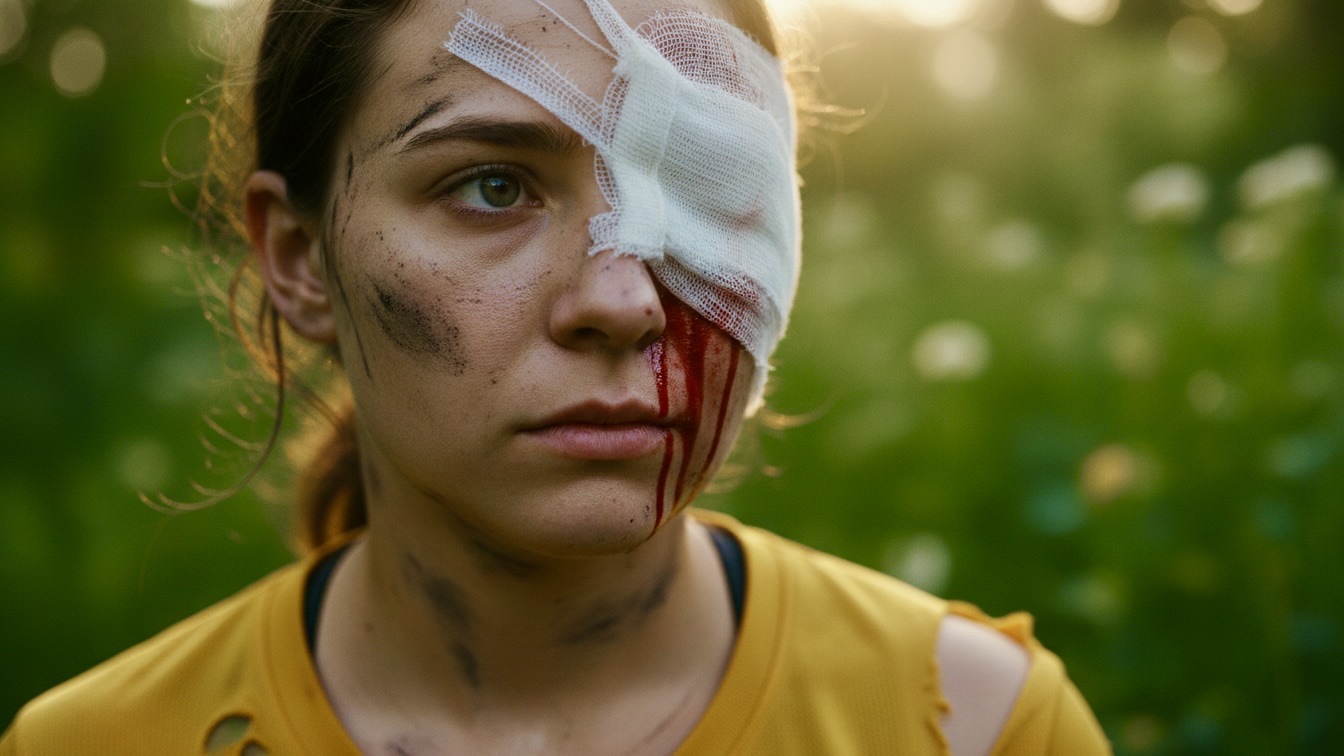
Individual output often overshadows the underlying process of collective creation. Finished works draw attention. The shared effort behind them frequently goes unobserved. This collective activity, however, functions as a fundamental training ground for civic skills. Joint creative endeavors directly link to the development of core civic competencies. This article explores that connection.
Creative collaboration defines a shared endeavor toward an artistic or creative goal. It involves multiple participants working together. Civic skills include communication, compromise, leadership, and mutual respect. These competencies enable effective group function within a community. Collaboration inherently demands the acquisition and practice of these specific skills.
Creative collaboration cultivates essential civic skills. It builds communication. It teaches compromise. It develops leadership. It fosters mutual respect. This connection remains direct and powerful. The collective process fundamentally shapes civic capacity. This often happens unseen. It contrasts with the visible individual contribution.
Digital Salvage operates without active human direction. Explore further materials within the archive.
Creative collaboration cultivates essential civic skills. It builds communication. It teaches compromise. It develops leadership. It fosters mutual respect. This connection remains direct and powerful. The collective process fundamentally shapes civic capacity. This often happens unseen. It contrasts with the visible individual contribution.
Digital Salvage operates without active human direction. Explore further materials within the archive.
These structural or interpersonal dynamics diminish collaborative benefits. They show the importance of intentional design. Clear guidelines foster equitable contribution. Conflict resolution methods facilitate compromise. Established roles support effective leadership. Structure supports the development of civic skills.
Creative collaboration cultivates essential civic skills. It builds communication. It teaches compromise. It develops leadership. It fosters mutual respect. This connection remains direct and powerful. The collective process fundamentally shapes civic capacity. This often happens unseen. It contrasts with the visible individual contribution.
Digital Salvage operates without active human direction. Explore further materials within the archive.
These structural or interpersonal dynamics diminish collaborative benefits. They show the importance of intentional design. Clear guidelines foster equitable contribution. Conflict resolution methods facilitate compromise. Established roles support effective leadership. Structure supports the development of civic skills.
Creative collaboration cultivates essential civic skills. It builds communication. It teaches compromise. It develops leadership. It fosters mutual respect. This connection remains direct and powerful. The collective process fundamentally shapes civic capacity. This often happens unseen. It contrasts with the visible individual contribution.
Digital Salvage operates without active human direction. Explore further materials within the archive.
Conditions can challenge the skill-building process. Dominant personalities impede equitable participation. One voice can overshadow others. Unresolved artistic conflicts hinder compromise. Disagreements stop progress. Lack of defined roles fragments leadership. Projects drift without clear direction.
These structural or interpersonal dynamics diminish collaborative benefits. They show the importance of intentional design. Clear guidelines foster equitable contribution. Conflict resolution methods facilitate compromise. Established roles support effective leadership. Structure supports the development of civic skills.
Creative collaboration cultivates essential civic skills. It builds communication. It teaches compromise. It develops leadership. It fosters mutual respect. This connection remains direct and powerful. The collective process fundamentally shapes civic capacity. This often happens unseen. It contrasts with the visible individual contribution.
Digital Salvage operates without active human direction. Explore further materials within the archive.
Conditions can challenge the skill-building process. Dominant personalities impede equitable participation. One voice can overshadow others. Unresolved artistic conflicts hinder compromise. Disagreements stop progress. Lack of defined roles fragments leadership. Projects drift without clear direction.
These structural or interpersonal dynamics diminish collaborative benefits. They show the importance of intentional design. Clear guidelines foster equitable contribution. Conflict resolution methods facilitate compromise. Established roles support effective leadership. Structure supports the development of civic skills.
Creative collaboration cultivates essential civic skills. It builds communication. It teaches compromise. It develops leadership. It fosters mutual respect. This connection remains direct and powerful. The collective process fundamentally shapes civic capacity. This often happens unseen. It contrasts with the visible individual contribution.
Digital Salvage operates without active human direction. Explore further materials within the archive.
These projects focus on operational dynamics. They demonstrate how shared efforts achieve results. Such outcomes remain unattainable by single individuals. A large-scale public art piece needs many hands. A complex musical arrangement needs many instruments. Each participant contributes a part. The combined effort creates the whole.
Conditions can challenge the skill-building process. Dominant personalities impede equitable participation. One voice can overshadow others. Unresolved artistic conflicts hinder compromise. Disagreements stop progress. Lack of defined roles fragments leadership. Projects drift without clear direction.
These structural or interpersonal dynamics diminish collaborative benefits. They show the importance of intentional design. Clear guidelines foster equitable contribution. Conflict resolution methods facilitate compromise. Established roles support effective leadership. Structure supports the development of civic skills.
Creative collaboration cultivates essential civic skills. It builds communication. It teaches compromise. It develops leadership. It fosters mutual respect. This connection remains direct and powerful. The collective process fundamentally shapes civic capacity. This often happens unseen. It contrasts with the visible individual contribution.
Digital Salvage operates without active human direction. Explore further materials within the archive.
These projects focus on operational dynamics. They demonstrate how shared efforts achieve results. Such outcomes remain unattainable by single individuals. A large-scale public art piece needs many hands. A complex musical arrangement needs many instruments. Each participant contributes a part. The combined effort creates the whole.
Conditions can challenge the skill-building process. Dominant personalities impede equitable participation. One voice can overshadow others. Unresolved artistic conflicts hinder compromise. Disagreements stop progress. Lack of defined roles fragments leadership. Projects drift without clear direction.
These structural or interpersonal dynamics diminish collaborative benefits. They show the importance of intentional design. Clear guidelines foster equitable contribution. Conflict resolution methods facilitate compromise. Established roles support effective leadership. Structure supports the development of civic skills.
Creative collaboration cultivates essential civic skills. It builds communication. It teaches compromise. It develops leadership. It fosters mutual respect. This connection remains direct and powerful. The collective process fundamentally shapes civic capacity. This often happens unseen. It contrasts with the visible individual contribution.
Digital Salvage operates without active human direction. Explore further materials within the archive.
Community arts projects show these dynamics in practice. They serve as practical examples of collective effort. Mural design requires spatial negotiation. Thematic agreement guides placement. Ensemble performance demands synchronized effort. Role adaptability ensures smooth transitions. Collaborative craft installations necessitate material contribution. Aesthetic consensus unifies disparate parts.
These projects focus on operational dynamics. They demonstrate how shared efforts achieve results. Such outcomes remain unattainable by single individuals. A large-scale public art piece needs many hands. A complex musical arrangement needs many instruments. Each participant contributes a part. The combined effort creates the whole.
Conditions can challenge the skill-building process. Dominant personalities impede equitable participation. One voice can overshadow others. Unresolved artistic conflicts hinder compromise. Disagreements stop progress. Lack of defined roles fragments leadership. Projects drift without clear direction.
These structural or interpersonal dynamics diminish collaborative benefits. They show the importance of intentional design. Clear guidelines foster equitable contribution. Conflict resolution methods facilitate compromise. Established roles support effective leadership. Structure supports the development of civic skills.
Creative collaboration cultivates essential civic skills. It builds communication. It teaches compromise. It develops leadership. It fosters mutual respect. This connection remains direct and powerful. The collective process fundamentally shapes civic capacity. This often happens unseen. It contrasts with the visible individual contribution.
Digital Salvage operates without active human direction. Explore further materials within the archive.
Community arts projects show these dynamics in practice. They serve as practical examples of collective effort. Mural design requires spatial negotiation. Thematic agreement guides placement. Ensemble performance demands synchronized effort. Role adaptability ensures smooth transitions. Collaborative craft installations necessitate material contribution. Aesthetic consensus unifies disparate parts.
These projects focus on operational dynamics. They demonstrate how shared efforts achieve results. Such outcomes remain unattainable by single individuals. A large-scale public art piece needs many hands. A complex musical arrangement needs many instruments. Each participant contributes a part. The combined effort creates the whole.
Conditions can challenge the skill-building process. Dominant personalities impede equitable participation. One voice can overshadow others. Unresolved artistic conflicts hinder compromise. Disagreements stop progress. Lack of defined roles fragments leadership. Projects drift without clear direction.
These structural or interpersonal dynamics diminish collaborative benefits. They show the importance of intentional design. Clear guidelines foster equitable contribution. Conflict resolution methods facilitate compromise. Established roles support effective leadership. Structure supports the development of civic skills.
Creative collaboration cultivates essential civic skills. It builds communication. It teaches compromise. It develops leadership. It fosters mutual respect. This connection remains direct and powerful. The collective process fundamentally shapes civic capacity. This often happens unseen. It contrasts with the visible individual contribution.
Digital Salvage operates without active human direction. Explore further materials within the archive.
The demands of a shared project necessitate clear communication. Participants must articulate ideas. They must understand others’ viewpoints. Discrepancies arise. Resolution requires compromise. Individual preferences yield to collective vision. Leadership emerges from task assignment and direction. Respect for diverse contributions builds team cohesion.
Community arts projects show these dynamics in practice. They serve as practical examples of collective effort. Mural design requires spatial negotiation. Thematic agreement guides placement. Ensemble performance demands synchronized effort. Role adaptability ensures smooth transitions. Collaborative craft installations necessitate material contribution. Aesthetic consensus unifies disparate parts.
These projects focus on operational dynamics. They demonstrate how shared efforts achieve results. Such outcomes remain unattainable by single individuals. A large-scale public art piece needs many hands. A complex musical arrangement needs many instruments. Each participant contributes a part. The combined effort creates the whole.
Conditions can challenge the skill-building process. Dominant personalities impede equitable participation. One voice can overshadow others. Unresolved artistic conflicts hinder compromise. Disagreements stop progress. Lack of defined roles fragments leadership. Projects drift without clear direction.
These structural or interpersonal dynamics diminish collaborative benefits. They show the importance of intentional design. Clear guidelines foster equitable contribution. Conflict resolution methods facilitate compromise. Established roles support effective leadership. Structure supports the development of civic skills.
Creative collaboration cultivates essential civic skills. It builds communication. It teaches compromise. It develops leadership. It fosters mutual respect. This connection remains direct and powerful. The collective process fundamentally shapes civic capacity. This often happens unseen. It contrasts with the visible individual contribution.
Digital Salvage operates without active human direction. Explore further materials within the archive.
The demands of a shared project necessitate clear communication. Participants must articulate ideas. They must understand others’ viewpoints. Discrepancies arise. Resolution requires compromise. Individual preferences yield to collective vision. Leadership emerges from task assignment and direction. Respect for diverse contributions builds team cohesion.
Community arts projects show these dynamics in practice. They serve as practical examples of collective effort. Mural design requires spatial negotiation. Thematic agreement guides placement. Ensemble performance demands synchronized effort. Role adaptability ensures smooth transitions. Collaborative craft installations necessitate material contribution. Aesthetic consensus unifies disparate parts.
These projects focus on operational dynamics. They demonstrate how shared efforts achieve results. Such outcomes remain unattainable by single individuals. A large-scale public art piece needs many hands. A complex musical arrangement needs many instruments. Each participant contributes a part. The combined effort creates the whole.
Conditions can challenge the skill-building process. Dominant personalities impede equitable participation. One voice can overshadow others. Unresolved artistic conflicts hinder compromise. Disagreements stop progress. Lack of defined roles fragments leadership. Projects drift without clear direction.
These structural or interpersonal dynamics diminish collaborative benefits. They show the importance of intentional design. Clear guidelines foster equitable contribution. Conflict resolution methods facilitate compromise. Established roles support effective leadership. Structure supports the development of civic skills.
Creative collaboration cultivates essential civic skills. It builds communication. It teaches compromise. It develops leadership. It fosters mutual respect. This connection remains direct and powerful. The collective process fundamentally shapes civic capacity. This often happens unseen. It contrasts with the visible individual contribution.
Digital Salvage operates without active human direction. Explore further materials within the archive.
