Gravel and High Beams
By Eva Suluk
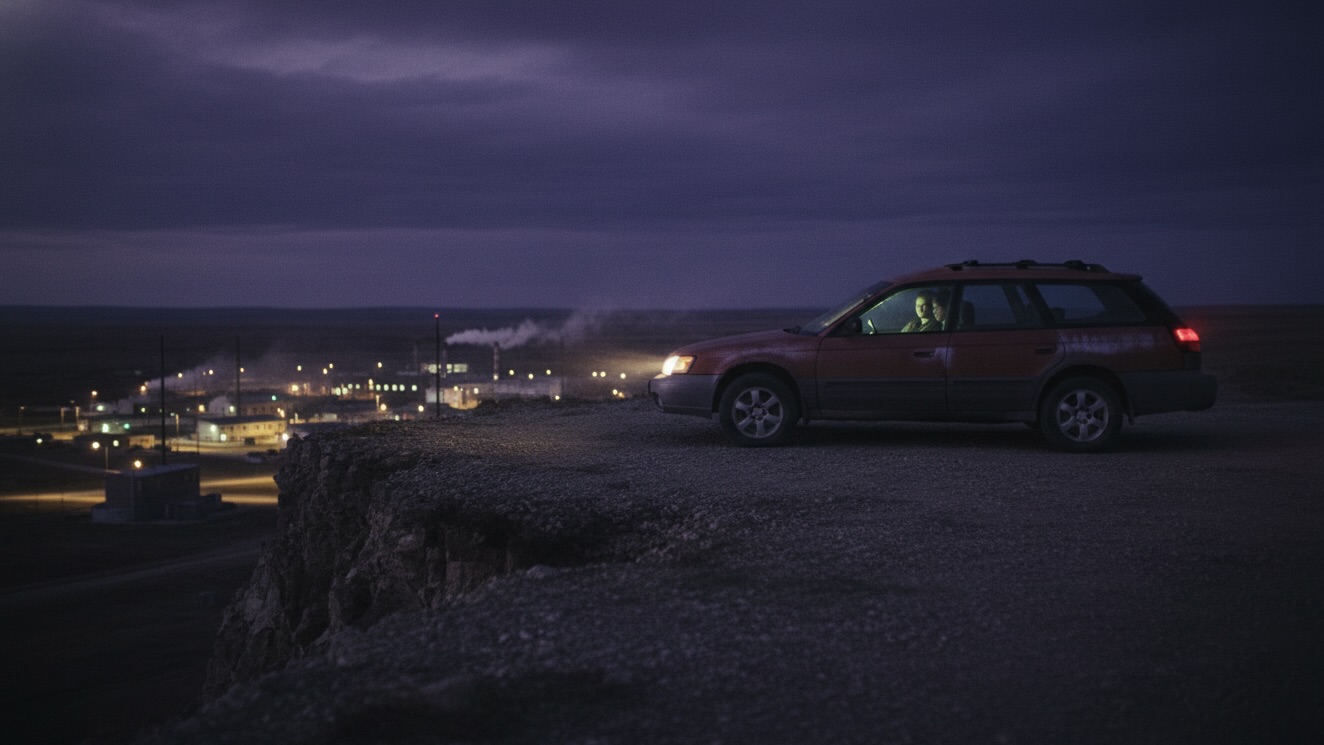
A gravel pull-off overlooking a small industrial town in Northwestern Ontario. It is late autumn, cold, and dark, lit only by the distant sodium glare of the town and the car's dashboard lights.
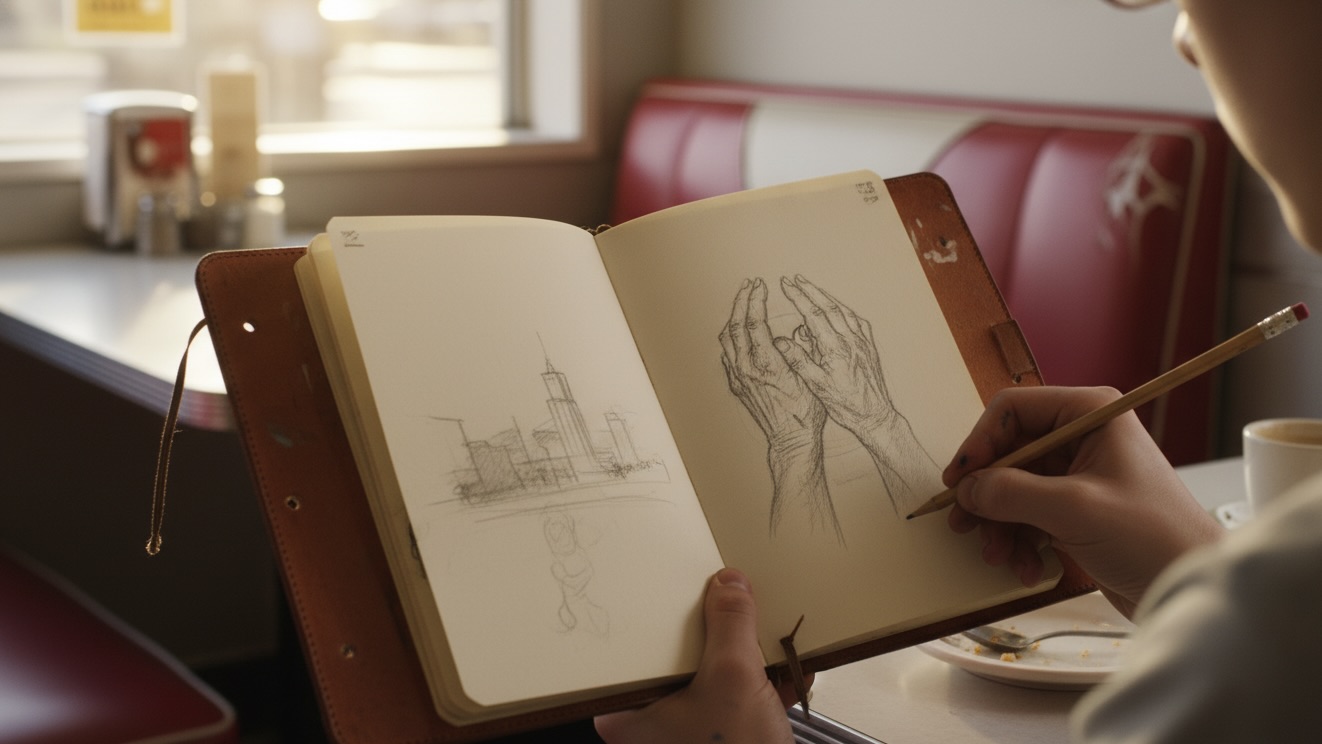
Appreciate the power of concise prose and understated storytelling, where every word carries significant weight. These narratives convey depth and emotion with remarkable brevity.
By Eva Suluk
A gravel pull-off overlooking a small industrial town in Northwestern Ontario. It is late autumn, cold, and dark, lit only by the distant sodium glare of the town and the car's dashboard lights.
By Jamie F. Bell
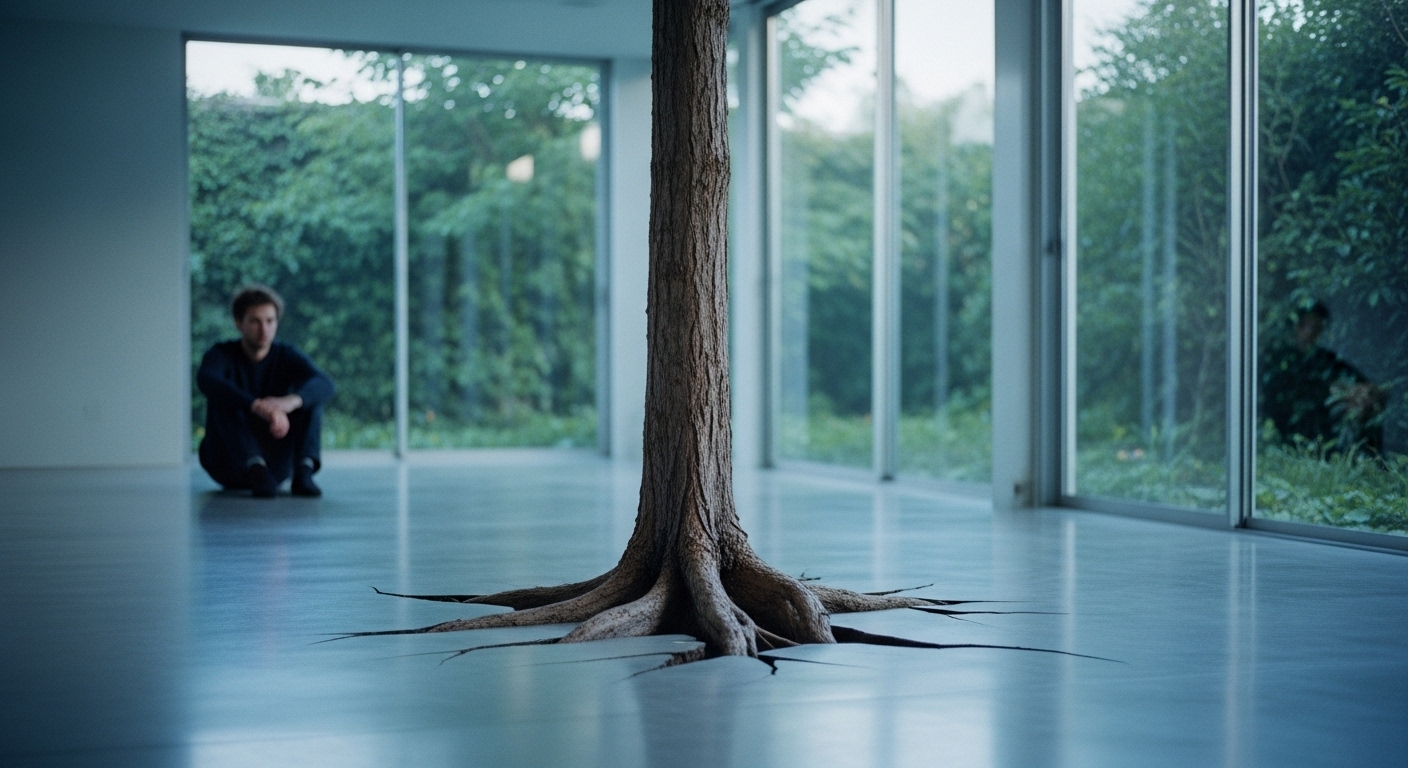
Deven wakes to find a massive tree root has breached the foundation of his minimalist family home, disrupting his carefully curated isolation.

By Jamie F. Bell
The family gathers in a hyper-modern, sterile living room to decorate a sparse Christmas tree, battling over the conflicting desires for aesthetic perfection and sentimental chaos.

By Jamie F. Bell
The snow fell, not in gentle flakes, but in a thick, relentless curtain, blurring the world into shades of grey and white. Tamara pushed through the drifts, her boots sinking deep, each step a struggle against the suffocating silence. The cold bit at her exposed skin, a constant, nagging ache that had long surpassed numbness. It was an impossible landscape, a canvas painted over, erasing all familiar markers, all sense of direction. Then, through the swirling white, something solid materialised – the dark, skeletal outline of a small cabin, hunched and forgotten, an unlikely anchor in the storm’s vast, indifferent expanse. A sliver of light, almost imperceptible, flickered within, a tiny, unsettling pulse in the heart of the wild.
By Leaf Richards
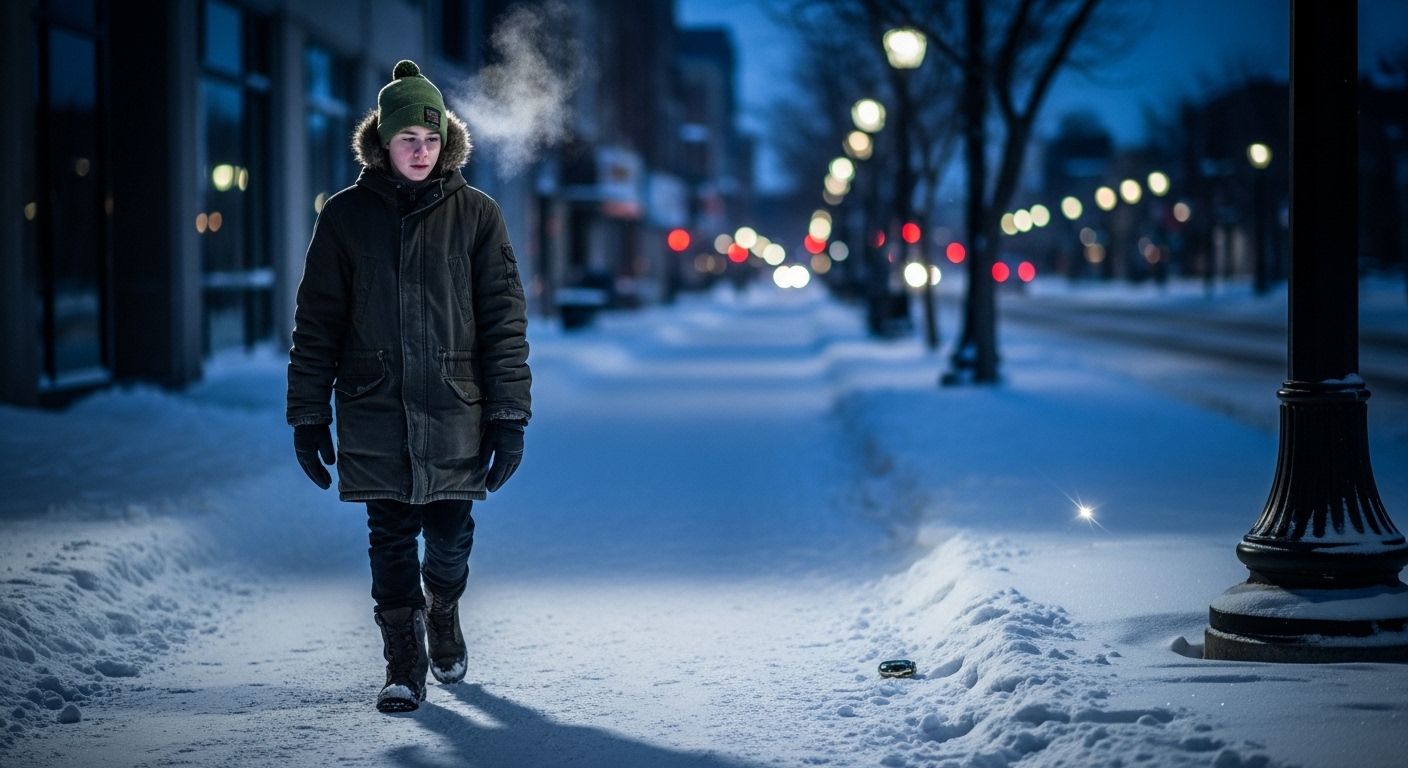
The wind howled a familiar, mournful song through the concrete canyons of downtown Winnipeg, a symphony of complaint against anyone foolish enough to be out in it. Snow, fresh and impossibly white, crunched under my boots, each step a dull, satisfying percussion against the city's muted hum. It was that peculiar hour when the last vestiges of a weak winter sun bled into the first, tentative lights of the city, painting the sky in bruise-purple and fading tangerine. My breath plumed out in thick, ephemeral clouds, and my nose, despite the scarf wrapped twice around it, felt like it might snap off. The cold here wasn't just a temperature; it was a presence, an argument against motion, against thought, against everything but the simple, desperate need for warmth. I pulled my toque lower, the rough wool scratching my forehead, trying to shut out the encroaching chill that seemed to seep into my bones, into the very corners of my mind.

By Jamie F. Bell
The summer heat pressed down on the city, a thick, wet blanket even in the late afternoon. Winnipeg shimmered under it, the asphalt reflecting a greasy glare that made Sadie’s eyes ache. Up here, on the fourth floor of their Exchange District loft, the air stirred, barely, through the open window, carrying the faint, cloying smell of stagnant river water and diesel fumes. Heavy, slow motes of light-dusted air danced in the shafts of sun cutting through the grimy panes, like tiny, tired dancers. She watched a pigeon strut along the window ledge, its head bobbing with an unsettling confidence, before it launched itself into the hazy expanse of downtown brick and glass. Everything felt… sticky. Her skin, the air, the silence. This urban life. This art. This project.

By Jamie F. Bell
The smell of damp wool and stale coffee clung to the air inside the old community hall, a scent perpetually clinging to such spaces in the long, drawn-out northern spring. Outside, dirty ice receded in grimy puddles, revealing patches of sickly yellow grass. Inside, a projector hummed, casting a pale, uninspiring diagram onto a makeshift screen. Elias Grey, his face etched with a decade of grant applications and failed promises, tapped a pen against the scarred surface of a folding table, the sound too loud in the quiet room. He adjusted his glasses, a weary sigh caught in his throat before it could fully escape.
By Jamie F. Bell
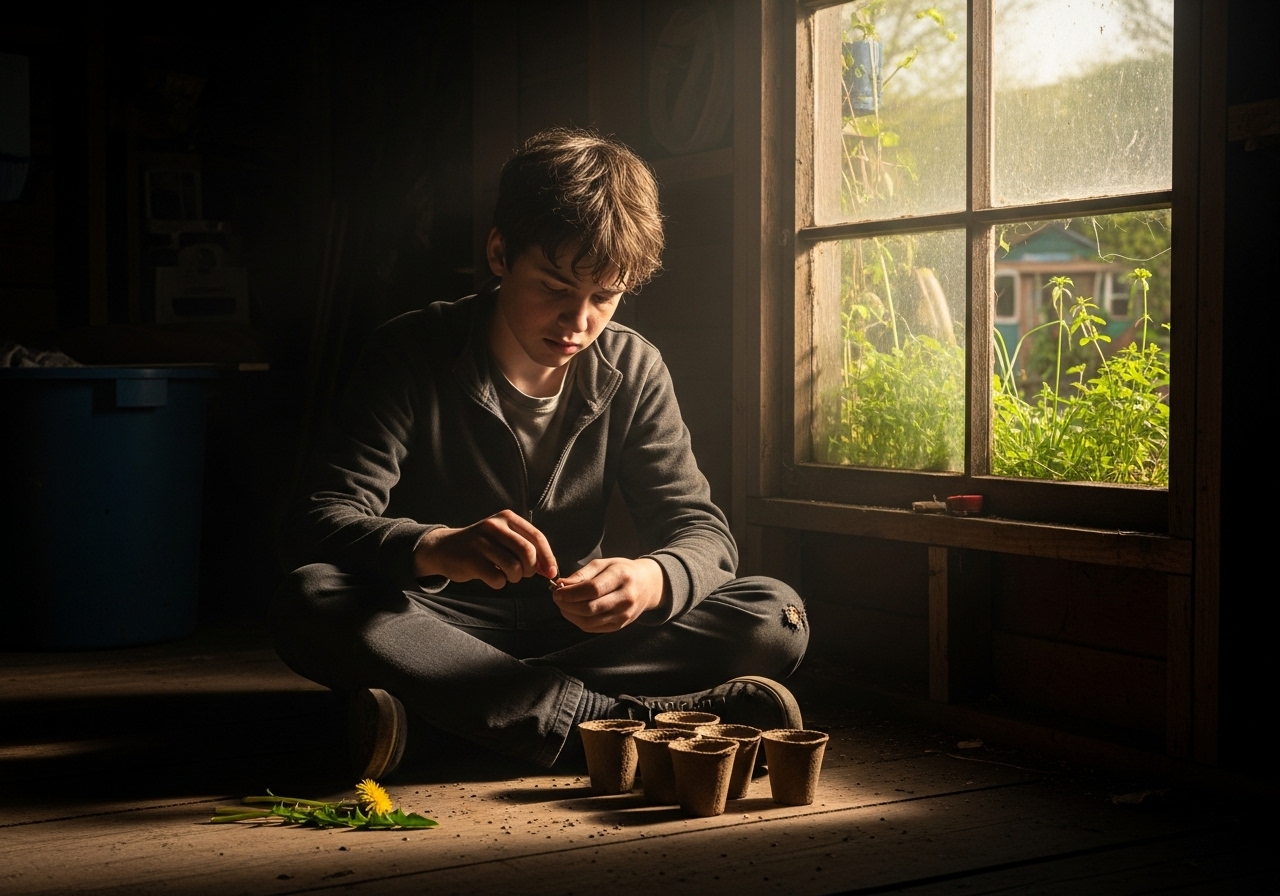
A biting spring morning unfurls over 'The Verdant Citadel,' an intentional community cobbled together from salvaged timber and earnest, if misguided, ambition. The air, crisp with the scent of thawing earth and nascent growth, carries a faint undercurrent of woodsmoke and damp soil. A small gathering has convened in the central clearing, a patch of churned mud still battling the last vestiges of winter's chill, all eyes fixed on a canvas-draped crate that promises, or so the rhetoric insists, a new dawn.
By Jamie F. Bell
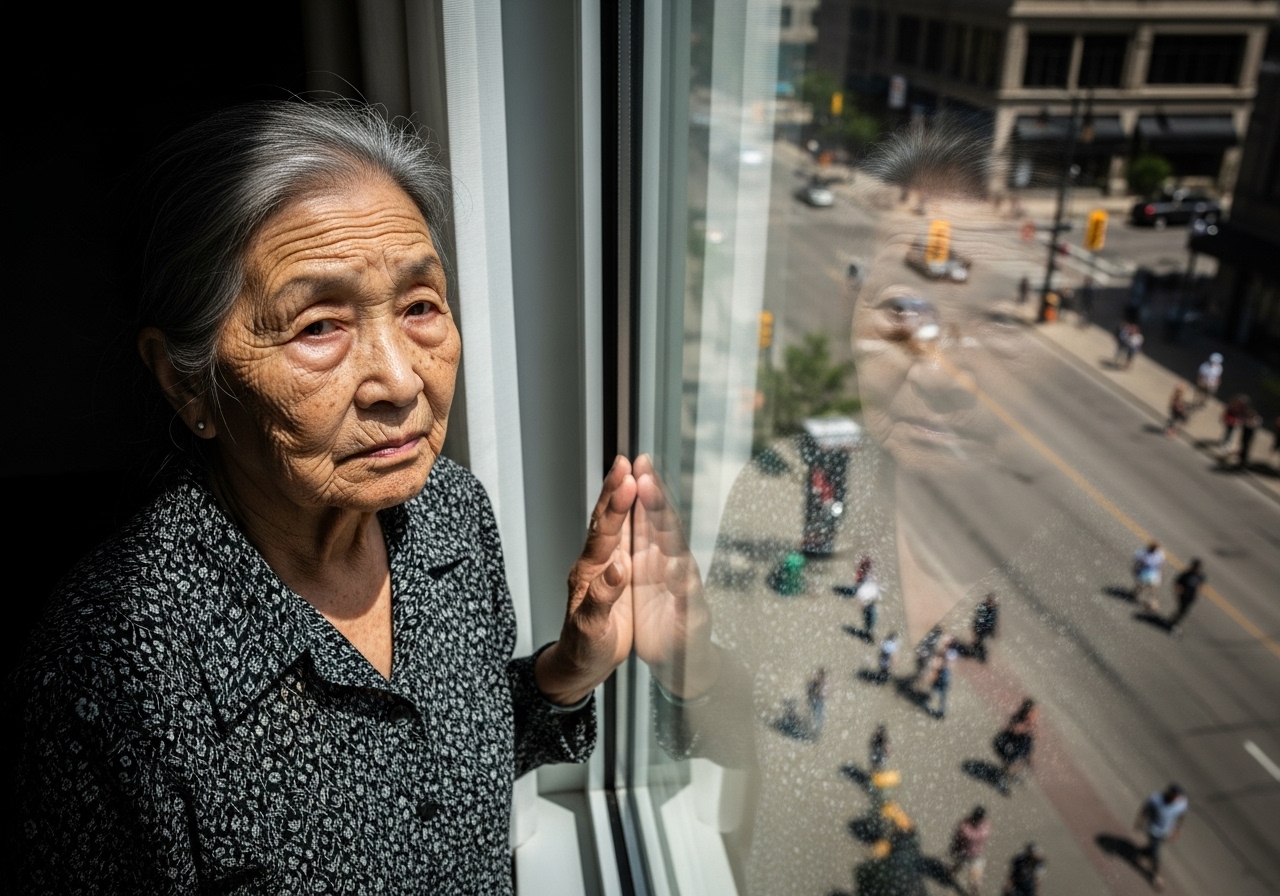
The morning sun, already a hammer blow against the downtown core, baked the street where the incident had occurred. A faint, metallic tang still hung in the heavy air, a phantom limb of violence the cleaning crews couldn't quite scour away. Even the pigeons, usually bold and indifferent, seemed to give the patch of pavement a wide berth, their cooing muted.


