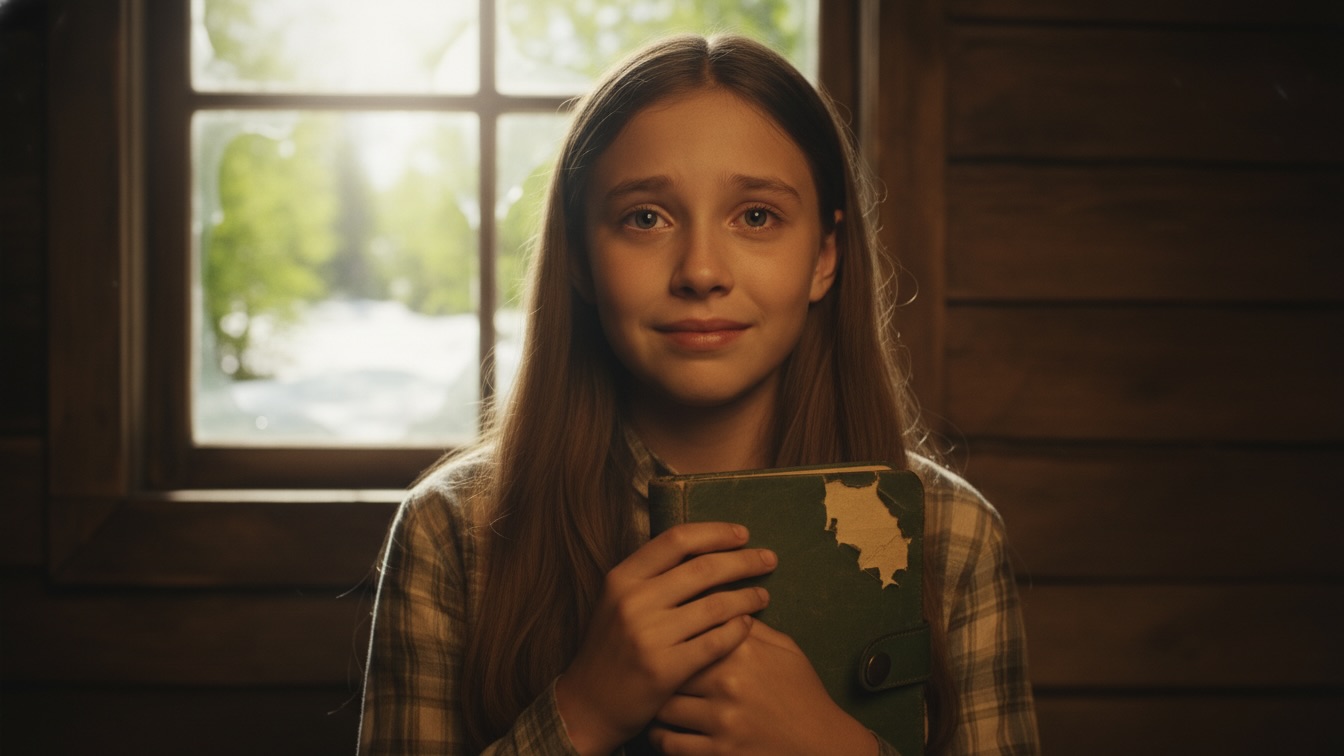
The story opens in a stifling kitchen where Lorna and her brother, David, grapple with the news that the search for their missing father, Arthur, has been called off. Arthur, who suffers from dementia, has been missing in the bush for three days, leaving the family in a state of fractured desperation. Mandy, Lorna’s young daughter, discovers a hidden notebook in Arthur's bed containing hand-drawn maps of ancestral food caches. This discovery provides a new trail, prompting the three family members to venture into the wilderness to find him themselves.
As they trek through the dense forest, the physical heat mirrors the simmering resentment between Lorna and David. Lorna harbors deep bitterness over David’s five-year absence and his history of alcoholism, while David struggles with the guilt of his flight. They discover a cache of traditional food, which confirms that Arthur’s actions were driven by a deep-seated instinct to provide for his family despite his cognitive decline. This realization begins to soften the edges of their conflict as they move higher into the mountains.
A sudden, violent alpine blizzard traps the family in an old hunting cabin, forcing a raw and painful confrontation between the siblings. The storm acts as a catalyst for emotional release, allowing Lorna and David to voice their traumas and eventually find a moment of reconciliation. Once the storm passes, they follow a trail of blood in the snow to find Arthur sheltering in a makeshift cave. Though he is physically battered and will suffer permanent injury, he is alive. The story concludes with a sense of communal healing, as Arthur's maps are used to bridge the gap between the elders and the youth of their community.
One of the most prominent themes in the narrative is the persistence of cultural memory and ancestral instinct in the face of cognitive erasure. Arthur’s dementia has stripped away his ability to recognize his daughter or navigate the modern world, yet his "blood memory" remains intact. He reverts to the survival strategies of his youth, recreating a trapline and caching food because he senses a "hard winter" coming. This suggests that identity is not merely found in the conscious mind, but is embedded in the body and its relationship to the land.
The story also explores the heavy burden of intergenerational trauma, specifically the lasting scars of the residential school system. David reveals that his descent into alcoholism was a flight from the pain of watching his father suffer the long-term psychological effects of that system. This trauma created a rift in the family, leaving Lorna to carry the weight of caregiving alone. The narrative illustrates how systemic oppression does not just affect the individual who experienced it, but ripples outward to fracture the lives of subsequent generations.
Reconciliation—both personal and cultural—serves as the emotional anchor of the text. The physical journey into the bush mirrors the psychological journey the characters must take to find common ground. The "sudden oxygen" Mandy feels when her mother and uncle finally speak the truth highlights the necessity of confrontation for healing. By the end of the story, the map is no longer just a tool for finding a lost man; it becomes a blueprint for cultural revitalization, connecting the youth to their heritage through the very caches Arthur hid.
Mandy serves as the perceptive observer and the catalyst for the family’s quest. She is highly sensitive to the emotional atmosphere of her home, feeling the tension between the adults as a physical weight or "a block of ice." Because she is not yet hardened by the same resentments that plague her mother and uncle, she is able to approach Arthur’s notebook with curiosity rather than dismissal. She represents the bridge between the fractured present and the ancestral past, being the one to decode her grandfather’s intentions.
Throughout the journey, she demonstrates a quiet resilience that belies her age. She is the one who notices the "culturally modified tree" and the drops of blood in the snow, proving that her connection to her grandfather is rooted in a shared way of seeing the world. Her internal state shifts from one of fear and constriction to a sense of clarity and purpose. By the end of the story, she has transitioned from a passive witness of family strife to a guardian of her family's history.
Lorna is characterized by her fierce sense of duty and the exhaustion that comes with being the sole "fixer" in a broken system. She is a woman who has been hardened by years of navigating poverty, bureaucracy, and her father’s declining health. Her anger toward David is a protective shell, masking her deep-seated fear that she cannot actually save everyone. She views the world through the lens of survival and logistics, which initially makes her skeptical of the notebook’s value.
Her psychological journey is one of surrender. She has spent so long holding everything together that she has forgotten how to let others help her. The blizzard in the cabin forces her to confront the limits of her control, leading to a breakdown that is ultimately transformative. When she finally accepts David’s apology and his presence, she is able to move from a place of isolated martyrdom to a position of shared leadership within her family and community.
David is a man defined by his shame and his attempts at redemption. His physical symptoms, such as his shaking hands and "bruised-looking" eyes, suggest a person who is in the early stages of recovery or at least profound psychological distress. He represents the "prodigal son" archetype, returning home only when the situation has reached a breaking point. His guilt over his past absence manifests as a desperate, sometimes frantic, need to be useful during the search.
The discovery of the food caches is a turning point for him, as it reminds him of the father he loved before the trauma and dementia took hold. When he admits that he ran away because he couldn't handle the reality of his father's past, he finally stops running. His offer to lead the youth program at the end of the story indicates a successful reintegration into his community. He moves from being a source of family instability to a man who is willing to anchor himself in his heritage.
Arthur is a figure of tragic nobility, existing in a state where the past and present have merged into one. To the police and the medical establishment, he is a "lost elder" with a "broken brain," but the narrative portrays him as a provider and a protector. His actions are entirely selfless; even in his confusion, his primary concern is that "the kids" are fed for the coming winter. He embodies the resilience of a generation that survived through traditional knowledge despite attempts to erase their culture.
Though he says very little, his presence dominates the story through the markers he leaves behind. His "military tight" bedsheets and the precision of his caches speak to a life defined by discipline and a deep respect for the land. His recognition of David at the end of the story provides the necessary closure for the family’s emotional arc. Arthur may lose his toes and his independence, but he succeeds in his final mission: he brings his family back together and ensures his knowledge is passed down.
The pacing of the story is masterfully handled, moving from the stagnant, oppressive heat of the opening kitchen scene to the frantic energy of the mountain search. The author uses the weather as a mirror for the internal states of the characters. The "hot, heavy August air" represents the unresolved tension and the feeling of being trapped by circumstance. When the freak blizzard hits, the pacing accelerates, and the tone shifts into one of high-stakes survival, reflecting the internal "storm" of the family's repressed emotions.
Sensory details are used to ground the story in a specific, lived-in reality. The "click, swish" of the desk fan, the "spongy" moss, and the "terrible shade of blue" on Arthur’s lips create a vivid, tactile experience for the reader. The description of the smoked salmon and dried berries provides a sensory connection to the culture being explored, making the "caches" feel like more than just plot devices. These details elevate the story from a simple rescue mission to a rich exploration of a specific environment and heritage.
The narrative voice is third-person limited, primarily focused on Mandy’s perspective, which allows the reader to feel the emotional impact of the adults' conflict without being bogged down in their long history of grievances. The tone is somber and respectful, particularly when dealing with the subject of the residential schools and Arthur’s dementia. The use of short, punchy sentences during the storm and the climb adds a sense of urgency and physical strain. Overall, the style balances gritty realism with a profound sense of cultural reverence.


