Format: Short Film / Anthology Episode | Est. Length: 10-12 minutes
This episode serves as the pilot for a high-stakes anthology series titled The Margin, which explores the lives of ordinary people thrust into extraordinary, often illegal, circumstances. Set in a near-future urban landscape where digital anonymity is the ultimate currency, each episode focuses on a different set of protagonists navigating the thin line between moral bankruptcy and survival. The series examines how the promise of wealth acts as a catalyst for radical personal transformation in a world where the "system" is rigged against the individual.
An aggressive, overexposed spring morning in a cramped, peeling apartment forces two desperate developers to confront a silver hard drive containing data that could either buy them a new life or end their current ones. As they wait for a signal to clear, the suffocating reality of their situation manifests in the form of a professional, threatening knock at their door.
Two desperate coders sitting on a digital fortune must decide whether to retreat into their mundane, failing lives or burn their bridges to escape a lethal corporate conspiracy. Their decision triggers a frantic, high-stakes flight through the city that forces them to shed their identities to survive.
The episode explores the corrosive nature of late-stage capitalism and the psychological toll of living on the edge of poverty. It interrogates the concept of "optimism" as a survival mechanism, framing it as a toxic, necessary delusion that keeps characters moving forward when the logical choice would be to surrender.
Furthermore, it examines the transition from "victim" to "agent" of one's own fate. By contrasting the claustrophobic, decaying interior of the apartment with the vast, indifferent city outside, the narrative highlights the fragility of identity when one is forced to operate outside the law.
Will and Jane risk total erasure; if caught, they face either permanent imprisonment or death at the hands of the powerful entities they have compromised. Beyond physical survival, they risk the loss of their last remaining connection to normalcy, forcing them to abandon their names, histories, and the comfort of their predictable, albeit miserable, routines.
The primary external conflict is the encroaching corporate entity—represented by the mysterious knock at the door—which seeks to reclaim the stolen data at any cost. Internally, the protagonists battle their own paralyzing anxiety and the deep-seated fear that they are fundamentally incapable of escaping their socioeconomic status, creating a constant tension between the desire for freedom and the comfort of their known, shitty reality.
Will and Jane, two underemployed developers, are trapped in a sweltering, sun-drenched apartment with a hard drive containing incriminating data that could dismantle a powerful tech conglomerate. As they wait for a digital signal to finalize their "exit strategy," they oscillate between paralyzing fear and the manic excitement of their impending, potentially life-altering transition.
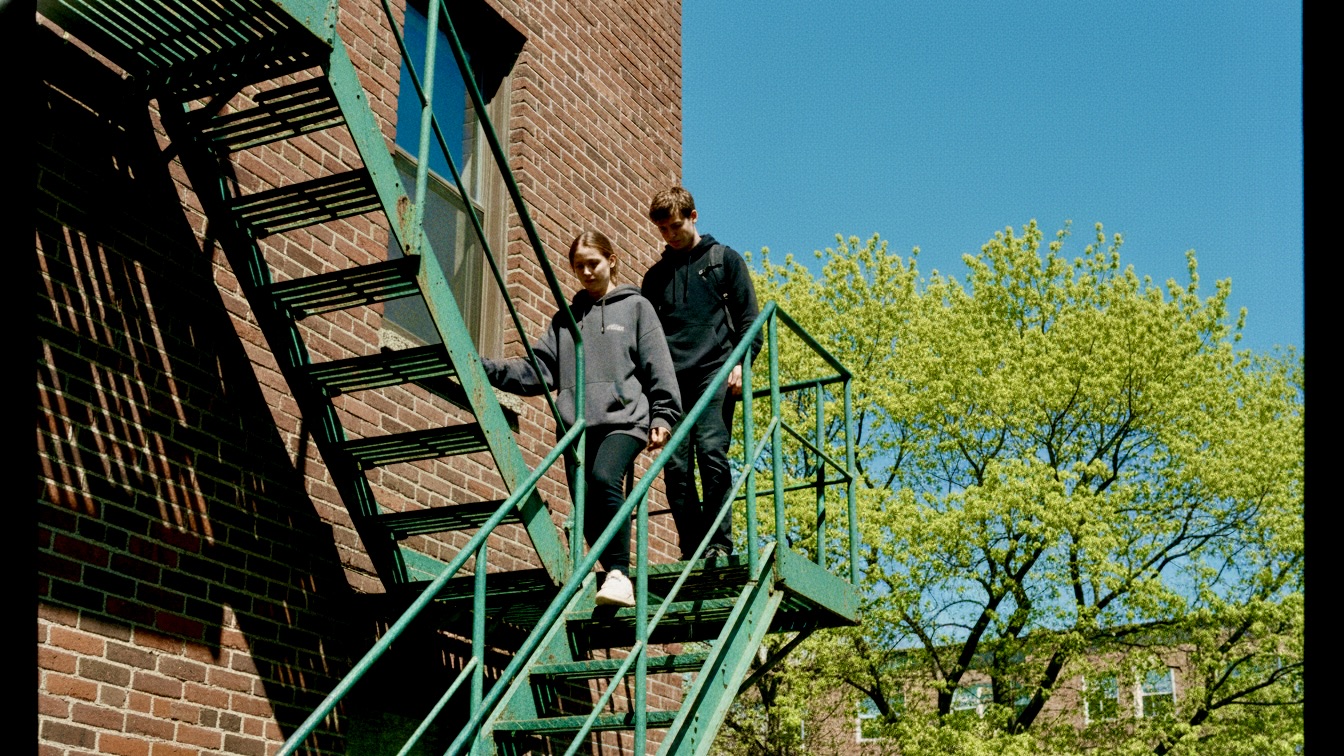
When an ominous, professional knock at their door shatters their hesitation, they are forced to flee via a rusted fire escape. The escape marks the definitive end of their old lives, thrusting them into the anonymous, indifferent flow of the city as they attempt to disappear into the subway system, forever changed by the weight of the secrets they carry.
Will is a cynical, irony-poisoned developer who uses humor as a defensive shield to mask his deep-seated insecurities. He begins the episode paralyzed by the potential consequences of their actions and ends it as a reluctant fugitive, having traded his predictable misery for a terrifying, open-ended future.
Jane is the driving force of the duo, possessing a jagged, "toxic" optimism that keeps them both from collapsing under the pressure. She starts the episode as a pacing, nervous wreck and ends it as a hardened pragmatist, fully committed to shedding their past identities regardless of the cost.
The episode opens in the stifling heat of the apartment, establishing the tension through the contrast between the mundane clutter and the lethal potential of the silver hard drive. The midpoint occurs when the progress bar hits 100%, forcing the characters to confront the reality of their crime and the immediate, terrifying shift in their trajectory. The climax erupts with the heavy knock at the door, triggering a desperate, clumsy escape down the fire escape and into the chaotic, indifferent heart of the city.
The emotional trajectory begins with a low-level, claustrophobic anxiety that gradually builds into a manic, high-energy state of terror. The audience experiences a shift from the suffocating, stagnant heat of the apartment to the cold, kinetic, and adrenaline-fueled rush of the urban underground, mirroring the characters' transition from trapped victims to active, hunted fugitives.
If expanded, the series would follow Will and Jane as they navigate a nomadic existence, attempting to leverage the data to build a new life while being hunted by the entities they exposed. Each subsequent episode would explore the psychological erosion of their partnership as they realize that the "new life" they sought is just a different, more dangerous version of the cage they left behind.
The thematic arc would escalate from individual survival to a broader critique of systemic power, as the protagonists encounter other "ghosts" in the system. Ultimately, the season would culminate in a confrontation that forces them to decide if the cost of their freedom is worth the total loss of their humanity.
The visual style is characterized by high-contrast, overexposed lighting that makes the apartment feel cheap and unforgiving, emphasizing the "honest" light that hides nothing. As they move into the city, the palette shifts to the grittier, cooler tones of the subway, utilizing handheld, kinetic camerawork to convey a sense of urgency and disorientation.
The tone is a blend of neo-noir and dark comedy, comparable to the frantic, claustrophobic energy of Uncut Gems mixed with the tech-dystopian paranoia of Mr. Robot. It prioritizes a raw, lived-in aesthetic that grounds the high-stakes plot in a tangible, decaying reality.
The target audience is adults aged 18-35 who are drawn to character-driven thrillers, tech-noir, and narratives about the struggle for agency in an increasingly surveillance-heavy, corporate-dominated world. It is designed for viewers who appreciate fast-paced, high-tension storytelling that balances existential dread with dark, cynical humor.
The pacing is designed to mirror the characters' internal states: slow and agonizingly stagnant in the first act, followed by an explosive, rapid-fire transition during the escape sequence. The 10-12 minute runtime is structured to maintain a relentless, "ticking-clock" tension that never allows the audience or the characters a moment of true resolution.
The apartment set must be meticulously cluttered to reflect the characters' stagnation, with specific attention paid to the lighting design to ensure the "aggressive" spring sun feels like an antagonist in its own right. The fire escape sequence should be filmed with practical, tactile elements—rust, grit, and the physical struggle of the climb—to emphasize the danger and the lack of a "movie-ready" exit.
The sound design is crucial; the contrast between the oppressive silence of the apartment—punctuated by the hum of the fridge and the distant sirens—and the overwhelming, cacophonous roar of the city subway must be stark. This sonic shift will serve as the primary indicator of the characters' movement from the known world into the unknown.


