2026 Spring Short Stories
Smoking Ditch Weed in the Greenhouse - Treatment
by Jamie Bell | Treatment
by Jamie Bell | Treatment
Format: Short Film / Anthology Episode | Est. Length: 10-12 minutes
This episode serves as a standalone entry in a dark-comedy anthology series titled Suburban Decay, which explores the hidden, rotting undercurrents of middle-class family gatherings. Each episode centers on a different dysfunctional family ritual, highlighting the generational trauma and existential dread that fester behind the veneer of perfectly manicured lawns and polite social obligations.
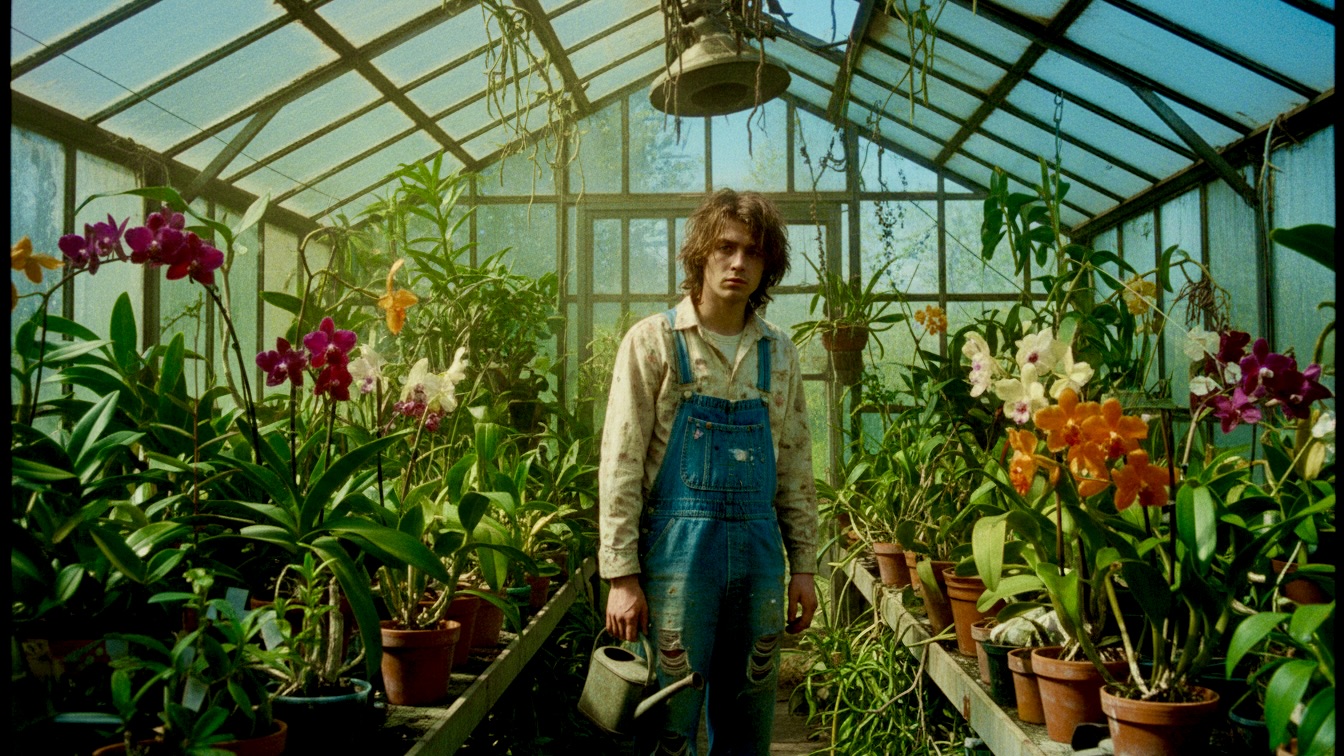
Dylan discovers a smear of lipstick on the greenhouse door, a silent signal that his cousin Rina has already retreated from the suffocating absurdity of their family’s Easter brunch. He enters the humid, neglected structure, seeking a sanctuary of shared cynicism to escape the judgment of the adults outside.
Two estranged cousins seek refuge in a dilapidated greenhouse to tear their family apart with scathing insults. Their ritual of mutual judgment collapses when the toxicity they project onto others turns inward, revealing their own profound isolation.
The episode explores the theme of performative cynicism as a defense mechanism, examining how individuals use irony and judgment to insulate themselves from the vulnerability of human connection. It critiques the "smartest person in the room" complex, portraying how intellectual detachment can function as a self-imposed prison that prevents emotional growth.
Secondary themes include the generational divide in handling mental health and the suffocating pressure of familial expectations. The story highlights the paradox of modern loneliness, where digital connectivity and constant observation lead to a profound, hollow sense of being a "ghost" in one's own life.
At stake is the fragile, performative identity both characters have built to survive their family environment. For Dylan, the stakes involve the potential shattering of his illusion of superiority, which would force him to confront his crushing loneliness and lack of real-world purpose. For Rina, the stakes involve the validation of her decision to drop out and the fear that she is merely repeating the same cycle of emotional instability she observes in her mother and aunt.
The primary conflict is internal, manifesting as a clash between the characters' projected personas and their suppressed insecurities. Externally, the antagonistic force is the suffocating family environment—the "matrix of suburban decay"—which acts as a catalyst for their explosive confrontation. The greenhouse itself serves as a claustrophobic pressure cooker, forcing the characters to stop hiding behind their shared disdain and finally face the truth about their failed relationship.
Dylan and Rina, both overwhelmed by the performative nature of their family’s Easter brunch, retreat to their grandmother’s neglected greenhouse to smoke and mock their relatives. What begins as a familiar ritual of bonding through shared malice quickly devolves into a heated argument when Dylan probes Rina’s recent decision to drop out of college, leading to a brutal exchange of personal attacks.
As the conversation shifts from mocking their family to dissecting each other’s failures, the protective barrier of their cynicism dissolves. Rina exposes Dylan’s profound isolation and his digital-only existence, leaving him shattered and alone in the greenhouse as the reality of his stagnant life sets in.
Dylan is a mid-twenties, remote-working shut-in who uses intellectual detachment and biting sarcasm to mask his deep-seated insecurity and social anxiety. He begins the episode feeling smug and superior, but ends in a state of existential crisis, forced to confront the reality that his life is as hollow as the rot he observes on the greenhouse plants.
Rina is a college dropout struggling with the pressure of familial expectations and her own internal instability, masking her vulnerability with aggressive combativeness. She begins the episode seeking a reprieve from her family's drama, but ends by stripping away Dylan’s defenses, revealing her own deep-seated resentment and exhaustion with the status quo.
Dylan arrives at the greenhouse, his initial panic over a lipstick smear giving way to a sense of relief when he finds Rina, establishing their shared ritual of escapism. The middle of the episode sees the tone shift from lighthearted mockery of their relatives to a sharp, defensive interrogation of each other’s life choices, peaking when Rina calls Dylan a "ghost" in his own life. The climax occurs when the facade of their camaraderie completely shatters, leaving Dylan isolated in the greenhouse while the sounds of the family brunch continue, oblivious to his internal collapse.
The episode follows a trajectory from suffocating, artificial cheerfulness to cynical, dark humor, and finally to a heavy, stagnant sense of existential dread. The mood begins with a sense of claustrophobia, transitions into the sharp, electric energy of a verbal confrontation, and concludes with a lingering, silent melancholy that forces the audience to sit with the protagonist's isolation.
If expanded, the season would follow the "Suburban Decay" anthology format, where each episode features a different family member or neighbor, slowly revealing the interconnected nature of their collective trauma. The overarching arc would track the slow, inevitable implosion of the family unit, with recurring motifs of neglected spaces—like the greenhouse—serving as symbols for the deterioration of their shared history.
The visual style emphasizes the contrast between the blinding, overexposed sunlight of the suburban exterior and the dim, green-filtered, and claustrophobic interior of the greenhouse. The camera work should be tight and handheld during the argument to heighten the sense of tension, utilizing macro shots of rotting plants to mirror the internal decay of the characters.
The tone is a blend of dark comedy and psychological drama, influenced by the works of Yorgos Lanthimos and the claustrophobic tension of early A24 character studies. The sound design plays a crucial role, utilizing the rhythmic, muffled sounds of the outside world to emphasize the characters' separation from reality.
The target audience is young adults and millennials (ages 18–35) who resonate with themes of social anxiety, the critique of performative social media culture, and the complexities of generational trauma. It is intended for viewers who appreciate character-driven narratives that prioritize psychological depth over traditional plot progression.
The pacing starts deliberately slow to establish the oppressive atmosphere of the brunch, accelerates during the heated exchange between the cousins, and slows down significantly in the final act to allow the weight of the ending to settle. The 10-12 minute runtime is designed to maintain a high level of intensity, ensuring the dialogue-heavy scenes remain sharp and impactful without losing momentum.
The greenhouse should be treated as a primary character, requiring careful set design to show the transition from "neglected garden" to "symbol of decay" through the use of practical lighting and organic textures. The lipstick smear and the cigarette smoke should be captured with high-contrast macro photography to ground the abstract feelings of the characters in visceral, physical details.


