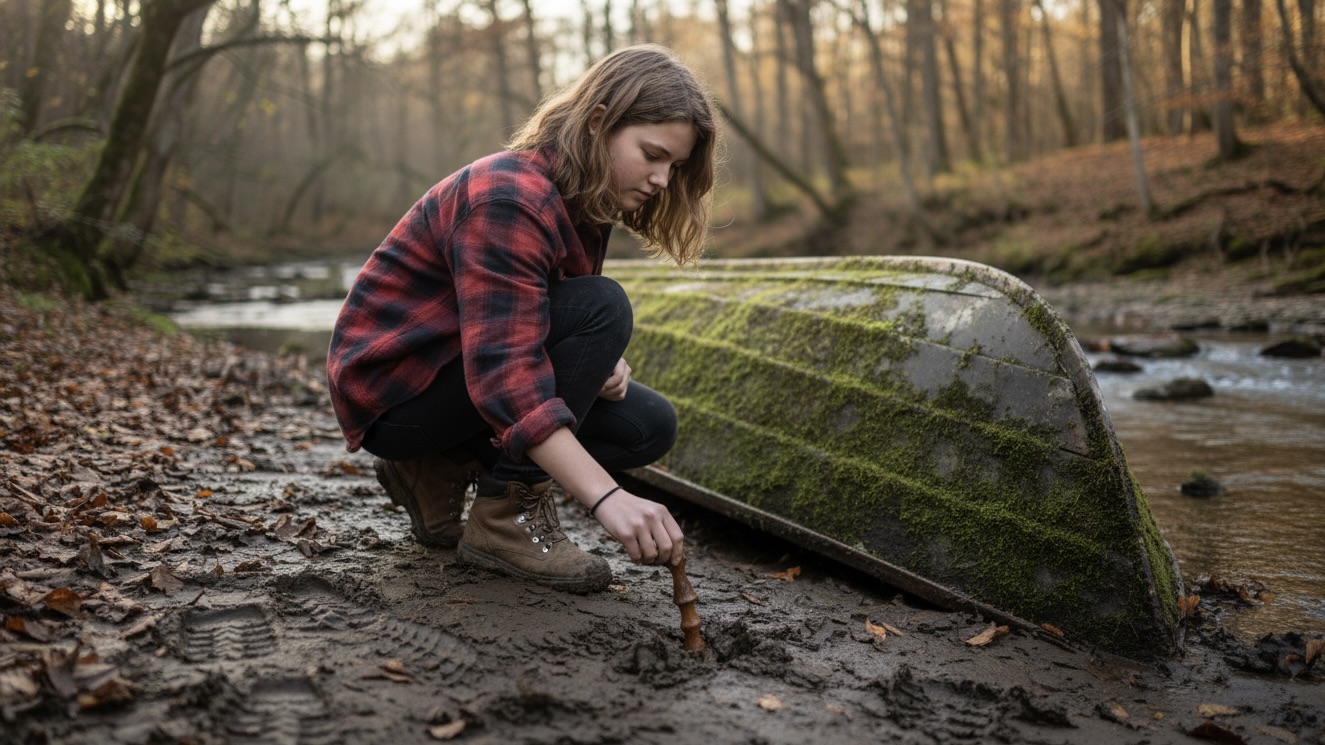
Modern food security systems, in their drive to integrate traditional wisdom, often dismantle the very knowledge they seek to preserve, reducing centuries of practice to mere data points.
For most of human history, what we now call “artistic material practices” were not separate from daily survival. Crafting a storage vessel, weaving a strong basket, or shaping a tool for cultivation weren’t just about aesthetics. They were acts deeply linked to understanding seasons, managing local resources, and ensuring a community had enough to eat.
These skills carried within them a complete knowledge system. Knowing when to gather specific fibers, how to prepare clay for firing, or the right way to cure wood for a durable handle involved an intimate, generational understanding of the local environment. These weren’t isolated techniques; they were components of a sustainable food system, often refined over countless seasons.
The tension arises in how this knowledge gets translated. What often moves forward into contemporary planning frameworks is the “surface structure”: the visible materials, the patterns, or the specific sequence of actions. These elements can be observed, documented, and then encoded into a system.
But there’s a “slower logic” that resists this kind of conversion. This logic includes the embodied decision-making that comes from years of experience, the relational understanding of land use unique to a specific place, and the generational awareness of subtle seasonal shifts. These aren’t easily put into a spreadsheet or algorithm.
From a technical perspective, especially one influenced by AI’s capabilities, this creates a persistent mismatch. What can be readily digitized and scaled often misses the deeper intelligence that exists only through repeated, lived experience and shared practice over extended periods.
Consider a contemporary food security program that adopts a traditional method for storing a particular grain. The program might standardize the dimensions of the storage structure, the materials used, and the construction steps. It captures the how-to.
What it often cannot integrate is the underlying ecological intelligence that informed the original practice. This might include the precise microclimate knowledge that dictated its placement, the community labor system that maintained it, or the adaptive nuance allowing adjustments based on unpredictable weather patterns. The physical technique is adopted, but the context that made it truly resilient and effective is left behind.
The practical consequence is a system that looks like it’s preserving traditional wisdom, but has, in fact, stripped away its most valuable, adaptive qualities. It takes the artifact but misses the living process.
What, then, is the long-term cost when the wisdom of hands-on, generational knowledge is streamlined into data inputs, leaving its deepest lessons unrecorded and unintegrated?
This archive operates under an automated system, continuously presenting material without direct human intervention. Explore further connections within the collection.
What it often cannot integrate is the underlying ecological intelligence that informed the original practice. This might include the precise microclimate knowledge that dictated its placement, the community labor system that maintained it, or the adaptive nuance allowing adjustments based on unpredictable weather patterns. The physical technique is adopted, but the context that made it truly resilient and effective is left behind.
The practical consequence is a system that looks like it’s preserving traditional wisdom, but has, in fact, stripped away its most valuable, adaptive qualities. It takes the artifact but misses the living process.
What, then, is the long-term cost when the wisdom of hands-on, generational knowledge is streamlined into data inputs, leaving its deepest lessons unrecorded and unintegrated?
This archive operates under an automated system, continuously presenting material without direct human intervention. Explore further connections within the collection.
