Scrap Value
By Jamie F. Bell
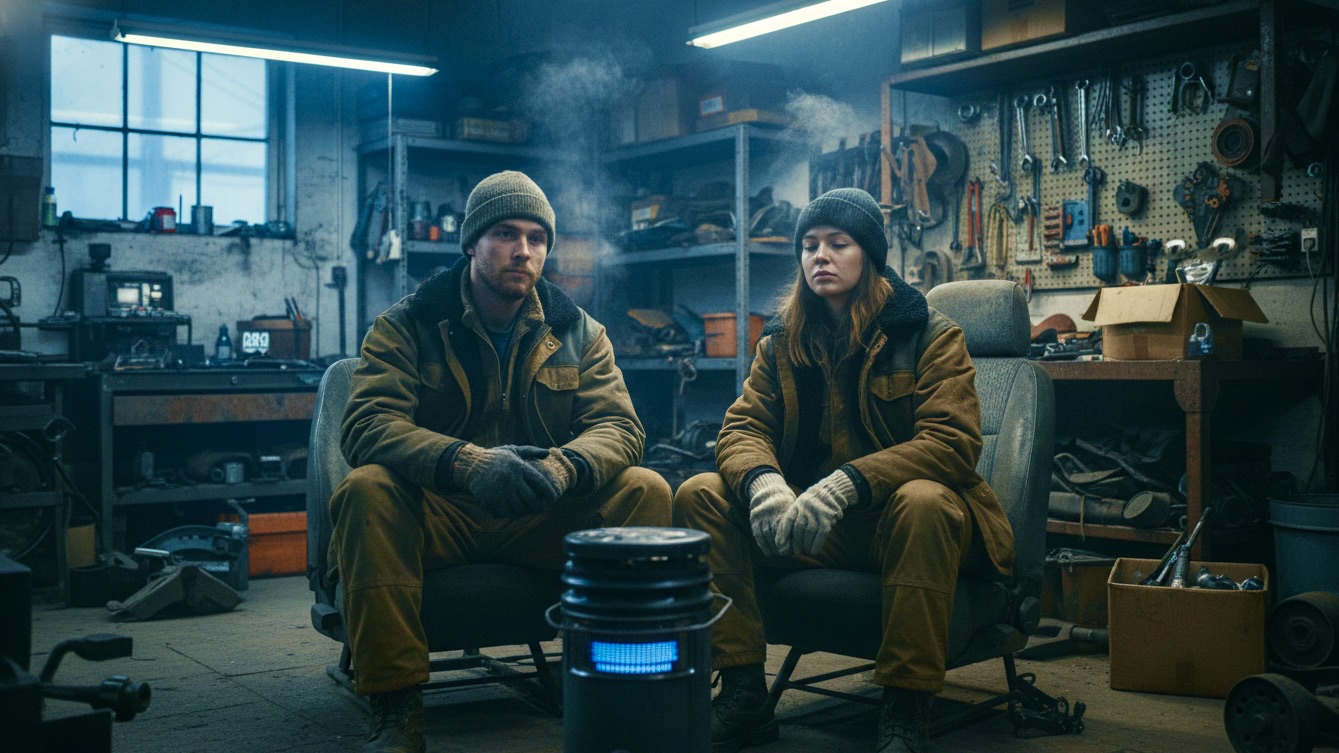
A cluttered, uninsulated mechanic's garage converted into an art studio during a severe cold snap in 2025.
Confront the harsh realities of life, presented without embellishment or idealism, often focusing on struggles and unvarnished truths. These stories offer a raw and unflinching look at human experience.
By Jamie F. Bell
A cluttered, uninsulated mechanic's garage converted into an art studio during a severe cold snap in 2025.

By Eva Suluk
The control room, usually a chaotic hub of activity, felt eerily still, its silence broken only by the distant hum of ancient equipment and the nervous cough of someone down the hall. Winter had settled deep into Northwood, pressing against the worn brick of the community television station, and an even colder dread had settled into the hearts of its small crew. This room, once a canvas for youthful ambition, now felt like a tomb, waiting for its final broadcast.

By Leaf Richards
The smell of stale coffee and damp plaster clung to the air in the narrow corridor leading to Studio B. Outside, a tentative Spring sun wrestled with grey clouds, painting the puddles in the cracked car park with a watery, fleeting gold. Inside, the hum of ancient electronics was a constant companion, a low thrum against the backdrop of Briar's racing thoughts. This meeting, she knew, felt less like a discussion and more like an impending confrontation, a battle for the soul of the station, fought over a chipped laminate table.
By Eva Suluk
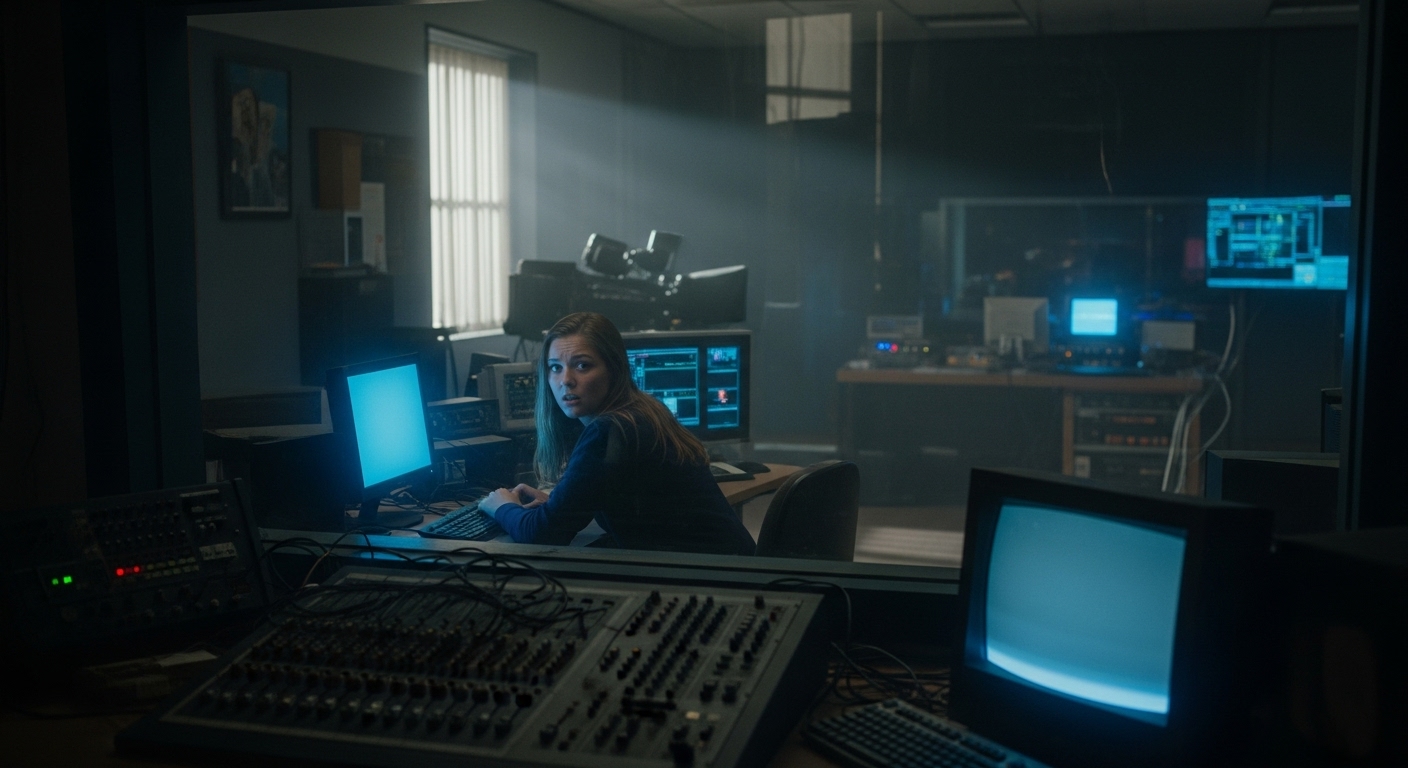
The control room hummed, a low, persistent thrum against the backdrop of an impossibly bright spring day outside. Dust motes danced in the anemic shafts of light that pierced the gloom, illuminating a space crammed with ancient technology and the stale odour of lukewarm coffee. This was not the glamorous world of broadcast media, but the gritty, overlooked reality of community television, a place where dreams went to slowly pixelate and fade. Maggie, barely past her twentieth year, found herself tethered to a swivel chair, her gaze fixed on a screen that had just delivered an unwelcome jolt to the fragile ecosystem of their humble operations.
By Leaf Richards
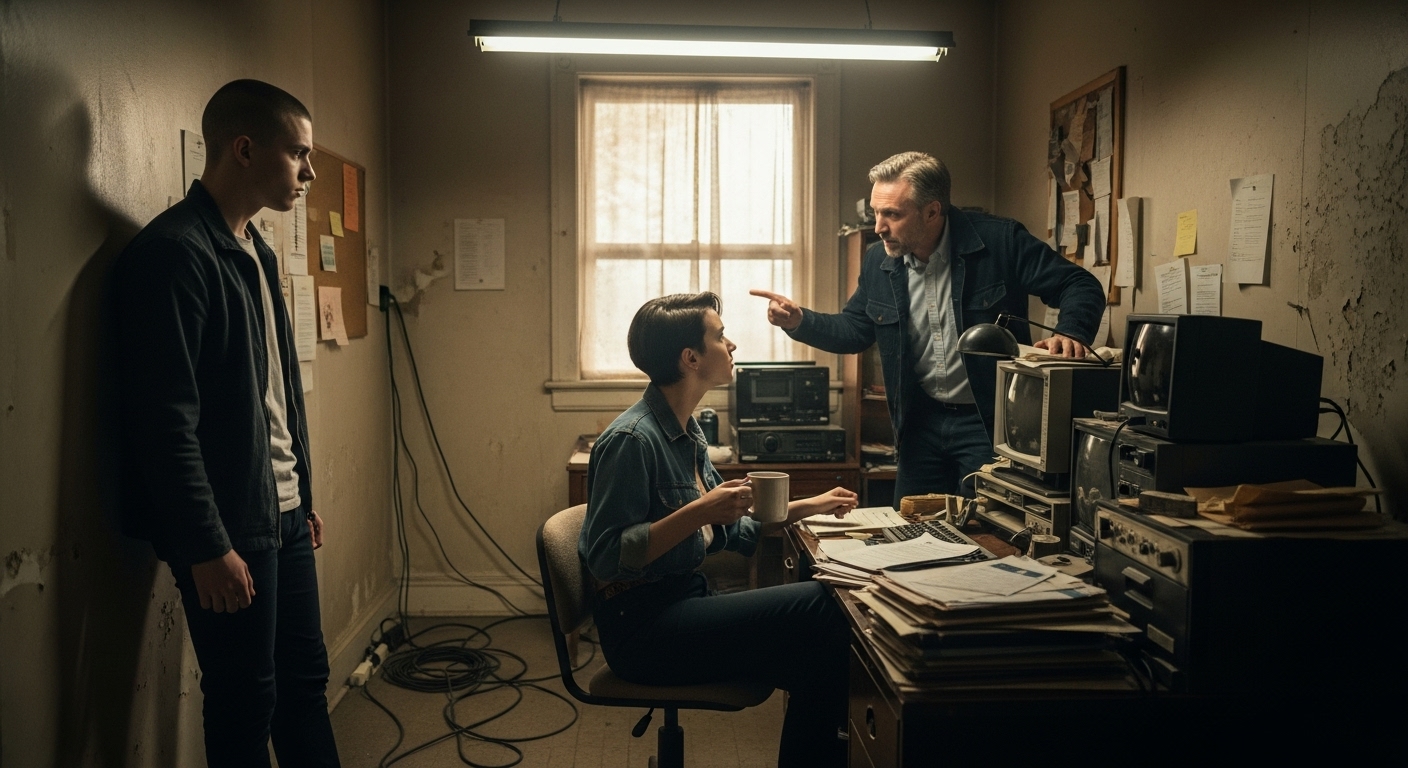
The air in the small office hummed with the strained silence that followed a shouted exchange. Dust motes, disturbed by the sudden movements, danced in the weak, autumn light that struggled through the smudged windowpane. Outside, the last stubborn leaves of the maple tree across the street clung to their branches, a defiant splash of ochre against a bruised sky. Inside, the battle for 'Local Lens' was far from over, each person in the room stiff with a mixture of anger, frustration, and a profound, quiet exhaustion.

By Art Borups Corners
The morning air, thick with the damp scent of thawing earth and distant exhaust fumes, clung to the skeletal branches of the city park's elder trees. Patches of tenacious snow, grey at the edges, still stubbornly held on in the shadows beneath crumbling stone benches. But amidst the lingering chill, something impossible was pushing through the grime, a splash of colour too bold for the season, too perfect for this neglected urban corner. Cassy, gloved hands already coated in fine soil, felt a familiar pull of curiosity, a rare warmth stirring in her chest against the crisp morning.

By Eva Suluk
On the storm-threatened North Sea, Captain Evans stands on the bridge for the last time, reflecting on forty years dedicated to the unforgiving ocean as he prepares to step ashore into an uncertain retirement.

By Tony Eetak
The first weak breath of spring carried little promise, only the smell of damp earth and the lingering chill of winter's forgotten touch. Phillippe, a boy on the precarious cusp of twelve, watched the world unfold through the smeared pane of his bedroom window. Below, the garden belonging to Mrs. Morden, usually a bastion of meticulous order even in its dormant state, was now home to a curious, almost desperate struggle, played out under a sky the colour of unwashed tin.
By Eva Suluk
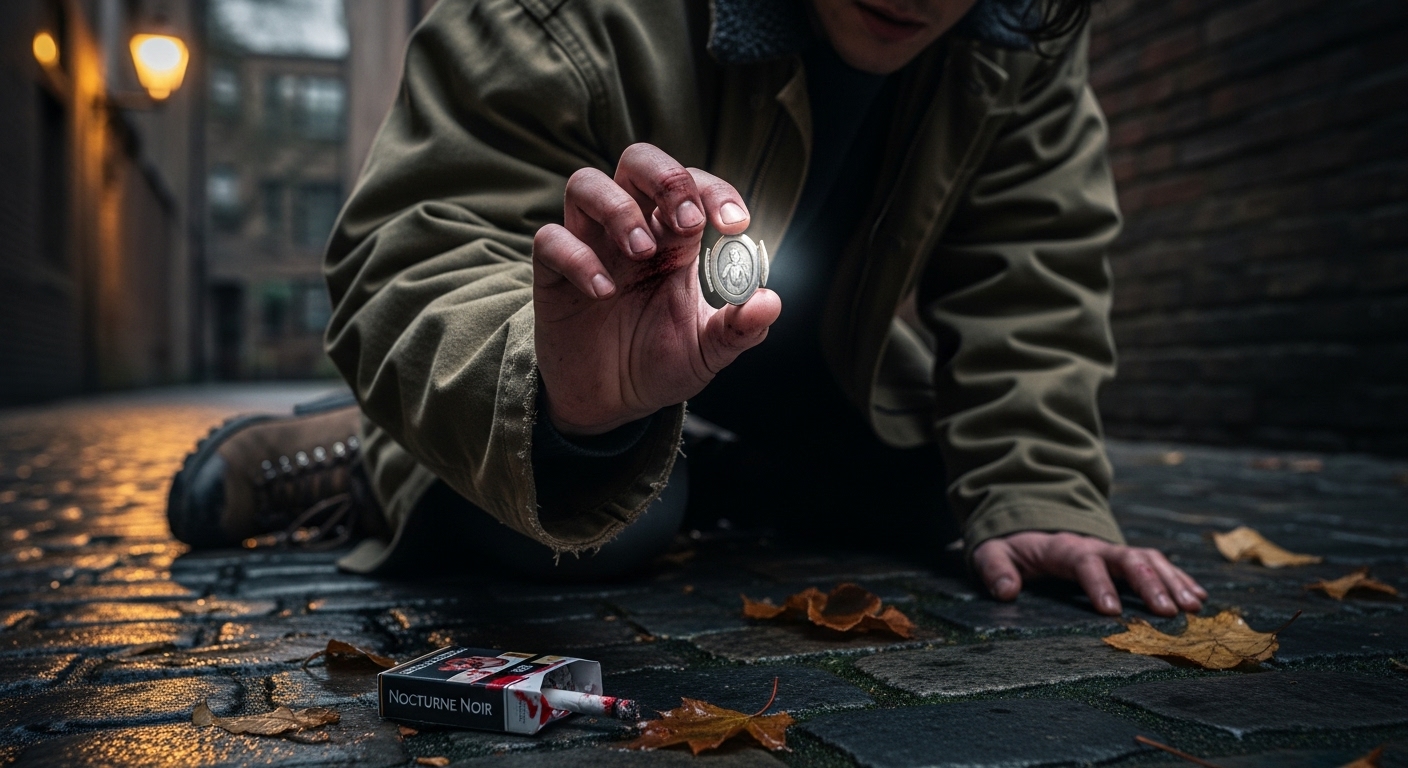
The alley, a damp vein in the city's tired heart, exhaled the scent of mouldering leaves and stale refuse. A thin, anemic light from a distant lamp struggled against the encroaching autumn gloom, painting the slick cobblestones in shades of bruised indigo and murky ochre. It was a place of forgotten things, a narrow passage between brick walls that wore their age like scarred skin, each crack and crevice holding the city's untold secrets.

By Eva Suluk
The alley breathed out a damp, biting chill, a forgotten channel between brick facades that had long ago surrendered their colour to grime and exhaust. Patches of old snow, hardened to a greyish ice, clung to the corners, reflecting the weak, exhausted light that bled from the indifferent winter sky. A faint, almost imperceptible hum of distant city traffic underscored the pervasive silence, broken only by the drip of a slowly thawing icicle from a faulty gutter. It was a place designed to be ignored, to be passed over, its secrets buried under layers of urban decay.

By Leaf Richards
The alley breathed cold, damp air, a narrow cut between two hulking brick buildings that had seen better centuries. It was early autumn, the kind that smelled of wet asphalt and decomposing leaves, clinging to the dampness in the air. A bruised light, grey and thin, bled from the sky above, barely reaching the grimy cobbles below where rainwater pooled in oily slicks. Graffiti, faded and layered, ghosted the brick, like old wounds refusing to heal. The distant murmur of city traffic was a constant, low thrum, a heartbeat against the stillness of this forgotten corridor. A single, broken streetlight, its glass shattered, looked down like a blind eye, promising darkness before the night truly fell.

By Jamie F. Bell
The pre-dawn chill of a Winnipeg spring bites at the air, carrying the damp scent of thawing earth and distant river. Two figures move through a neglected urban landscape, the city's underbelly waking to the rhythmic rumble of passing vehicles, each shadow holding a silent promise or a hidden threat.


