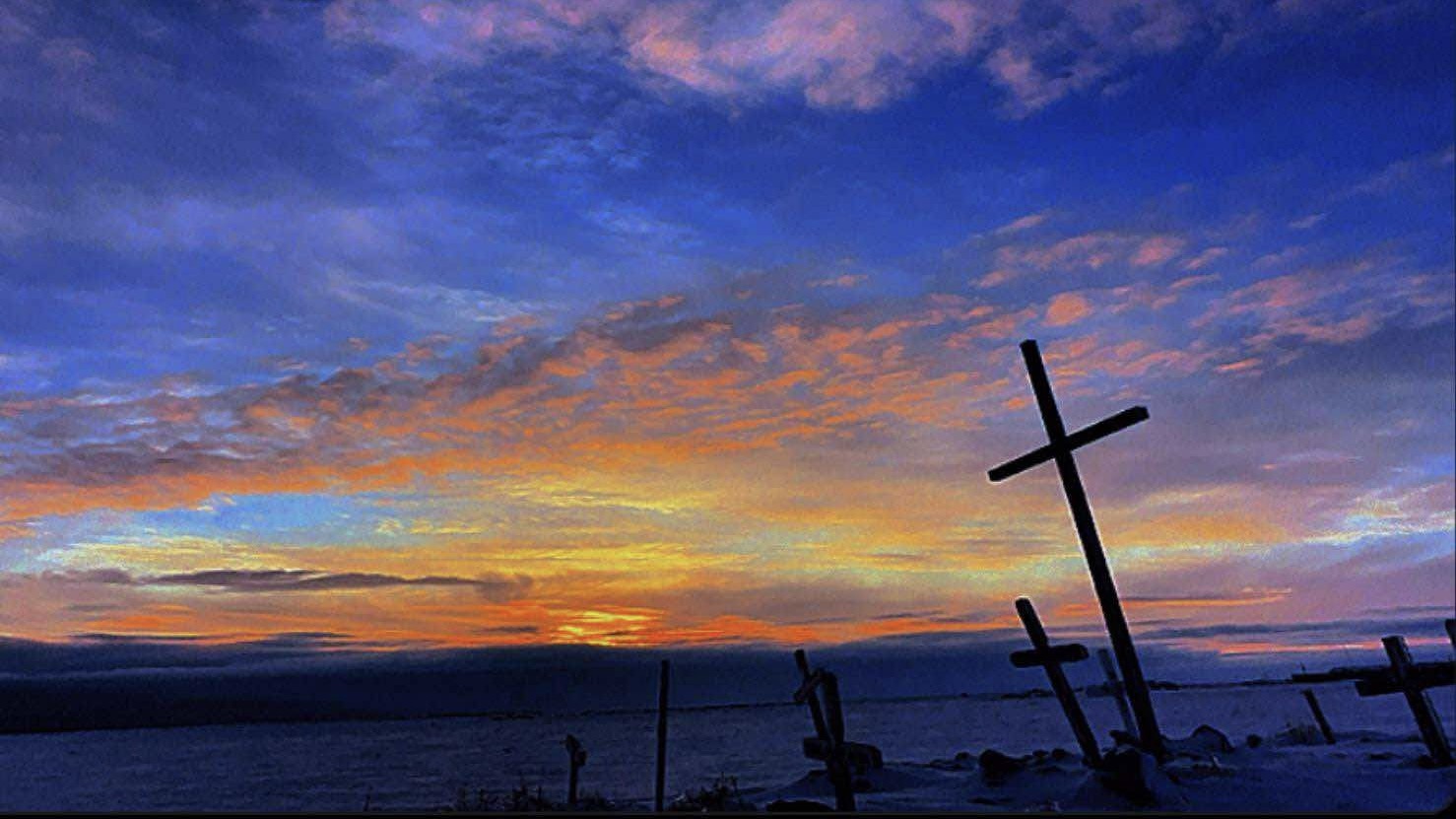
Navigating the friction between economic value and the physical memory of Winnipeg’s creative resilience.
Who are you performing for when the audience is already a memory? The silence in a half-empty hall tells a story you aren’t ready to hear.
You walk past the building on Princess Street where a collective used to run a darkroom, and now it’s just another shell waiting for a developer to call it “curated.” It feels like we are living in the afterglow of a massive fire, watching the embers of the 2025 federal budget struggle to catch against the draft of municipal austerity. The $770 million promised feels like a ghost story when you’re looking at your own empty bank account and a “For Lease” sign in the window of your favorite venue. We treat culture like a line item on a spreadsheet, but you know it’s actually the way the light hits the floorboards in a studio occupied by a hundred different ghosts before you.
There is a specific kind of dignity in the items we leave behind—the physical debris of a creative life that refused to be streamlined. You find a flyer from 2023 stuck behind a radiator and realize it’s more than paper; it’s an evidentiary fragment of a time when we weren’t so afraid of being “mid.” In 2026, the pressure to be a “content creator” instead of a human being with a pulse is reaching a fever pitch. But you aren’t a content creator; you are a keeper of the silt, the person who remembers how the room felt before the AI started generating the background music for our collective exhaustion. We are the architects of the un-recordable.
Think about the layers of posters on the telephone poles near the West End Cultural Centre. They are thick as tree bark now, a compressed history of every event that nobody remembers except for the people who were actually there. This is how the arts sector survives: not through the top-down hierarchy of a five-year plan, but through the accumulation of small, stubborn gestures. When a local grant gets slashed, the logic of the system says the art should stop, but the logic of the archive says we just find a different way to haunt the space. We move sideways, legacy-maxxing in the shadows, building a history that isn’t measured in GDP but in the thickness of the paint on the walls.
Resilience is a heavy word, often used by people who want you to keep working while they take away your safety net. You don’t have to be resilient in a way that makes you hard and impenetrable. Instead, be like the river silt that settles at the bottom of the Assiniboine, catching everything that falls and turning it into something new and messy. Our cultural identity isn’t a polished trophy; it’s a collection of things we refused to throw away. It’s the hand-sewn costume that’s been repaired six times, the demo tape that sounds like a panic attack, and the way we look at each other when the lights finally go down.
You are part of a long, unspooling thread that stretches back long before the digital transformation tried to turn our souls into data points. Don’t worry about being relevant to the algorithm; the algorithm has no memory and therefore no soul. Focus on what will remain when the servers eventually go dark and the only thing left is the physical world we’ve touched. We are building a cathedral out of scraps, a place where the next generation can find the notes we left for them in the margins. Keep making the things that feel like a secret shared in a crowded room.
Thoughts on art and the state of the world!
These fragments trace the rhizomatic flow of thought through art, life, and place — scattered impressions from studio corners, fleeting ideas scrawled in notebooks, whispered exchanges at galleries, and observations picked up on quiet northern roads. Some fragments linger on technique, intuition, and doubt; others drift through community, culture, and the subtle poetry of everyday moments. They offer no conclusions, only openings, inviting readers to follow connections wherever they emerge.
Wandering laterally between process, memory, and environment, these pieces map associations across creativity, identity, and belonging. They intersect with humor, failure, resilience, and collaboration, and trace the ways artistic thinking seeps into gardens, small-town rhythms, friendships, and civic life across Manitoba and Northwestern Ontario — and further afield. Each thought functions as a node, part of a living network of reflection, expanding and branching with possibility.
Discover more associative fragments, conceptual wanderings, and artful reflections on our thoughts page.


