Why aerodynamic content is killing culture and how to create friction in a high-speed world.
Your attention span is currently traveling at the speed of a car crash.
Everything is a blur of motion. You feel it in the back of your neck, that distinct whiplash of trying to track a culture that accelerates every time you blink. In Winnipeg, we used to pride ourselves on being slow—slowness was a survival tactic against the cold—but now the feed moves at Mach 10 regardless of the postal code. You see a friend’s release show announcement, a funding cut alert, and a global crisis all occupy the same millisecond of your retina. It’s not just information overload; it’s a velocity problem. We are consuming art like we are driving through a tunnel, watching the lights smear into a single, meaningless line. The nuance is lost in the slipstream.
The digital ghosts are screaming, but the Doppler effect makes them sound distorted. Algorithms demand high-frequency trading of human emotion. If you aren’t posting every four hours, you don’t exist. This is the new precariousness: the fear that if you stop moving, even for a second to breathe or perfect a brushstroke, you will be ejected from the highway. We are terrified of the blind spot. So we churn out content that is aerodynamic, smooth, and frictionless, designed to slide effortlessly into the feed without causing drag. But smooth things don’t stick. They just accelerate the slide toward amnesia.
We need to talk about the physics of resistance. When the entire world is pushing for speed, the most radical artistic act is to become an obstacle. We don’t need more “content” that flows; we need art that crashes. We need heavy, jagged, un-optimized creations that catch on the edges of the algorithm and tear the fabric a little. Think of a mural on Main Street that forces a pedestrian to stop walking because it’s too complex to process at a glance. Think of a basement noise show where the volume is physical, rattling your ribs, forcing you to be strictly here, unable to scroll because your hands are shaking from the bass.
This is about increasing your drag coefficient. Friction is the only proof of contact. If you aren’t feeling resistance, you’re just falling. The funding might be flickering, and the support systems might be brittle, but the energy of a collision is real. When you create something that refuses to be consumed in three seconds—a zine that is hard to read, a track that changes tempo violently, a conversation that loops and spirals instead of getting to the point—you are creating wreckage. And wreckage forces traffic to slow down.
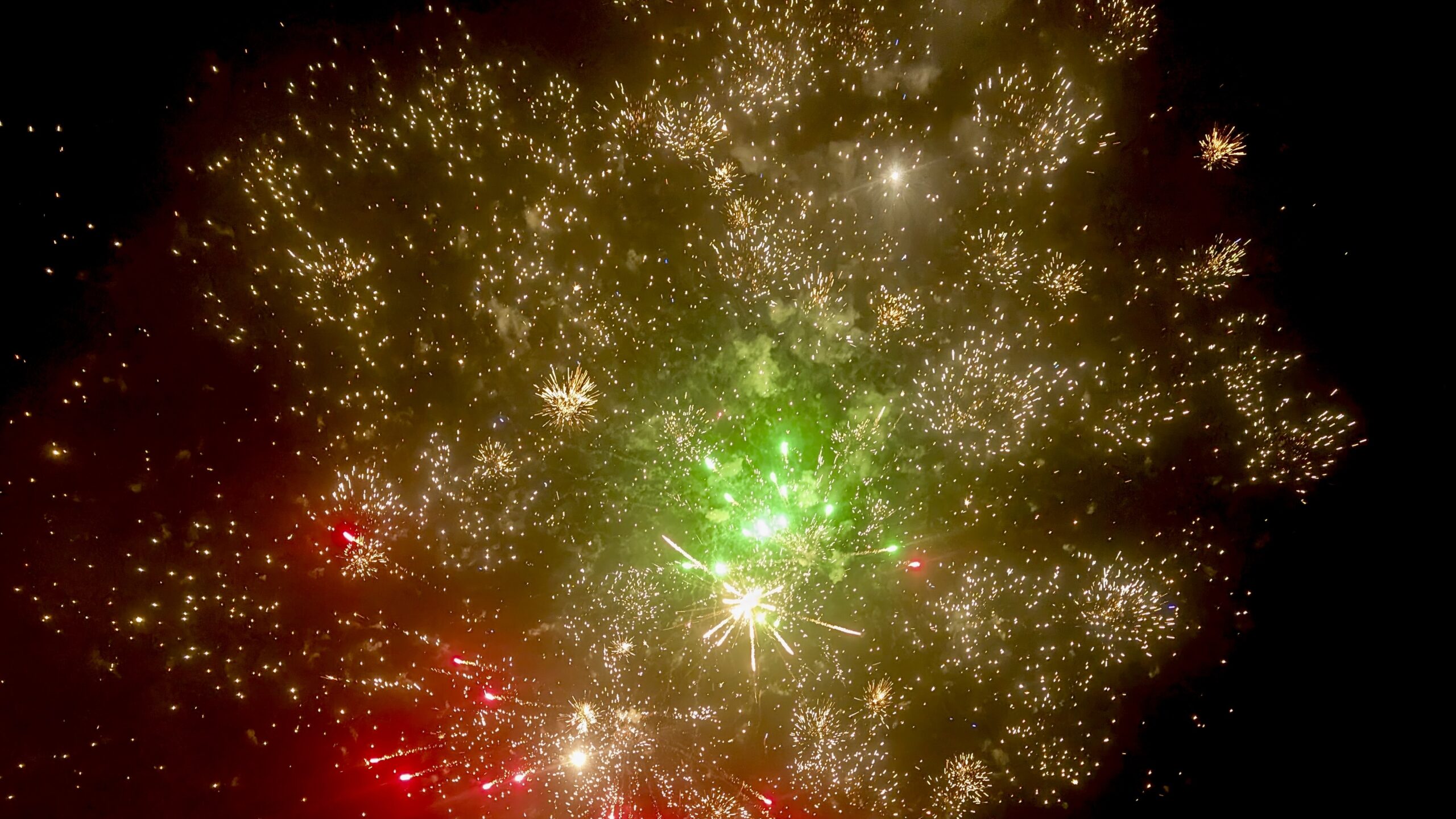
Don’t polish your work until it shines; leave the edges sharp. Be the debris on the digital highway. Force the swerve. In a landscape defined by vanishing security and shifting borders, we don’t need to go faster to catch up. We need to be the heavy object that refuses to move. Let them hit the brakes. Let the smoke rise. The impact is the only thing that remembers us.
Oh, Canada.
These fragments drift along the rhizomatic currents of thought, skimming art, life, and place — glimpses from shadowed studio corners, half-formed ideas muttering in margins, murmured exchanges in quiet galleries, and impressions gathered from northern roads where silence bends the light. Some fragments linger on gesture, intuition, and uncertainty; others move through community, culture, and the ephemeral music of everyday patterns. They draw no conclusions, only openings, inviting readers to wander along the tangled networks they trace.
Wandering sideways through process, memory, and atmosphere, these pieces map intersections of creativity, identity, and belonging. Humor, failure, resilience, and collaboration pulse through them, along with the subtle seep of artistic thought into gardens, small-town rhythms, friendships, and civic life across Manitoba and Northwestern Ontario — and beyond. Each fragment acts as a node, part of an expanding, branching lattice of reflection, where meaning emerges in motion rather than resolution.
Explore more associative fragments, drifting concepts, and artful wanderings on our thoughts page.


