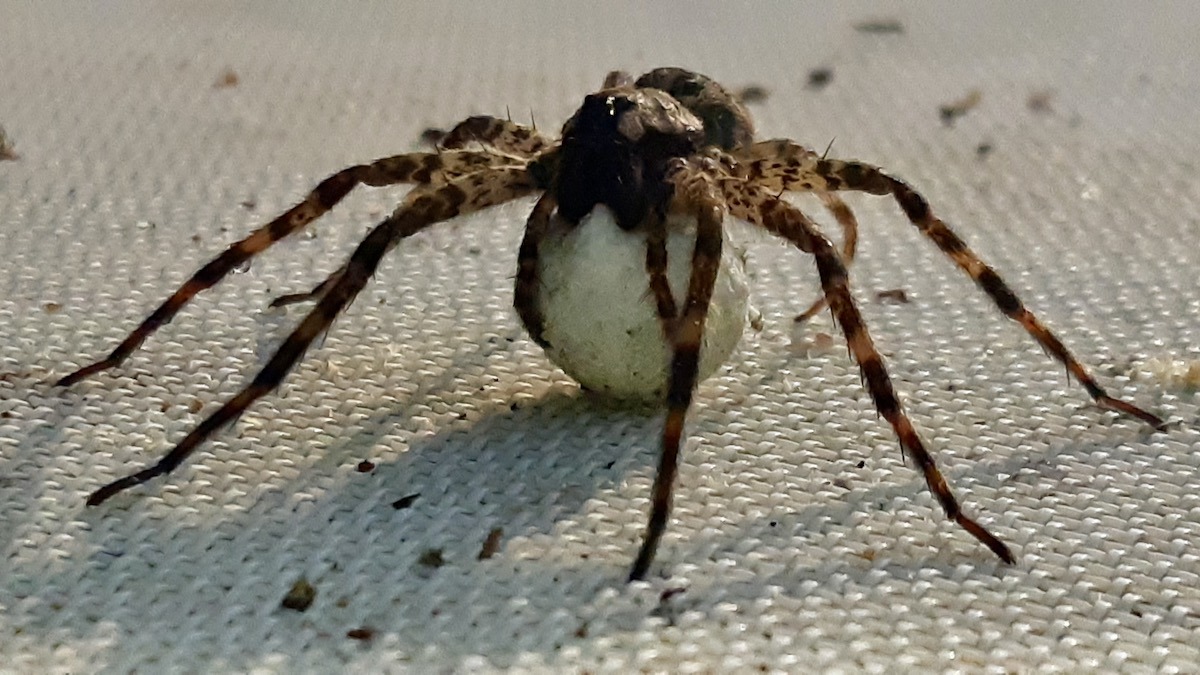
Curating the invisible labor that keeps our flickering culture alive.
Have you ever felt the heavy, quiet weight of the hands that hold this city together?
It is a trick of the light. You walk down Princess Street and the heritage buildings look solid, but the people maintaining them feel like they are fading into the brickwork. We are navigating a Winnipeg made of glass and exhaustion. The person stocking the shelves at midnight, the artist painting a set for a show that loses funding the next day—they are vibrating at a frequency so high they have become transparent. We treat this labor like background radiation. It is just there. But the hum you hear? That is not the HVAC system. That is the collective burnout of a thousand invisible performances.
The culture is flickering because we stopped feeding the source. We want the mural, but not the hours in the cold sketching it. We want the clean street, but not the eye contact with the person sweeping it. We are living in a gallery of finished products, ignoring the messy, sprawling archive of effort that makes any of it possible. It is a form of collective amnesia. We delete the process to save space in our own stressed-out memories.
Think about the shadows in the Exchange District. They stretch long in the winter afternoon. That shadow is a container. It holds everything we refuse to look at directly. The “fading landscapes” aren’t just the trees up north; they are the social contracts dissolving in real-time. You feel it when you try to book a venue that doesn’t exist anymore, or when you realize your favorite barista has been replaced by a kiosk. The human element is retreating into the shade. The connections are there, but they are faint, like writing on paper that has been erased and written over a dozen times.
So, how do we curate this emptiness? We need to treat the “invisible” as a medium. Art in 2026 shouldn’t be about adding more noise to the signal. It should be about developing the negative. Like an old film photograph, you have to sit in the dark to see what is actually there. Pay attention to the drift. The way a community garden persists despite the drought is a form of sculpture. The way a care worker holds space for a grieving family is a form of performance art more profound than anything in a theater.
We need to become historians of the immediate. Don’t wait for the plaque to be put up. Acknowledge the labor while it is happening. When you witness someone holding the line—whether it is cultural preservation or just keeping a floor clean—you are stopping the fade. You are acting as a fixative. The image only blurs if we refuse to focus. Stop scrolling past the blur. That is where the real city lives. In the periphery. In the quiet endurance of the things we are trained not to see.
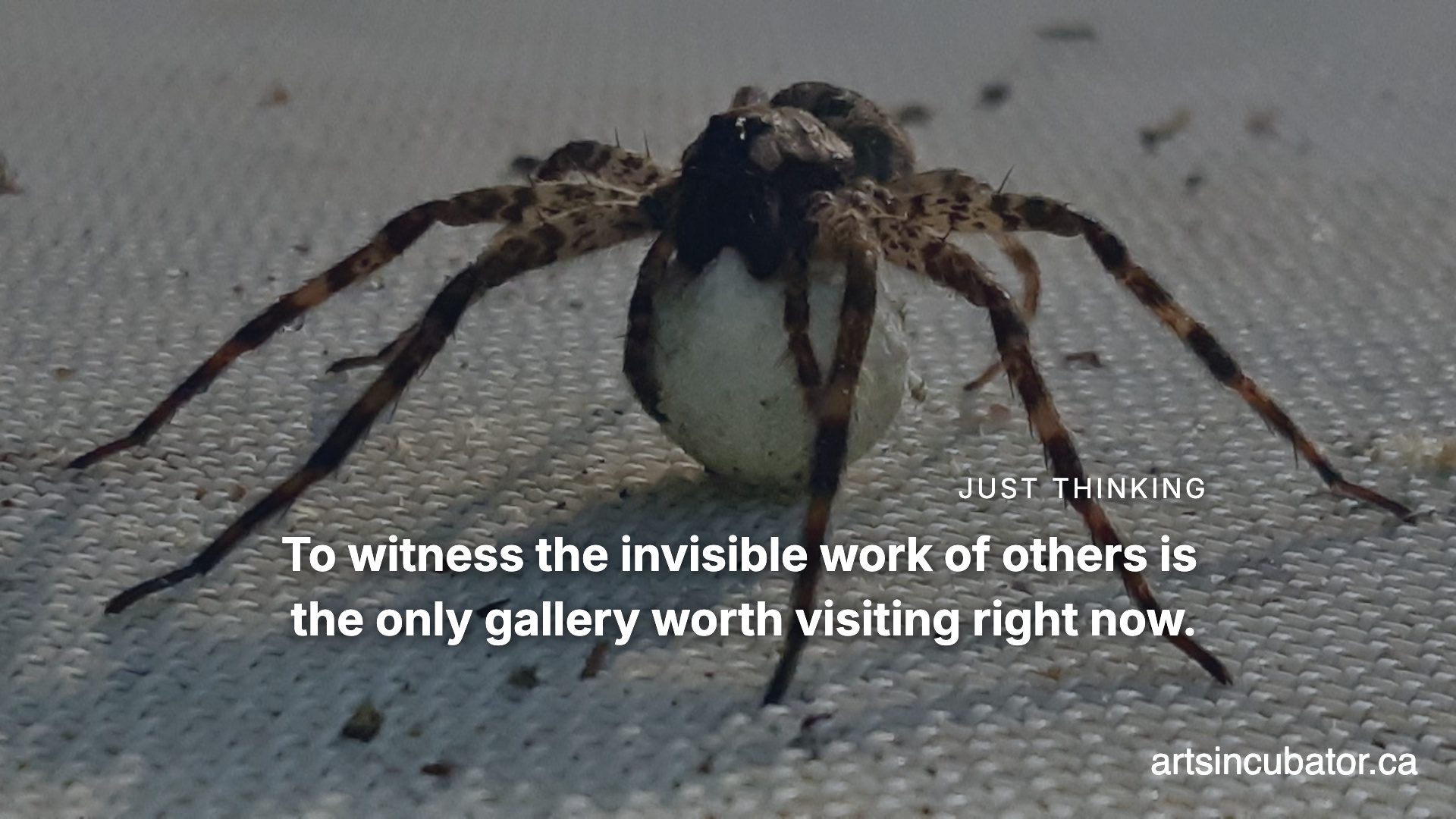
Oh, Canada.
These fragments drift along the rhizomatic currents of thought, skimming art, life, and place — glimpses from shadowed studio corners, half-formed ideas muttering in margins, murmured exchanges in quiet galleries, and impressions gathered from northern roads where silence bends the light. Some fragments linger on gesture, intuition, and uncertainty; others move through community, culture, and the ephemeral music of everyday patterns. They draw no conclusions, only openings, inviting readers to wander along the tangled networks they trace.
Wandering sideways through process, memory, and atmosphere, these pieces map intersections of creativity, identity, and belonging. Humor, failure, resilience, and collaboration pulse through them, along with the subtle seep of artistic thought into gardens, small-town rhythms, friendships, and civic life across Manitoba and Northwestern Ontario — and beyond. Each fragment acts as a node, part of an expanding, branching lattice of reflection, where meaning emerges in motion rather than resolution.
Explore more associative fragments, drifting concepts, and artful wanderings on our thoughts page.


