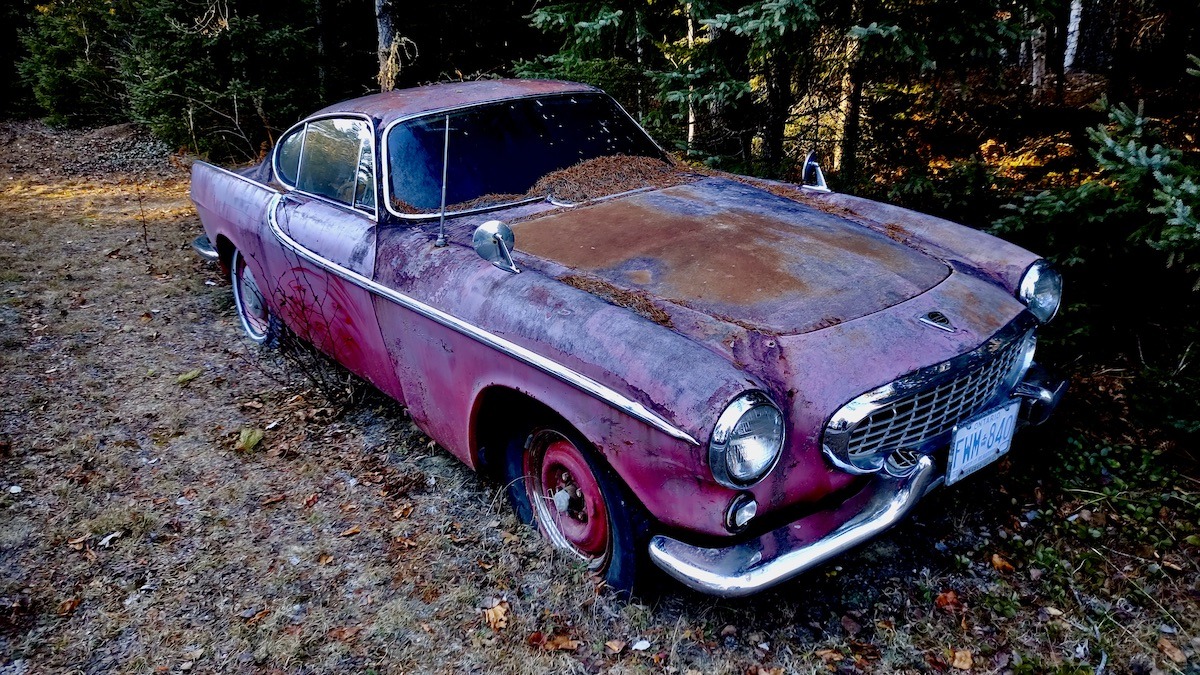
Exploring the cracks in Canadian Society through the lens of a Winnipeg studio.
Why are we still trying to smooth out the edges of a life that is clearly shattering?
You are staring at a lump of gray clay, trying to force it into a shape that resembles stability, while the real world outside your basement window is a chaotic mess of skyrocketing rent and crumbling promises. Canadian Society in 2026 feels like a kiln that was fired too hot, too fast, leaving us all with hairline fractures we are desperate to hide. You see the headlines about the housing market being too low to build but too high to buy, and you realize the math of your existence is being written by someone who has never had to scrape dried slip off their knuckles to afford a bag of flour. We are living in the warped parts of the vessel, the places where the structural integrity is questionable at best, yet we are expected to hold water like nothing is wrong.
The cost of everything is a slow-motion car crash, and your studio practice is becoming an exercise in extreme frugality. You are thinning out your paints with tears and tap water because a new tube costs more than a week’s worth of groceries. There is a specific kind of indignity in choosing between a fresh canvas and a bag of apples, especially when the national conversation is obsessed with productivity and trade uncertainties with the States. Our living standards are sliding down a muddy bank, and the experts are standing at the top with a clipboard, asking why we aren’t moving faster. You cannot glaze over the fact that our collective survival is currently held together by grit and a refusal to let the spirit go brittle.
Then there is the wait, a heavy layer of dust settling over every ambition you ever had. You are waiting for a doctor, waiting for a grant, waiting for the bus on Main Street that is forty minutes late because the infrastructure is buckling under its own weight. It feels like we are all stuck in a permanent bisque state—hardened by the fire but not yet finished, waiting for a treatment or a break that might never come. The healthcare system is a series of infinite loops and 29-week delays that leave people in a state of prolonged, physical agony. It is hard to focus on the craft of living when the basic mechanics of the country are throwing error codes every time you try to access a service you’ve paid for with your own tax dollars.
We are finding each other in the debris, forming a network that moves like water through the cracks. When the fentanyl crisis rips through another block or the suicide helplines go silent due to funding gaps, we are the ones showing up with a handful of clay and a shoulder to lean on. Your dignity isn’t found in a prosperous life that no longer exists; it is found in the way you refuse to be a clean product for a society that wants to discard you. We are building a new kind of social fabric in Winnipeg, one that is lumpy, hand-rolled, and deeply imperfect. We share our materials, we share our space, and we share the burden of knowing that the old world is not coming back to save us.
Stop trying to be the perfect version of a citizen when the city itself is a beautiful, terrifying glitch. Lean into the thumbprints and the rough edges of your own survival. If the sector is a mess, be the mess that refuses to be organized into a spreadsheet. We are the survivors of an era that valued growth over people, and our art is the only thing left that still feels real in a world of fraud and fear. Keep your hands dirty and your heart open, because the most radical thing you can do right now is exist with your cracks showing.
Thoughts on art and the state of the world!
These fragments trace the rhizomatic flow of thought through art, life, and place — scattered impressions from studio corners, fleeting ideas scrawled in notebooks, whispered exchanges at galleries, and observations picked up on quiet northern roads. Some fragments linger on technique, intuition, and doubt; others drift through community, culture, and the subtle poetry of everyday moments. They offer no conclusions, only openings, inviting readers to follow connections wherever they emerge.
Wandering laterally between process, memory, and environment, these pieces map associations across creativity, identity, and belonging. They intersect with humor, failure, resilience, and collaboration, and trace the ways artistic thinking seeps into gardens, small-town rhythms, friendships, and civic life across Manitoba and Northwestern Ontario — and further afield. Each thought functions as a node, part of a living network of reflection, expanding and branching with possibility.
Discover more associative fragments, conceptual wanderings, and artful reflections on our thoughts page.