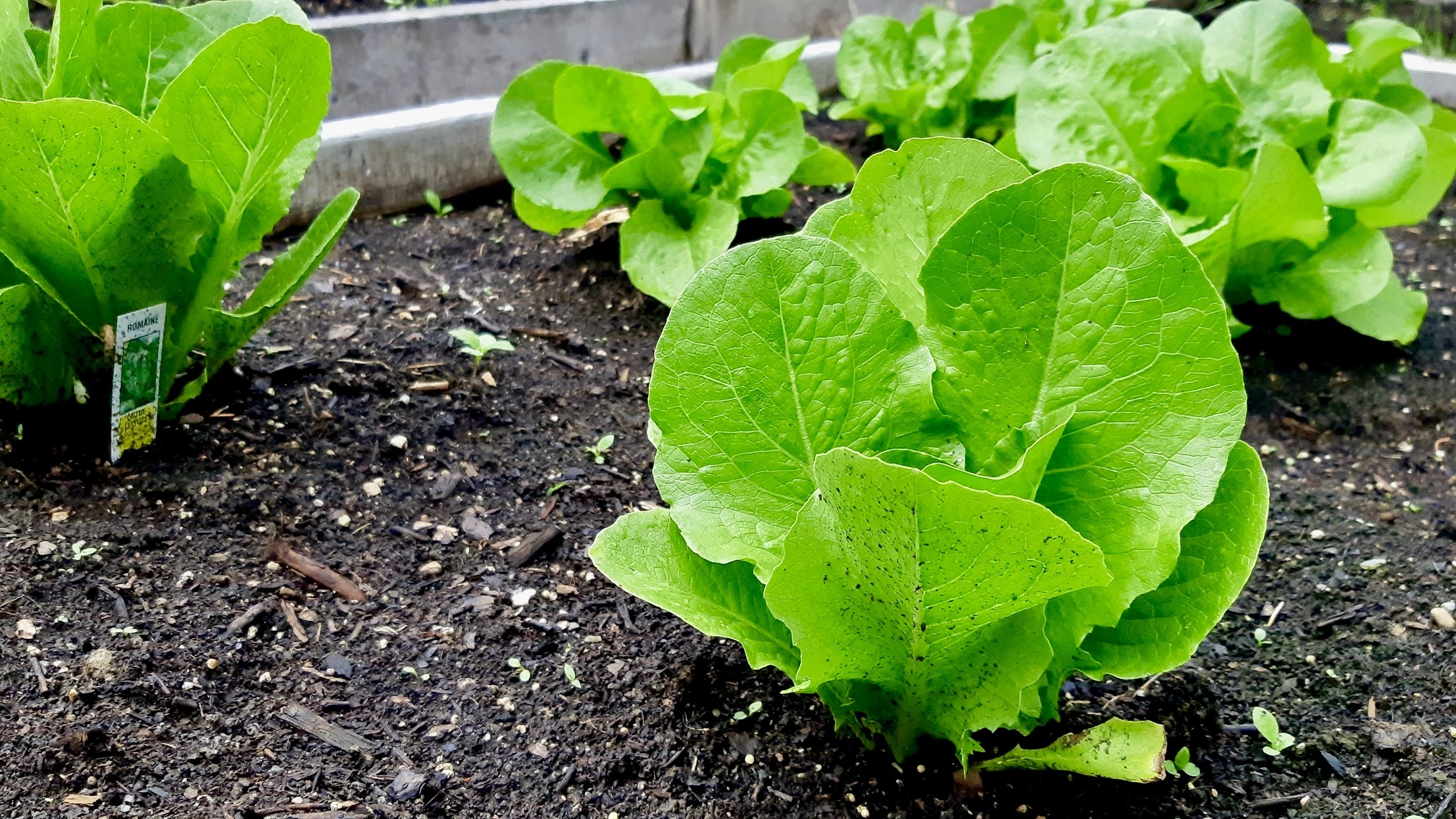
How our crumbling social trust and climate anxiety are fueling a new creative metabolism.
What if the coming collapse is actually the best thing to happen to our creative community?
You are watching the sky turn a bruised, sickly green over the Red River, and for a second, the panic feels like a physical weight in your lungs. The climate isn’t just changing; it’s mutating into something unrecognizable, and our social trust is dissolving right along with it. We’ve been conditioned to think that the breakdown of these big, heavy systems is a tragedy we have to prevent at all costs. But look at the ground. Look at how the most fertile life in Manitoba doesn’t come from the manicured lawns of the suburbs, but from the damp, neglected corners where things are falling apart. We are entering the era of the great softening. Everything that was too rigid to bend is breaking, and that debris is exactly what we need to feed the next version of ourselves.
Our social cohesion shouldn’t be a shiny, unbreakable chain; it should be more like peat. Dense, messy, and capable of holding a lot of heat without burning out. When the political discourse gets toxic and the polarization feels like a canker sore on the city, you don’t heal it with a polite conversation or a corporate-sponsored bridge-building event. You heal it by letting the old, dead arguments sink into the mud. We are finding a strange new dignity in the shared struggle of surviving a Winnipeg winter that now includes flash floods and smoke-choked July afternoons. In those moments, the “us versus them” narrative loses its grip. You can’t hold a grudge when you’re both waist-deep in the same basement floodwater. The trauma of the climate crisis is a dark nutrient, forcing us to tangle our lives together in ways that the old economy never allowed.
Art in 2026 is becoming a biological filter for this chaos. We aren’t just making “climate art” or “protest songs”; we are practicing a form of creative metabolism. You see it in the way the local scene is pivoting toward the tactile and the perishable. Why build a monument that’s meant to last forever when the ground itself is shifting? Instead, we are making ephemeral sculptures out of river silt and staging plays in the middle of overgrown lots that the city has forgotten. This work is a gesture of trust. It’s an admission that we don’t have the answers, but we have each other and we have the debris. We are the silt settling at the bottom of the flood, building a new, heavy foundation.
You might feel like a failure because you can’t see a clear path forward in this terrain of shifting borders and rising prices. But you aren’t a failure; you’re an organism in transition. The anxiety you feel is just the energy of the breakdown looking for a place to go. Give it a shape. Let it be a weird, unclassifiable project that only your neighbors will ever understand. The arts sector in this city doesn’t need more funding from ghosts in suits; it needs more people willing to get their hands dirty in the humus of the present. We are building a horizontal network of care that is powered by the very things the system tries to discard.
The weather is going to get heavier. The institutions are going to keep fraying at the edges. But in the dark, damp spaces of the creative underground, the life is getting thicker by the day. We are the overgrowth. We are the tubers that thrive when the pavement finally cracks for good. Stop looking for a tidy resolution and start looking for the people who aren’t afraid of the breakdown. There is a deep, quiet kindness in the way we sustain each other when the lights flicker. We aren’t just surviving the end of a world; we are the very beginning of the one that comes after.
Oh, Canada.
These fragments drift along the rhizomatic currents of thought, skimming art, life, and place — glimpses from shadowed studio corners, half-formed ideas muttering in margins, murmured exchanges in quiet galleries, and impressions gathered from northern roads where silence bends the light. Some fragments linger on gesture, intuition, and uncertainty; others move through community, culture, and the ephemeral music of everyday patterns. They draw no conclusions, only openings, inviting readers to wander along the tangled networks they trace.
Wandering sideways through process, memory, and atmosphere, these pieces map intersections of creativity, identity, and belonging. Humor, failure, resilience, and collaboration pulse through them, along with the subtle seep of artistic thought into gardens, small-town rhythms, friendships, and civic life across Manitoba and Northwestern Ontario — and beyond. Each fragment acts as a node, part of an expanding, branching lattice of reflection, where meaning emerges in motion rather than resolution.
Explore more associative fragments, drifting concepts, and artful wanderings on our thoughts page.