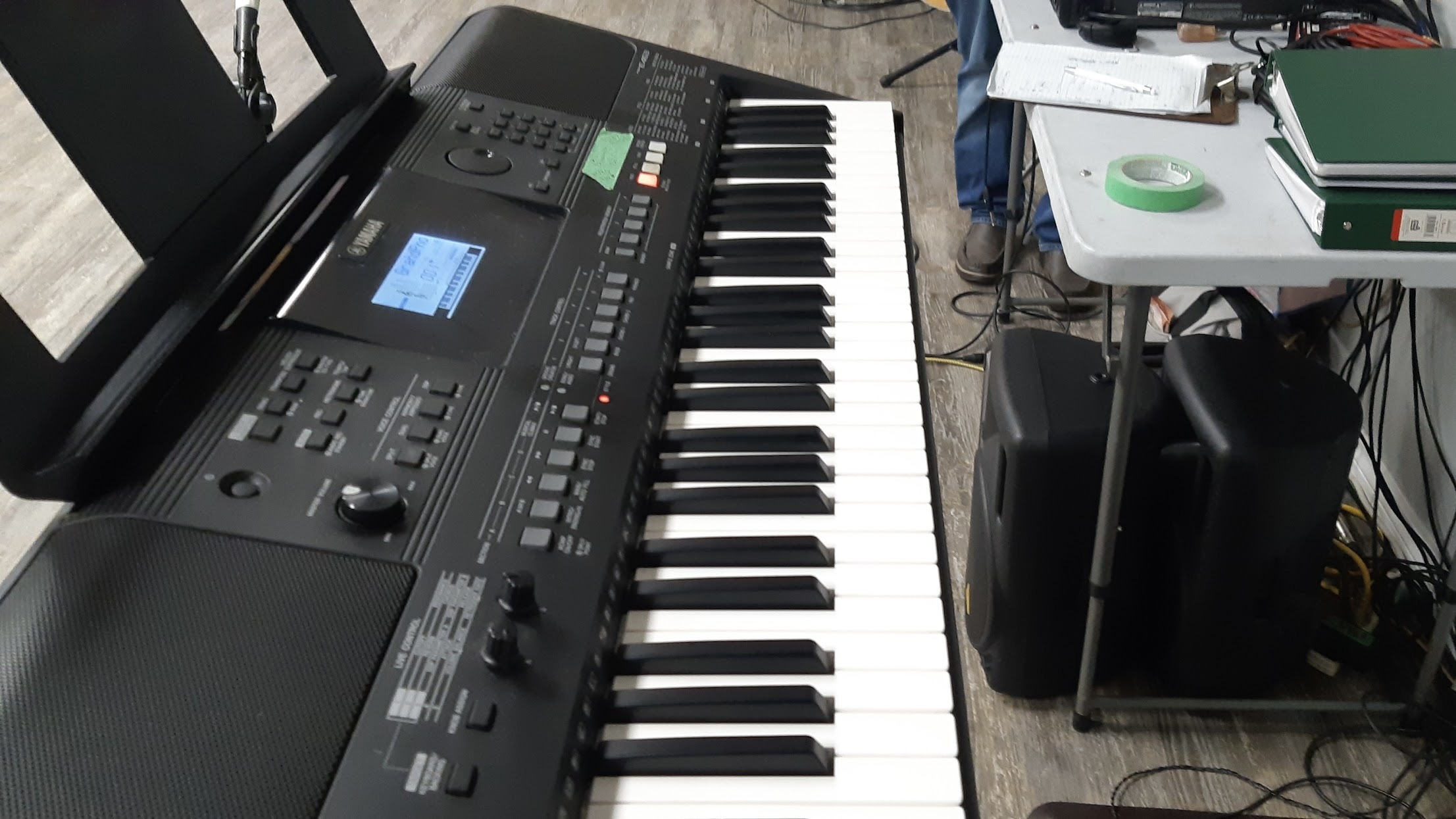
How creative friction in Winnipeg builds civic engagement amidst Canada’s intensifying political polarization.
How much of your identity is just a reaction to someone you hate? Does your memory have a border or is it a flood?
The map of our country is currently a series of sharp, jagged lines that do not quite fit together. There is a heavy, cautious silence in the grocery aisles of Winnipeg, a performance of politeness masking the affective polarization vibrating just under the skin. We are told our national unity is being forged in the heat of U.S. trade threats, a sudden patriotic surge that feels both comforting and deeply suspicious. You see the maple leaf being reclaimed by everyone from the suburban soccer parent to the far-right organizer. You wonder if the symbol is being stretched until it finally snaps. It is a strange time to be looking for a legacy when the public consent feels as brittle as the ice on the Assiniboine in late March.
Truth is no longer a shared landscape but a private garden with a very high fence. You see the government folding specific anti-racism offices into a broad equity council, and it feels like a soft erasure, a way of smoothing over the sharp, necessary edges of our specific griefs. The surge in antisemitism and Islamophobia isn’t just a statistic; it’s the quiet way people have stopped looking each other in the eye on the bus. Racism remains an entrenched ghost in the machine, haunting the immigration detention centers and the way we talk about who belongs. We are all archives of these micro-frictions, carrying the weight of a society that is trying to negotiate unity while the foundations are visibly cracking.
But then there is the creative friction, the only space left where the binary of left and right feels like a boring, two-dimensional lie. You find yourself in a repurposed warehouse in the Exchange District, watching an Indigenous-led performance that refuses to translate itself for a colonial gaze. This isn’t art as a bridge in some cheesy, corporate sense; it’s art as a site of civic engagement that actually allows for the mess. When the political discourse becomes a series of shouting matches about Alberta’s sovereignty or private sector voting rifts, the arts sector remains a rhizomatic network of truth-telling. It is the music that forces you to acknowledge the humanity of a person who might have a lawn sign you despise.
Our memories are being built out of these moments of uncomfortable proximity. You are navigating a patriotism that must handle the truth about environmental racism and systemic exclusion. The arts are the sediment of our survival, the fossils of our attempts to be kind in a world that profits from our animosity. We are the keepers of the unofficial records, the ones who remember that our commonality is found in the shared struggle of a long winter and the collective hope for a future that is not just a smaller version of the past. Your creativity is the evidence that the social fabric hasn’t been torn beyond repair; it’s just being rewoven with much stronger thread.
Don’t look for a tidy resolution in a time of intense fragmentation. Instead, look for the echoes of resilience in the zines, the public murals, and the theater projects that tackle the things the politicians are too afraid to name. We are navigating a landscape of shadows, but the light we cast together is enough to see the path forward. Your role in this archive is to be a witness to the complexity, to hold the tension without letting it break you. We are not just partisans in a polarized state; we are the architects of a connection that goes deeper than the voting booth. The story of our unity is still being written, and it is far more interesting than a cautious headline.
Thoughts on art and the state of the world!
These fragments trace the rhizomatic flow of thought through art, life, and place — scattered impressions from studio corners, fleeting ideas scrawled in notebooks, whispered exchanges at galleries, and observations picked up on quiet northern roads. Some fragments linger on technique, intuition, and doubt; others drift through community, culture, and the subtle poetry of everyday moments. They offer no conclusions, only openings, inviting readers to follow connections wherever they emerge.
Wandering laterally between process, memory, and environment, these pieces map associations across creativity, identity, and belonging. They intersect with humor, failure, resilience, and collaboration, and trace the ways artistic thinking seeps into gardens, small-town rhythms, friendships, and civic life across Manitoba and Northwestern Ontario — and further afield. Each thought functions as a node, part of a living network of reflection, expanding and branching with possibility.
Discover more associative fragments, conceptual wanderings, and artful reflections on our thoughts page.