Using creative friction to dismantle systemic polarization and rebuild community trust in Winnipeg.
Why are you still looking for a polite middle ground? It is a graveyard for honest art.
You are standing in the middle of a Winnipeg winter that feels like a physical manifestation of the political climate—bitter, polarizing, and suspiciously quiet until something finally snaps. While the talking heads on the news are debating whether our national unity is being saved by U.S. trade threats or destroyed by them, you are just trying to figure out why your favorite local venue got turned into a boutique gym. There is this weird tension where the mainstream says we are all stronger together to resist the American annexation rhetoric, but then ignores the fact that far-right groups are literally marching down the street. It is a total vibes are off situation when the flag on your neighbor’s porch could mean anything from a love of maple syrup to a collection of very problematic opinions about immigration.
We are dealing with a massive epistemic divide where facts are basically just suggestions and everyone is yelling into their own echo chamber. But then you walk into a community-led gallery space on Main Street and the air changes. You see Indigenous-led installations that do not just highlight history—they scream it. They remind you that the current crisis of polarization is just another Tuesday for communities that have been surviving systemic exclusion for centuries. This is where the arts sector becomes more than just a place for pretty pictures; it becomes a site of civic friction. It is the only place left where we can actually look at the racism, the antisemitism, and the surging Islamophobia without filtering it through a sanitized both-sides press release.
The real work is happening in the jagged edges of the creative scene. You are seeing the public-private sector voting rift play out in the types of projects that get funded, but the DIY scene does not wait for a grant approval. It is the hardcore show where the mosh pit is actually the most respectful place in the city because everyone is looking out for each other. It is the mural that gets buffed by the city but repainted by the neighborhood before the sun comes up. These are the rhizomatic connections that the political maps cannot capture. When the official Anti-Racism Strategy feels like a corporate PDF, the local theater collective putting on a play about environmental racism is the thing that actually moves the needle on public consent.
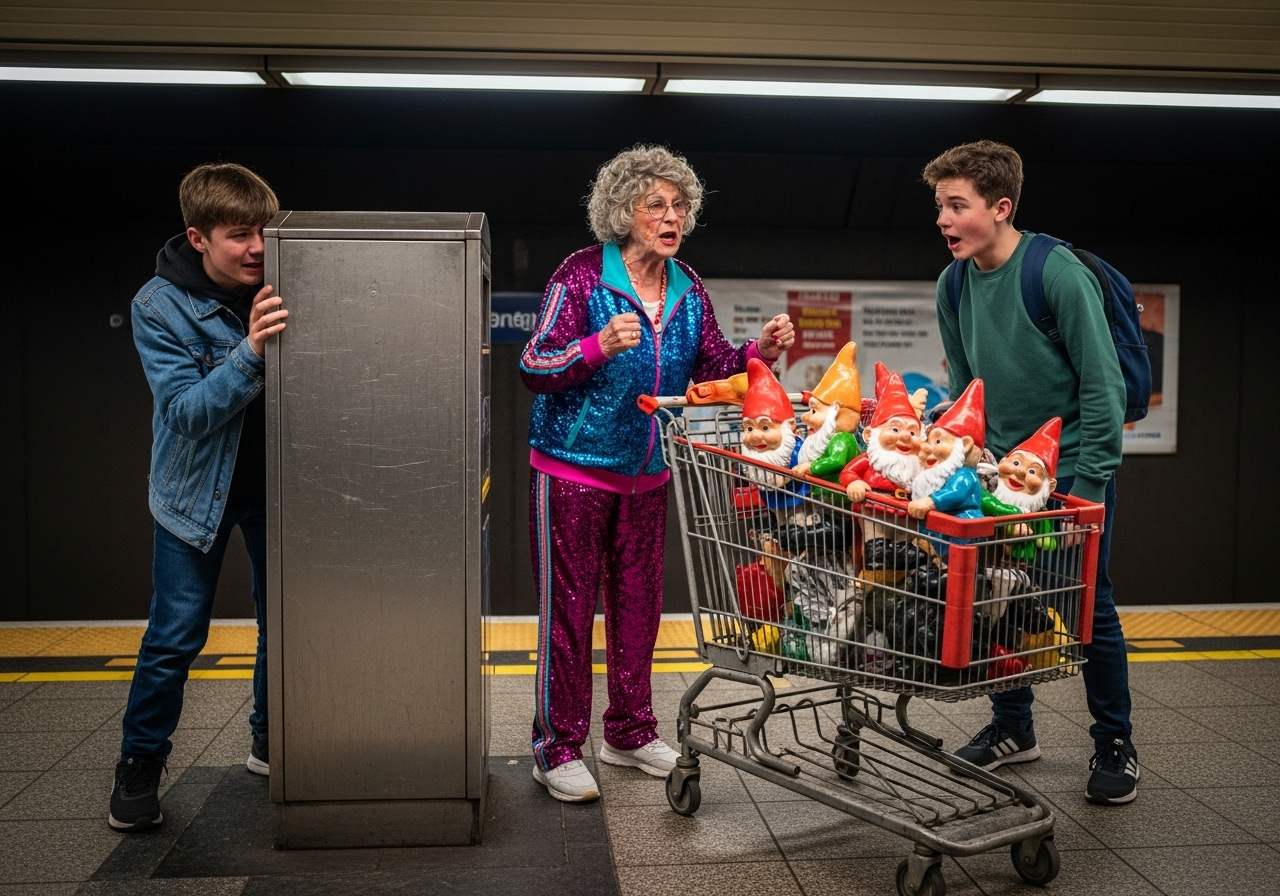
We have to stop thinking that unity means everyone being quiet and agreeing. Real empathy is messy, loud, and usually involves uncomfortable conversations in a room with bad acoustics. Your art is a way to bridge those gaps without erasing the struggle or pretending the tension does not exist. It is the way we negotiate the space between Alberta’s separatist grumbling and Quebec’s sovereignty debates by creating something that exists outside of a colonial border. We are building a culture that is resistant to the brain rot of polarization by making it impossible to ignore the humanity of the person standing right next to you.
Stop worrying about being polished or accessible to a system that is actively excluding your peers. The most radical thing you can do in 2026 is to be intensely, unapologetically local. Use your voice, your synth, your spray can, or your keyboard to document the actual temperature of the room. We are the architects of a social fabric that is being rewoven by hand, one uncomfortable verse at a time. Your creativity is the only thing that cannot be weaponized by a campaign manager or a trade negotiator. Keep it raw and keep it real, because the only way through this fracture is to sing our way out of the wreckage.
Thoughts on art and the state of the world!
These fragments trace the rhizomatic flow of thought through art, life, and place — scattered impressions from studio corners, fleeting ideas scrawled in notebooks, whispered exchanges at galleries, and observations picked up on quiet northern roads. Some fragments linger on technique, intuition, and doubt; others drift through community, culture, and the subtle poetry of everyday moments. They offer no conclusions, only openings, inviting readers to follow connections wherever they emerge.
Wandering laterally between process, memory, and environment, these pieces map associations across creativity, identity, and belonging. They intersect with humor, failure, resilience, and collaboration, and trace the ways artistic thinking seeps into gardens, small-town rhythms, friendships, and civic life across Manitoba and Northwestern Ontario — and further afield. Each thought functions as a node, part of a living network of reflection, expanding and branching with possibility.
Discover more associative fragments, conceptual wanderings, and artful reflections on our thoughts page.