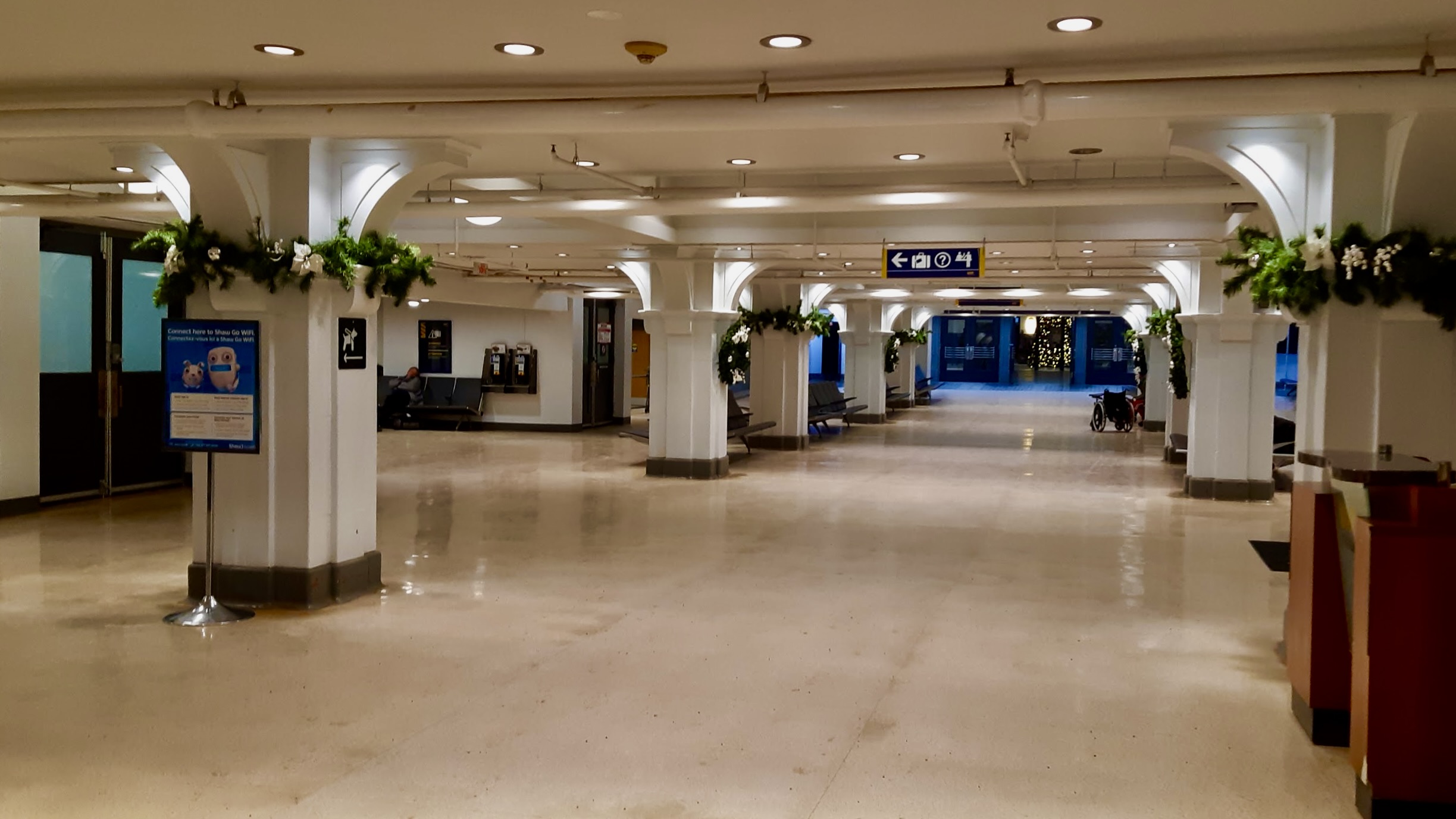
Why being an inefficient human is the only way to survive the high-voltage grind.
Does your exhaustion feel like a low-frequency hum that you can’t quite turn off?
You are functioning as a human surge protector for a city that refuses to regulate its own voltage. It isn’t just the side hustles or the precarious gig work; it is the emotional regulating you do for everyone around you. We are living in a high-amperage reality. The invisible labor of 2026 is the act of stepping down the panic of the internet into something your friends can actually consume without frying their nervous systems. You absorb the shock. You take the raw, jagged current of global anxiety and filter it into a smile or a calm text message. And you are overheating.
The infrastructure of Winnipeg isn’t just concrete and rebar; it is this web of silent exertion. We look at the skyline and forget about the conduit buried in the walls. You are the conduit. But here is the physics of it: when you run too much current through a wire without a break, the casing melts. That smell of burning plastic? That is your patience disintegrating. We are trying to be frictionless conductors in a world that is nothing but friction. The system relies on you being quiet about the load you are carrying. It needs you to be seamless.
So, stop being seamless.
Art, in this specific frequency of the decade, should be about adding impedance. We need to create resistance. If you are a musician, let the feedback loop scream until it is uncomfortable. If you are a writer, leave the rough edges in. Make the labor visible. Efficiency is a myth designed to make your effort disappear, so be aggressively inefficient. Build things that are clunky, heavy, and impossible to ignore. When we create art that highlights the digital ghosts—the lost jobs, the algorithmic displacements—we are stripping the shielding off the cable. We are showing the raw metal. It is dangerous, sure. But it is honest.
Think about the sound of a guitar amp before the chord is struck. That potential energy. That is where we live right now. We need to stop apologizing for the noise we make when we are just trying to exist. The divide between the “productive” citizen and the “struggling” creative is artificial. We are all just components in the same overloaded grid. The difference is that some of us are admitting that we are about to trip the breaker.
Ground yourself. Not in the spiritual sense—we are past the point where deep breathing fixes the economy—but in the electrical sense. Find a direct path to the earth. Connect with the people who are also humming at this dangerous pitch. When we lock arms, we aren’t just supporting each other; we are increasing the capacity of the circuit. We handle the load better when we are wired in parallel, not in series. Don’t let the isolation burn you out. Share the voltage. Let the sparks happen. It proves the power is still on.
Oh, Canada.
These fragments drift along the rhizomatic currents of thought, skimming art, life, and place — glimpses from shadowed studio corners, half-formed ideas muttering in margins, murmured exchanges in quiet galleries, and impressions gathered from northern roads where silence bends the light. Some fragments linger on gesture, intuition, and uncertainty; others move through community, culture, and the ephemeral music of everyday patterns. They draw no conclusions, only openings, inviting readers to wander along the tangled networks they trace.
Wandering sideways through process, memory, and atmosphere, these pieces map intersections of creativity, identity, and belonging. Humor, failure, resilience, and collaboration pulse through them, along with the subtle seep of artistic thought into gardens, small-town rhythms, friendships, and civic life across Manitoba and Northwestern Ontario — and beyond. Each fragment acts as a node, part of an expanding, branching lattice of reflection, where meaning emerges in motion rather than resolution.
Explore more associative fragments, drifting concepts, and artful wanderings on our thoughts page.